

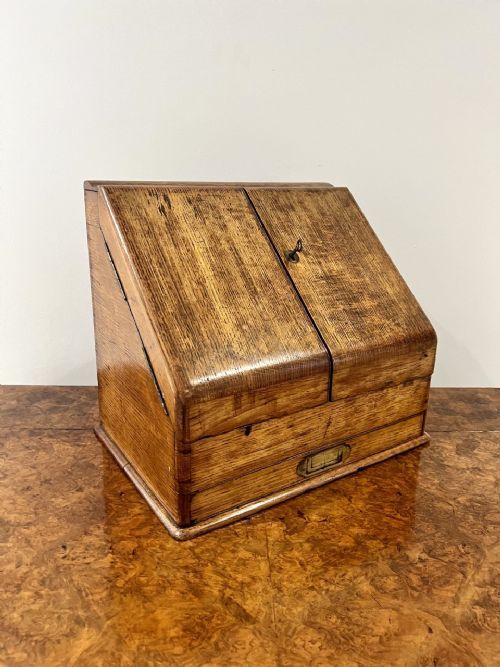


Antique Desk Box Key
An antique desk box key secures the writing slopes, letter boxes and correspondence chests that kept nineteenth-century correspondence private.
Antique Desk Box Key
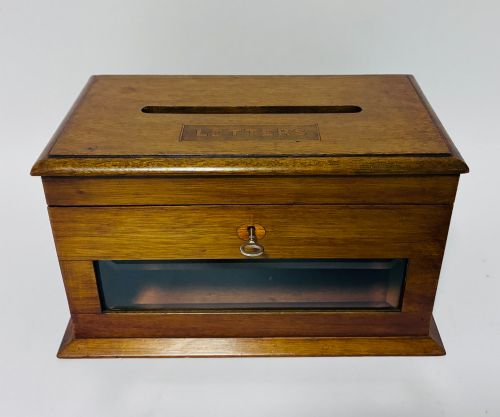
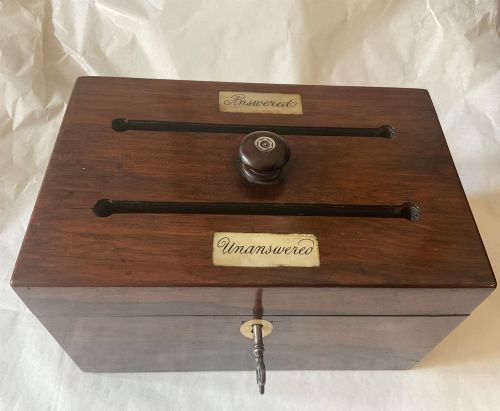
When you search for an antique desk box key, you encounter small metal mechanisms designed to fit writing slopes, letter boxes and stationery boxes. These functional items typically date from the Regency and Victorian periods, often accompanying larger portable writing furniture.
The pieces listed on this page span the nineteenth century, including campaign items and domestic desk boxes in various timber forms. Finding a working key alongside a writing slope or letter box remains a notable bonus for collectors.
Materials and construction
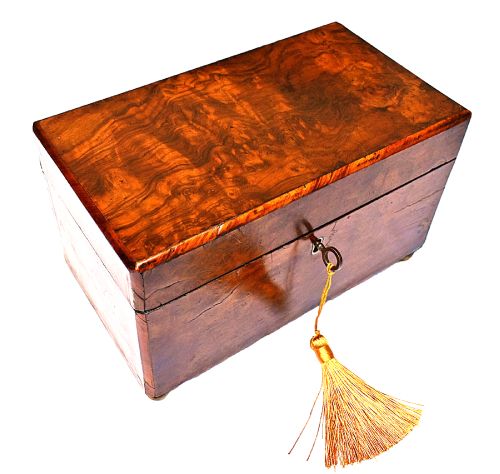
Desk boxes and their locking mechanisms rely on durable metals, brass fittings and robust hardwoods such as mahogany, walnut, rosewood and oak. Cabinetmakers matched these sturdy materials with specialised locks like the Bramah system to protect sensitive correspondence.
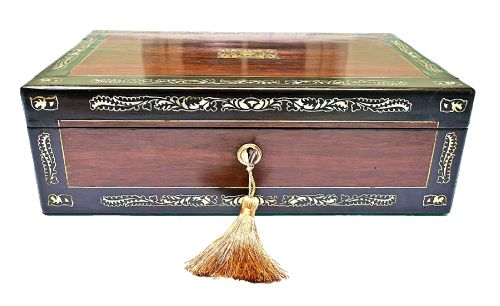
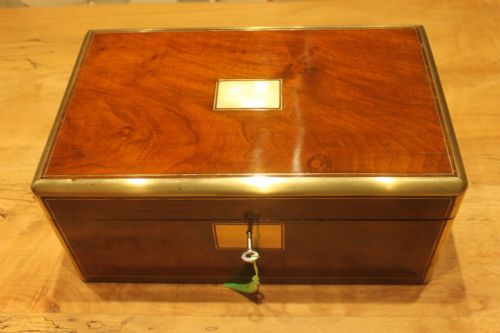
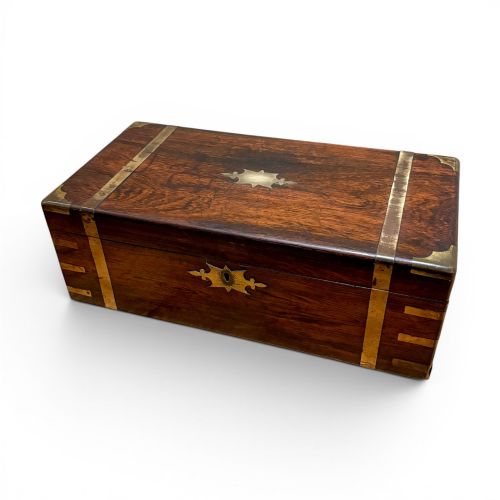
Many writing slopes and letter boxes feature flush brass binding or intricate mother-of-pearl inlay to reinforce the corners and edges of the wooden carcase. These construction methods ensured the boxes survived the rigours of travel during the nineteenth century.
Antique Desk Box Key Retail Price Guide 2026
Typical asking prices for desk box key among the pieces listed under this phrase on Sellingantiques today, from the lower quarter to the upper quarter. They describe what is for sale here now, not the wider market.
The listings show nineteenth-century writing boxes utilising brass, mahogany, rosewood, walnut and oak across Victorian and Regency periods.
Quality variations in desk boxes
Quality in these items is determined by the precision of the internal cabinet work, such as secret drawers and fitted compartments. Superior examples show careful timber selection, including figured walnut and satinwood veneers.
The sophistication of the locking mechanism separates standard containers from finer pieces. Inclusion of a functioning branded lock and a matching key elevates the desirability of any nineteenth-century writing box.
The Antique Desk Box Key Glossary
- Writing Slope
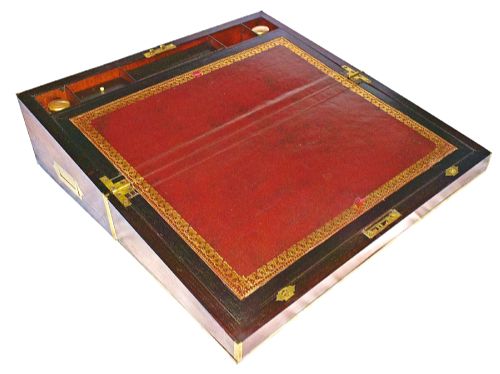
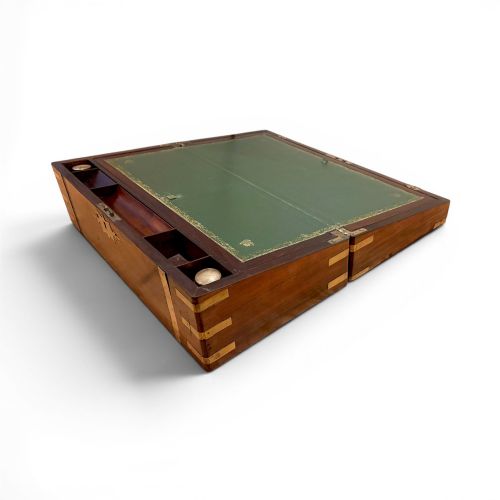
- A portable desk with a slanted lid designed for writing letters. These boxes often fold open to reveal a baize-lined surface and compartments for ink and pens.
- Bramah Lock
- A high-security barrel lock invented by Joseph Bramah in the late eighteenth century. It utilises a cylindrical key with small longitudinal slots.
- Campaign Style
- Furniture built in sections with recessed brass carrying handles for easy transport by military officers. These pieces often feature durable hardwoods like camphor or mahogany.
- Stationery Box
- A desk accessory designed to hold writing paper and envelopes upright. They frequently feature glazed doors or sloping fall fronts.
Antique Desk Box Key: Frequently Asked Questions
What is an antique desk box key?
An antique desk box key is a small metal instrument designed to operate the locks on nineteenth-century writing slopes, letter boxes and stationery cabinets.
These keys vary in complexity from simple barrel designs to sophisticated mechanisms made for Bramah locks.
How were writing slopes used?
Writing slopes served as portable desks for travellers and homeowners before the widespread use of fitted study furniture. Owners opened the hinged lid to create a slanted writing surface.
Inside, compartments held inkwells, nibs, stamps and stationery, keeping personal correspondence organised.
How do I date a Victorian writing box?
Dating these boxes involves examining the timber, construction methods and lock types present on the piece. Victorian examples often feature rosewood or walnut with brass corner reinforcement.
Patent locks and maker stamps inside the slope provide further clues regarding the exact decade of manufacture.
Why are working keys important?
Working keys are valued because many nineteenth-century desk boxes utilised proprietary lock designs that are difficult to replace. Finding a box with its original functional key preserves its mechanical integrity.
This completeness adds significant interest for collectors who prefer their pieces fully operational.