
Victorian Jewellery Drop
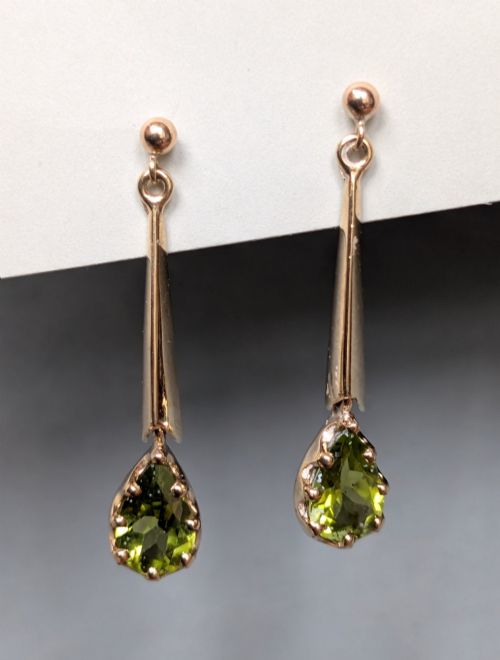
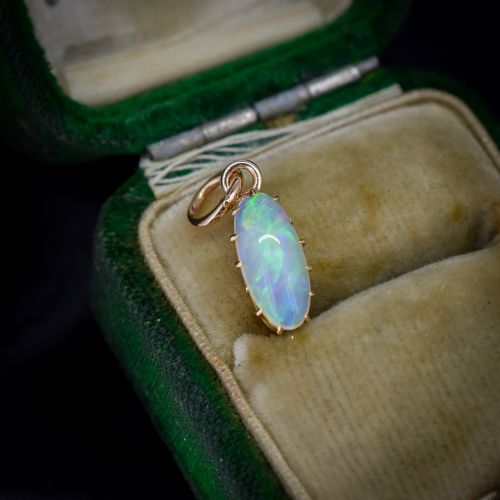
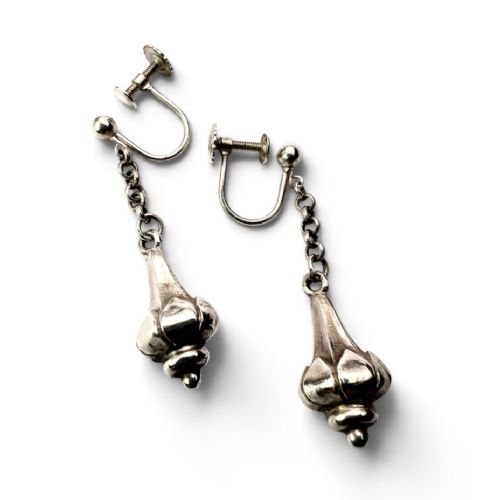
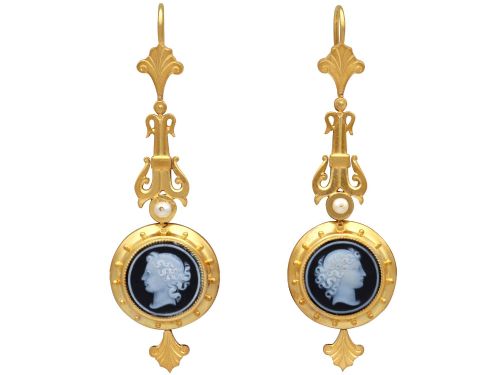
These a Victorian jewellery drop pieces bring swinging pendants, earrings and dangling charms from the nineteenth century into everyday wear.
Victorian Jewellery Drop
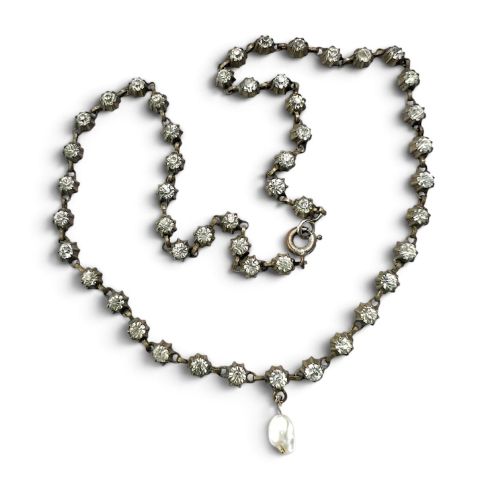
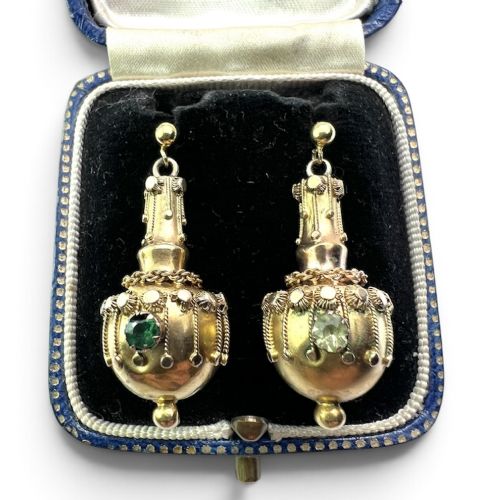
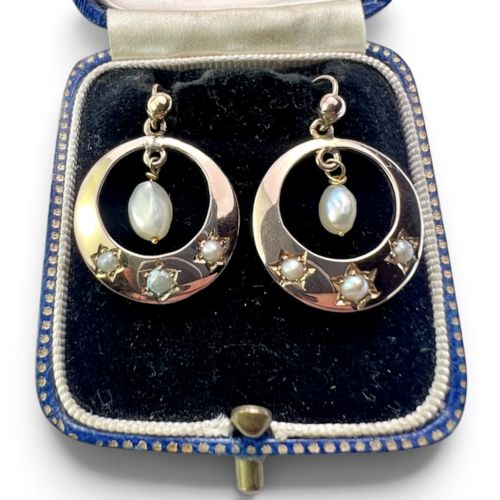
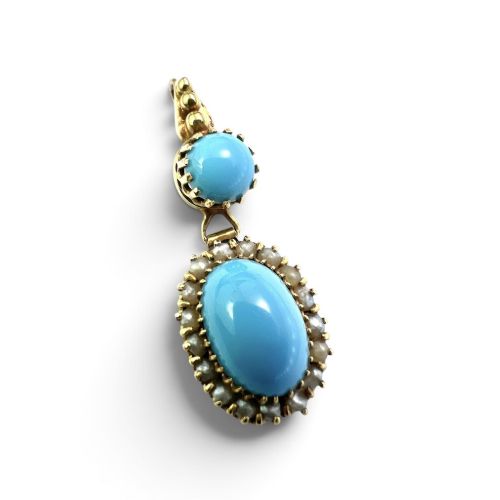
A Victorian jewellery drop selection encompasses dangling earrings, swinging pendants and suspended charms spanning the nineteenth century and subsequent revival periods. Buyers seeking this phrase typically discover gold and silver items featuring swinging pearls, paste stones or colourful gems.
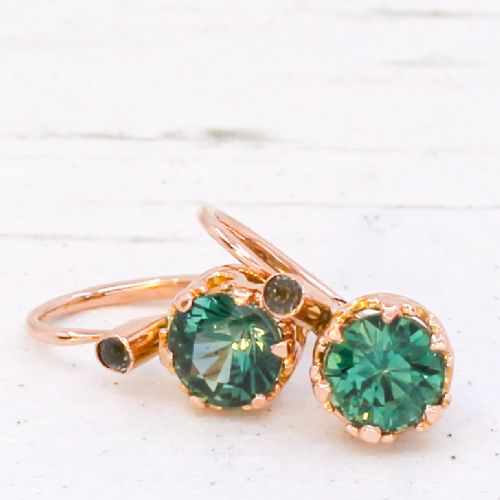
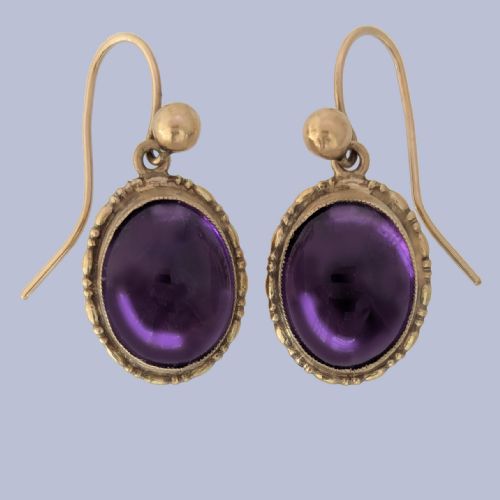
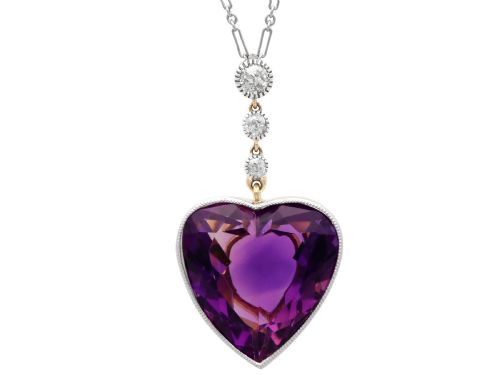
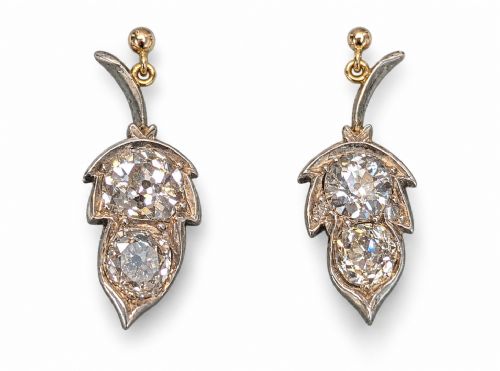
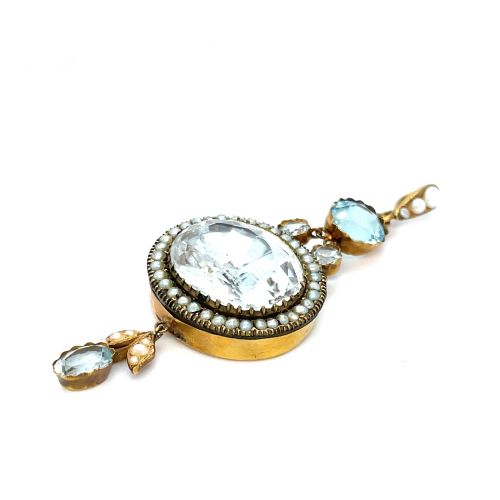
The objects take forms such as earrings, pendant necklaces and dangling chain drops originating from Victorian, Edwardian and nineteenth century workshops. Most pieces showcase hanging design elements that move with the wearer, including teardrops, amphoras and tassels.
How They Were Made
Makers utilised precious metals including silver, sterling silver, nine carat and fifteen carat gold to construct secure settings for hanging stones. Components were often hand-fabricated or cast to support dangling elements without risking structural integrity.
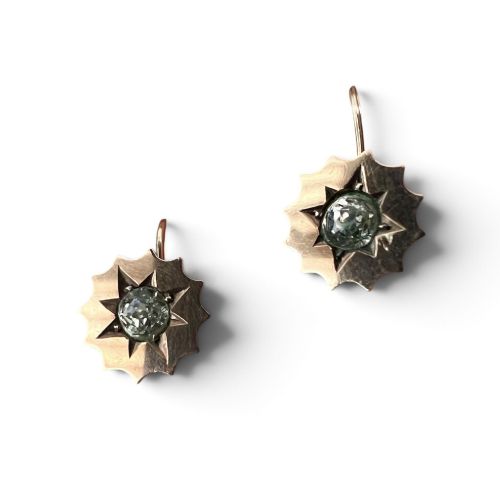
Gemstones and organic materials like natural pearl, seed pearl, turquoise, amethyst and paste were carefully mounted using collet settings, foil backs or star-settings. Artisans incorporated articulated joints and fine wirework to allow natural movement in the suspended components.
What Varies in Quality
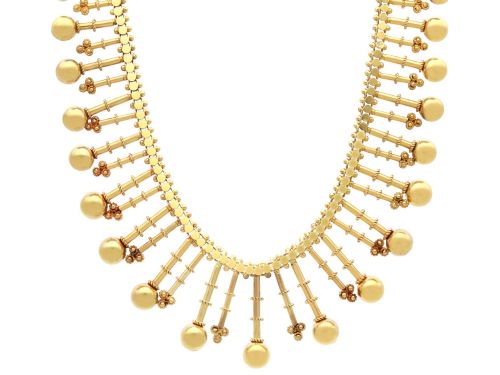
The fineness of the metalwork and the complexity of the design separate standard items from superior examples. Master craftspeople achieved intricate detailing in styles like Etruscan Revival or Holbeinesque work, whereas simpler productions relied on basic stamped components.
The selection and matching of stones dictate overall refinement, with well-matched natural pearls, clean amethysts and bright old cut diamonds elevating a piece. Settings that securely integrate delicate drops without stiffness reflect superior historical workmanship.
Knoll and Pregizer
The Victorian Jewellery Drop Glossary
- Paste
- Hand-cut glass used as a gemstone substitute in historical jewellery. It was faceted and polished to mimic genuine gems.
- Old cut
- A diamond cutting style prevalent before modern brilliant cuts were standardised. These stones feature smaller tables and larger culets.
- Collet
- A band of metal that holds a gemstone in place by folding over the girdle. This traditional mounting technique keeps stones secure.
- Holbeinesque
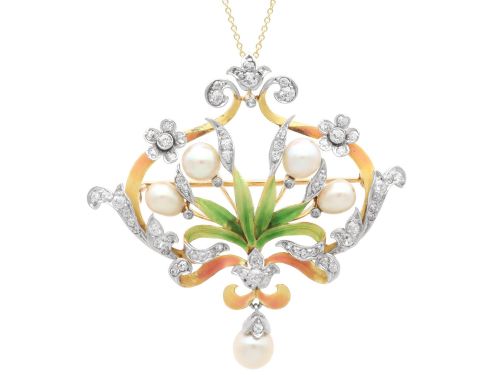
- A revival style inspired by sixteenth-century Renaissance court jewellery. Pieces in this manner typically display enamelling and dangling pearls.
- Negligee necklace
- A pendant design featuring two unequal drops suspended from a central chain. It became particularly popular during the Edwardian era.
Victorian Jewellery Drop: Frequently Asked Questions
What is a drop in antique jewellery?
A drop refers to any decorative element that hangs or swings below the main body of a piece. These suspended sections are common in nineteenth century earrings and necklaces.
They were designed to create movement and catch the light as the wearer moved.
How do I wear a drop pendant?
Drop pendants attach to chains or collars and sit centrally against the chest. They pair well with lower necklines that allow the hanging elements to move freely.
Historically, these pendants often formed part of matched suites or were worn on silk cords and silver chains.
What styles are common in these items?
Common aesthetics include classic Victorian ornamentation, Etruscan Revival wirework and later Edwardian or Art Nouveau motifs. Makers drew inspiration from classical antiquity and nature to shape these dangling jewels.
Revival styles often reinterpreted Renaissance or ancient Greek forms with contemporary nineteenth century flair.