



Victorian Jasperware
Victorian jasperware brings neoclassical relief decoration to nineteenth-century ceramics, biscuit barrels and desk sets.
Victorian Jasperware
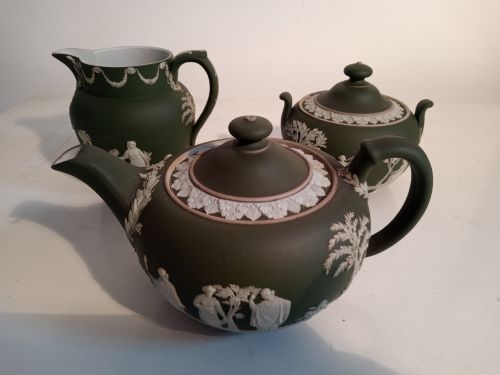
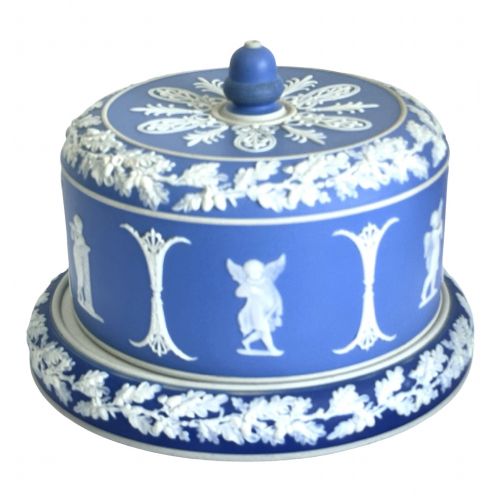
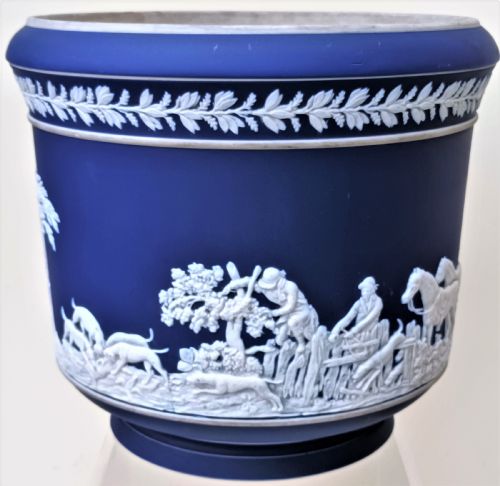
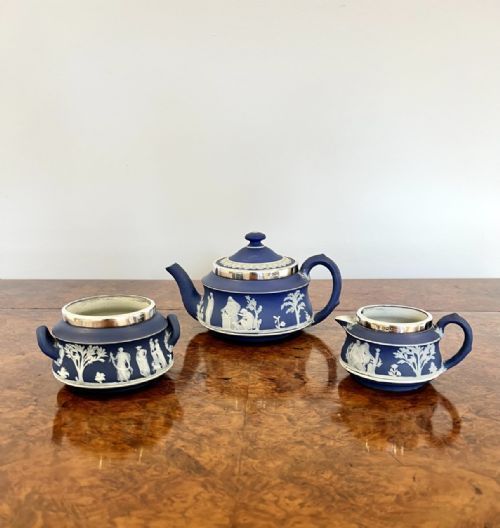
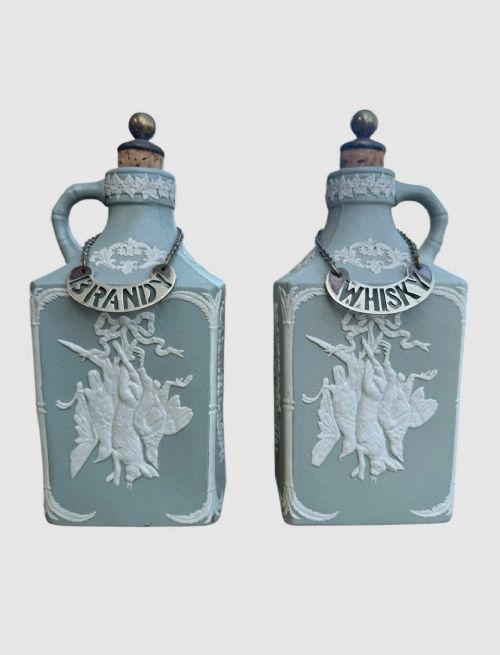
Victorian jasperware encompasses nineteenth-century stoneware and ceramic objects adorned with classical white bas-reliefs against coloured grounds. Buyers search for these pieces to acquire functional and decorative items such as biscuit barrels, tea sets, jardinieres and trinket boxes.
The version most commonly encountered on this page originates from the nineteenth century, spanning decades from the eighteen-sixties through the eighteen-nineties. These items often combine ceramic bodies with metal mounts, silver or brass details, and occasional fitted wooden boxes.
Objects range from small patch boxes and brooches to large cheese domes and campana urns. Production styles draw heavily upon neoclassical and revival designs popular during the Victorian era.
How they were made
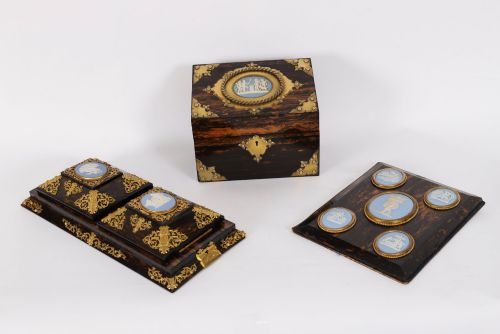
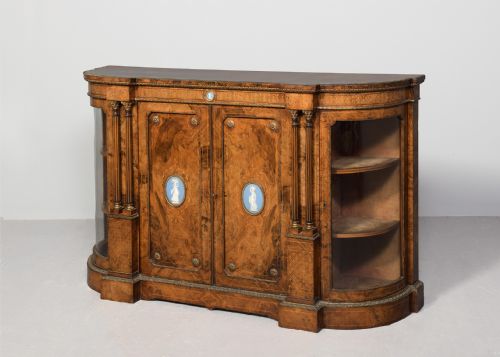
Makers utilised fine stoneware and ceramic bodies, often created as solid or dipped jasper, paired with moulded white clay reliefs applied by hand. Metal components such as silver mounts, ormolu, and brass were integrated into desk sets, biscuit barrels and jewellery boxes.
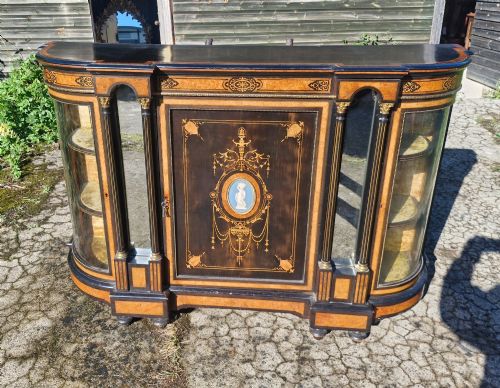
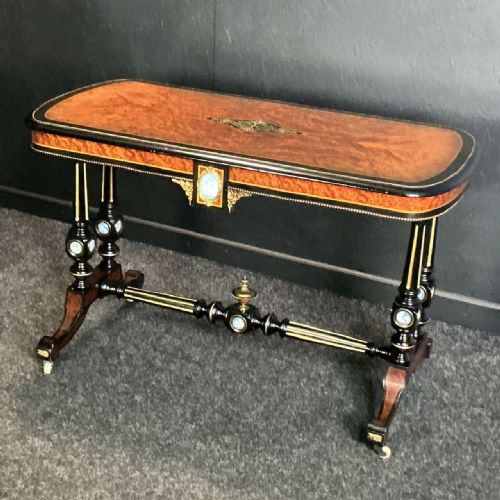
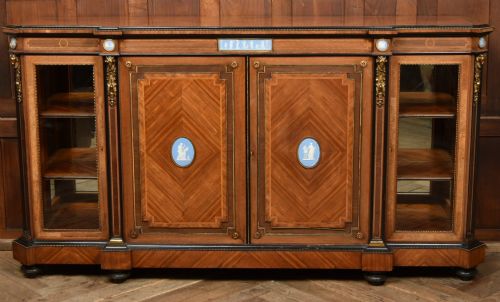
Support pieces and associated furniture utilise timbers such as coromandel, ebonised wood, rosewood, walnut and amboyna. These materials reflect nineteenth-century cabinet-making techniques applied to display furniture and writing boxes accompanying the ceramics.
Victorian Jasperware Retail Price Guide 2026
Typical asking prices for victorian jasperware among the pieces listed under this phrase on Sellingantiques today, from the lower quarter to the upper quarter. They describe what is for sale here now, not the wider market.
Listings feature nineteenth-century periods spanning the eighteen-sixties to the eighteen-nineties, alongside materials including jasperware, stoneware, ormolu, coromandel, and amboyna wood.
What varies in quality
Quality rests upon the crispness of the white bas-relief figures and the depth of colour in the underlying ceramic ground. Multicoloured pieces and complex forms such as campana urns or mounted desk sets demonstrate higher levels of manufacturing ambition.
Edwards and Jones·William Adams and Sons·James Dudson·Lamb of Manchester·Holland and Son
The Victorian Jasperware Glossary
- Jasperware
- A fine-grained, unglazed stoneware developed in the eighteenth century and continued through the Victorian period, known for its contrasting white reliefs.
- Bas-relief
- A sculptural technique where figures and ornaments project slightly from a flat background, forming the white classical scenes on these ceramics.
- Campana urn
- A bell-shaped vessel with a footed base, frequently produced in blue jasperware during the nineteenth century for decorative display.
- Coromandel
- A dense, heavily grained exotic timber utilised for nineteenth-century stationery caskets, desk sets and cabinets.
Victorian Jasperware: Frequently Asked Questions
How were biscuit barrels used?
Biscuit barrels served as lidded containers kept in dining rooms and parlours during the Victorian period. They held dry biscuits for tea service or evening hospitality.
Many examples combine ceramic bodies with silver-mounted hardware and hinged lids. They often formed part of larger tea service ensembles.
How do I date Victorian ceramics?
Dating relies on maker marks, stylistic shifts, and recorded production dates from nineteenth-century registries. Pieces often carry specific impressed factory stamps or registry marks from the eighteen-sixties through the eighteen-nineties.
The integration of specific revival styles and secondary materials like coromandel or ormolu mounts also helps place objects within the Victorian era.
Can I use a jasperware jardiniere for plants?
Jardinieres were designed to hold potted plants and floral displays in Victorian interiors. They provide a sturdy ceramic housing for greenery.
Care should be taken with moisture to protect the unglazed stoneware body and any applied white bas-reliefs from staining over time.