
Victorian Iron Garden Bench
A victorian iron garden bench brings enduring structure and botanical motifs to lawns and terraces alike.
Victorian Iron Garden Bench
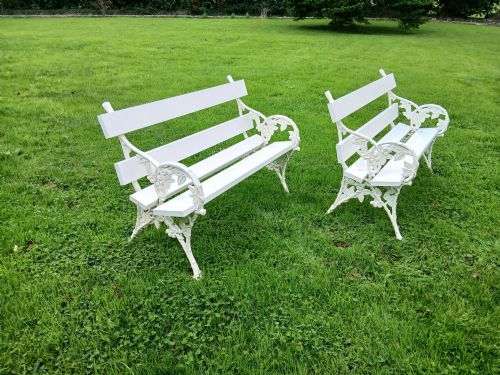
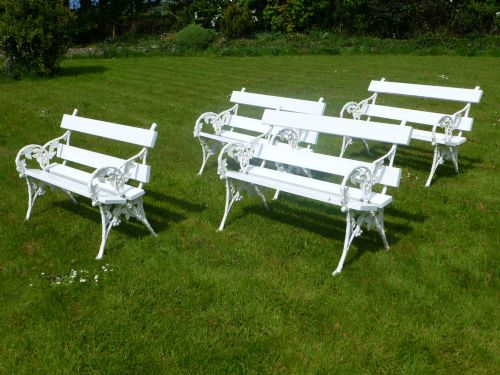
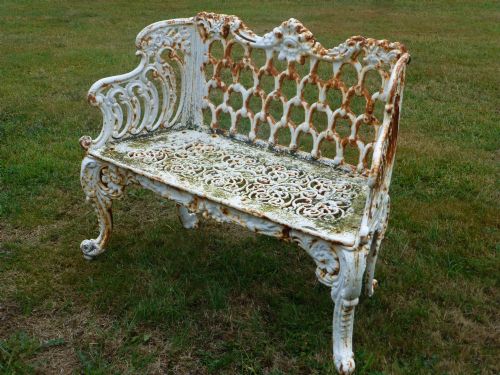
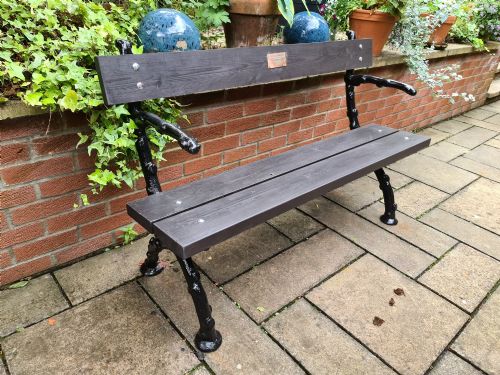
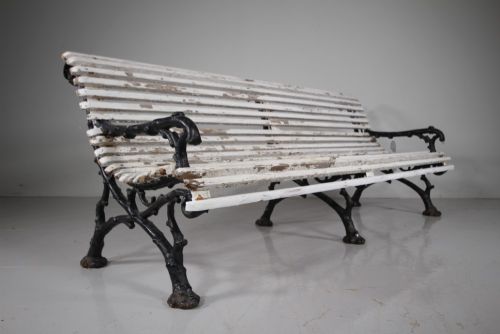
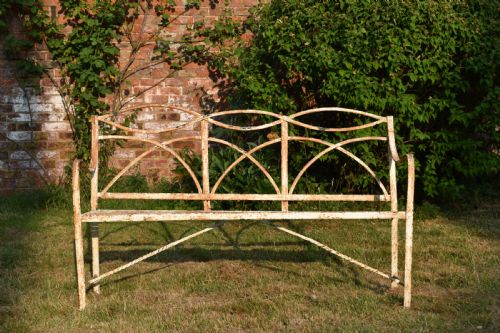
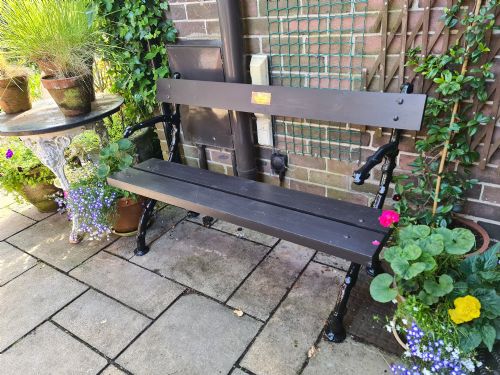
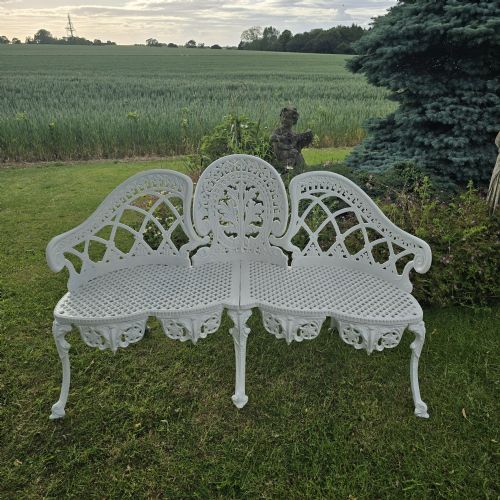
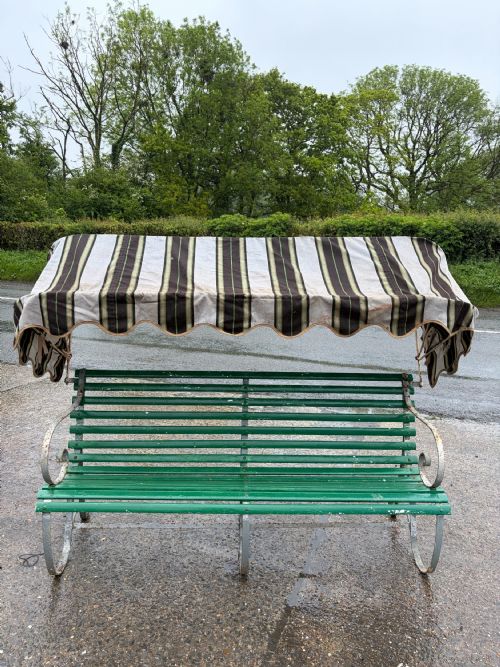
Buyers seeking a victorian iron garden bench encounter pieces shaped by nineteenth-century foundry techniques, ranging from elaborate botanical patterns to geometric strapwork. The most common survivals combine heavy cast-iron ends with slatted timber seats, alongside entirely metal framework.
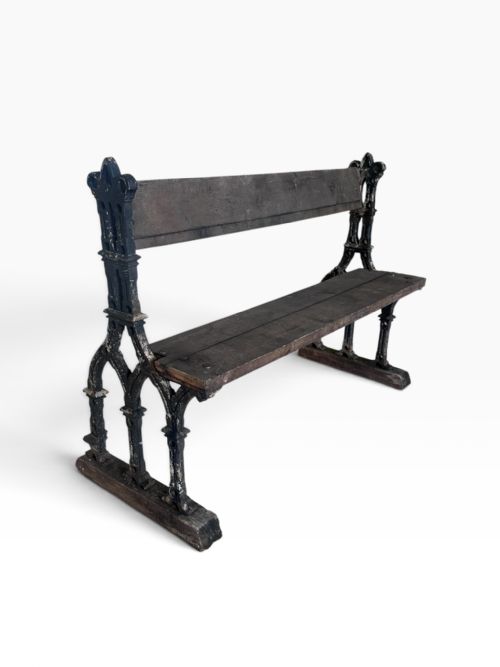
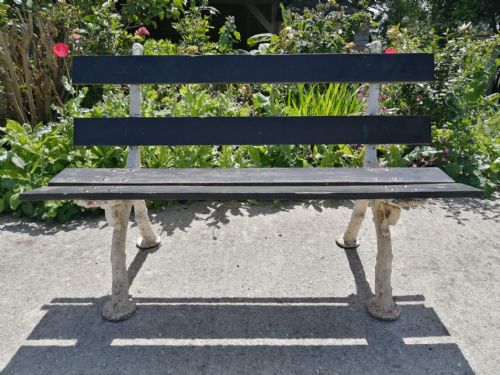
Designs span various regional iterations and foundry patterns, with many pieces displaying the heavy influence of the Gothic revival or rustic branches and foliage. These seats served utilitarian roles in railway stations, parks, and private grounds, shaping how they survived decades of outdoor exposure.
Foundry methods and materials
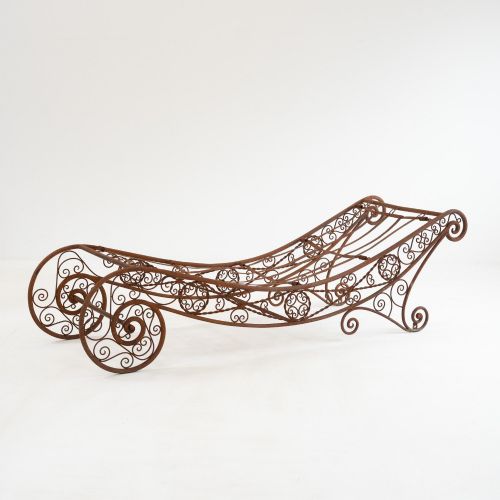
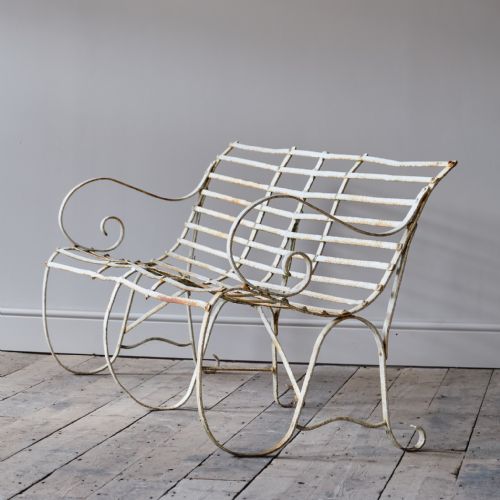
Foundries utilised cast iron for intricate backrests and supports, pouring molten metal into sand moulds to achieve high-relief depictions of leaves, branches, and serpentine forms. Wrought iron appears alongside cast elements, formed by blacksmiths into structural strapwork and supportive frames.
Timber slats in oak, teak, or painted wood were secured to iron frames using bolts, providing a resilient seating surface designed to withstand weather. Applied paint finishes historically protected the metal surfaces from oxidation, though many surviving pieces show layered remnants of later maintenance.
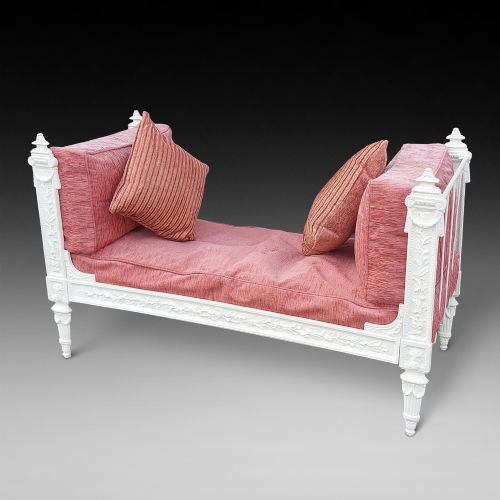
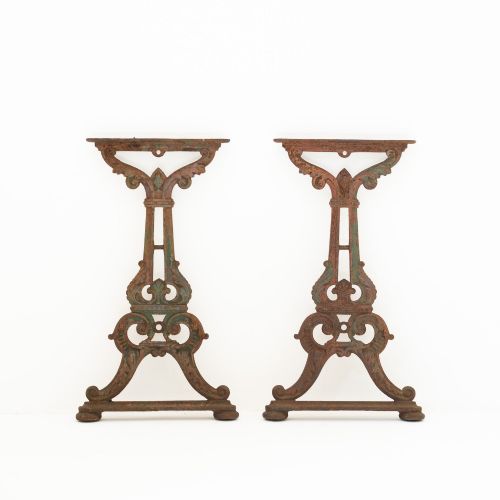
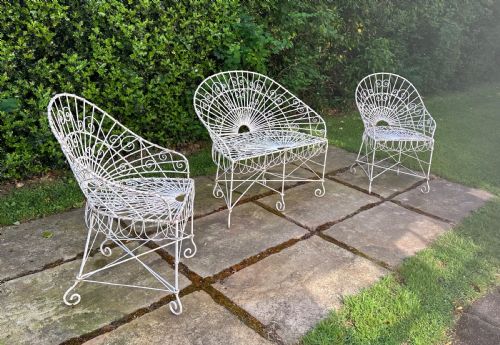
Object types include garden benches, daybeds, table bases, and matching sets featuring Gothic, rustic, and strapwork styles.
Assessing quality and craftsmanship
The distinction between standard utility seating and exceptional pieces rests in the crispness of the foundry casting and the depth of the decorative relief. Well-executed designs retain sharp botanical details in the ironwork without the pitting or blurring often found in secondary copies.
Structural integrity depends on the original gauge of the metal and whether the decorative elements remain free from extensive fractures or poor structural repairs. Complete sets retaining their matching cast-iron ends and original configuration command greater interest among collectors.
Falkirk Carron Foundry·Coalbrookdale·Val D'osne·John Finch·Phoenix Foundry
The Victorian Iron Garden Bench Glossary
- Cast iron
- Molten metal poured into a mould to create rigid, highly detailed decorative components. This technique allowed Victorian foundries to mass-produce complex botanical patterns for garden furniture.
- Wrought iron
- Iron heated and worked by hand with a hammer and anvil to produce tough, flexible structural elements. It is easily identified by its fibrous grain and linear strapwork designs.
- Strapwork
- Flat bands of metal arranged in geometric patterns across the backrest or seat base. This style provides structural rigidity while maintaining a light, open appearance.
- Faux bois
- A decorative style mimicking natural wood grain, often cast directly into the iron to resemble rustic branches or twigs. It reflects the Victorian fascination with naturalism in garden design.
- Bench ends
- The heavy cast-iron side supports that form the structural arms and legs of a garden seat. They frequently bear registration marks or foundry names on the inner surface.
Victorian Iron Garden Bench: Frequently Asked Questions
Can I leave my iron bench outside year round?
Cast and wrought iron withstand outdoor elements well, though freezing water trapped in crevices can risk the metal over time. Regular inspection of the protective paint layer prevents active oxidation during wet winter months.
Wooden slats require periodic maintenance and appropriate sealing if the bench remains exposed to constant rain. Many owners prefer storing wooden components under cover during severe weather to preserve the original material.
How do I identify a foundry mark?
Foundry names and registration numbers typically appear cast into the interior of the iron bench ends or beneath the seat frame. These marks require careful cleaning of accumulated paint layers to read clearly.
Matching the pattern design against known catalogue records helps attribute unmarked pieces to specific nineteenth-century makers. Stylistic details such as bolt placements and relief depth offer further clues to origin.
What is the difference between cast and wrought iron?
Cast iron is rigid and brittle, formed by pouring liquid metal into moulds to create complex, high-relief decorative patterns. It provides the heavy backrests and ornate frames seen on most park seats.
Wrought iron is fibrous and malleable, shaped by hammering while hot to create strong, linear strapwork. Pieces often combine both materials, using cast iron for decoration and wrought iron for structural support.
How do I care for original painted finishes?
Original painted surfaces require gentle cleaning with mild soap and water rather than harsh chemical strippers or abrasive pads. Preserving underlying paint layers maintains the historical character and patina of the metal.
If active rusting occurs, spot treatment with a rust converter protects the surrounding sound material without stripping the entire finish. Wax or specialised coatings can further seal the aged surface against moisture.