

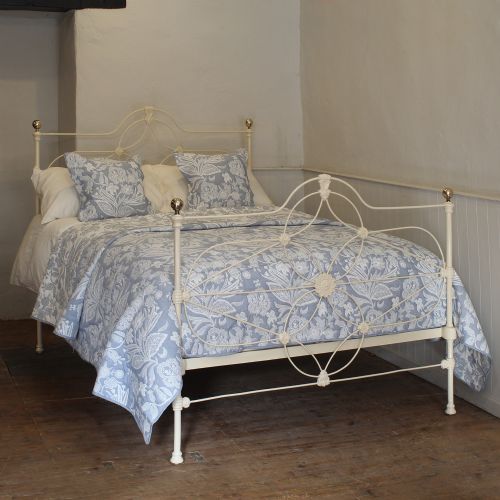
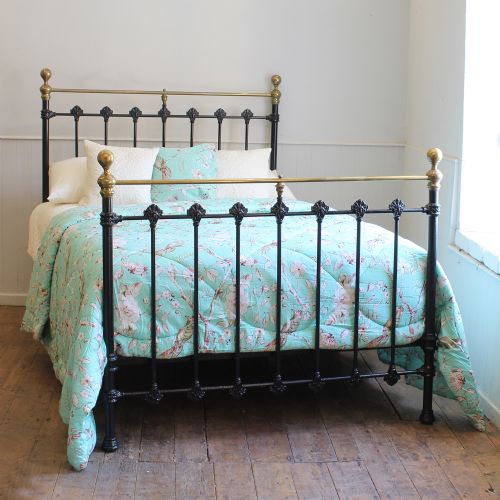
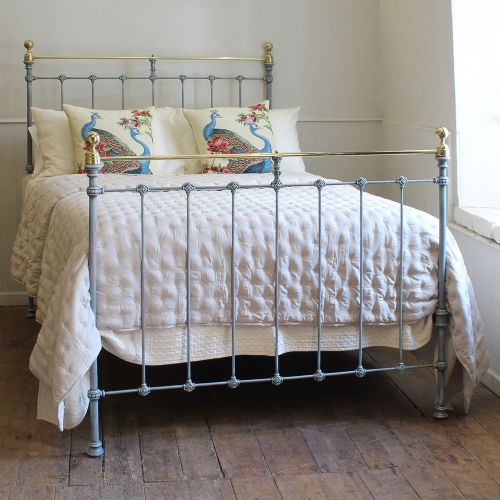
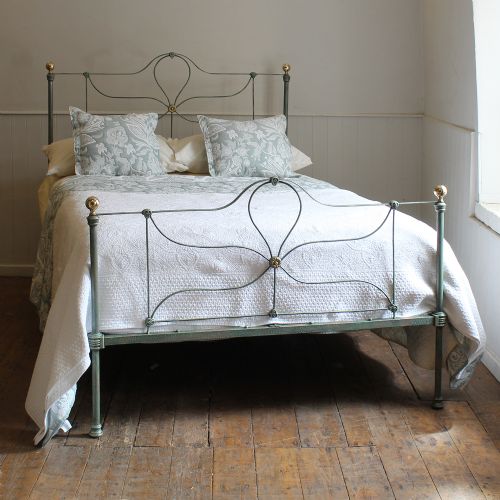
Victorian Iron Double Bed
A victorian iron double bed brings solid nineteenth-century weight and decorative metalwork into a modern bedroom.
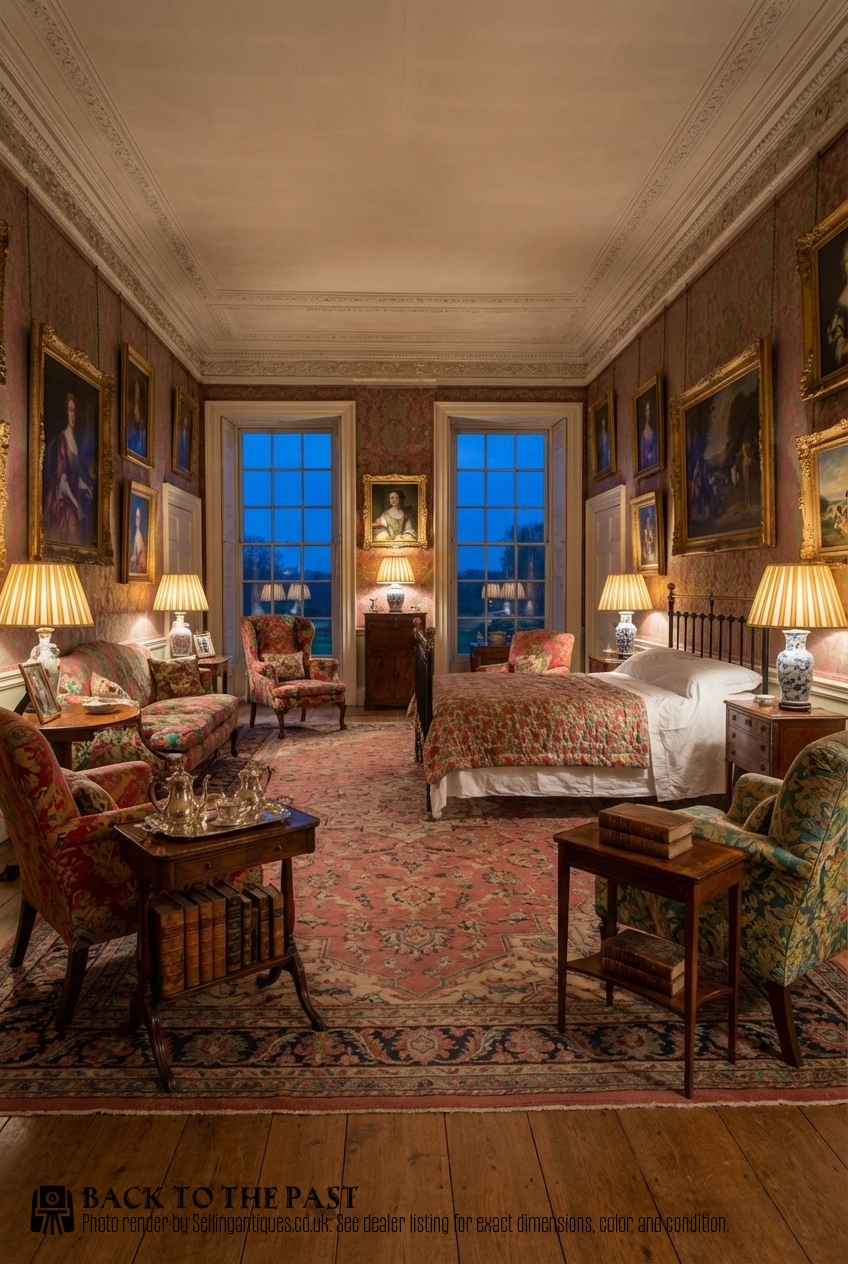
Victorian Iron Double Bed
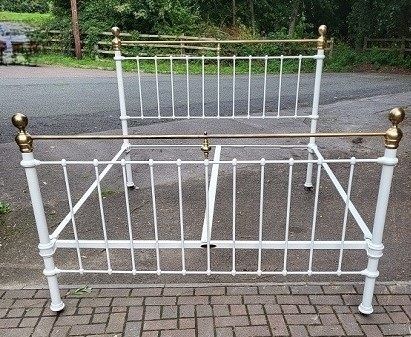
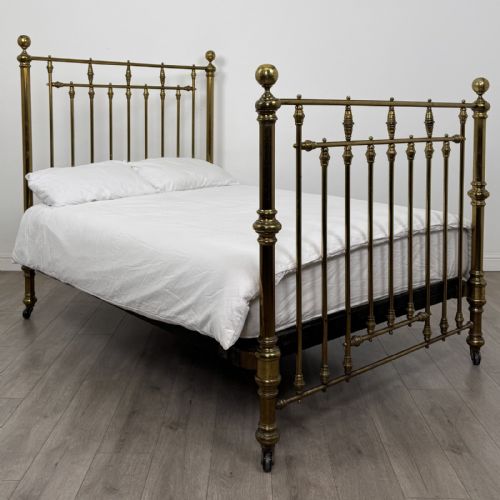
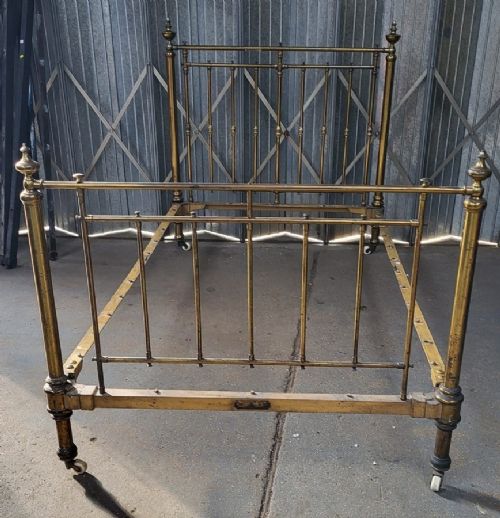
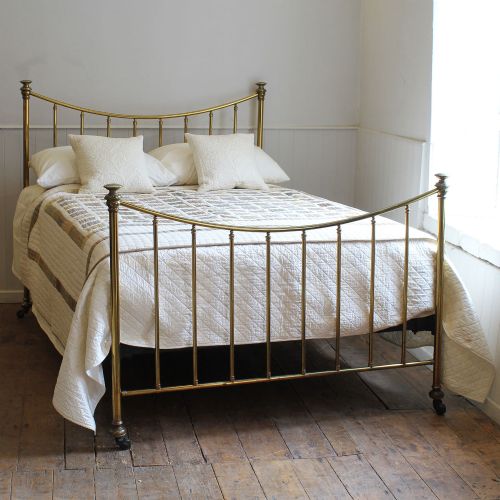
A victorian iron double bed is a sturdy nineteenth-century sleeping frame constructed for domestic use. The pieces appearing here span from the mid-nineteenth century into the early twentieth century, incorporating later styles alongside core Victorian examples.
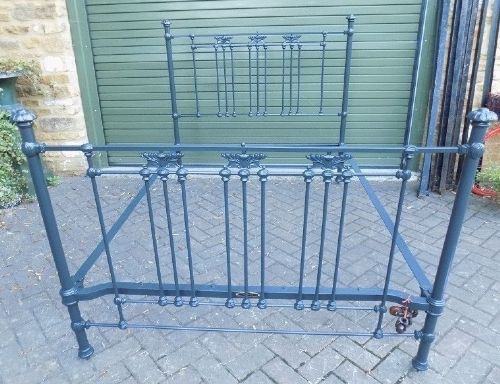
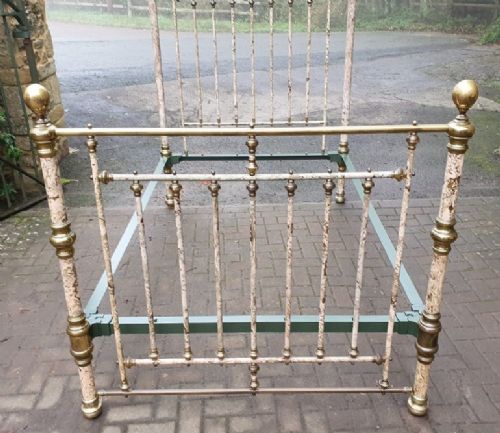
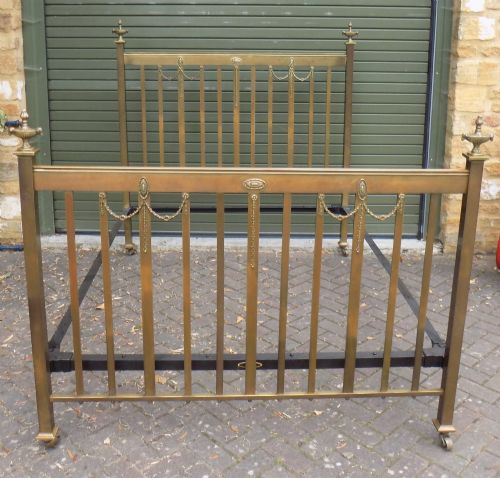
Most entries combine iron frameworks with polished brass components, though examples rendered entirely in cast iron or wrought iron also appear frequently. These frames generally accommodate standard double mattress sizes, alongside occasional small double or king size variants.
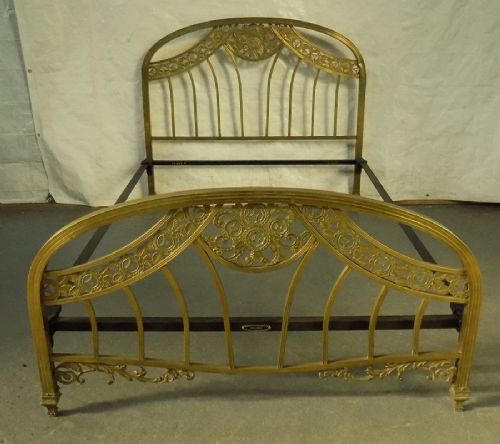
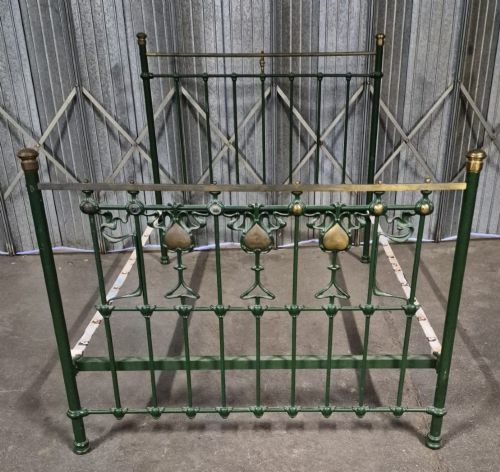
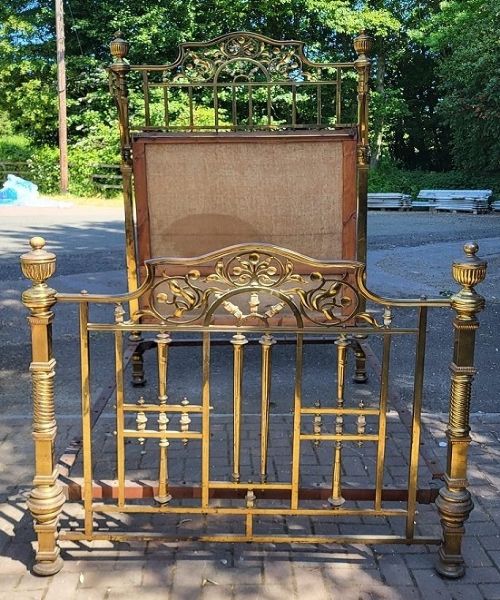
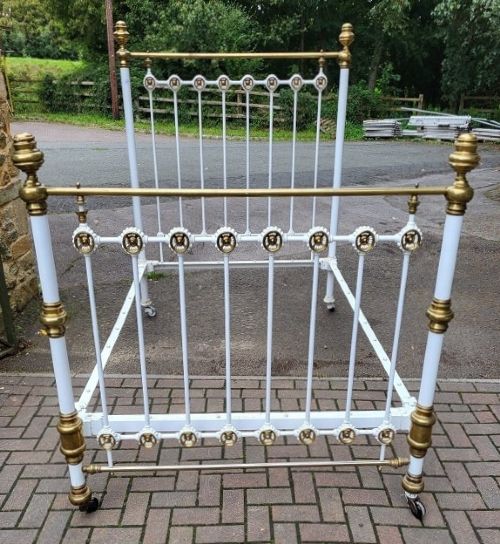
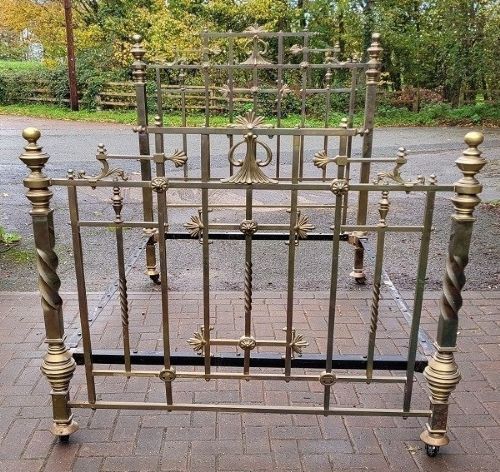
The aesthetic ranges from plain industrial all-iron rails to ornate frames decorated with brass details, ceramic elements, or mother of pearl inlay. French, Celtic, and Art Nouveau design influences frequently shape the decorative metalwork of these headboards and footboards.
How they were made
Makers utilised cast iron and forged wrought iron for the structural load-bearing sections, shaping the metal through casting and hammering. Brass tubing and sheet brass were applied for decorative finials, corner posts, and top rails.
Surface finishes included original paint, ebonised coatings, and applied patinas to protect the metal and provide colour. Components were joined with specialised iron slot-in frames and secured with threaded brass or iron fixings.
Victorian Iron Double Bed Retail Price Guide 2026
Typical asking prices for victorian iron double bed among the pieces listed under this phrase on Sellingantiques today, from the lower quarter to the upper quarter. They describe what is for sale here now, not the wider market.
French and Celtic design influences appear across multiple nineteenth-century iron bed frames.
What varies in quality
Quality rests in the precision of the metal casting and the complexity of the decorative elements. Simpler frames rely on plain straight rails, whilst finer examples display intricate curly scrollwork, half tester canopies, or detailed brass castings.
The integrity of the original joints and the survival of factory surfaces dictate the desirability of a piece. Examples retaining original paintwork or stamped maker details stand apart from heavily restored alternatives.
Winfield·Maple and Co.
The Victorian Iron Double Bed Glossary
- Bedstead
- The complete structural framework of a bed, including headboard, footboard, and side rails. This term is frequently used interchangeably with bed frame in nineteenth-century listings.
- Half Tester
- A partial canopy projecting from the headboard over the upper portion of the bed. This style provides architectural presence without enclosing the entire sleeping space.
- Cast Iron
- Molten iron poured into a mould to create rigid structural or decorative components. It allows for detailed relief work on headboards and footboards.
- Wrought Iron
- Iron heated and hammered into shape by hand, resulting in a fibrous material suited for structural durability. It forms the resilient core of many traditional frames.
- Upstand
- The vertical metal projection rising above the main horizontal rail of a headboard or footboard. This detail often incorporates decorative brass finials or scrollwork.
Victorian Iron Double Bed: Frequently Asked Questions
Will a modern mattress fit these beds?
Most frames built to nineteenth-century dimensions accommodate standard modern mattress sizes, though exact historical widths can vary slightly. It is wise to check the internal rail measurements before sourcing a contemporary mattress.
Supporting slats or modern base bases can be easily fitted within the original side irons to provide the correct foundation for daily sleeping use.
How do I assemble these metal beds?
These frames typically rely on a straightforward wedge-lock or slot-in system where the side rails drop directly into slots on the headboard and footboard posts. Gravity and the weight of the mattress lock the components firmly into place without requiring complex tools.
Applying a light lubricant to the metal joints prior to assembly can help historical fixings slide together smoothly and protect the original surfaces.
How do I clean and maintain iron and brass?
Regular dusting with a dry microfibre cloth removes everyday particles from intricate scrollwork and decorative brass finials. Avoid harsh chemical cleaners that can strip original painted finishes or vintage surface patinas.
Unlacquered brass components can be gently polished with a mild metal cleaner if a brighter finish is desired, or left to age naturally over time.
Are these frames sturdy enough for daily use?
The combination of heavy cast iron and robust wrought iron creates a rigid structure well-suited to supporting modern daily sleeping requirements. The weight of the metal prevents the wobbling often associated with lighter modern frames.
Periodic checks to ensure the side irons remain securely seated in the corner brackets will keep the bed stable and prevent long-term wear.