



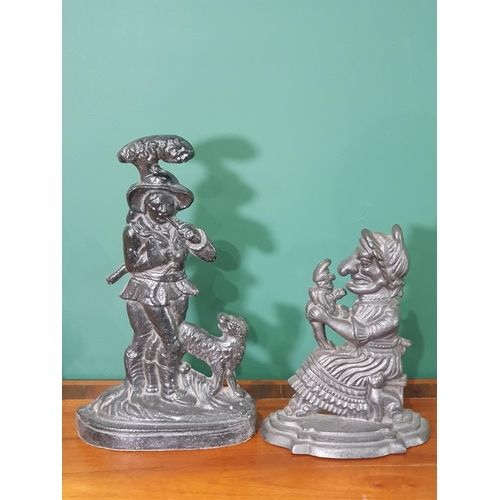

Victorian Iron Door Weight
These robust victorian iron door weight pieces keep heavy halls open with figural charm.
Victorian Iron Door Weight
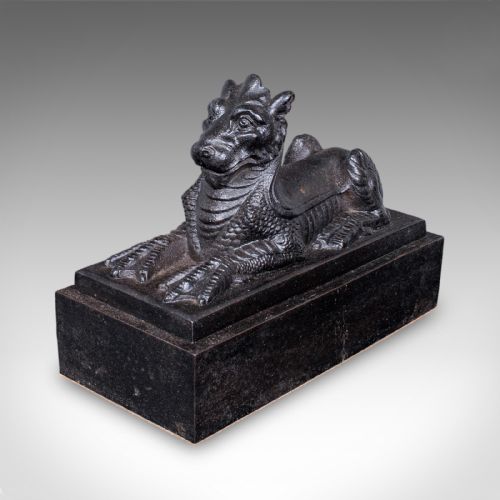
A victorian iron door weight, also known as a doorstop or door porter, serves the practical purpose of holding interior doors open against drafts. The examples seen here span the Victorian era, late Victorian period, and even stretch back into Georgian origins.
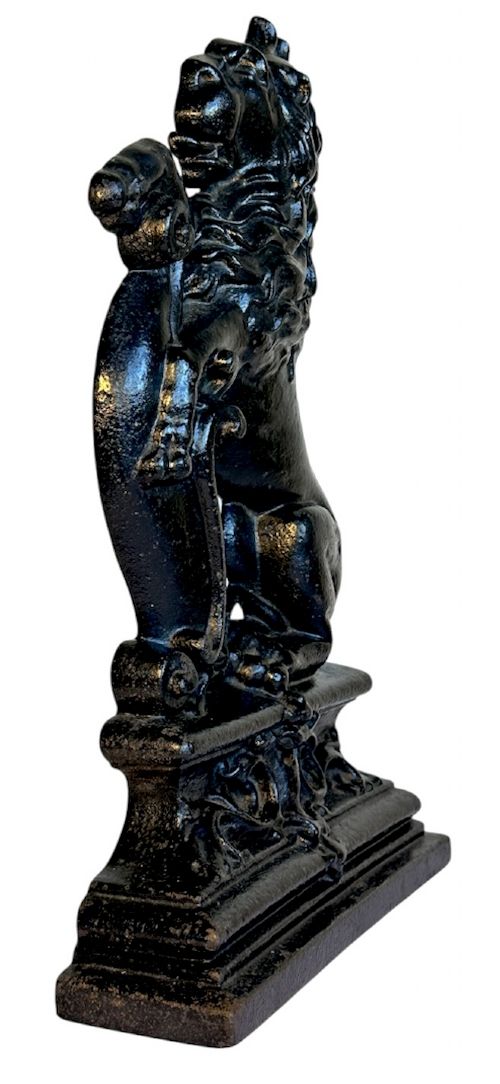
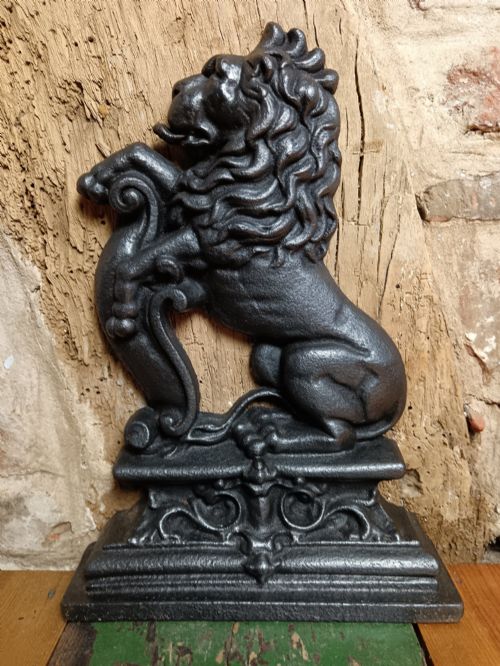
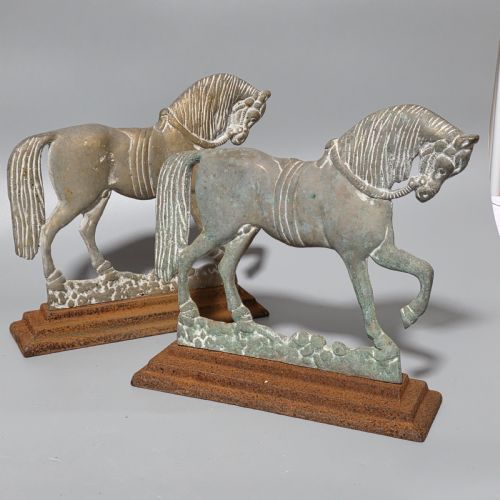
Most pieces take recognizable figural forms, including rampant lions, guardian lions, dolphins, horses, spaniels, elephants, knights, and figures such as Lord Nelson and Mr Punch. These items bring both utility and domestic character to hallway spaces.
How they were made
Foundry workers utilised cast iron to give these heavy objects their substantial weight and durability. Molten metal poured into sand moulds captured fine details of animals, heraldic beasts, and human figures.
Many items incorporate secondary materials such as brass fittings and remnants of early paint finishes. These additions provided contrast and colour to the utilitarian iron body.
A cast iron Mr Punch stands ready on the floor, forever poised to keep your study door from slamming.
What varies in quality
Quality rests in the sharpness of the casting and the crispness of the modelled form. Pieces that retain their original painted surfaces display superior visual depth compared to stripped examples.
Scale and subject matter also distinguish finer items. Large figures, detailed heraldic beasts, and recognizable historical or literary characters demand greater foundry skill than plain utility shapes.
The Victorian Iron Door Weight Glossary
- Door porter
- A heavy portable weight designed specifically to keep interior doors from swinging shut. These items often feature an integrated handle at the top for lifting.
- Rampant
- A heraldic term describing an animal posed standing on its hind legs with forepaws raised. This stance appears frequently on lion doorstops from the period.
- Foundry
- A workshop or factory where metal is melted and poured into moulds to create shaped objects. Cast iron pieces originated from industrial or specialised regional foundries.
- Patina
- The surface appearance acquired by materials through age, handling, and wear. Original painted finishes develop a distinct texture over decades of domestic use.
Victorian Iron Door Weight: Frequently Asked Questions
How heavy are these doorstops?
These pieces possess substantial weight to hold heavy wooden doors securely in place.
Their mass comes from solid cast iron construction designed for daily household utility.
Where were they placed?
Owners positioned them on the floor directly inside heavy interior doorways.
They stood ready to catch swinging doors in busy hallways and grand rooms.
Are the painted finishes original?
Some pieces retain remnants of early polychrome paint applied in the foundry or workshop.
Other examples have weathered down to bare iron through decades of cleaning and use.
How do I identify a Victorian piece?
Victorian examples display characteristic casting techniques, heavy iron composition, and subjects popular in the nineteenth century.
Common motifs include heraldic lions, literary figures like Mr Punch, and patriotic subjects.