


Victorian Inlaid Compactum
A victorian inlaid compactum brings generous scale and thoughtful internal planning to the bedroom, offering fitted hanging space and drawers within a single piece of furniture.
Victorian Inlaid Compactum
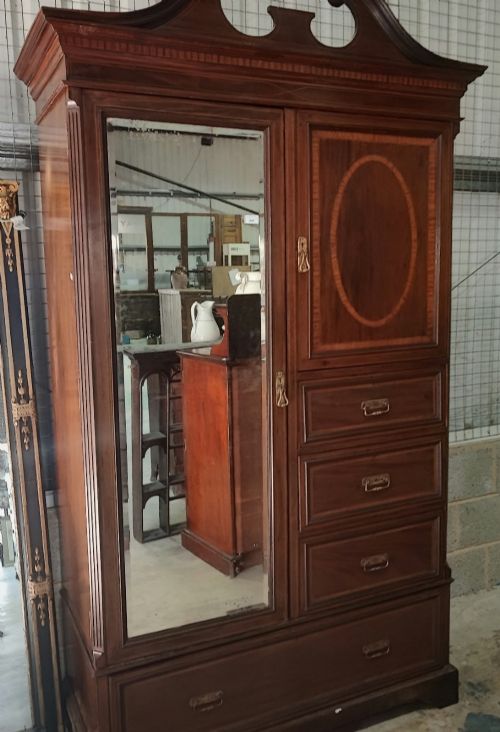
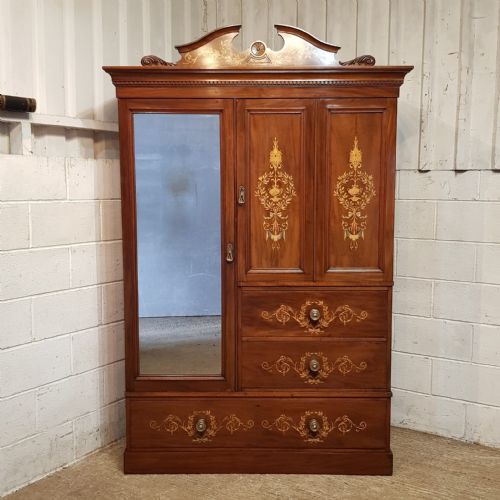
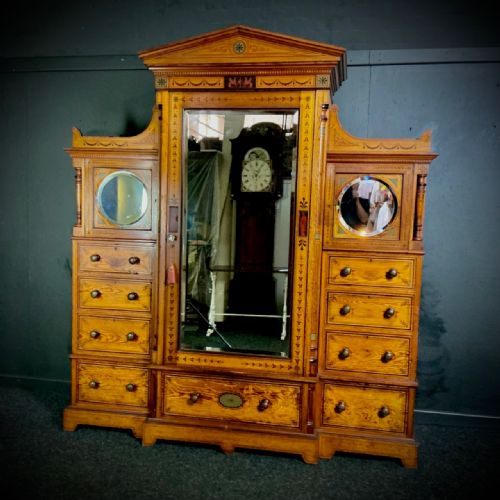
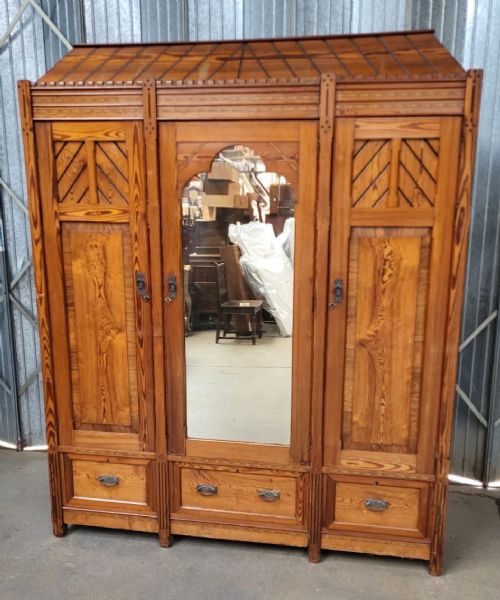
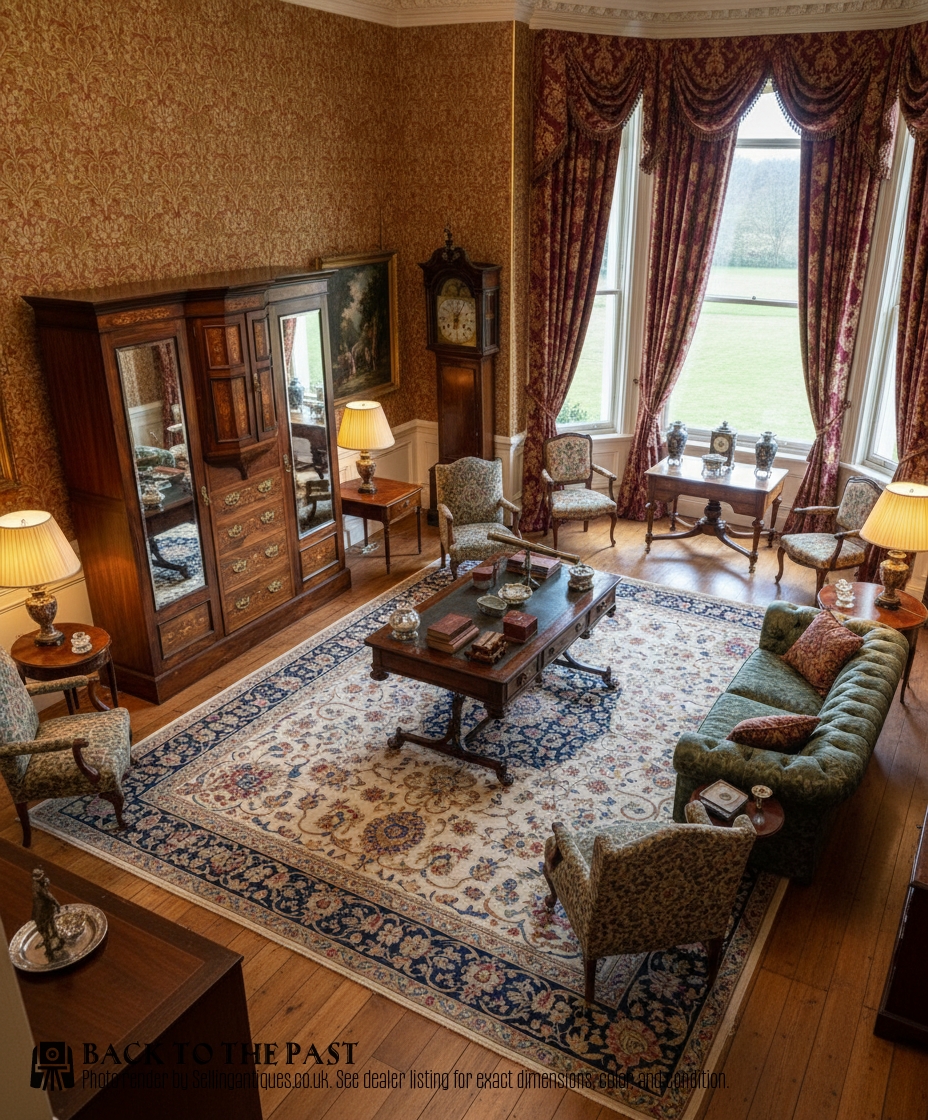
A victorian inlaid compactum combines the functions of a wardrobe and a set of drawers into one substantial architectural form, typically encountered in nineteenth-century bedroom settings. These pieces originate primarily from the Victorian and late Victorian eras, alongside related expressions in Arts and Crafts and Sheraton Revival styles.
Makers and workshops of the period utilised generous proportions to display decorative timbers, often structuring the facade with distinct sections for hanging, shelving, and internal drawer arrangements. This configuration represents the height of domestic convenience for the period household.
How they were made
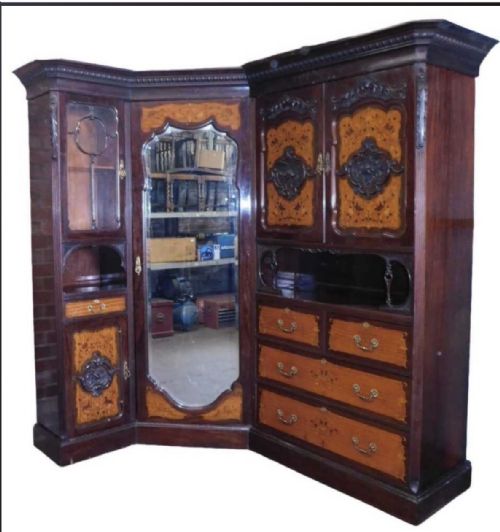
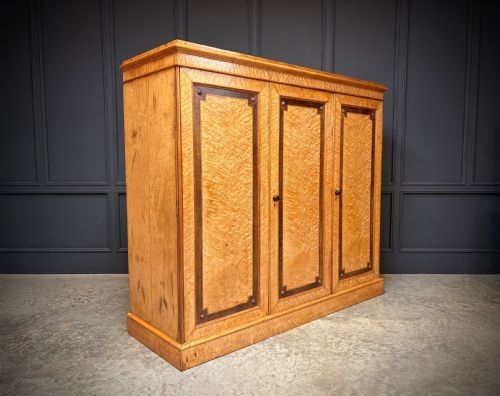
Carpenters constructed the primary carcase using solid woods such as mahogany, walnut, pitch pine, oak, and ash, providing a robust structural foundation. Selected surfaces then received fine veneers of rosewood, birds eye maple, and satinwood to create rich grain patterns across the front.
Craftsmen enriched these timber surfaces with satinwood inlay and marquetry detailing, often applying delicate floral or classical motifs within contrasting borders. Brass hardware and glass elements completed the construction, securing doors and internal compartments while adding functional detail.
The listings show nineteenth-century wardrobes executed in mahogany, rosewood, walnut, and pitch pine, frequently featuring satinwood inlay.
What varies in quality
The distinction between standard production and exceptional work rests on the ambition of the timber selection and the crispness of the marquetry. Superior examples employ highly figured veneers like birds eye maple or richly grained rosewood matched across the doors, paired with intricate satinwood inlay.
Structural complexity also defines the upper tier, where breakfront forms, fitted internal drawers, and integrated mirror glass demonstrate greater ambition from the workshop. Attributed pieces bearing documented maker marks elevate the standing of the furniture further through recorded provenance.
Edwards and Roberts·Gillows of Lancaster
The Victorian Inlaid Compactum Glossary
- Compactum
- A multi-functional wardrobe combining hanging space, shelving, and internal drawers within a single unified piece of furniture. This configuration gained popularity in the nineteenth century for efficient bedroom storage.
- Marquetry
- The art of forming decorative patterns by fitting together small pieces of veneer of different colours and grains. Craftsmen applied this technique to panel doors and friezes.
- Breakfront
- A cabinet design where the central section projects forward from the flanking wings. This architectural arrangement creates depth and shadow across the facade.
- Satinwood
- A durable, lustrous yellowish timber native to India and Ceylon, frequently used for contrasting stringing and detailed inlay work. Its reflective surface brightens darker cabinet woods.
- Sheraton Revival
- A late nineteenth-century design movement inspired by eighteenth-century neoclassical furniture forms. Pieces in this style typically feature restrained inlay and elegant proportions.
Victorian Inlaid Compactum: Frequently Asked Questions
What is a compactum wardrobe?
A compactum is a large bedroom cabinet that integrates hanging space, shelving, and internal drawers into one piece. This design provides comprehensive storage within a single footprint.
Such configurations allowed Victorian households to keep garments, linen, and accessories organised without needing separate chests of drawers and wardrobes.
How do I care for inlaid wood?
Inlaid surfaces require stable room temperatures away from direct sunlight and heat sources to prevent the delicate veneers from lifting or drying out. Gentle dusting with a soft cloth maintains the finish.
Avoid excessive polishing and moisture, as natural waxes applied sparingly will preserve the contrast between the base timber and the lighter inlay details.
Are these wardrobes easy to move?
Many large nineteenth-century examples were constructed as sectional pieces or dismantle into component parts to allow for transport up staircases and through doorways. Professional assembly is often recommended for multi-part items.
Checking the stability of the breakfront carcase and ensuring doors hang true after relocation helps maintain the structural integrity of the piece.
What woods were used?
Cabinet makers built the main carcase using sturdy timbers like mahogany, walnut, oak, pitch pine, and ash. These woods provided the necessary strength for tall wardrobe doors.
Decorative surfaces relied on contrasting veneers such as satinwood, rosewood, and birds eye maple, enriched with marquetry and inlaid details.