
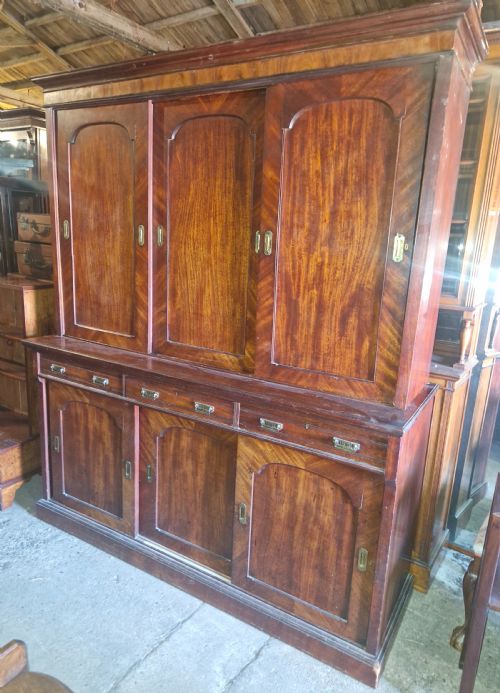
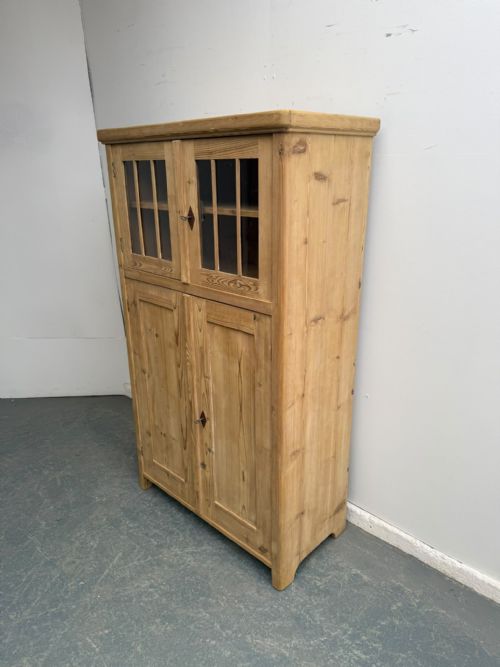
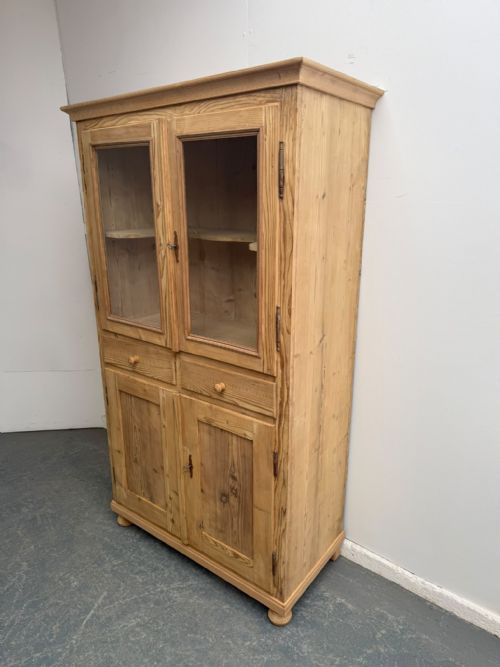
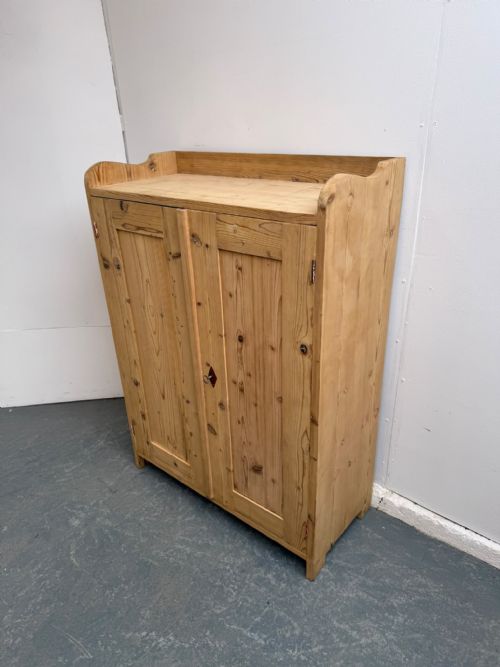
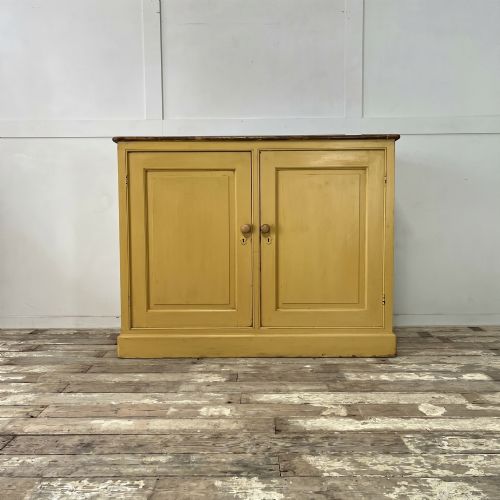
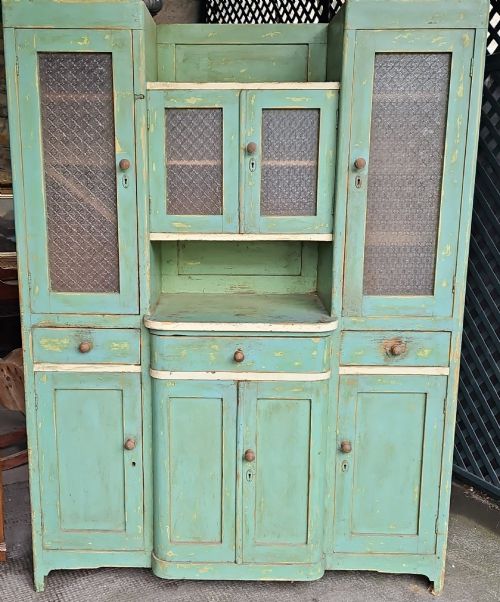


Victorian Housekeeper Dresser
A victorian housekeeper dresser brings robust utilitarian timber storage into a modern kitchen, offering deep cupboards and broad surfaces for daily use.
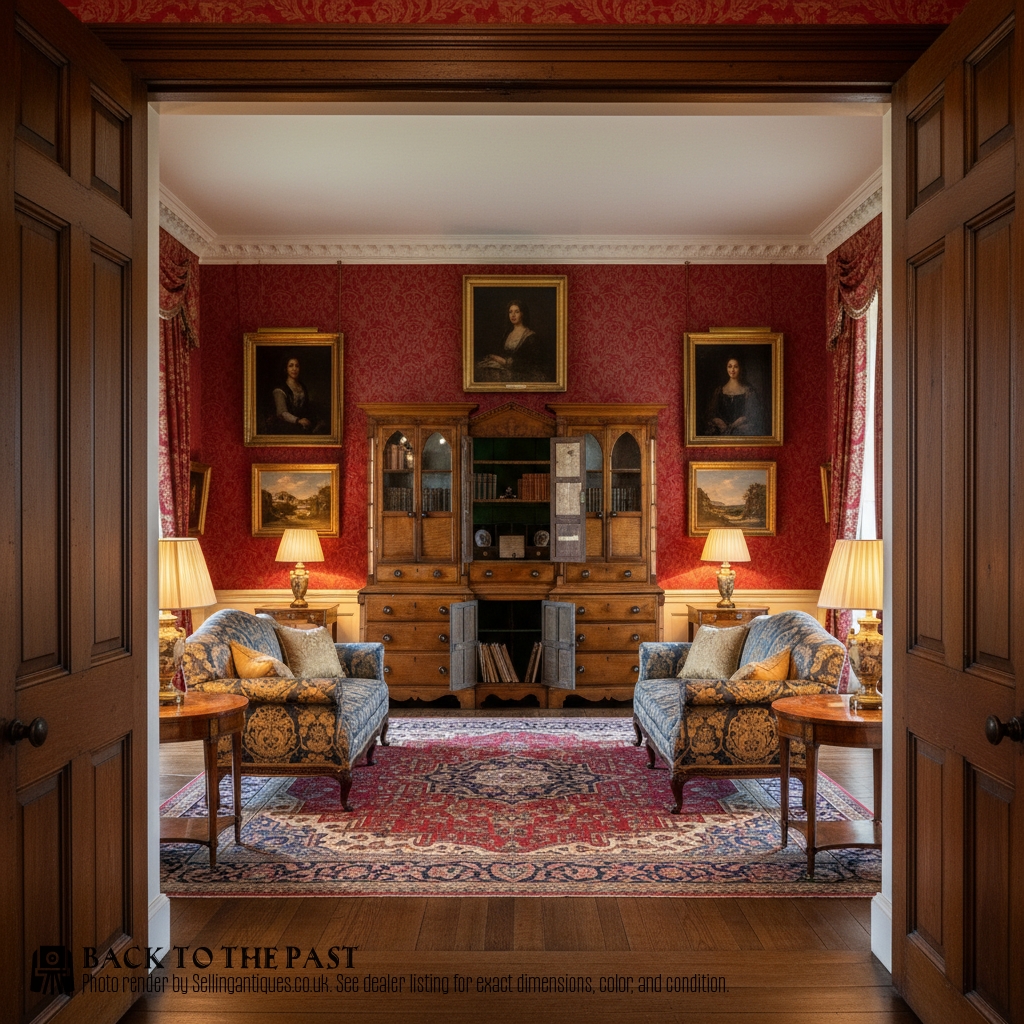
Victorian Housekeeper Dresser
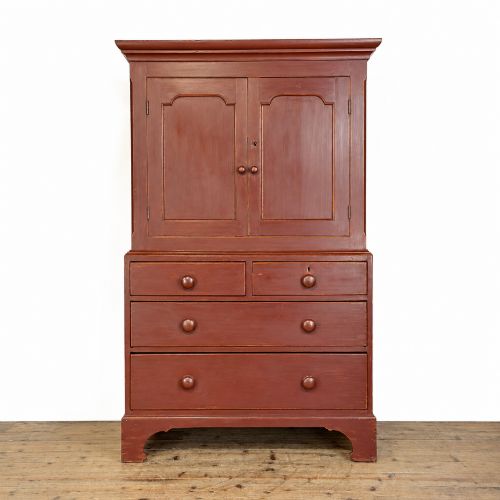
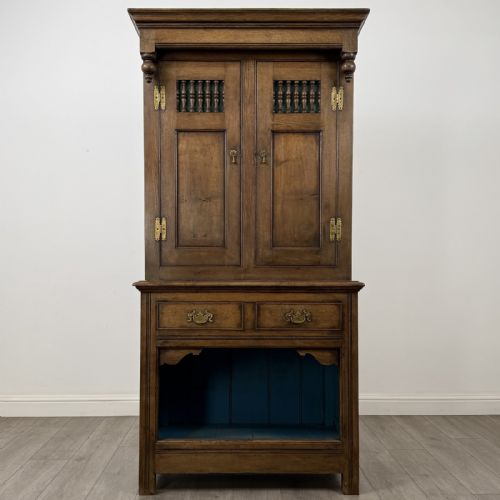
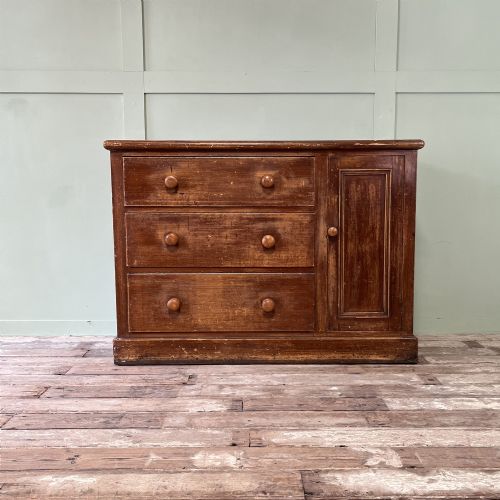
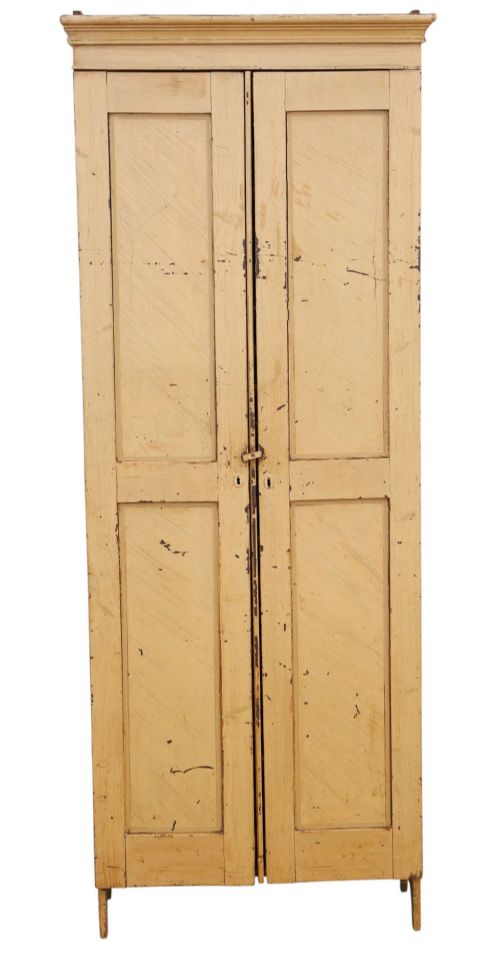
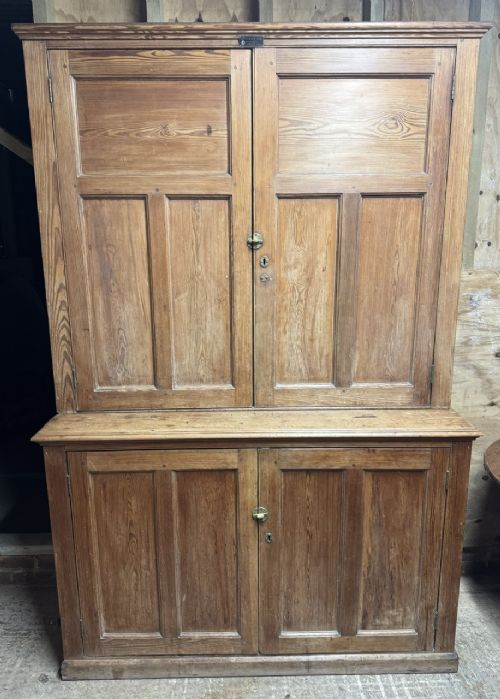
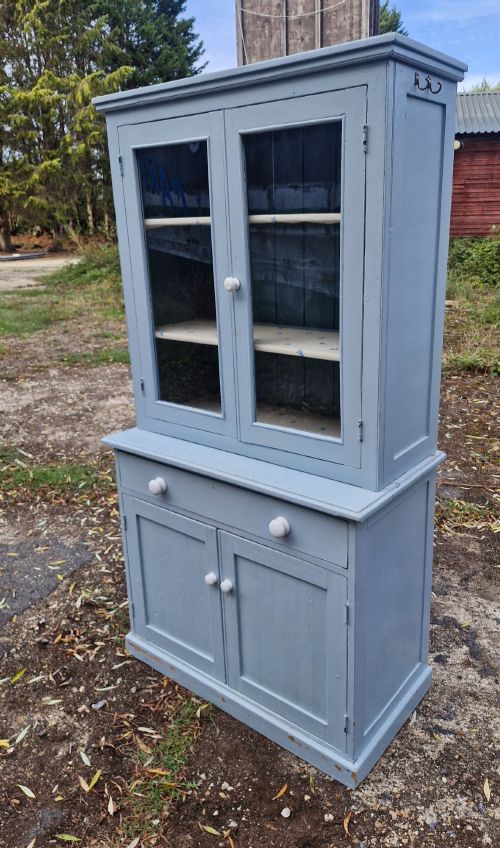
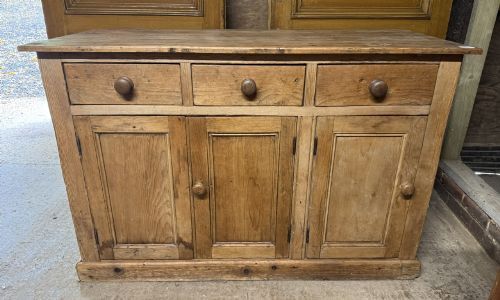
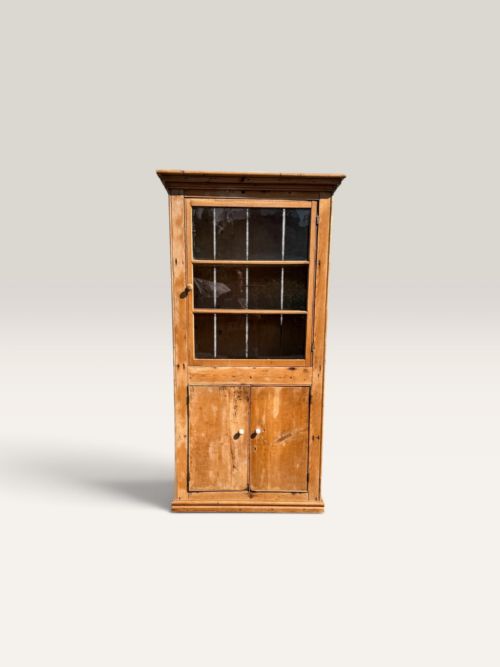
The victorian housekeeper dresser category covers substantial utility storage built for large country houses, rural estates, and sculleries. These utilitarian forms include tall multi-door cupboards, glazed display units, two-part kitchen dressers, and fitted larders.
Most examples found in this selection date from the nineteenth century, spanning early Victorian pieces through to Edwardian versions and occasional eighteenth-century precursors. They frequently appear in painted finishes or stripped native timbers, reflecting their working domestic origins.
Materials and construction methods
Cabinetmakers relied heavily on native softwoods and hardwoods, constructing the primary carcases in pine, pitch pine, oak, and mahogany. Many surfaces carry layers of original or later paint, while others are stripped back to show the grain of the wood.
Functional hardware in brass and iron secures the heavy panelled and glazed doors, which often dismantle into sections for transport due to their imposing height.
One remarkably tall eight-foot pine larder cabinet requires careful measurement of ceiling heights before delivery.
Distinguishing quality in utility furniture
Quality rests in the proportion of the timber frame, the integrity of the original joints, and the survival of early painted finishes rather than elaborate decoration. Superior pieces retain their original glass panes, robust brass hinges, and well-configured internal shelving.
The distinction between standard scullery storage and finer country house furniture lies in the thickness of the pine or oak boards, the presence of panelled backs, and whether the piece retains its original multi-door configuration.
The Victorian Housekeeper Dresser Glossary
- Housekeeper cupboard
- A large utilitarian storage unit traditionally used for linens, dry goods, and household provisions in country houses. These tall cupboards often feature multiple doors and internal shelving.
- Pitch pine
- A dense, resinous softwood derived from American pine species, utilised during the nineteenth century for heavy-duty cabinetry and large storage cupboards.
- Scullery cupboard
- A functional storage piece built for auxiliary kitchen spaces, designed to withstand damp environments and heavy daily use.
- Glazed display cabinet
- A cabinet featuring glass panels in the upper doors, allowing stored china or provisions to be viewed while protected from dust.
Victorian Housekeeper Dresser: Frequently Asked Questions
What is a housekeeper dresser?
A housekeeper dresser is a large functional storage cabinet used historically in country houses for keeping provisions, linens, and domestic utensils.
These pieces typically combine deep cupboards with shelving or glazed upper sections to organise household supplies.
Are these dressers easy to move?
Many nineteenth-century examples are exceptionally tall and heavy, often designed to dismantle into two or more parts for transport.
Checking whether a specific unit separates can help determine how it will fit into a modern room.
What wood are they made from?
The primary woods found in these pieces are pine, pitch pine, oak, and mahogany, reflecting the practical requirements of utility furniture.
Surfaces are frequently finished in paint or left as stripped timber.
How do I style a housekeeper dresser today?
These large cupboards work well in kitchens and dining rooms to store tableware, cookbooks, and dry goods while adding architectural weight to a room.
Their utilitarian design allows them to integrate into both traditional country interiors and more contemporary spaces.