

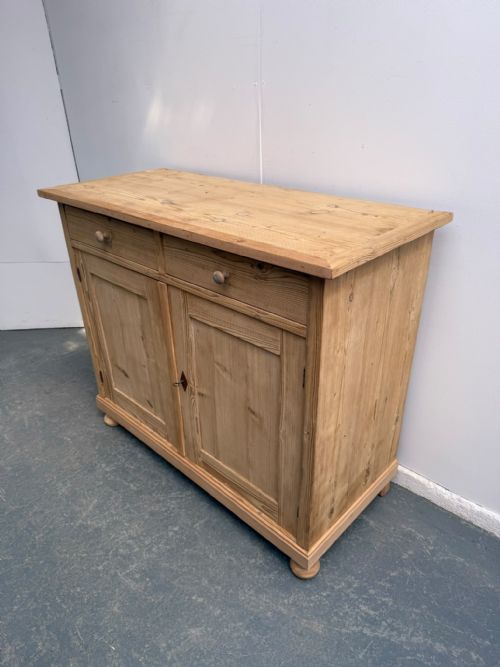


Large Victorian Kitchen Cabinet
A large victorian kitchen cabinet is a robust storage piece built for heavy domestic use, bringing authentic period character and deep utility to modern rooms.
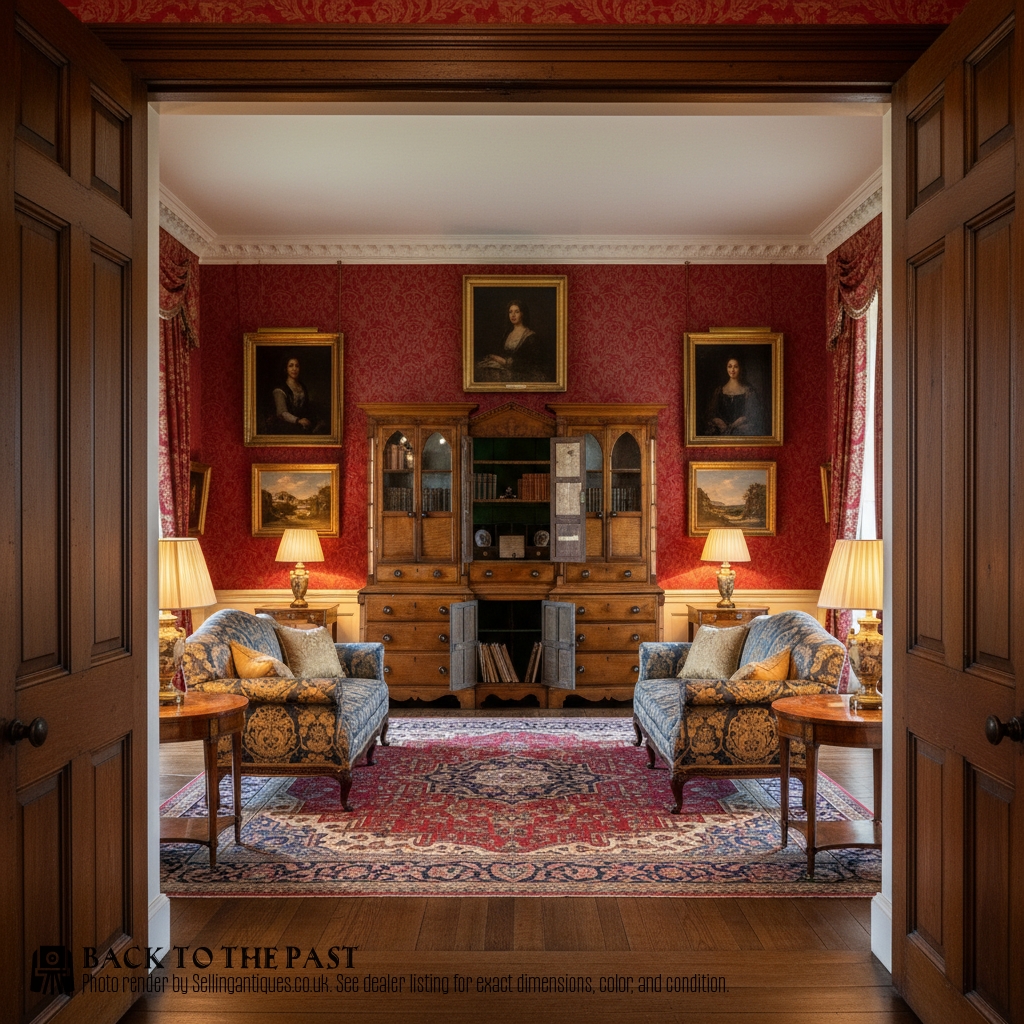
Large Victorian Kitchen Cabinet
A large victorian kitchen cabinet encompasses substantial storage furniture built during the nineteenth century, including kitchen dressers, housekeepers cupboards, and large sideboards. These pieces provide immense practical storage capacity through multi-door cupboards, drawers, and sometimes upper shelving sections.
The versions most commonly found here are constructed from solid pine or oak, often reflecting regional English country or rustic farmhouse aesthetics. Examples range from wax finishes ready to highlight natural wood grain to surfaces retaining original painted finishes.
How they were made
Makers constructed these cabinets using sturdy timbers like pine and oak, joined to withstand decades of demanding daily use in busy sculleries and kitchens. Surfaces were either left bare for waxing or coated in protective layers of paint.
Hardware details typically include brass and iron fittings, supporting heavy doors on multi-door cupboards and bread slides within large dresser bases. Construction techniques focused entirely on functional durability rather than delicate ornamentation.
Listings show pine and oak as the dominant materials, spanning the Victorian period alongside broader nineteenth-century examples.
What varies in quality
The distinction between standard examples and superior pieces rests on timber selection, proportions, and the survival of original surface finishes. Dense, well-figured oak and cleanly joined pine command greater interest from buyers seeking authentic period character.
Integrity of construction and untouched original painted surfaces significantly elevate a piece above standard utilitarian examples that have undergone heavy alterations or modern stripping.
The Large Victorian Kitchen Cabinet Glossary
- Housekeeper's cupboard
- A large tall storage cabinet traditionally used for storing linens, dry goods, and household provisions. These pieces typically feature multiple large doors enclosing interior shelving.
- Dresser base
- A low sideboard or cabinet featuring drawers and cupboards beneath a flat top surface, often serving as a working counter or serving area.
- Bread slide
- A pull-out tray or shelf integrated into a dresser base, historically used for cooling or storing baked goods. This feature adds distinct utility and period charm.
- Scullery cupboard
- A utility cabinet built for heavy-duty domestic tasks, usually constructed from utilitarian timbers like pine for practical use in back-of-house rooms.
Large Victorian Kitchen Cabinet: Frequently Asked Questions
Where were large victorian kitchen cabinets used?
These large cabinets were primarily placed in the working areas of substantial houses, such as kitchens, pantries, and sculleries. They served as central storage units for provisions, crockery, and household linens.
Today, buyers integrate them into contemporary kitchens and dining spaces to provide substantial freestanding storage while adding authentic nineteenth-century character.
How do I tell if a cupboard is original victorian?
Examination of construction methods, timber ageing, and hardware reveals the period of the piece. Nineteenth-century examples often display hand-cut joinery, period brass or iron fixtures, and timber surfaces with deep patination.
Comparing the internal construction and backboards against known examples from the era helps confirm authenticity.
Are these cabinets made of pine or oak?
The listings show both materials prominently, with solid pine and oak being the primary woods utilised by period makers. Pine examples are frequently found with waxed or painted finishes, while oak pieces offer a denser, darker grain.
Both timbers were chosen for their structural strength and ability to endure decades of demanding domestic service.
Can I paint a waxed pine cabinet?
Many pine dresser bases and cupboards are sold prepared for waxing or painting, allowing buyers to adapt the finish to their interior scheme. Original painted surfaces, however, are usually preserved for their historical value.
Applying new paint to a waxed surface requires proper preparation to ensure adhesion and a durable finish.