
Victorian Housekeeper Cabinet
A victorian housekeeper cabinet offers substantial utility and regional character, bringing robust period storage into modern domestic spaces.
Victorian Housekeeper Cabinet
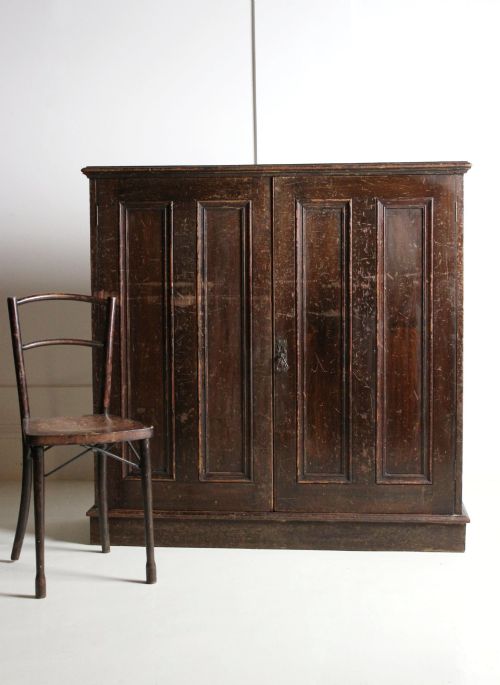
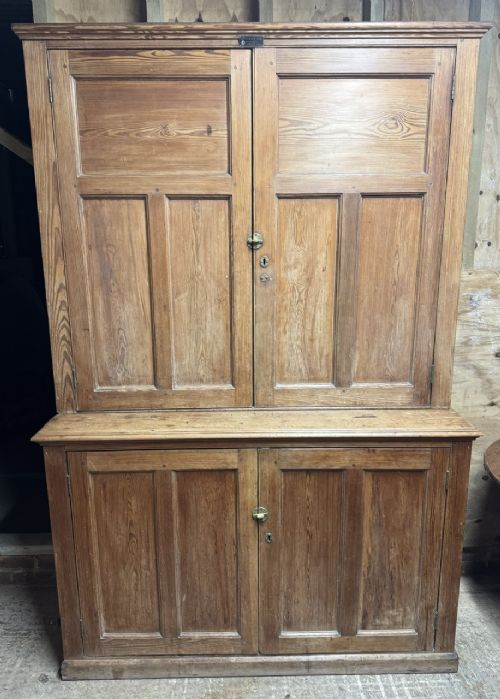
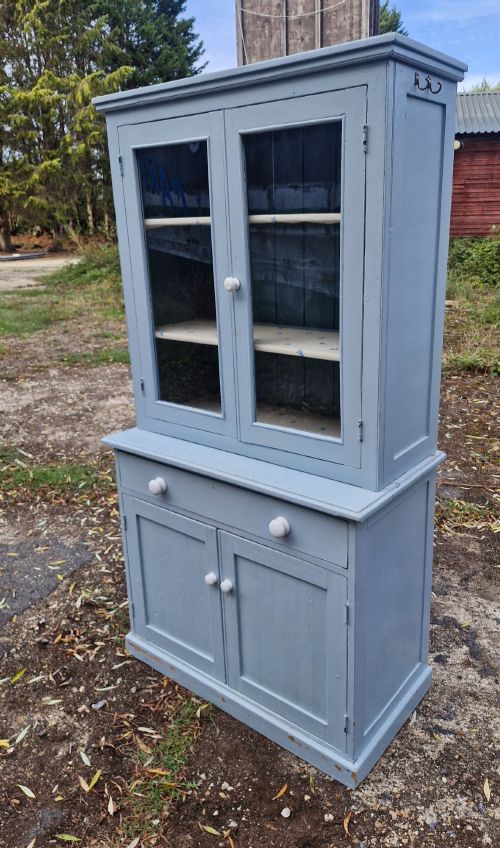
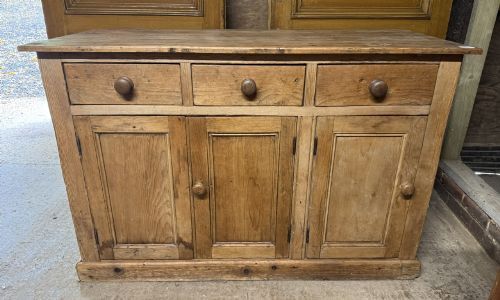
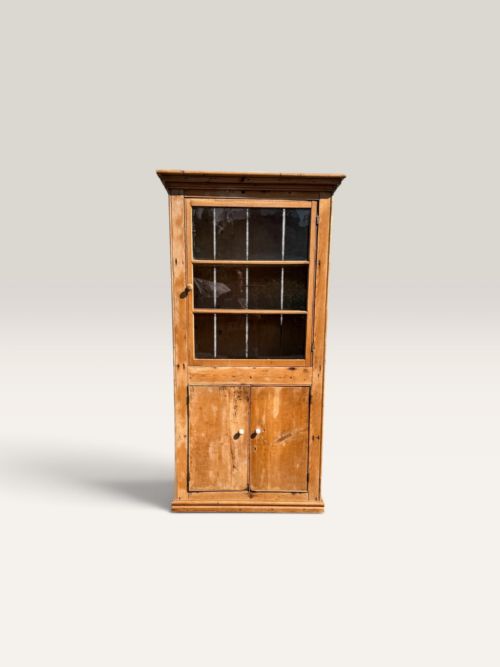
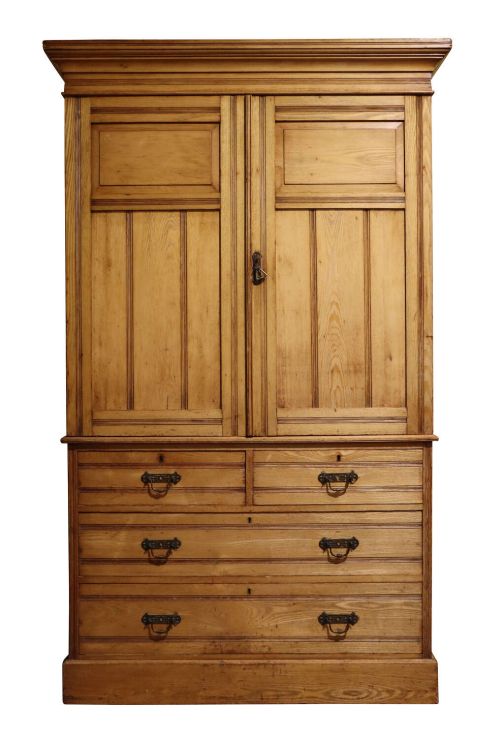
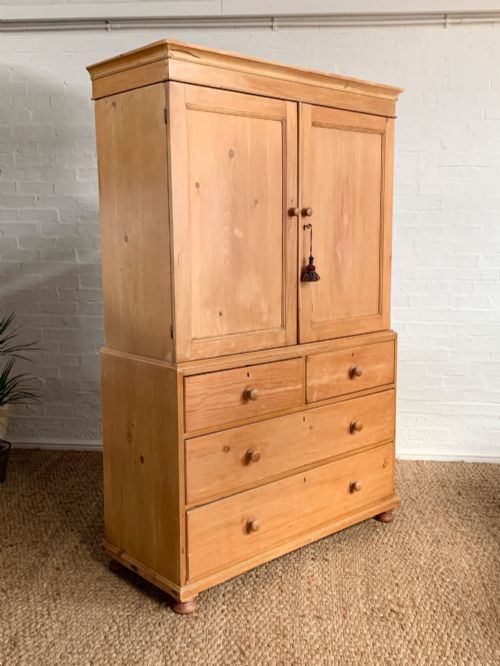
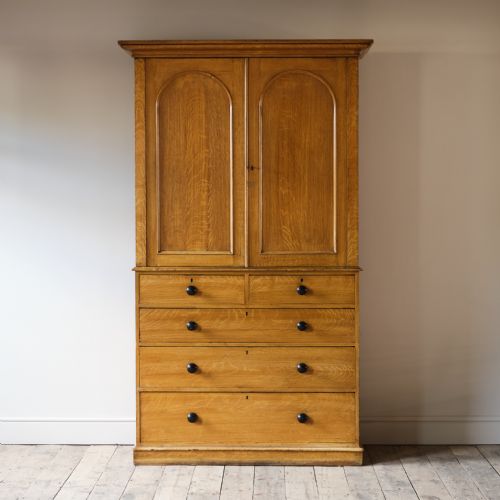
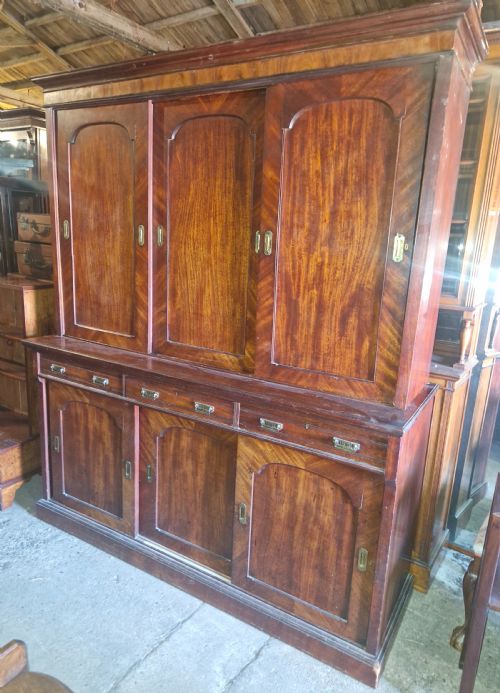
When searching for a victorian housekeeper cabinet, buyers encounter utilitarian storage furniture designed for country houses, schools, and estate offices during the nineteenth century. These pieces encompass large linen presses, two-part kitchen dressers, and tall cupboards that served to organise domestic provisions and household textiles.
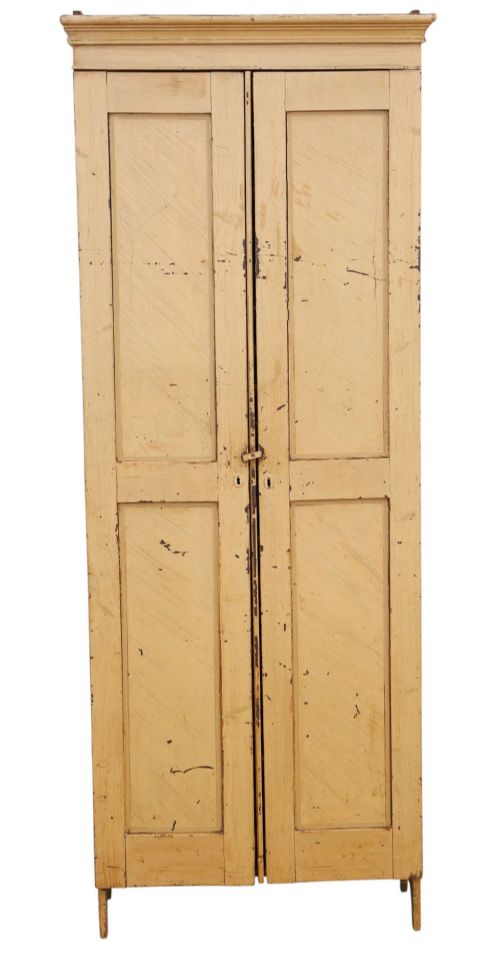
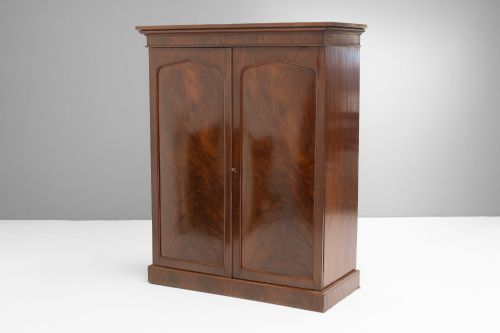
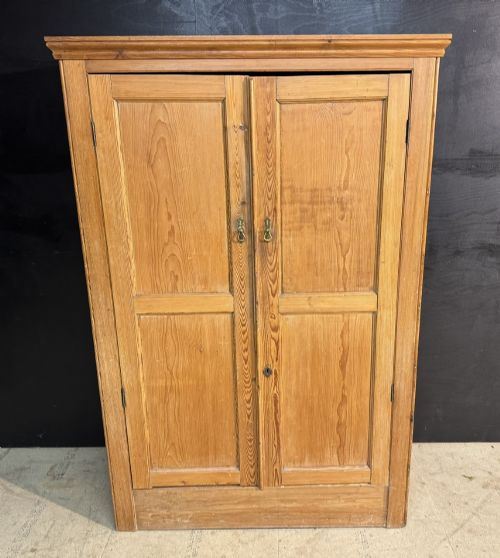
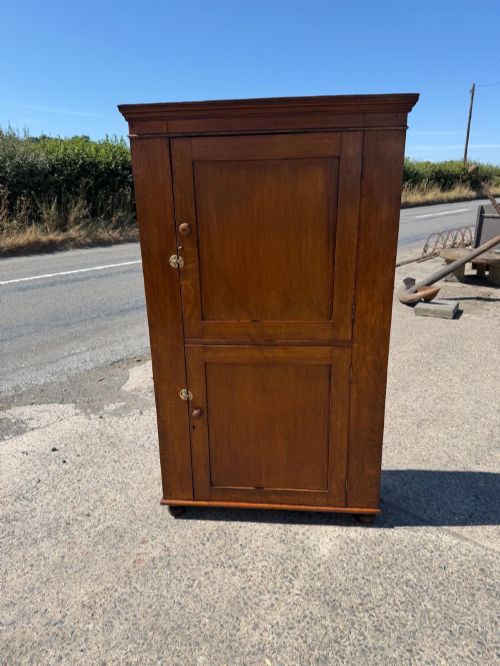
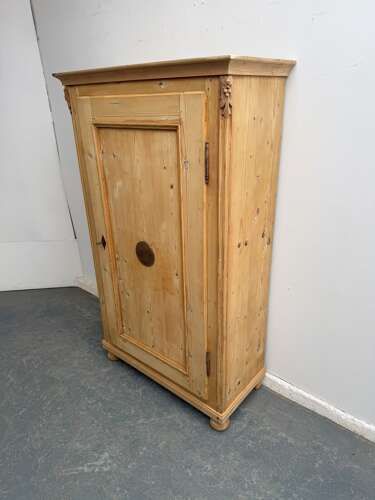
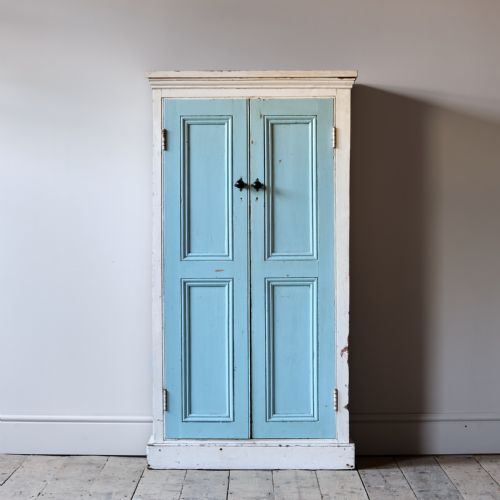
The versions most commonly met on this page are constructed from pine, often appearing in original paint or stripped surfaces, alongside more formal examples executed in mahogany and oak. Forms range from narrow single-door cupboards to wide multi-door storage cabinets with glazed or panelled fronts.
Originating within British vernacular and country house traditions, these cabinets reflect the practical requirements of domestic management. Regional variations span from rustic farmhouse styles to architectural Gothic revival designs.
Factors determining quality
Quality rests upon the integrity of the original construction and the preservation of authentic surface finishes, whether period paint or aged timber. Pieces exhibiting untouched original paint or high-grade cabinet timbers like mahogany display superior craftsmanship compared to heavily altered utility items.
Proportion and scale also distinguish finer examples, particularly where architectural detailing, such as fielded panels or glazed tracery, remains intact without compromising the sturdy utility inherent to these functional storage pieces.
Listings feature woods spanning pine, mahogany, oak, and ash alongside painted, glazed, and unpainted finishes.
Maple and Co.·Heals
The Victorian Housekeeper Cabinet Glossary
- Linen press
- A tall cupboard specifically designed for storing folded bed linen and garments, usually featuring sliding trays or shelves in the upper section.
- Scumble paint
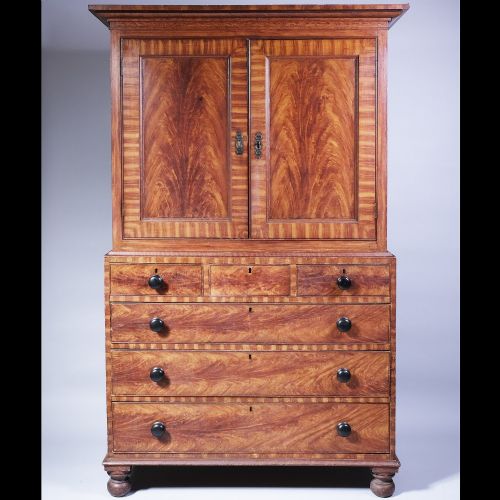
- A decorative surface finish where a translucent top layer of glaze is manipulated over a paler base coat to imitate the grain of more expensive timbers.
- Bun foot
- A rounded, flattened spherical furniture foot characteristic of Victorian and earlier cabinet design.
- Pitch pine
- A resinous North American pine variety valued for its distinct grain pattern and durability, frequently utilised in nineteenth-century joinery.
- Fielded panel
- A wooden panel with bevelled or recessed edges framed within a grooved stile and rail structure to allow for natural timber movement.
Victorian Housekeeper Cabinet: Frequently Asked Questions
What is a housekeeper cabinet?
A housekeeper cabinet is a large nineteenth-century storage piece originally used in large country houses or institutions to store provisions, linen, and household accounts.
These utilitarian pieces combine cupboards, drawers, and sometimes glazed display sections to manage domestic organisation.
How do I clean a painted pine cabinet?
Painted pine surfaces should be maintained using a dry microfiber cloth to remove dust without disturbing historic layers of paint.
Avoid harsh chemical cleaners or excessive moisture, which can soften or lift old scumble or painted finishes.
Are these cabinets in one piece or two?
Many larger examples, such as kitchen dressers and linen presses, are constructed in two parts to facilitate transport and placement.
The upper section typically sits upon a deeper base cabinet, allowing for easier manoeuvrability through doorways.
How do I date a nineteenth-century cupboard?
Dating relies upon examining construction methods, timber choices, hardware such as brass or iron hinges, and stylistic markers like bun feet or Gothic revival detailing.
Comparative analysis with documented workshop pieces also helps narrow the period of manufacture.