

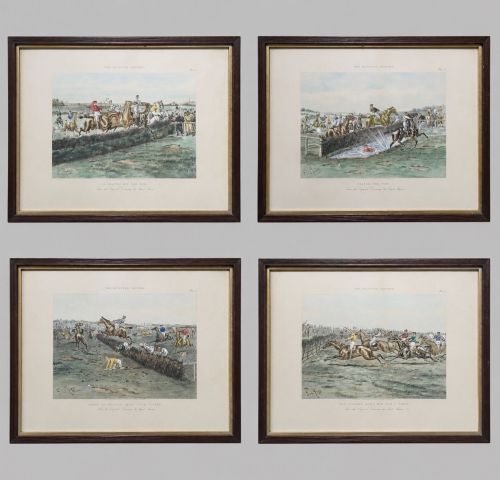

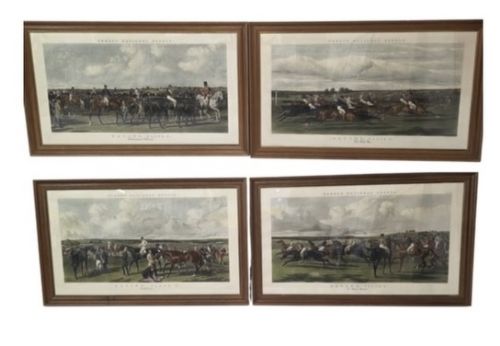
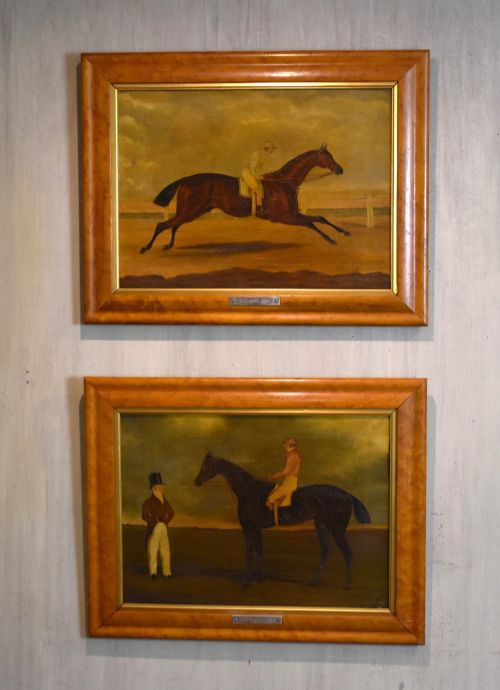
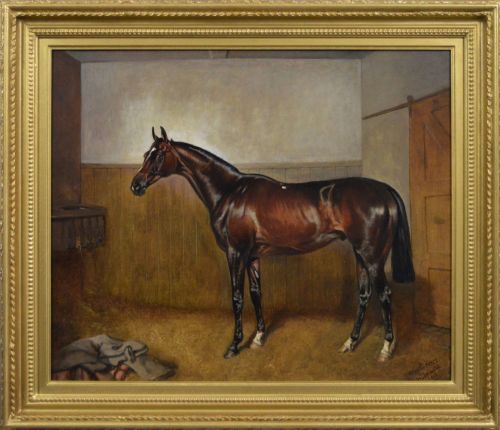


Victorian Horse Prints
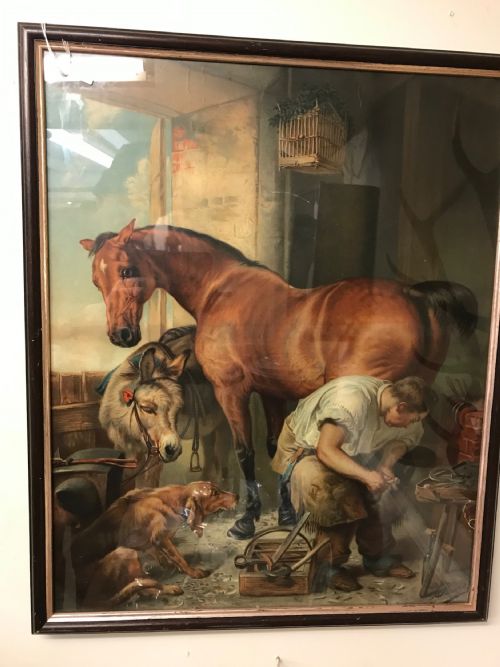
Victorian horse prints capture the power and elegance of the equine world through finely worked engravings, lithographs, and paintings.
Victorian Horse Prints
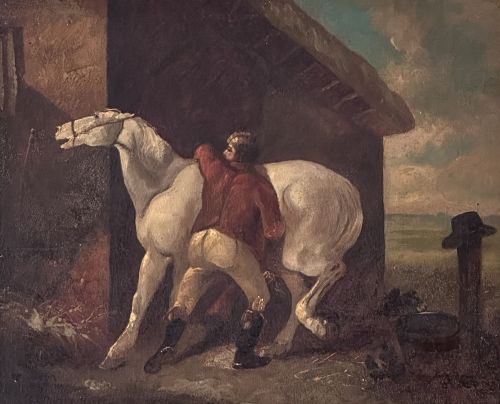
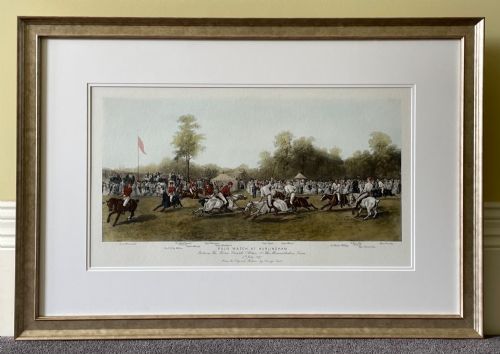
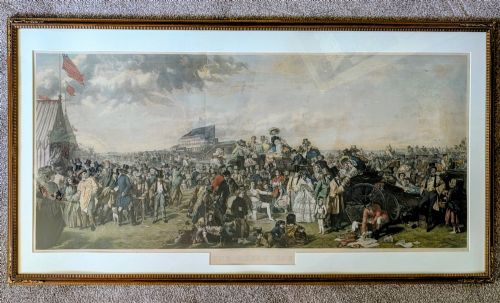
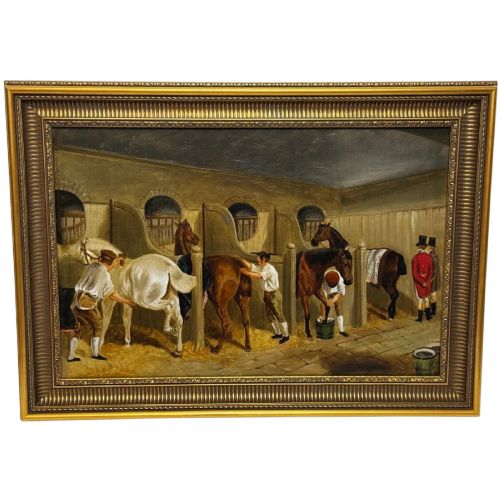
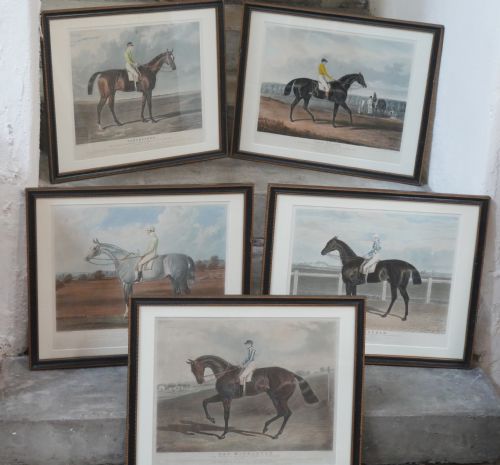
Victorian horse prints span a variety of forms including framed prints, engravings, lithographs, and original oil paintings. Buyers searching this phrase encounter nineteenth century sporting scenes, racehorses with jockeys, hunting meets, and intimate animal portraits.
Many items derive from notable artists and makers of the period, captured through techniques ranging from delicate watercolours and etchings to bold chromolithographs.
Materials and Techniques
Works in this category utilise paper, canvas, and glass as substrates, paired with ink, watercolour, and oil paint. Framemakers encased these pieces in wood, gilt wood, and gold leaf frames.
Printmakers employed engraving, etching, lithography, and chromolithography to replicate sporting subjects and portraits, while painters applied oil and watercolour directly to canvas and paper.
Victorian Horse Prints Retail Price Guide 2026
Typical asking prices for victorian horse prints among the pieces listed under this phrase on Sellingantiques today, from the lower quarter to the upper quarter. They describe what is for sale here now, not the wider market.
Listings feature paper, canvas, glass, wood, ink, and gold leaf across nineteenth-century and early twentieth-century periods.
Judging Quality
Quality rests upon the fineness of the line in engravings and etchings, or the brushwork and depth in oil and watercolour paintings. Stronger pieces display precise anatomical detail in the horses and skilful handling of light and movement by the artist.
The condition of the paper or canvas, the preservation of original ink or pigment vibrancy, and the suitability of the accompanying wood and gilt frames elevate certain examples above standard decorative items.
William Powell Frith·George Finch Mason·John Alfred Wheeler·Edwin Henry Landseer·John Frederick Herring Snr·Herbert Dicksee·James William Booth·Charles Faulkner·Alfred Wheeler·Edward Lloyd·Thomas Worth
The Victorian Horse Prints Glossary
- Chromolithography
- A planographic printing process that uses multiple stones or plates to produce a multi-coloured image on paper.
- Aquatint
- A variant of etching that achieves tonal effects resembling watercolours through acid-bitting areas of a copper plate.
- Crystoleum
- A Victorian method of applying a colour print to concave glass, clarifying the image with oil paints and sealing the back.
- Engraving
- A technique where an artist cuts lines directly into a metal plate with a burin to hold ink for printing.
- Lithography
- A printing method based on the mutual repulsion of oil and water, enabling the transfer of drawn images from a flat stone surface.
Victorian Horse Prints: Frequently Asked Questions
What subjects do these prints show?
The images depict racehorses, hunting meets, polo matches, and everyday working horses on country roads. They capture the central role of horses in nineteenth-century sport and transport.
Many pieces focus on named horses with jockeys or depict sweeping landscape scenes with riders and hounds.
How should I hang these framed pieces?
Hang them away from direct sunlight to protect the paper, ink, and watercolour pigments from fading over time. Ensure the wall fixings safely support the weight of the wood and gilt frames.
Grouping smaller engravings or Vanity Fair prints together creates a balanced display on a study or hallway wall.
Are these works original antique pieces?
The selection includes original nineteenth-century and early twentieth-century engravings, etchings, chromolithographs, and hand-painted oils. Each piece dates from the period associated with its maker or printing method.
Materials such as aged paper, canvas, and traditional gilt wood frames indicate authentic nineteenth-century production.
How do I care for antique paper prints?
Keep prints behind protective glass in stable room environments with moderate humidity to prevent paper degradation. Avoid damp walls and sudden temperature shifts that might harm the frame or the paper beneath.
Dust the wood and gilt frames gently with a dry cloth without touching the exposed print surface.