
Victorian Horse Artwork
Victorian horse artwork captures the power and presence of the equine form through the skilled hands of nineteenth-century painters and printmakers.
Victorian Horse Artwork
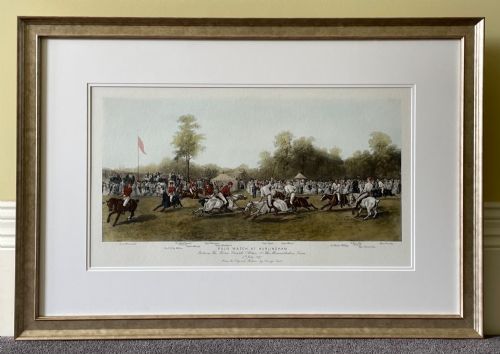
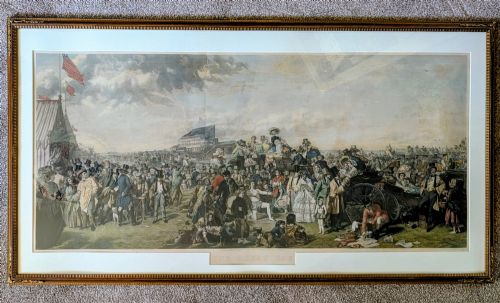
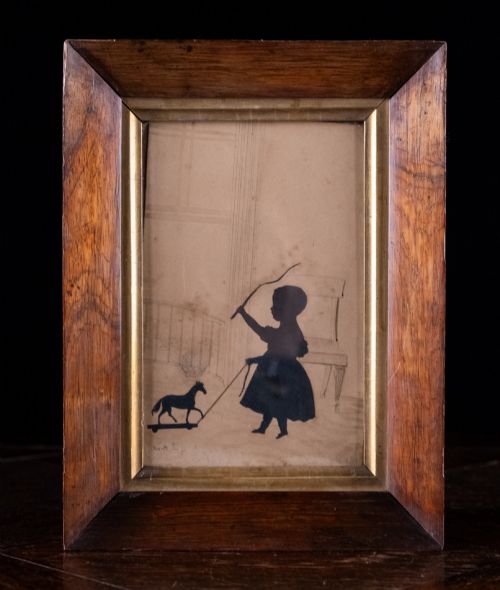
Victorian horse artwork encompasses a variety of creative expressions, ranging from detailed oil paintings on canvas to framed prints, watercolours, lithographs, and silhouettes.
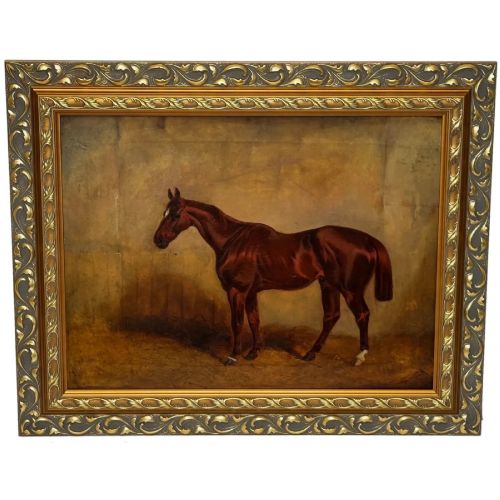
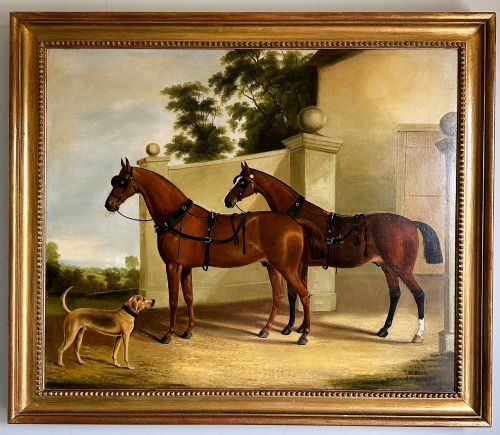
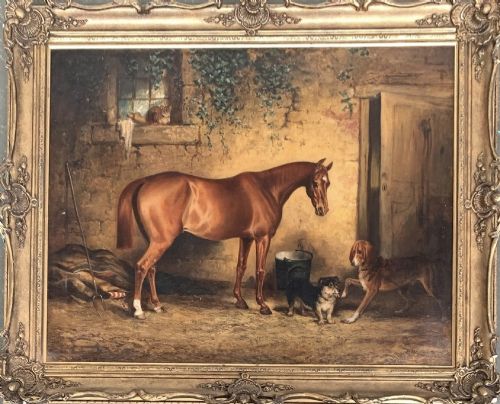
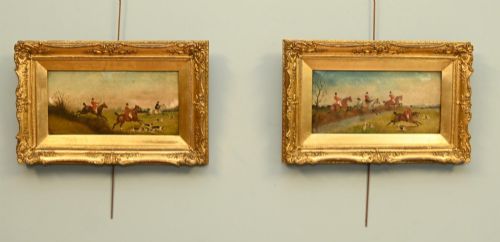
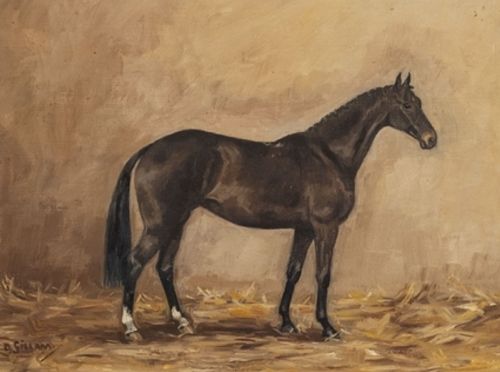
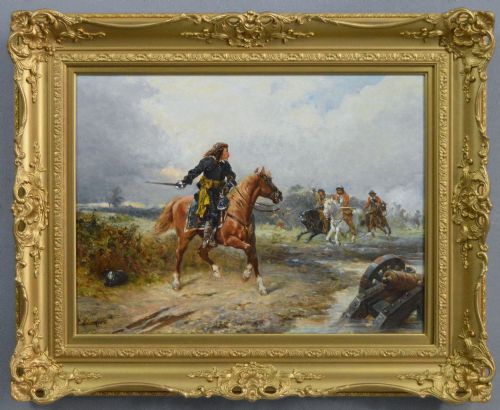
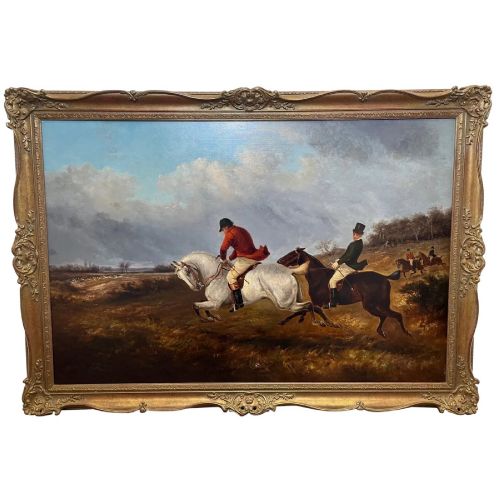
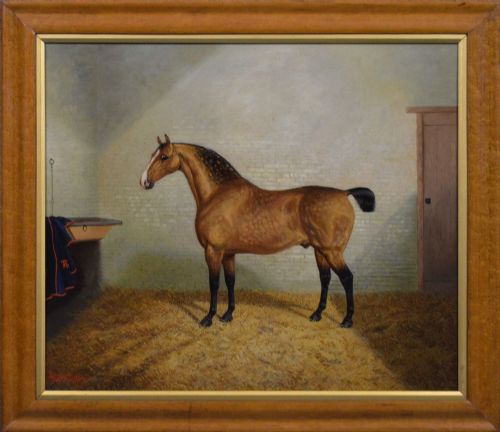
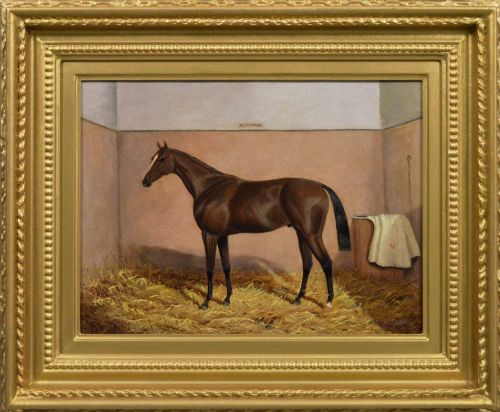
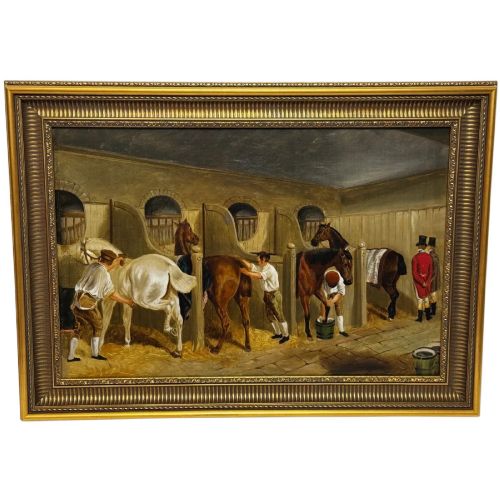
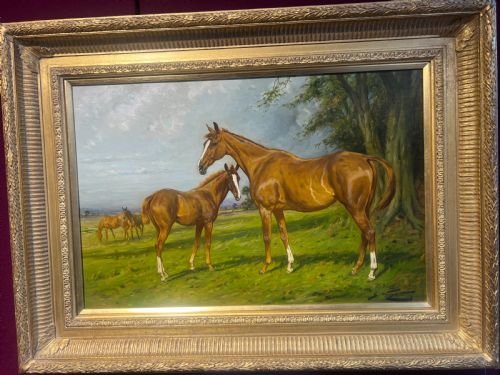
The selections on this page lean heavily toward nineteenth-century oil paintings of individual horse portraits, hunting scenes, and racing subjects produced during the Victorian era.
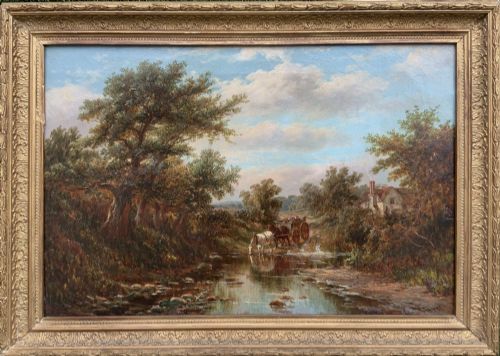
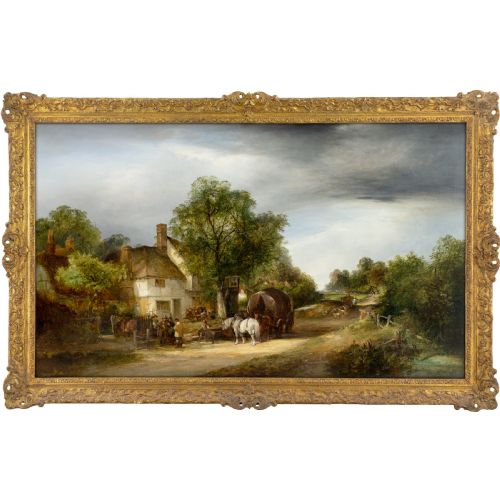
Makers and artists captured these animals in diverse settings, including stable interiors, racing tracks, rural landscapes, and coastal paths alongside figures and carriages.
Materials and Techniques
Artists primarily utilised oil paint on canvas or paper mounted to wood, building rich layers of colour to render the musculature and coats of hunters, racehorses, and working animals.
Paper works incorporate watercolour, lithography, etching, and engraving techniques, while framing often employs giltwood to house and display the finished pieces.
Listings feature oil on canvas, watercolours, lithographs, and silk needlework spanning the nineteenth and early twentieth centuries.
Quality Variations
Quality rests upon the artist's ability to render equine anatomy with anatomical precision, lifelike expression, and convincing movement across the canvas or paper.
The depth of provenance, the condition of the original oil paint or delicate paper support, and the presence of contemporary gilt framing also separate standard pieces from masterworks.
Henry Barraud·Thomas Smythe·Albert Clark·Augustin Edouart·Abraham Cooper·Fred Fitzpatrick·Edward Priestley·John Alfred Wheeler·Edwin Henry Landseer·John Frederick Herring Snr·Herman S Melville·John Ferneley Senior·Herbert Dicksee·James William Booth·John Frederick Herring Jnr·Basil Nightingale·George E Sharpe·Léon Joseph Voirin
The Victorian Horse Artwork Glossary
- Lithograph
- A printmaking process where an image is drawn onto stone or metal with a greasy medium and inked for transfer.
- Giltwood
- Wood carved and covered with a thin layer of gold leaf, frequently used for traditional picture frames.
- Watercolour
- A painting method where fine pigment is suspended in a water-based solution on paper.
- Etching
- A printmaking technique in which lines are incised into a metal plate with acid before ink is applied.
- Provenance
- The documented history of ownership that traces a piece from its creation to the present day.
Victorian Horse Artwork: Frequently Asked Questions
What subjects appear in victorian horse artwork?
The works depict thoroughbred racehorses, hunting studs, farm horses, and specific named animals in stables or open landscapes.
Scenes also stretch to racing tracks, polo matches, coaching episodes, and coastal smuggling narratives involving working horses.
How do you date victorian horse artwork?
Dating relies on artist lifespan dates, signed signatures, period inscriptions, and stylistic cues inherent to nineteenth-century sporting art.
Materials such as woven canvas types, early paper watermarks, and original giltwood frames help narrow the timeframe further.
Are these pieces original paintings or prints?
The selection includes both original oil paintings executed by hand on canvas and various forms of printed matter.
Buyers will find antique lithographs, engravings, etchings, and painted prints alongside unique watercolours and glass silhouettes.
How should I display antique horse paintings?
Display these works away from direct sunlight and excessive moisture to protect the oil paint, paper supports, and giltwood frames.
Ensure wall fixings safely support the weight of the heavier timber frames and larger canvas sizes.