


Victorian Hearth Lion
A Victorian hearth lion brings weight and character to a fireplace, grounding the room with solid metal or earthenware presence.
Victorian Hearth Lion
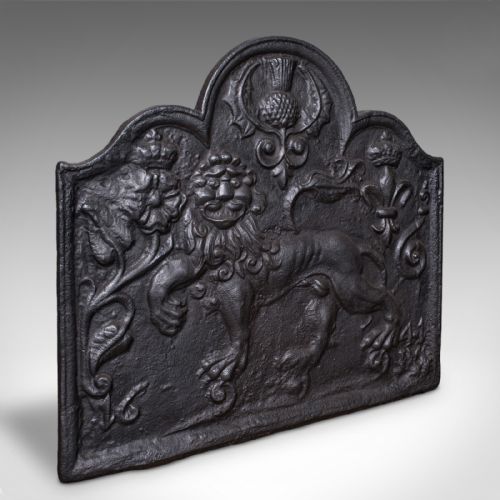
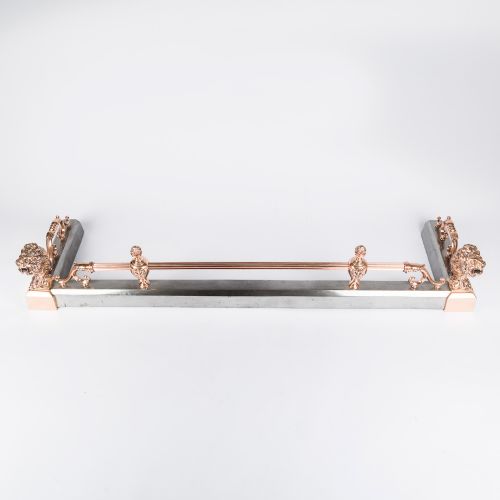
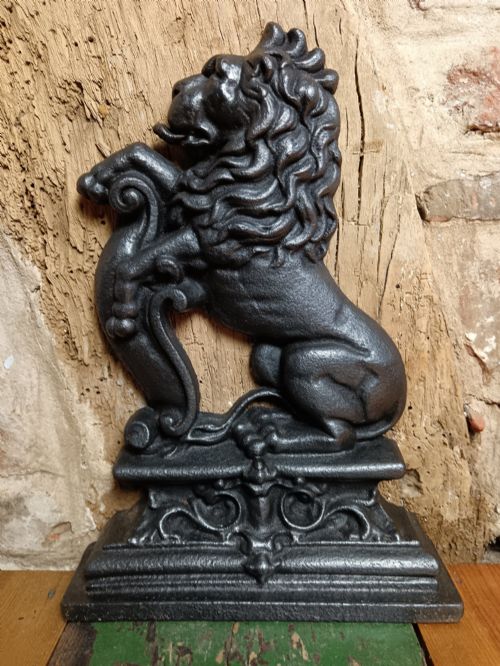
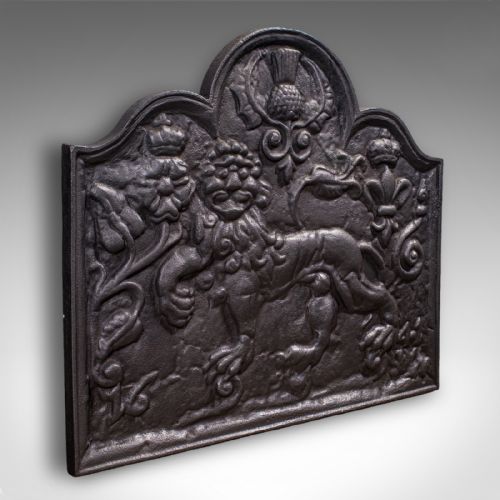
When you search for a victorian hearth lion, you encounter functional fireside items and ornamental pieces from the nineteenth century. These objects typically take the form of heavy cast iron doorstops, heavy firebacks, and standalone figures placed near the hearth.
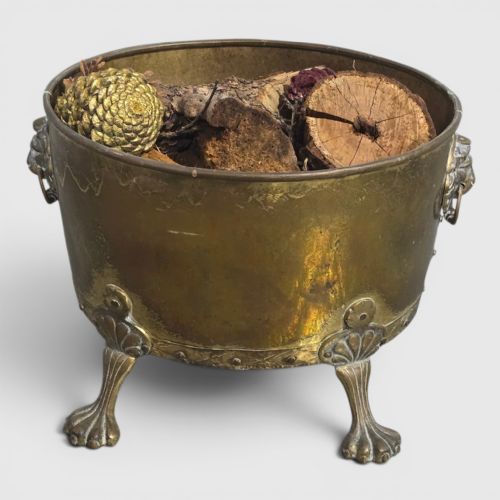
The pieces appearing in this category span the broader Victorian era alongside related nineteenth century styles such as Gothic Revival and Neoclassical. They range from utilitarian items like coal buckets and fenders incorporating lion motifs to sculptural hearth ornaments designed to hold doors or guard the fireplace.
How they were made
Foundry work dominates these pieces, utilising cast iron, brass, bronze, and copper shaped through traditional casting and smithing techniques. Heavier items rely on robust iron casting to withstand daily use near the fire, while finer decorative elements employ polished brass or sheet copper.
Makers also worked with terracotta and carved walnut for specific ornamental objects associated with the Victorian fireside. Surface finishes varied from bronzed patination to polished metal and hand-painted details on earthenware figures.
Listings feature items spanning the 1850s through to the 1920s, constructed from cast iron, brass, copper, bronze, terracotta, and wood.
What varies in quality
The choice of materials and the integrity of the construction also set pieces apart, with heavier gauge metals and well-preserved original patination indicating superior manufacture.
Petrus Ramus
The Victorian Hearth Lion Glossary
- Doorstop
- A heavy weighted object, frequently formed as a cast iron lion, designed to keep interior doors propped open.
- Fireback
- A heavy iron plate placed at the back of a fireplace to reflect heat and protect the masonry, often decorated with relief ornamentation.
- Andirons
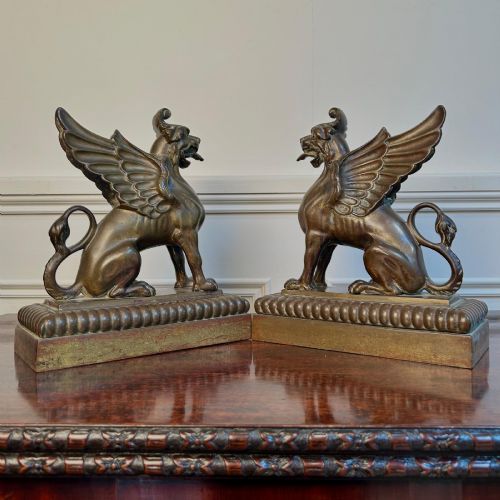
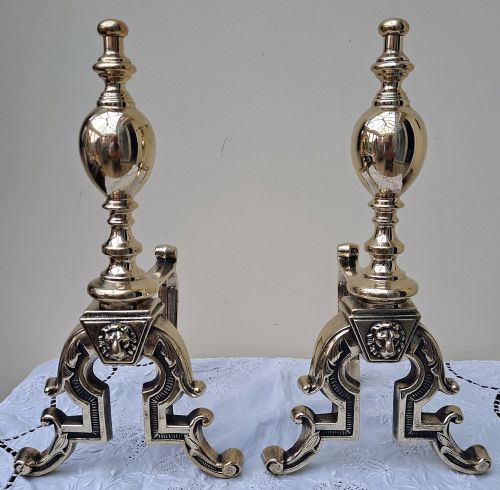
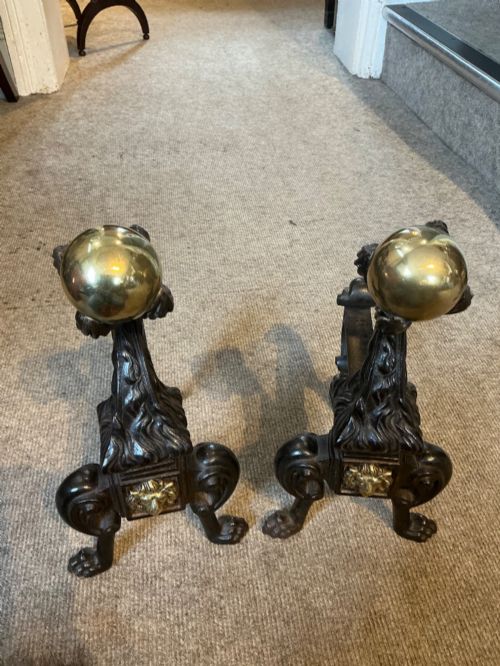
- Supports used to raise logs off the hearth floor to improve air circulation, sometimes featuring cast metal lions or heraldic motifs.
- Fender
- A low metal frame placed around the hearth to contain ash and embers, occasionally incorporating lion details or brass fittings.
Victorian Hearth Lion: Frequently Asked Questions
What is a Victorian hearth lion used for?
These items serve both practical and decorative purposes around a nineteenth century fireplace.
They appear as heavy cast iron doorstops, firebacks, and sculptural ornaments placed near coal scuttles and fenders.
How do I identify a Victorian piece?
Look for the weight and material composition typical of nineteenth century foundry work, such as heavy cast iron or solid brass.
Stylistic cues include Victorian Gothic Revival, Neoclassical, and Aesthetic Movement design motifs.
Where should I place a hearth lion?
They sit naturally beside an open fireplace, hearth fender, or near heavy interior doors.
Their robust construction suits functional placement on hearth stones or wooden floors.
What materials are common for these items?
Cast iron, brass, copper, and bronze form the majority of metal hearth accessories.
Earthenware like terracotta and carved wood also appear among the decorative objects.