


Victorian Hearth Grate
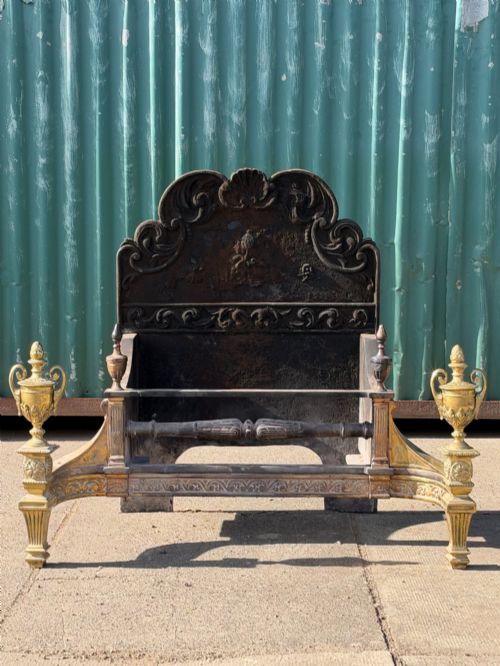
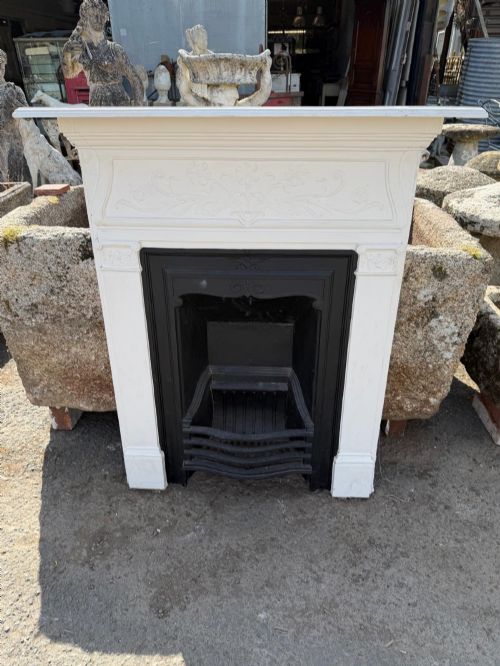
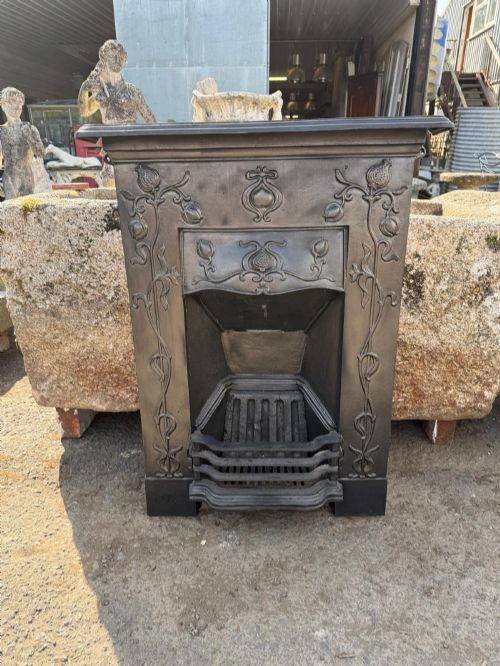
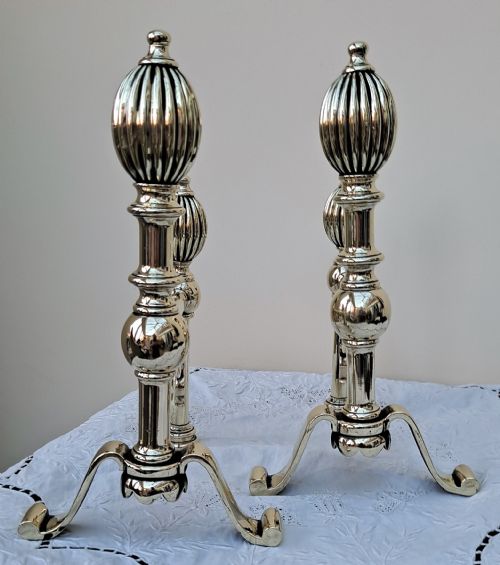
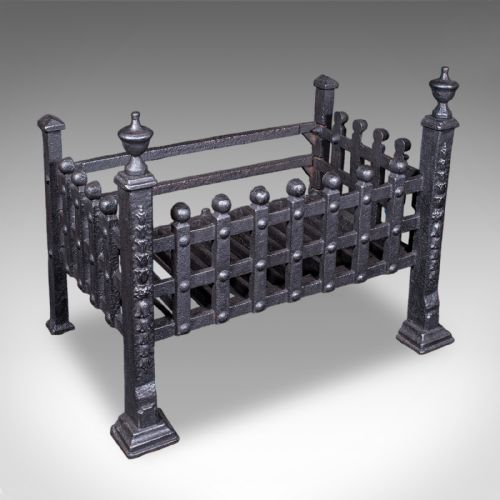
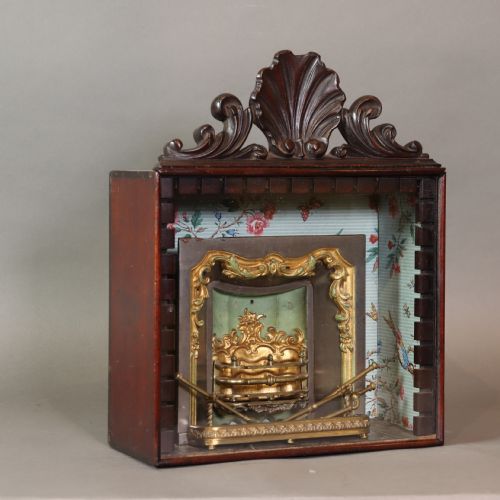
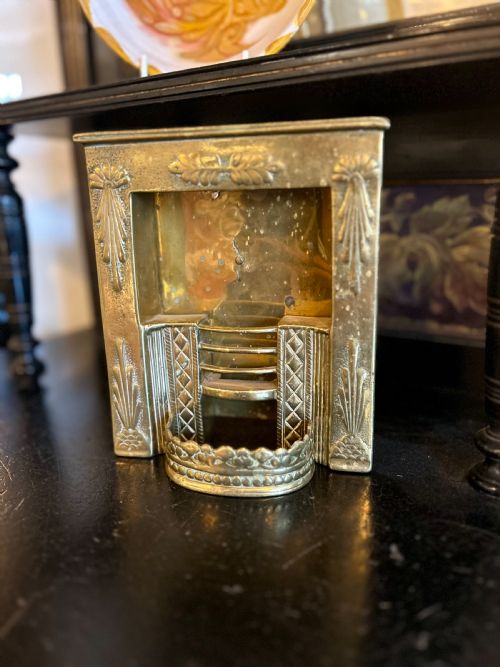
These heavy cast iron and brass pieces are a victorian hearth grate, built to warm a room and anchor the hearth.
Victorian Hearth Grate
A victorian hearth grate comprises heavy functional ironwork designed for coal or wood fires within period rooms. Buyers encounter everything from combination fireplaces and register grates to freestanding fire baskets paired with andirons.
Many examples emerge in cast iron or wrought iron, occasionally accompanied by brass fire dogs and fenders. Miniature samples and salesman pieces also appear alongside full-sized architectural hearth hardware.
The periods span the nineteenth century predominantly, drawing on Gothic Revival, Neoclassical, and Arts and Crafts styles. Pieces range from simple utilitarian grates to ornate combination units integrating mantelbacks.
Materials and construction
Foundries shaped these items primarily from cast iron and wrought iron, utilising moulds to achieve structural rigidity and decorative detail. Brass components and copper inlays provided contrasting highlights on fire dogs, fenders, and baskets.
Firebricks lined the inner chambers to withstand extreme heat, while timber and paper occasionally formed parts of miniature salesman samples. Metal parts were often blackened, polished, or combined to balance utility with interior display.
Some nineteenth-century hearth accessories include revolving fireplace toasters inlaid with copper hearts for warming snacks.
Distinguishing craftsmanship
Quality rests in the weight of the metal and the crispness of the casting work, where finer mouldings show sharp decorative relief rather than soft edges. Integrated components like revolving toasters or movable hearth furniture demonstrate higher mechanical ambition.
Proportion and material pairing separate standard utilitarian items from superior examples designed for principal rooms. The integration of solid brass elements and durable firebrick linings elevates the integrity of the whole assembly.
Coalbrookdale
The Victorian Hearth Grate Glossary
- Fire basket
- An open metal basket designed to hold coal or logs within an open hearth. It typically stands on integral legs or pairs with matching andirons.
- Andirons
- Supporting metal bars or firedogs placed on either side of a hearth to hold logs or support a fire basket. They frequently feature decorative brass finials.
- Register grate
- A framed fireplace grate equipped with a movable plate or damper to regulate the draught and control the smoke up the chimney.
- Combination fireplace
- A complete self-contained iron fireplace unit incorporating the grate, cast surround, and mantelpiece into one piece.
- Fire back
- A heavy cast iron plate placed at the back of an open fireplace to reflect heat into the room and protect the masonry.
Victorian Hearth Grate: Frequently Asked Questions
How do I choose the right size?
Measure the width and depth of your fireplace opening carefully to ensure the basket or grate fits securely inside the hearth space.
Account for clearance at the sides and back to allow proper airflow and safe operation during a fire.
Can these grates burn real wood?
Many heavy iron and steel grates suit solid fuel burning, provided the firebrick linings remain intact and sound.
Verify whether a specific piece is intended for coal, logs, or purely decorative display before lighting a fire.
How do I clean cast iron?
Remove ash and soot regularly with a soft brush, applying specialist grate polish or black lead to maintain the dark finish.
Avoid using water directly on untreated iron surfaces to prevent rust formation over time.
What are fire dogs used for?
Fire dogs sit forward of the hearth to support logs or elevate a fire basket for better air circulation underneath.
They also serve a decorative purpose, balancing the visual weight of the fireplace surround.