
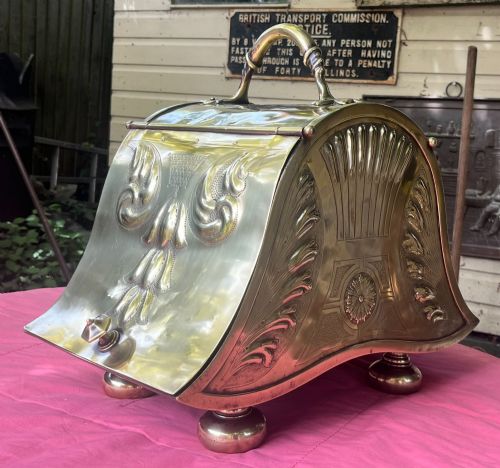


Victorian Hearth Bucket
A victorian hearth bucket brings metal and timber storage directly to the fireside, holding fuel close at hand.
Victorian Hearth Bucket
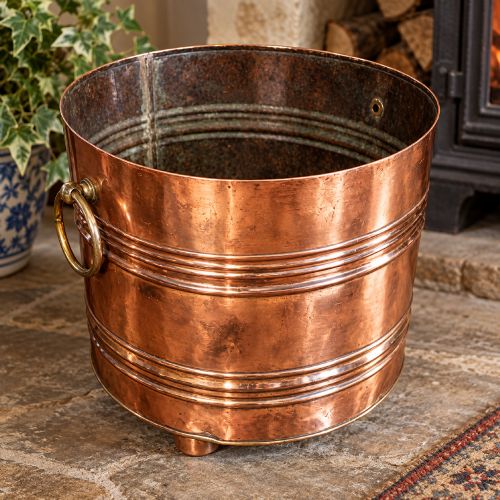
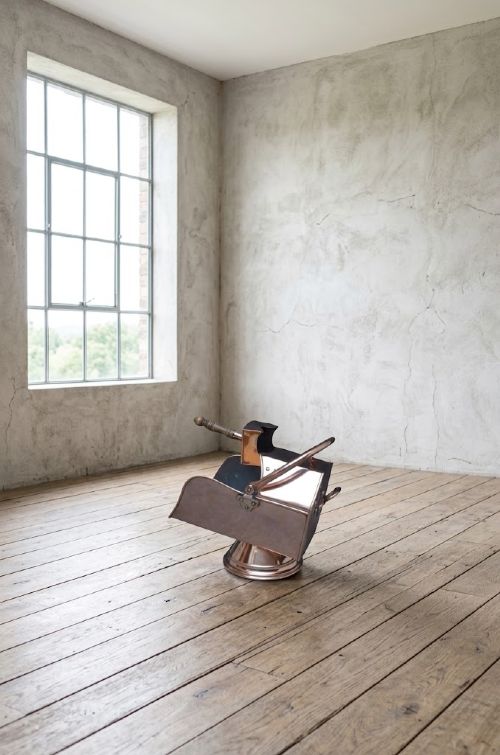
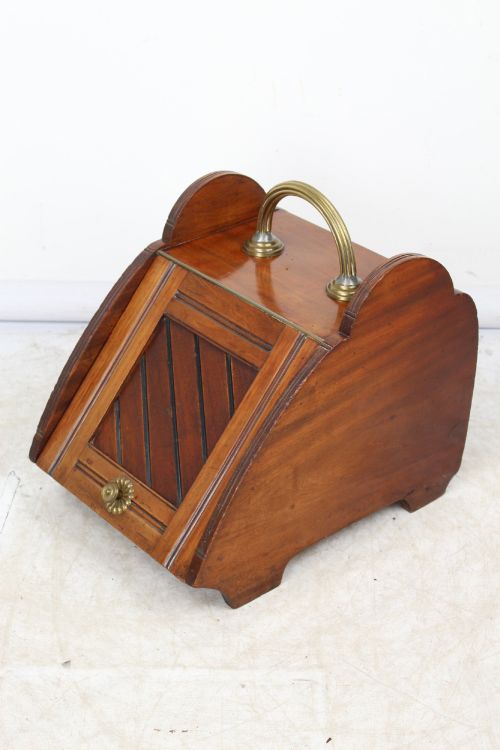
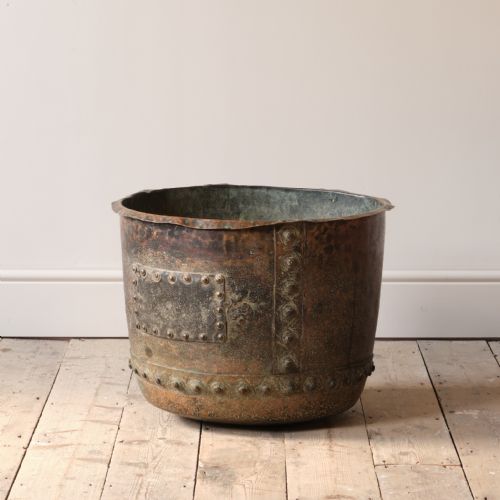
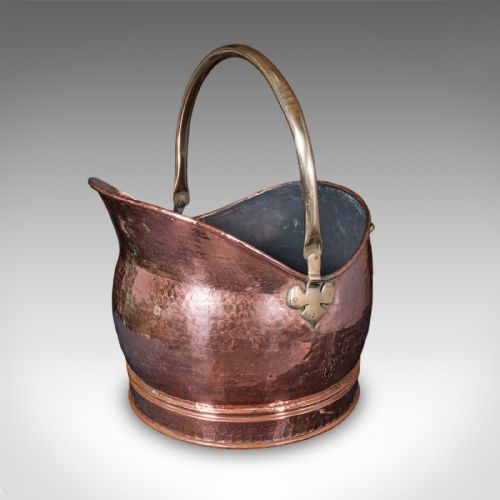
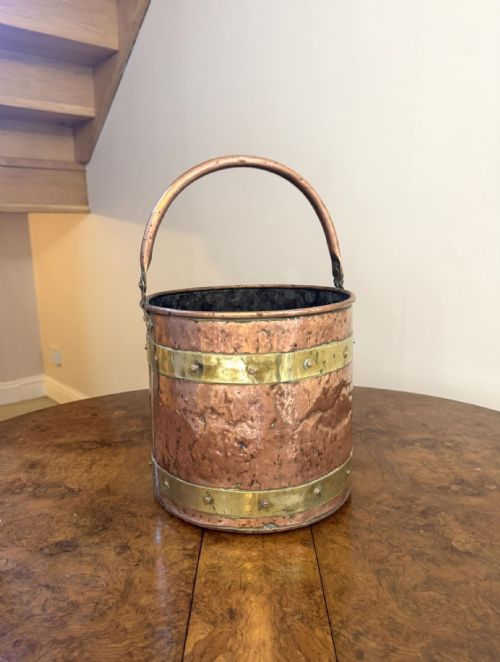
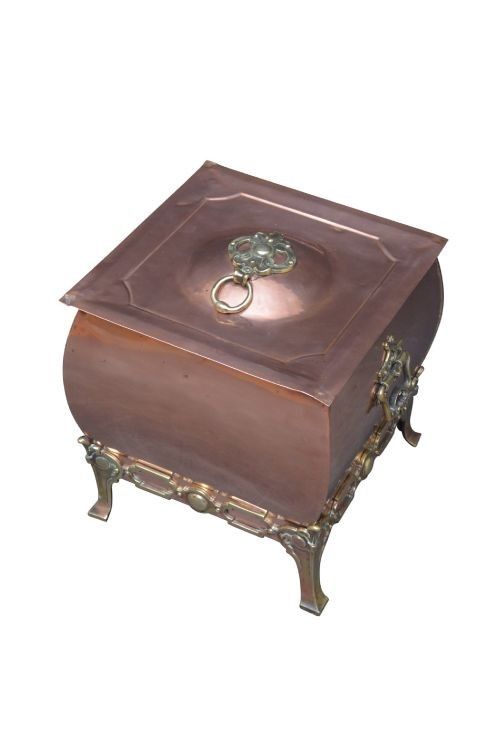
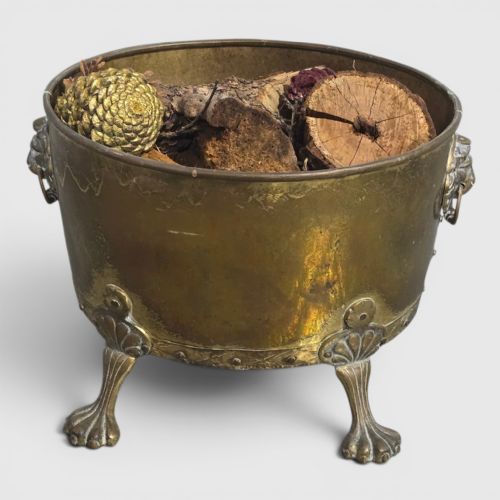
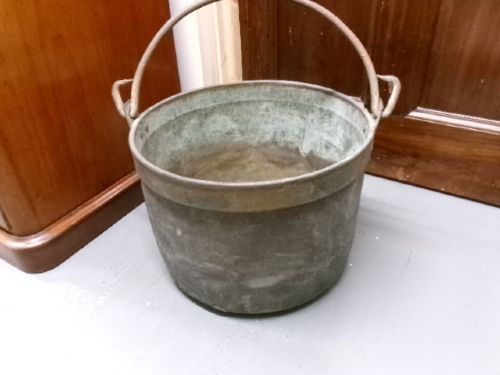
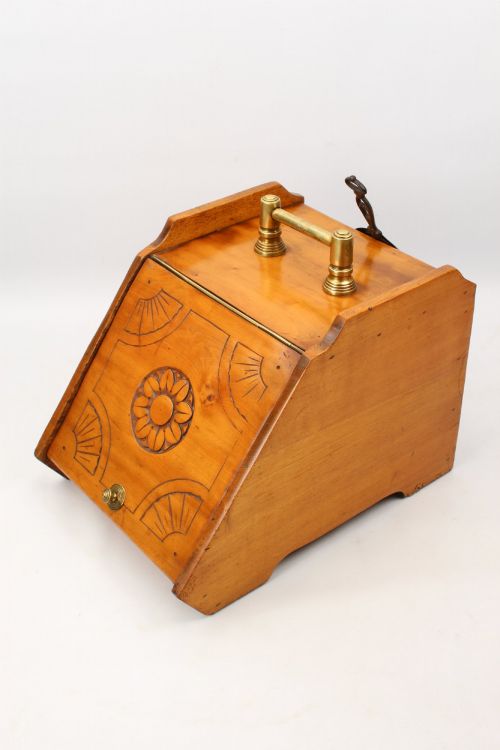
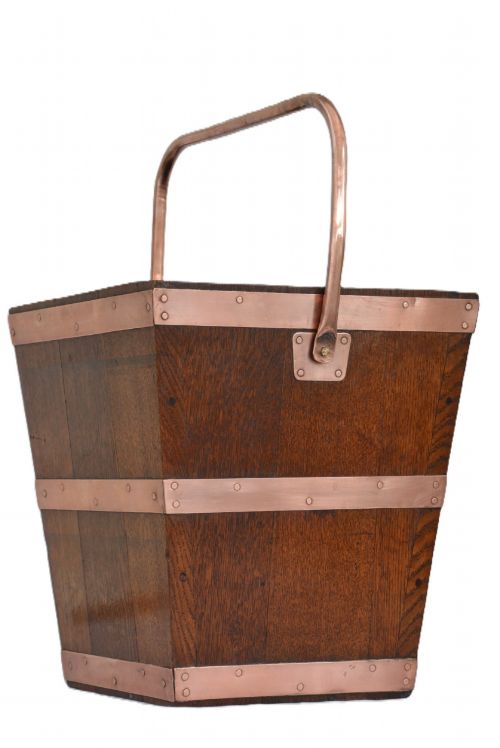
A victorian hearth bucket serves as a fireside receptacle for fuel, appearing primarily in copper, brass, iron, and wood across this selection. These items function as coal scuttles, log bins, peat buckets, and coal helmets designed to sit beside the fireplace.
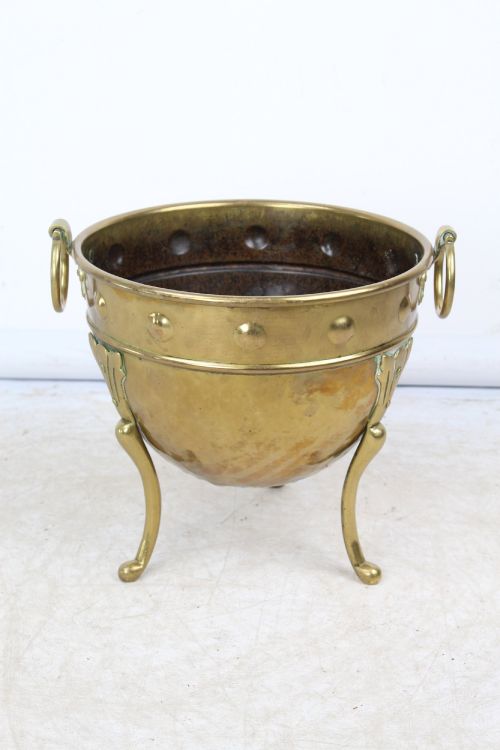
The materials span bright metals and sturdy timbers like oak and mahogany, often shaped into riveted vessels or swing-handled cauldrons. Dating predominantly from the nineteenth century into the early twentieth century, the forms reflect practical domestic utility combined with decorative craftsmanship.
Buyers encounter utilitarian coal buckets alongside ornamental planters and grain measures repurposed for fireside fuel storage. The stylistic influences range from plain industrial versions to detailed Arts and Crafts and Art Nouveau designs.
How they were made
Makers formed the metal bodies of these vessels using beaten copper and sheet brass, frequently joining the seams with visible hand-hammered rivets. Iron and wrought iron provided structural strength for handles and bands, while timber examples utilised solid oak and mahogany.
Metals were often polished or hand-finished to create reflective surfaces, complemented by cast brass handles, feet, and shovels. Wood construction involved coopered staves held tightly by metal hoops or traditional box joinery.
Victorian Hearth Bucket Retail Price Guide 2026
Typical asking prices for victorian hearth bucket among the pieces listed under this phrase on Sellingantiques today, from the lower quarter to the upper quarter. They describe what is for sale here now, not the wider market.
Materials in these listings include copper, brass, iron, oak, and mahogany.
What varies in quality
The calibre of a victorian hearth bucket depends on the weight of the metal gauge and the integrity of its construction. Heavy copper plates and solid brass bands indicate substantial manufacture, whereas thinner sheets yield a lighter, more flexible body.
Detailing distinguishes standard utilitarian vessels from finer items, such as hand-hammered riveting, cast decorative motifs, and the inclusion of original matching shovels. The choice of materials also plays a role, with dense hardwoods and heavy brass fixtures commanding greater presence.
Henry Loveridge·Benham and Froud·Petrus Ramus
The Victorian Hearth Bucket Glossary
- Coal Helmet
- A tall metal fuel container with a flared rim resembling a helmet, designed to pour coal cleanly onto a fire.
- Purdonium
- A specialised cabinet or box for holding coal, usually featuring a sloping front and a hinged lid.
- Cauldron
- A round metal vessel with a rounded base and swing handle, often used historically for holding solid fuel.
- Planter
- A deep container originally intended for foliage that frequently doubles as a log or coal bin in modern settings.
- Grain Measure
- A cylindrical wooden or metal vessel of standard capacity adapted for fireside fuel storage.
Victorian Hearth Bucket: Frequently Asked Questions
What is a hearth bucket used for?
These vessels store solid fuels such as coal, logs, and peat directly beside the fireplace for easy access during burning.
They keep hearth areas tidy by containing dust and debris while adding decorative metal or wood texture to the room.
How do I clean a copper bucket?
Maintenance typically involves dusting and occasional gentle cleaning with a formulation suitable for copper and brass.
Many collectors prefer to preserve the darkened oxidation that develops over decades rather than polishing the metal to a bright shine.
Are these buckets waterproof?
Metal vessels with riveted and sealed seams can hold water, making them suitable for use as plant holders.
Coopers constructed wooden bins from staves that may dry out over time, so liners are often necessary for damp contents.
How do I date a coal scuttle?
Dating relies on material combinations, manufacturing techniques like hand-riveting, and stylistic markers associated with specific periods.
Nineteenth-century items often show heavier gauge metals and distinct construction methods compared to later twentieth-century reproductions.