



Victorian Hallway Sideboard
These pieces known as a victorian hallway sideboard are practical hall furniture designed to hold letters, hats, and keys.
Victorian Hallway Sideboard
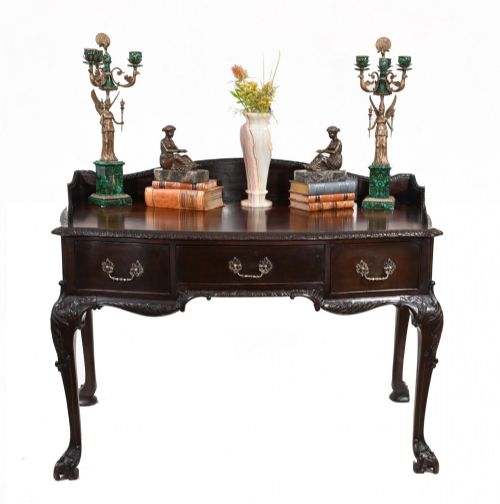
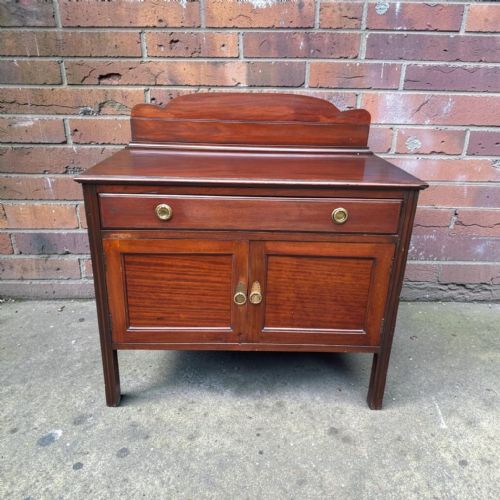
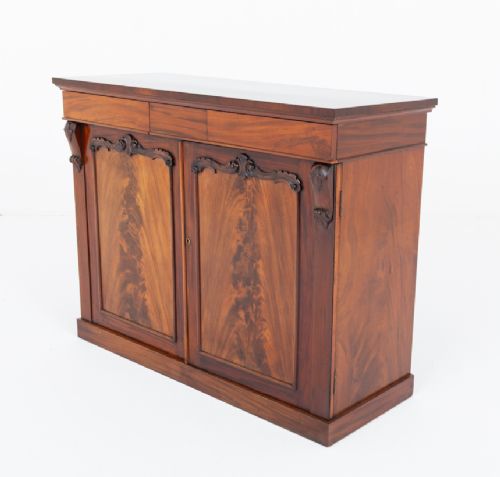
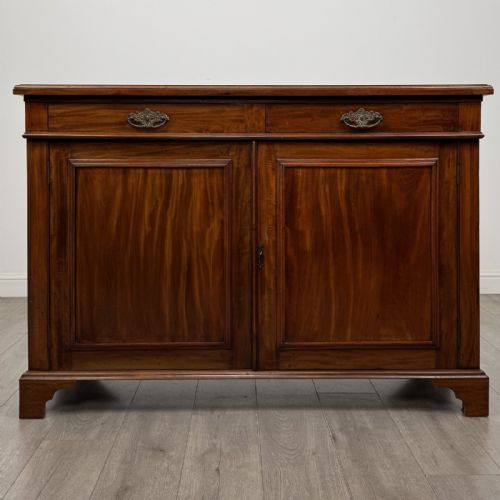
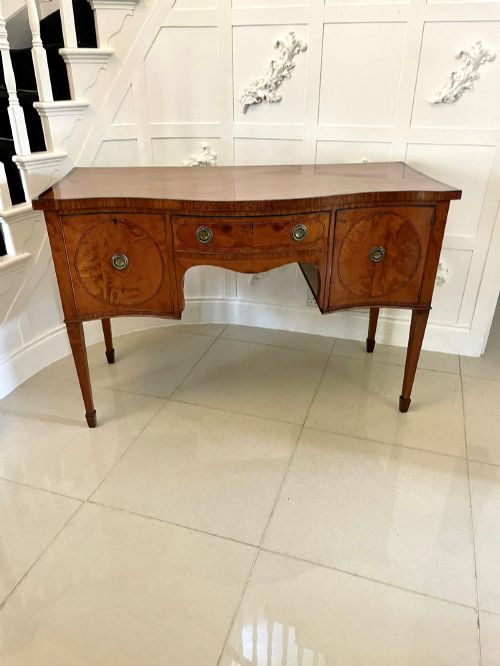
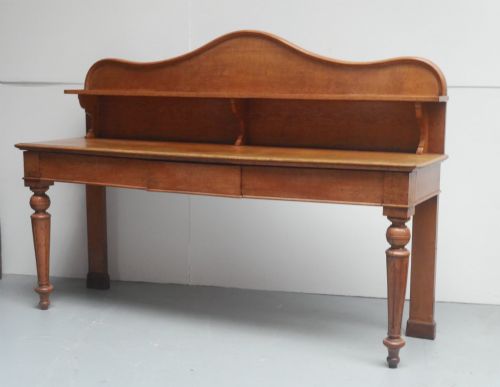
A victorian hallway sideboard encompasses narrow serving tables, console tables, and shallow dresser bases meant for corridors and entrance halls. The selection includes mahogany and oak serving tables alongside marble topped console tables and pine dresser bases from the nineteenth century.
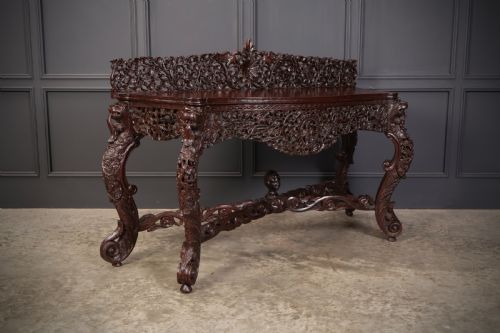
Most examples date from the Victorian period, supplemented by Edwardian and earlier pieces. Makers constructed these items in styles ranging from Victorian Gothic Revival and Anglo Burmese Colonial to Military Campaign and English Country House.
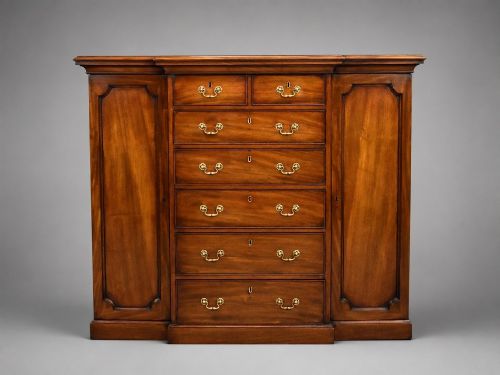
Forms vary from simple oak hall tables to carved mahogany chiffoniers and walnut serving tables. Buyers encounter pieces fitted with brass hardware, glass panels, and marble tops alongside plain wooden surfaces.
How They Were Made
Cabinet makers utilised dense hardwoods such as mahogany, oak, satinwood, walnut, and padauk, often pairing them with pine carcases and marble tops. Brass fittings and iron details reinforced structural joints on campaign and console tables.
Surface treatments range from hand waxed pine and carved mahogany to painted finishes on eighteenth century dresser bases. Joinery methods reflect period techniques, utilising pegged joints and dovetailed drawers.
Victorian Hallway Sideboard Retail Price Guide 2026
Typical asking prices for victorian hallway sideboard among the pieces listed under this phrase on Sellingantiques today, from the lower quarter to the upper quarter. They describe what is for sale here now, not the wider market.
Campaign style tables packed into boxes for officers on the move.
What Varies in Quality
The refinement of carving distinguishes standard hallway furniture from finer productions, seen in detailed mouldings and serpentine shapes. Timber selection also dictates grade, with figured mahogany and figured satinwood commanding attention over utilitarian pine.
Original components such as brass handles and intact marble slabs elevate an item's integrity. The precision of the joinery and the preservation of the original surface finish separate well kept examples from heavily altered pieces.
The Victorian Hallway Sideboard Glossary
- Chiffonier
- A low sideboard or cabinet featuring a combination of drawers and cupboards, commonly developed during the nineteenth century. These items served as compact storage in hallways and reception rooms.
- Campaign style
- Portable furniture designed for military officers, characterised by brass corners, inset handles, and knock down construction. Such items utilised durable hardwoods to withstand travel.
- Serpentine shaped
- A piece of furniture featuring a front edge curved in a convex centre flanked by concave ends. This contour required advanced woodworking skill.
- Dresser base
- The lower section of a kitchen or hall dresser, constructed with cupboards or drawers beneath a flat top. These sturdy pieces provided heavy storage in domestic interiors.
- Padauk
- A heavy, durable tropical hardwood displaying a reddish hue, utilised in colonial cabinet making. It resists decay and takes a fine carved finish.
Victorian Hallway Sideboard: Frequently Asked Questions
Where should I place a hallway sideboard?
These narrow tables suit entrance halls, narrow corridors, and reception rooms where floor space is limited. Their shallow profiles allow them to sit flat against walls without blocking passageways.
They provide a surface for post, lamps, and decorative bowls while offering concealed storage in drawers and cupboards below.
How do I clean a marble top table?
Wipe marble surfaces with a soft damp cloth and mild neutral soap to remove dust and daily grime. Avoid acidic cleaners, vinegar, and abrasive scouring pads that etch and dull the stone polish.
Dry the surface thoroughly after washing to prevent water marks. Periodic sealing helps protect the porous stone from stains.
Can I use a chiffonier in a small room?
A chiffonier works well in compact spaces due to its shallow depth and low profile. The combination of surface display area and enclosed cupboard storage maximises utility without dominating the room.
Placement against a main wall keeps walkways clear while offering practical storage for everyday items.
What is the difference between a serving table and a console table?
Serving tables traditionally stood in dining rooms to hold dishes, while console tables fixed against walls often featured decorative brackets or legs. In modern hallways, both terms describe long, narrow tables used for display and storage.
Console tables more frequently feature marble tops, whereas serving tables are typically constructed entirely from timber.