

Victorian Hall Desk
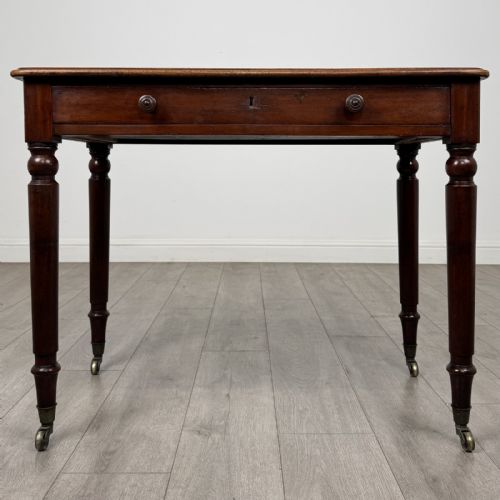
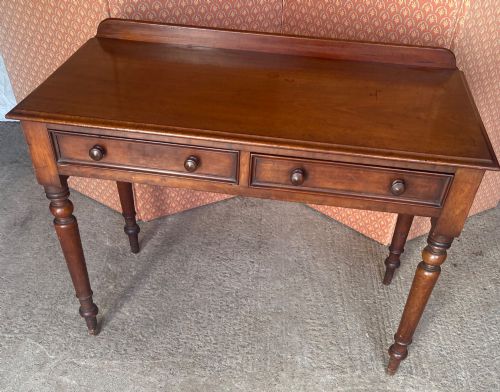
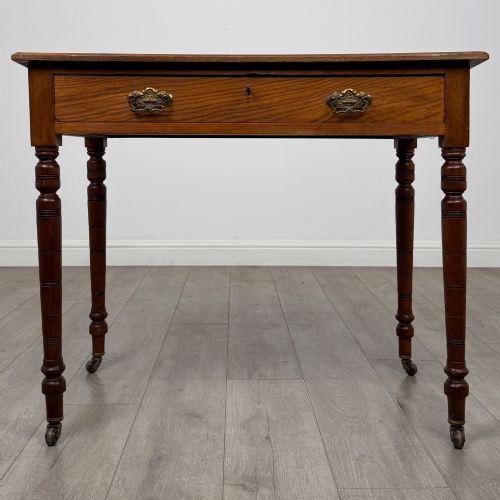
A victorian hall desk combines the practical surface of a writing table with the compact scale suited to a narrow entrance space.
Victorian Hall Desk
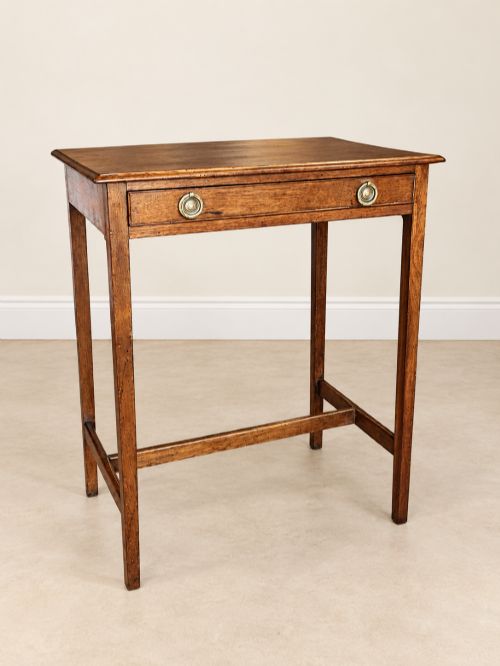
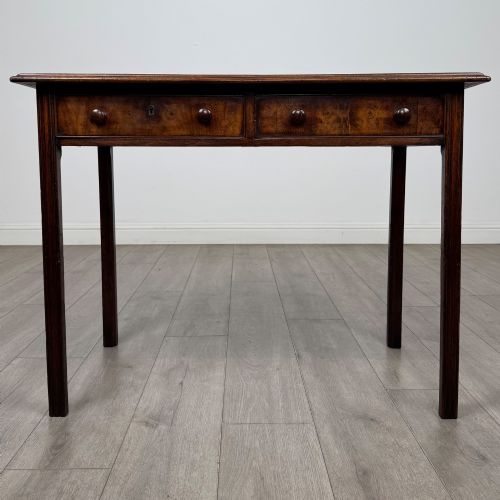
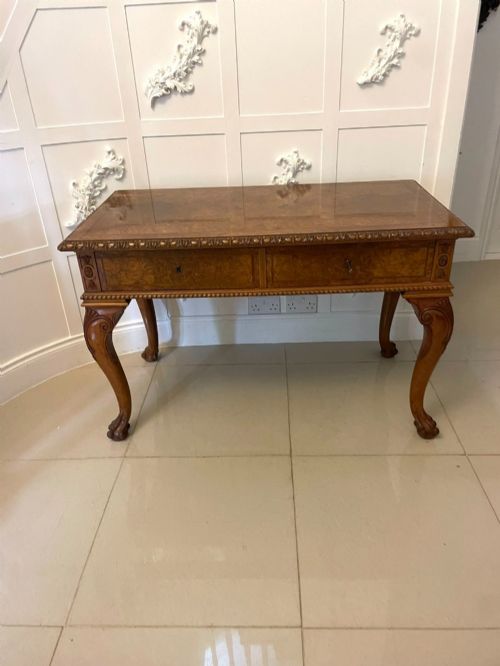
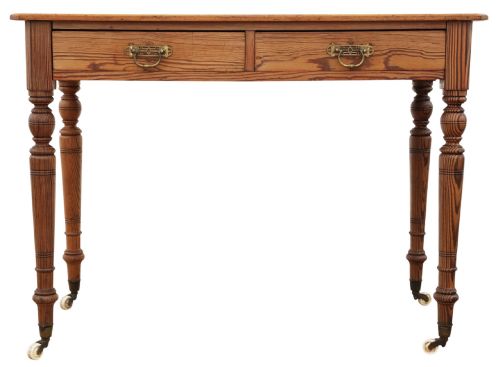
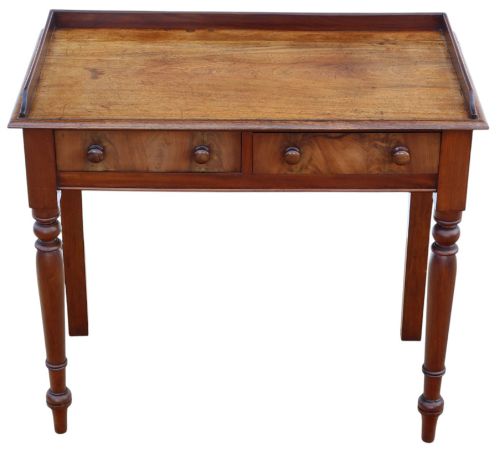
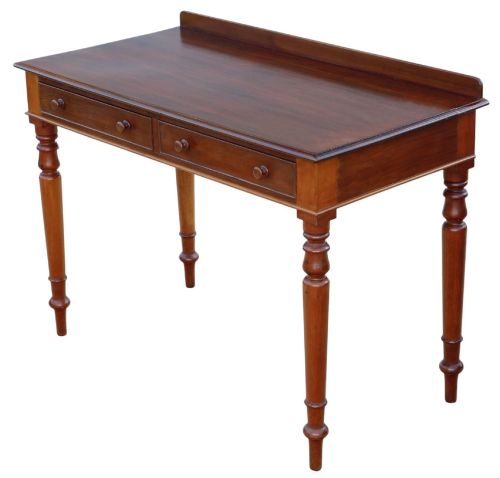
A victorian hall desk typically manifests as a side table, console table, or writing table equipped with one or two drawers to the front frieze. These pieces originate primarily from the nineteenth century, spanning periods from early Victorian work through to later revival styles.
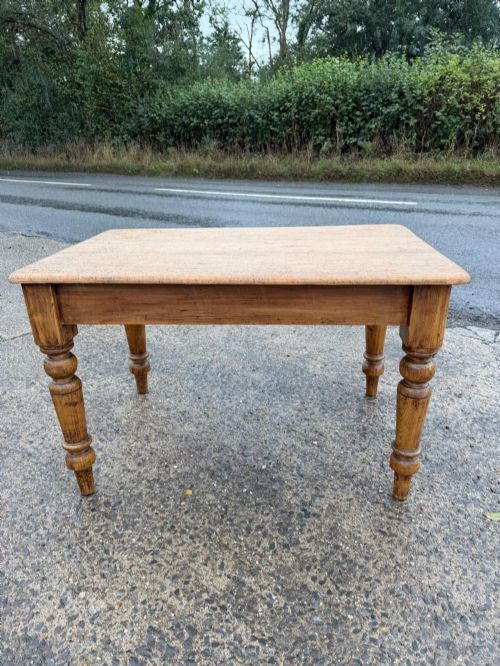
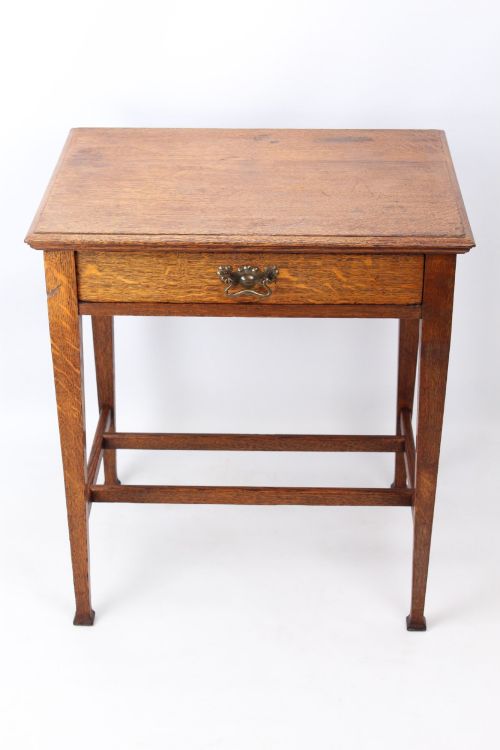
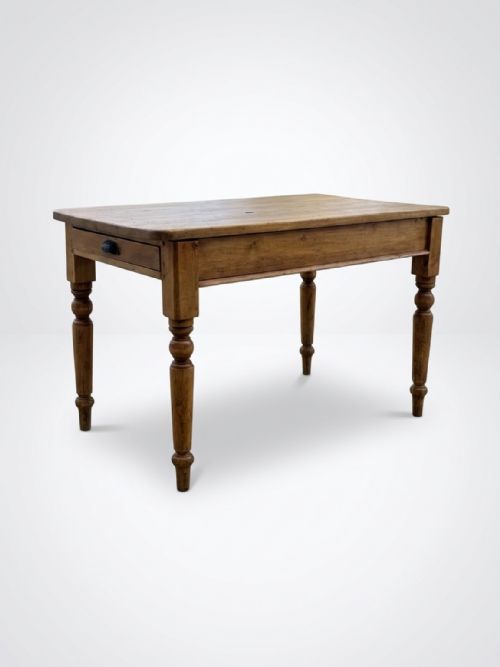
The evidence shows these items frequently double as writing tables or side serving tables, designed to fit compactly in hallways or reception spaces. Buyers will encounter various forms ranging from plain pine utility pieces to substantial carved oak and mahogany examples.
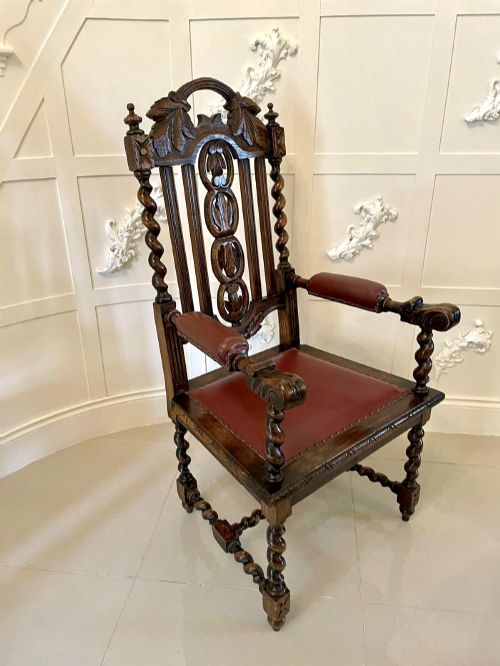
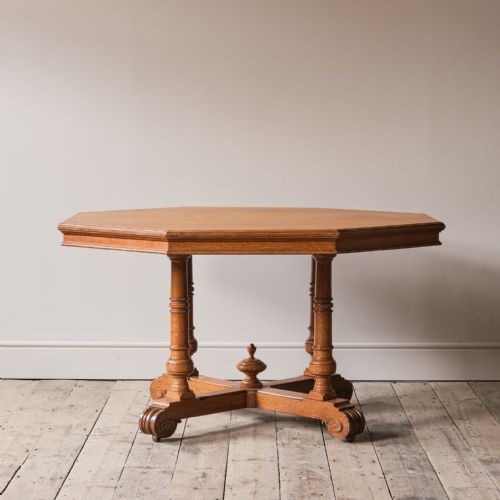
Makers often drew upon Gothic Revival, Renaissance Revival, and Aesthetic Movement influences to decorate the timber frames. Such variations ensure that a piece can serve as a functional writing surface or a decorative console depending on its proportions.
Materials and Construction
Makers utilised a wide array of timbers recorded in the evidence, predominantly mahogany, oak, walnut, pitch pine, and standard pine. Hardwoods like mahogany and walnut provided the structural integrity required for fine writing surfaces and turned legs, while pine served well for secondary framework and simpler regional items.
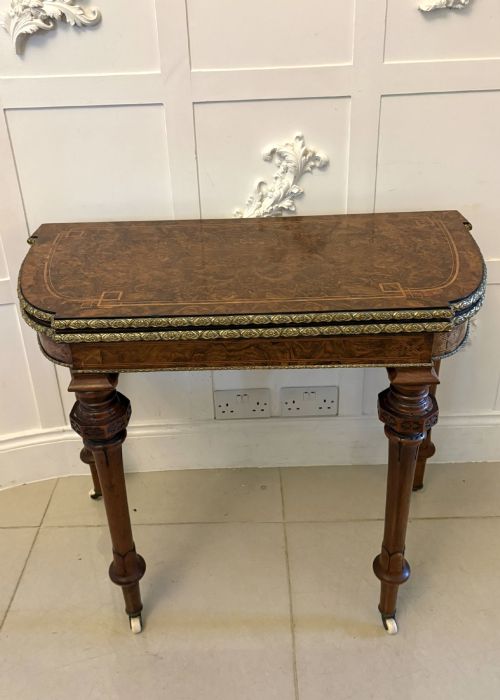
Construction techniques relied on solid timber framing supplemented by flame mahogany veneers and decorative carving, particularly in Gothic Revival and Green Man designs. Brass hardware often furnished handles and drawer pulls, completing pieces designed for daily domestic administration.
One unexpected sewing machine table slips into the Victorian lineup, proving that domestic productivity took many forms.
Distinctions in Standard
Quality rests heavily on the selection of timber, moving from utilitarian pine and pitch pine up to figured burr walnut, satinwood, and flame mahogany veneers. Superior examples display careful attention to timber grain, precise drawer construction, and disciplined carving rather than plain mass production.
The reputation of the workshop or cabinet maker also dictates standing, with documented attributions to notable makers commanding distinct attention. Overall design ambition, from simple single-drawer side tables to elaborate carved Gothic forms, separates standard utility furniture from high decorative pieces.
Heal and Son·Edward And Roberts·Gillows·Walker And Hall·Singer
The Victorian Hall Desk Glossary
- Frieze drawer
- A drawer integrated directly into the horizontal band beneath the tabletop. This is the primary storage feature found on side tables and writing desks.
- Gothic Revival
- An architectural and decorative style drawing on medieval forms. Pieces often feature pointed arches, heavy linenfold panels, and carved motifs.
- Flame mahogany
- A distinct timber grain pattern showing undulating, flame-like figures. It was sliced from specific cuts of mahogany to create decorative veneered surfaces on fine tables.
- Pitch pine
- A resinous pine variety common in nineteenth-century joinery. It provides a durable surface with a pronounced grain pattern.
- Centre table
- A freestanding table designed to be viewed from all sides rather than pushed against a wall. Many pieces listed share this flexible configuration.
Victorian Hall Desk: Frequently Asked Questions
What is a victorian hall desk used for?
These tables provided a convenient surface in entrance hallways for sorting post, keeping household account books, and storing keys in the frieze drawer.
They bridge the gap between a decorative console and a working writing table without occupying the floor space of a full library desk.
How do I identify a nineteenth-century piece?
Examine the timber selection, construction methods, and hardware integration within the drawer framing. Nineteenth-century examples typically utilise solid secondary woods and hand-cut joinery consistent with the period.
Style indicators such as Gothic Revival carving or Aesthetic Movement lines also help anchor the piece within the Victorian era.
Can I use a hall desk for daily writing?
Many surviving examples were explicitly designed as writing tables with shallow drawers for stationery. Their compact dimensions suit modern laptop use or occasional correspondence.
Consider the kneehole clearance and table height when pairing the desk with an appropriate chair.
What woods were commonly used?
Makers worked extensively with indigenous and imported hardwoods including mahogany, oak, walnut, and rosewood. Softer woods like pine and pitch pine appeared frequently in regional pieces and washstands.
Finer desks often featured decorative veneers such as satin birch, satinwood, or burr walnut on the primary surfaces.