
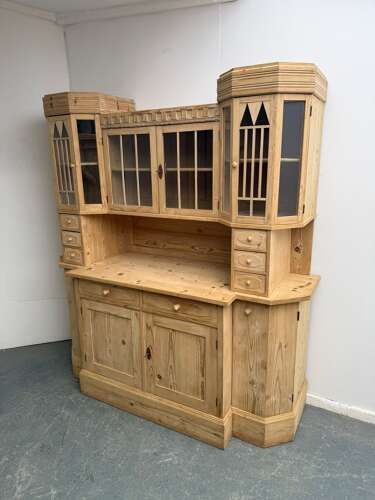
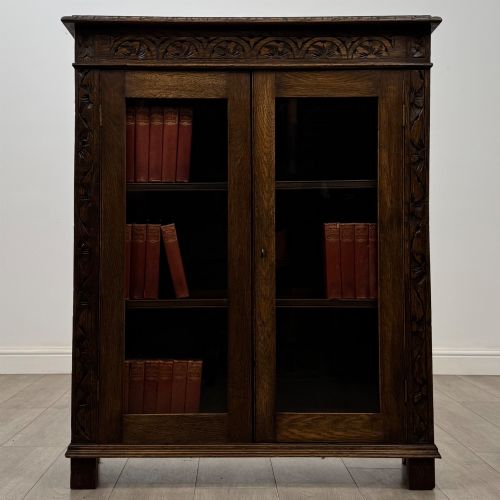
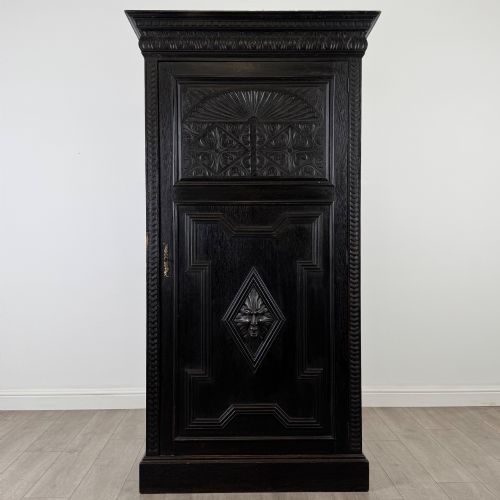
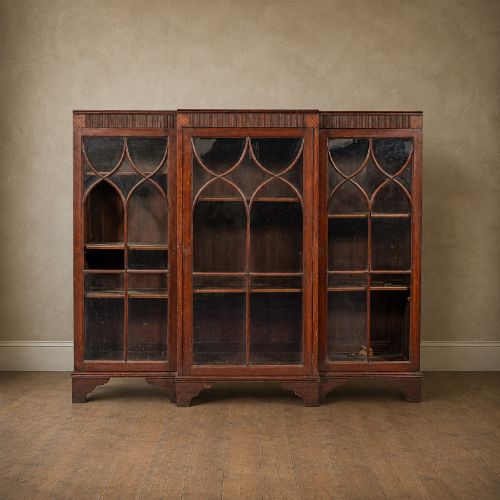

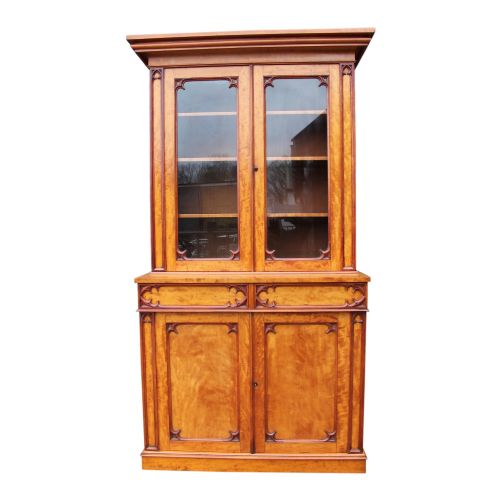
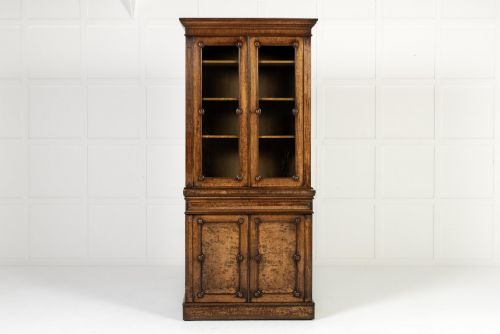
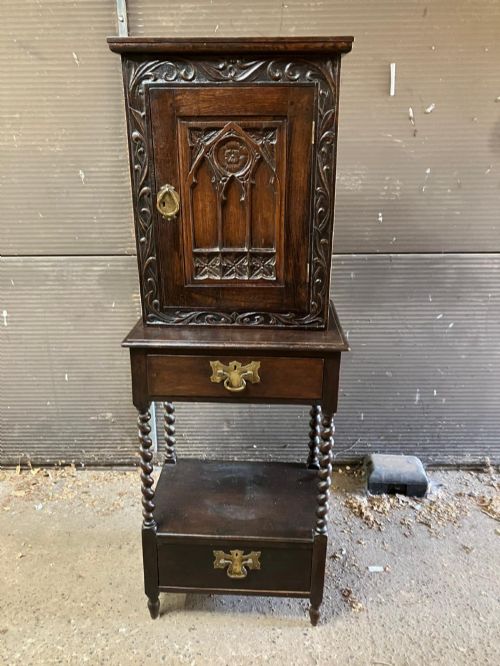
Victorian Gothic Revival Cupboard
These pieces unite architectural drama and everyday storage, bringing the distinct character of a victorian gothic revival cupboard into domestic rooms.
Victorian Gothic Revival Cupboard
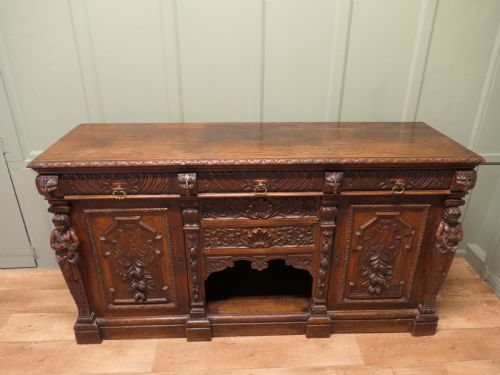
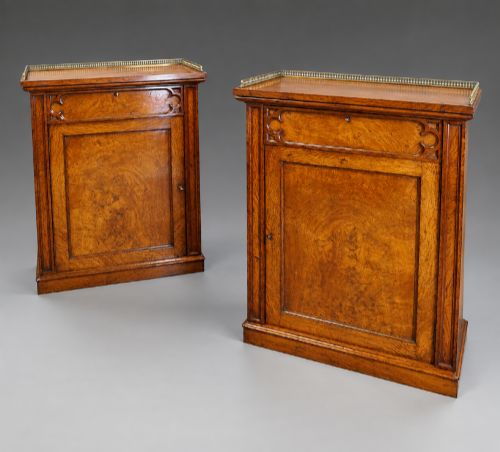
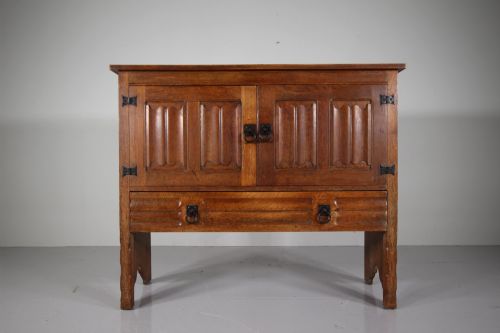
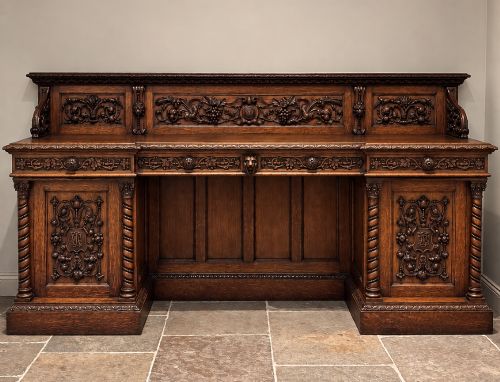
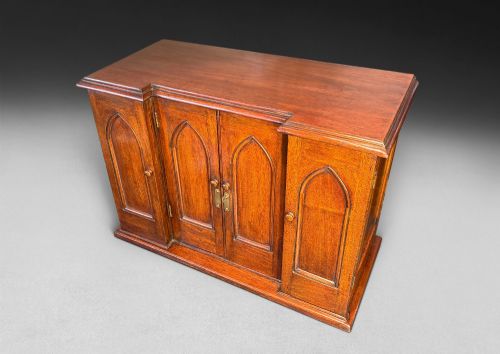
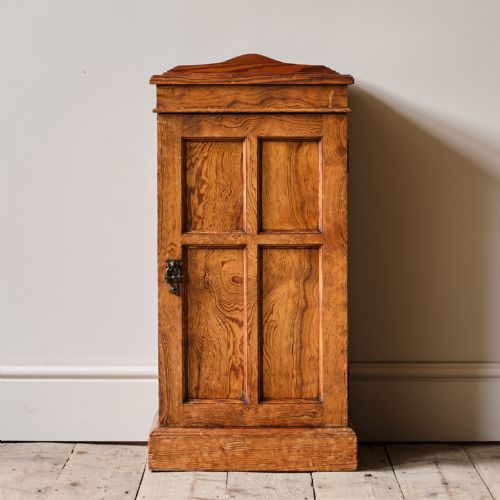
A victorian gothic revival cupboard combines medieval architectural motifs like pointed arches and tracery with the practical storage needs of the nineteenth century. Buyers encounter smaller wall-mounted units, bedside cabinets, and substantial hall cupboards built during the Victorian period.
Most examples originate from the nineteenth century, utilising robust timbers shaped into cabinets, bookcases, and sideboards. The forms draw directly on historical Gothic structures, translated into functional furniture for Victorian interiors.
Materials and construction
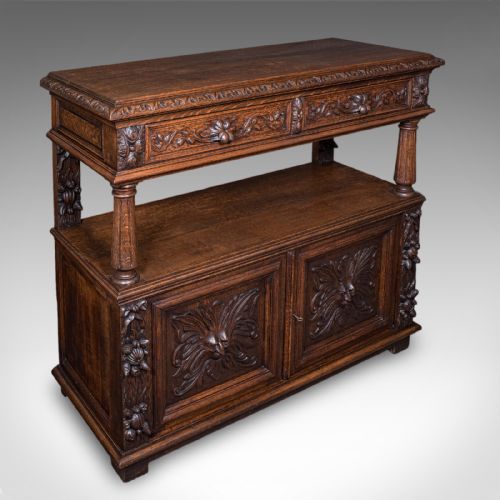
Makers relied heavily on solid oak, alongside pine, mahogany, walnut, and satinwood, often incorporating brass and iron hardware for hinges and locks. Timber selection dictated the weight and presence of the piece, with dense oak providing a suitable base for deep relief carving.
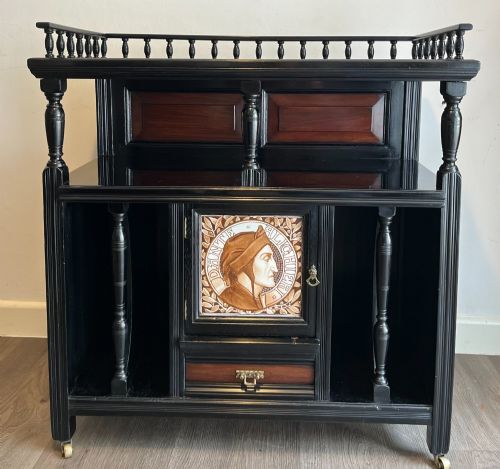
Construction techniques include panel-and-frame assembly to accommodate wood movement, alongside hand-cut dovetails in drawers. Surface finishes range from wax polish on exposed grain to ebonised treatments mimicking heavier historic woods.
The listings demonstrate a strong preference for oak across the period, accompanied by occasional use of walnut, mahogany, and satinwood.
Assessing craftsmanship
Quality rests in the crispness of the architectural carving and the selection of timber figures, such as pollard or quarter-sawn oak. Superior examples display deeply undercut tracery, chamfered framing, and integrated ironwork that complements the Gothic aesthetic.
Construction integrity distinguishes workshop output, seen in tight joinery, original backboards, and substantial brass hinges. Weaker pieces show coarse proportions and mechanical decoration applied without regard for historical joinery traditions.
John Moyr Smith
The Victorian Gothic Revival Cupboard Glossary
- Tracery
- Openwork stonework patterns translated into wooden panels or door frames, typically featuring cusps and pointed arches.
- Creedence cabinet
- A small side table or cupboard traditionally used for holding church plate, adapted in the nineteenth century for domestic display.
- Pollard oak
- Timber taken from trees that have been pollarded, producing a dense, highly figured grain prized by cabinet makers.
- Ebonised wood
- Timber stained or treated to imitate ebony, commonly used on nineteenth-century Revival furniture to create stark contrast.
- Green Man
- A sculptural motif of a human face disgorged from foliage, frequently carved into the woodwork of this period.
Victorian Gothic Revival Cupboard: Frequently Asked Questions
What rooms suit a gothic cupboard?
These cabinets suit hallways, living rooms, and studies where architectural woodwork adds depth to interior walls.
Their substantial timber presence anchors a room, functioning as display space or concealed storage for books and tableware.
How do I date these pieces?
Dating relies on timber preparation, handle styles, and construction methods characteristic of the nineteenth century.
Later Victorian pieces often incorporate machine-cut elements, whilst mid-century examples display entirely hand-finished joinery and distinct revival styling.
Are these pieces strictly oak?
Whilst oak is predominant, makers utilised mahogany, walnut, pine, and satinwood depending on regional traditions and the intended finish.
Alternative woods like ebonised timber or stained pine were frequently employed to achieve specific historical appearances.
How do I maintain the finish?
Regular application of quality beeswax maintains the moisture and natural lustre of antique timber surfaces.
Avoid placing pieces in direct sunlight or near heat sources to prevent the wood from splitting or warping over time.