



Gothic Revival Armoire
These gothic revival armoire pieces combine architectural tracery with generous storage, bringing centuries of ecclesiastical presence directly into the bedroom.
Gothic Revival Armoire
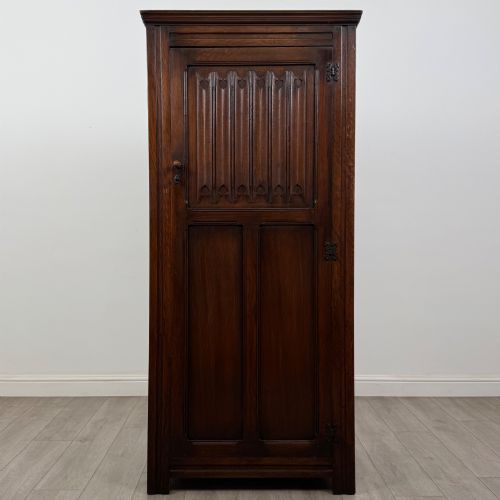
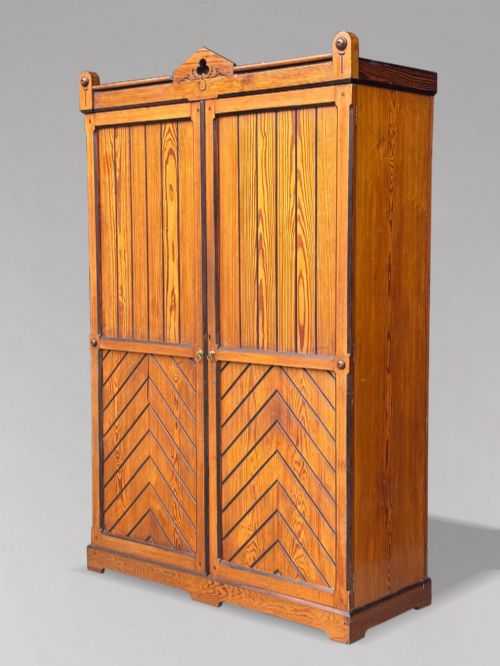
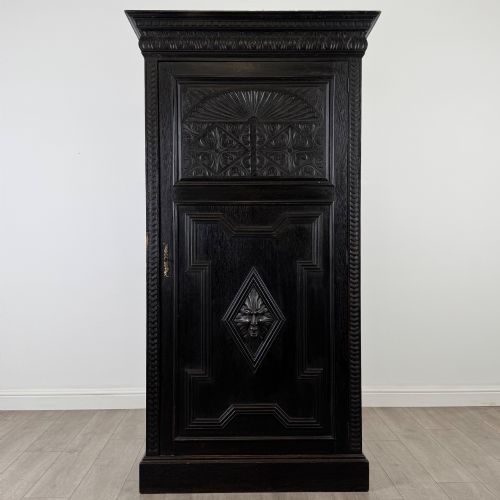
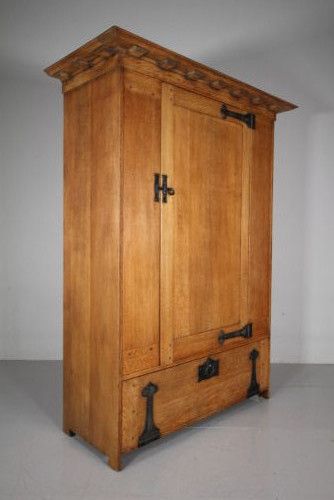
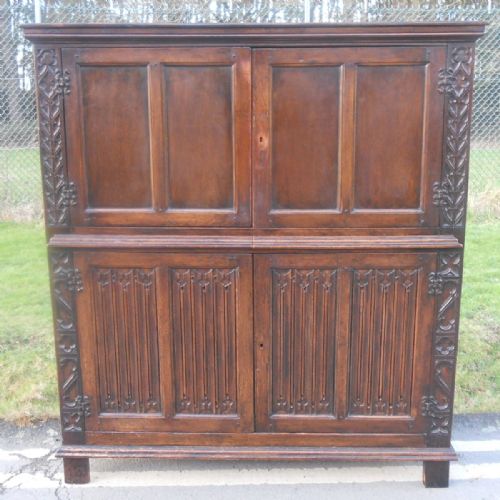
When you search for a gothic revival armoire, you encounter substantial timber furniture built to echo medieval ecclesiastical architecture and domestic mediaevalism. The examples appearing here span from the nineteenth century through to the early twentieth century, taking the form of large wardrobes, storage cupboards, and housekeeper's cupboards.
The pieces most frequently met on this page are constructed from oak, ranging from solid oak to pitch pine and painted wood. Stylistic variations include Victorian Gothic Revival, Edwardian Gothic Revival, Arts and Crafts, and Renaissance Revival influences.
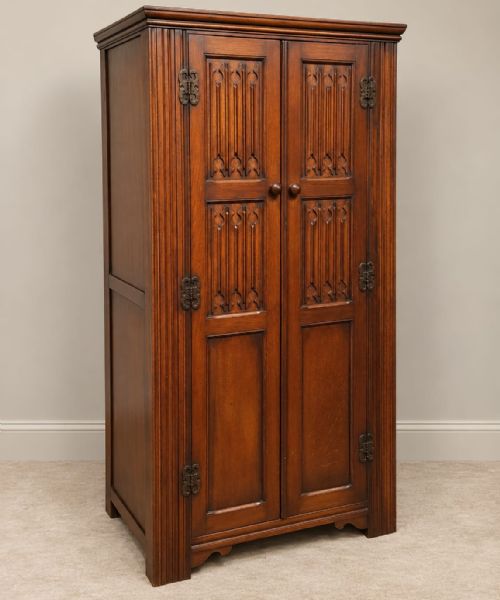
The forms serve practical storage needs while displaying characteristic mediaeval motifs such as pointed arches, panelled doors, and heavy mouldings. Scottish, English, French, and Breton regional variations all contribute to the selection available to the buyer.
What varies in quality
The standard of carving determines much of the distinction between pieces, moving from crisp, deep architectural relief down to simpler, flatter surface decoration. Artisanal depth in the linenfold panels or tracery indicates a higher tier of workmanship.
The choice of primary timber also sets pieces apart, with heavy solid oak and pitch pine representing a sturdier build than painted wood or secondary softwood linings. Original brass and wrought iron mounts preserved on the doors elevate the integrity of the piece.
Heals
The Gothic Revival Armoire Glossary
- Gothic Revival
- An architectural and decorative style drawing inspiration from mediaeval design, featuring pointed arches and structural tracery. This movement shaped much nineteenth-century furniture production.
- Armoire
- A large freestanding cupboard or wardrobe used primarily for hanging or storing garments. Traditional versions feature two full-length doors enclosing shelving or hanging space.
- Linenfold
- A style of wood panelling carved to resemble folded vertical folds of fabric. It appears frequently on the doors and sides of mediaeval and revival cabinets.
- Tracery
- Openwork stonework patterning translated into woodwork, often seen in the upper glazed or panelled sections of revival cabinets. It defines the ecclesiastical aesthetic of the period.
Gothic Revival Armoire: Frequently Asked Questions
Where should I place a gothic revival armoire?
These large storage pieces require a substantial wall with adequate clearance for their heavy panelled doors to swing open fully.
Their architectural presence suits high-ceilinged bedrooms or hallways where the timber tones and mediaeval carvings can anchor the room.
How do I care for solid oak furniture?
Protect the timber from direct sunlight and sudden temperature shifts to prevent the solid oak and pine panels from splitting or warping.
Apply a traditional beeswax polish occasionally to nourish the grain and maintain a soft lustre on the carved surfaces.
What is the difference between an armoire and a wardrobe?
An armoire typically denotes a large, deep cupboard with shelves or flexible internal storage, whereas a wardrobe is designed primarily for hanging garments.
In older listings, these terms are often used interchangeably to describe large timber storage furniture.
How do I identify the period of a gothic revival piece?
Examine the internal construction methods, secondary timbers, and the style of the hardware to distinguish nineteenth-century examples from later revival pieces.
Victorian and Edwardian pieces often incorporate machine-sawn elements alongside hand-carved decorative motifs.