

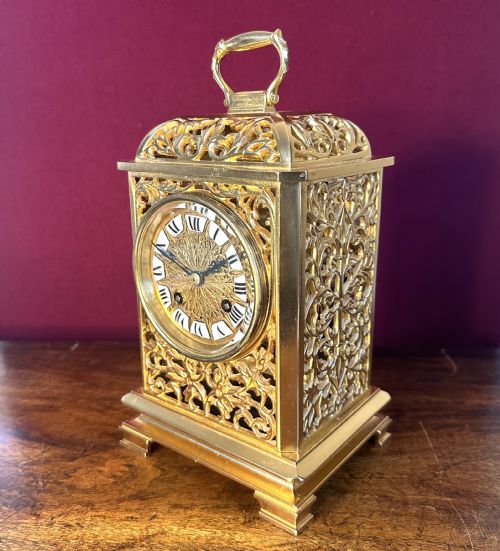


Victorian Gothic Mantel Clock
A victorian gothic mantel clock combines architectural presence with precise mechanical timekeeping, offering a striking centrepiece for any room.
Victorian Gothic Mantel Clock
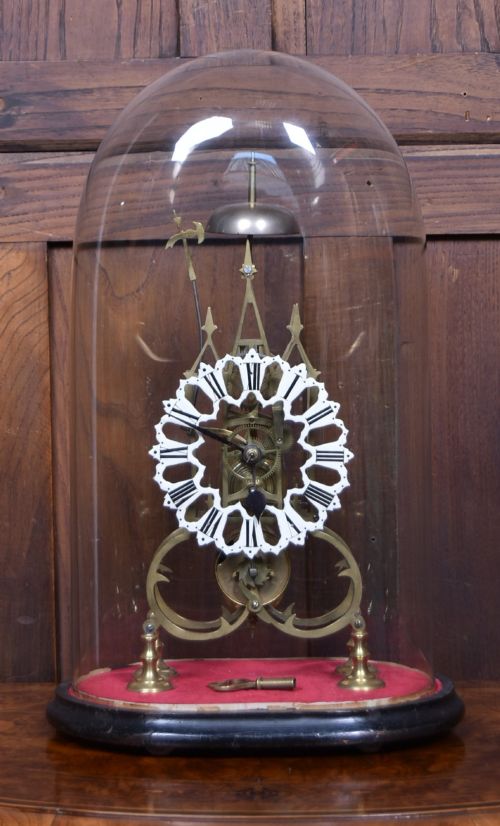
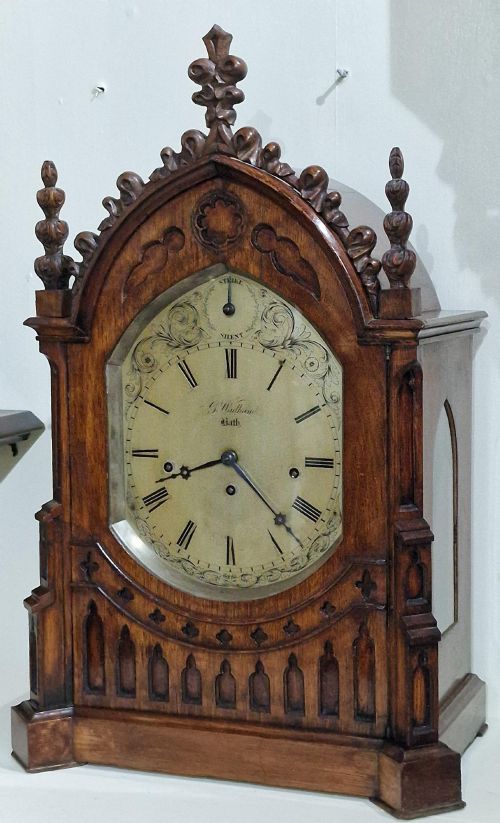
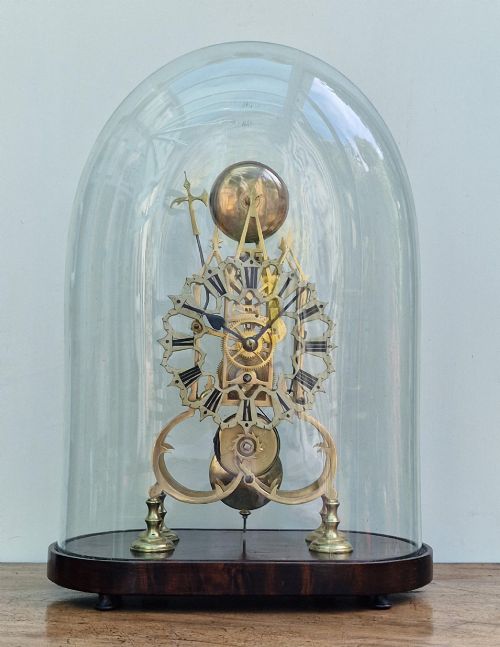
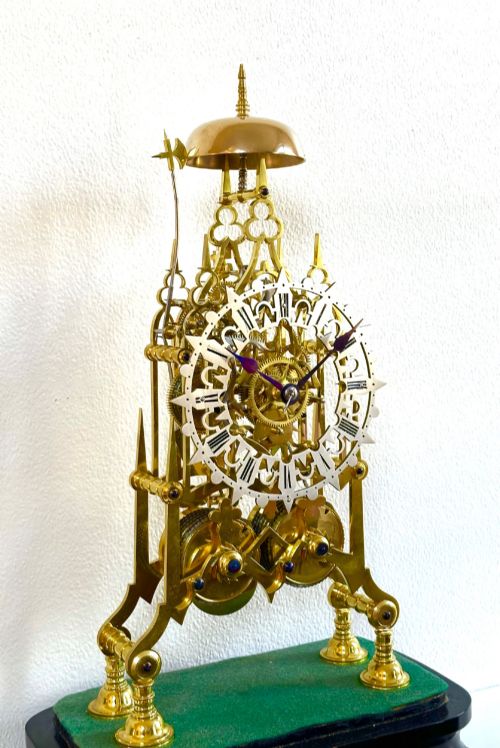
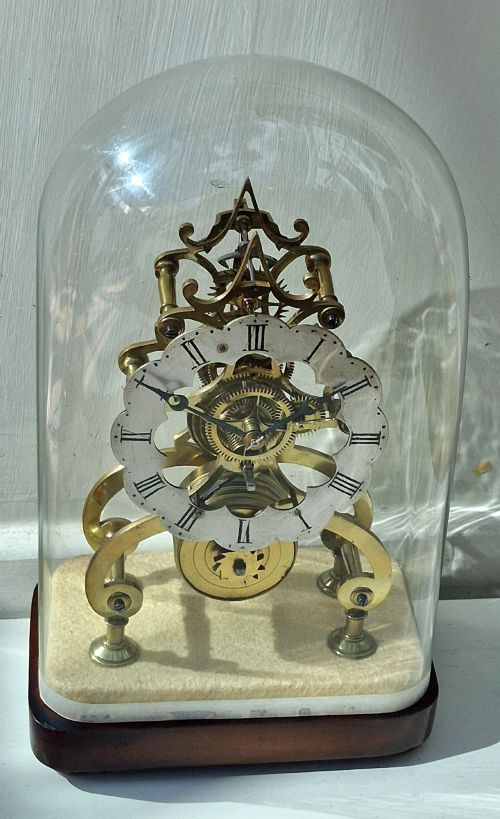
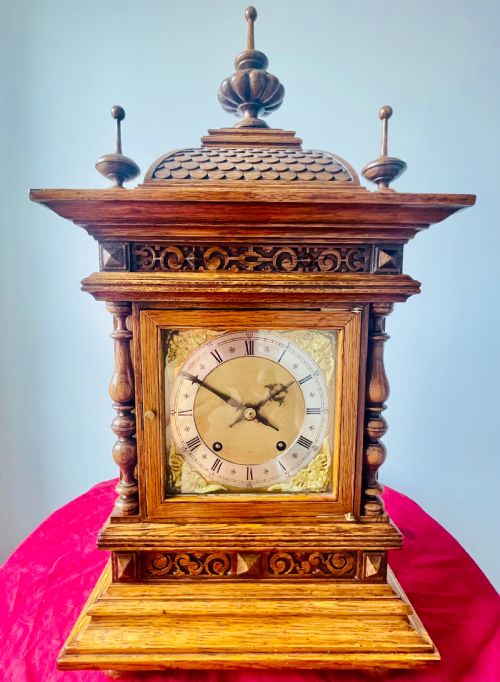
When searching for a victorian gothic mantel clock, a buyer encounters timepieces heavily influenced by architectural forms, pointed arches, and medieval details. These objects range from heavy bronze and brass mantle pieces to elaborate skeleton clocks and steepled mahogany bracket clocks.
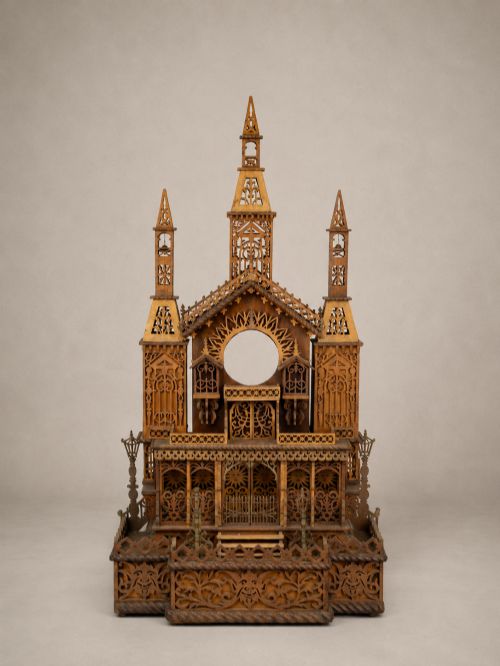
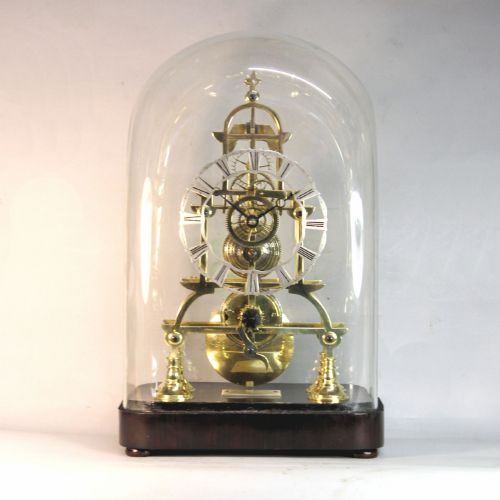
The versions most frequently met on this page date predominantly from the nineteenth century, spanning decades such as the eighteen-fifties through the eighteen-nineties. Alongside traditional mantel clocks, the selection includes architectural fretwork cases, glass-domed skeleton movements, and cathedral-style garnitures.
Originating largely from British and continental workshops, these clocks reflect diverse stylistic movements including Gothic Revival, Black Forest, and the Aesthetic Movement. They function simultaneously as practical timekeepers and decorative sculptures designed for prominent placement on a mantel or table.
Materials and construction
Makers constructed these clocks using robust timber frames such as mahogany, oak, and ebonised wood, alongside cast bronze, brass, and faux marble. Many delicate skeleton movements and exposed gear trains remained protected beneath original glass domes.
Movements relied on complex mechanical engineering, utilising fusee drives, twin or triple fusee systems, and quarter-striking capabilities. Dials featured enamelled chapters while cases incorporated intricate fretwork, carving, and metallic casting.
Some nineteenth-century clockmakers added passing strikes so their mantelpieces murmured softly as the half-hour slipped by.
Markers of quality
Quality in these clocks rests upon the precision and complexity of the internal movement, such as fusee mechanisms and quarter-striking trains by notable makers. Superior examples exhibit crisp architectural carving, heavy cast bronze or brass, and intact original glass domes.
The refinement of the dial work, the weight and finish of the timber or metal case, and the overall architectural proportion distinguish higher-tier pieces. Fully integrated designs where the movement and case share a cohesive gothic aesthetic command greater regard.
Winterhalder and Hofmeier·Thwaites of London·Richard Winter of Chieveley·E White of Manchester·Beha
The Victorian Gothic Mantel Clock Glossary
- Fusee
- A conical pulley used in clock movements to maintain even tension on the chain as the mainspring unwinds. This mechanism ensures more accurate timekeeping throughout the duration of the power reserve.
- Skeleton clock
- A timepiece with an open framework designed to reveal the inner gear train and escapement. These clocks are frequently displayed beneath glass domes.
- Bracket clock
- A portable table clock originally designed to sit upon a wall bracket or a mantelpiece. They often feature elaborate wooden cases and striking mechanisms.
- Garniture
- A set of matching ornamental objects consisting of a central clock flanked by matching decorative pieces such as urns or candelabra. They were popular centrepieces for nineteenth-century mantelpieces.
- Triple fusee
- A complex clock movement driven by three separate fusee chains controlling timekeeping, striking, and chiming functions. This setup is typical of high-quality musical or quarter-chiming bracket clocks.
Victorian Gothic Mantel Clock: Frequently Asked Questions
What is a fusee movement?
A fusee movement uses a conical drum and a chain to equalise the power delivered by the mainspring as it unwinds. This clever engineering ensures the clock maintains consistent force and accuracy over its running period.
Such movements indicate a higher standard of clockmaking craftsmanship compared to standard spring-driven alternatives.
Why do some clocks have glass domes?
Glass domes were manufactured to protect delicate skeleton clock movements from dust, airborne soot, and accidental damage while allowing the intricate gear trains to remain visible from all angles.
Original domes are particularly valued by collectors as they complete the historical integrity of the piece.
How do I identify a Gothic Revival case?
Gothic Revival clock cases typically feature architectural elements drawn from medieval buildings, such as pointed arches, lancet tops, buttresses, and elaborate fretwork. Bronze and dark wood were frequently utilised to emulate stone and ironwork.
These design motifs reflect a nineteenth-century fascination with medieval ecclesiastical architecture.
Where should I place a heavy bracket clock?
These heavy timepieces require a sturdy, level surface such as a solid mantelpiece, a heavy wooden table, or a dedicated wall bracket fixed securely into masonry. A stable foundation prevents vibrations that can disrupt the pendulum and escapement.
Ensure the location protects the clock from direct sunlight and excessive temperature fluctuations.