


Victorian Gothic Light
Victorian gothic light fixtures combine heavy ecclesiastical metalwork with pointed architectural forms, bringing a dramatic ecclesiastical presence into domestic interiors.
Victorian Gothic Light
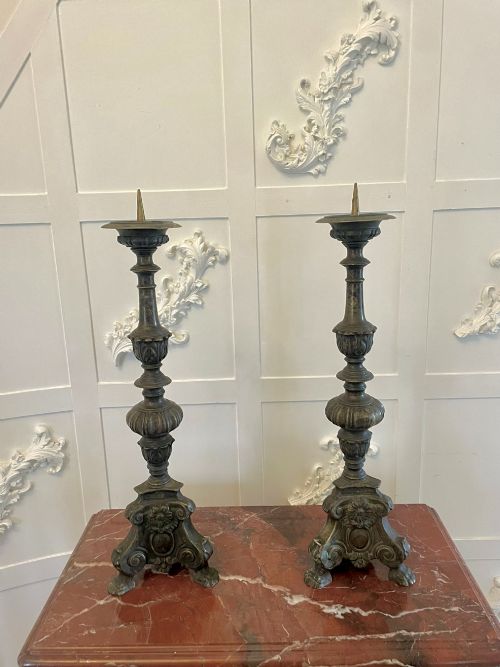
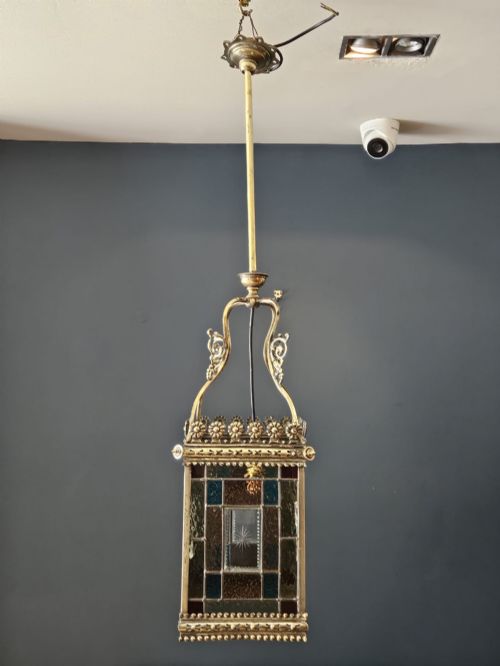
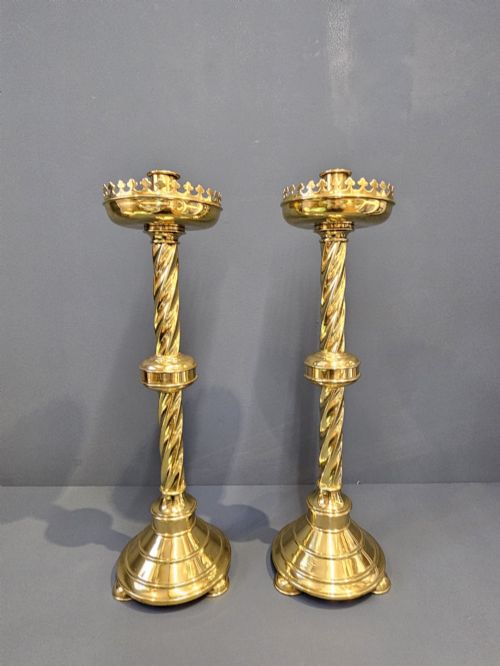
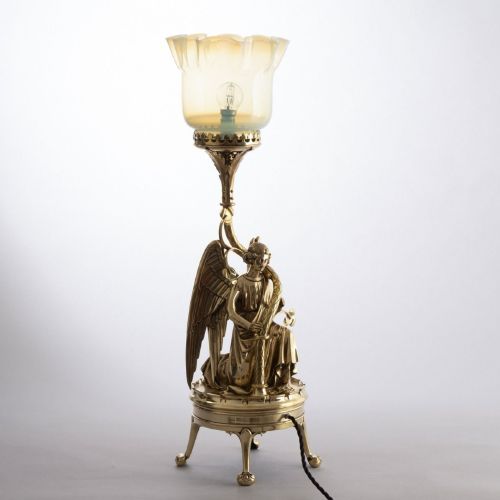
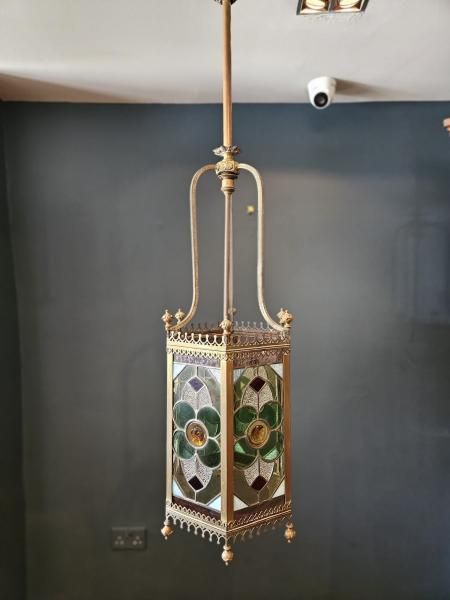
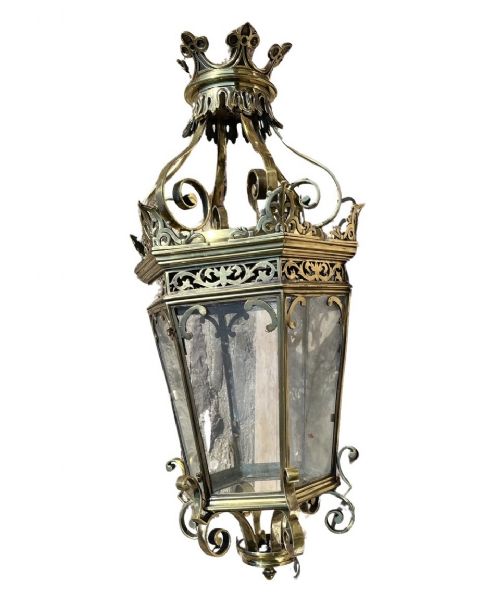
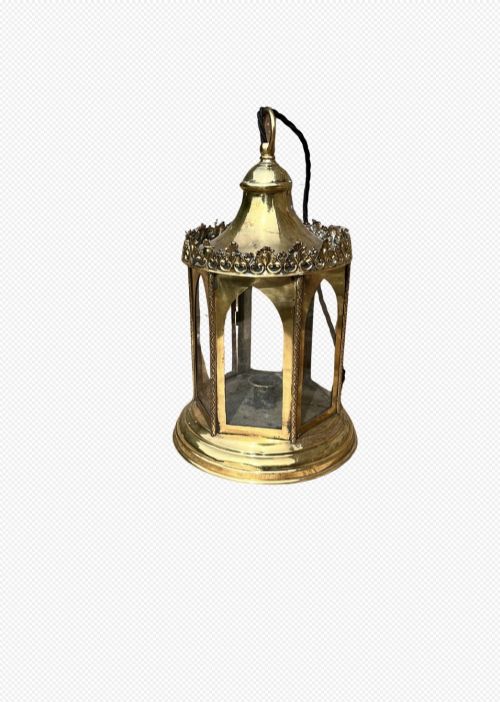
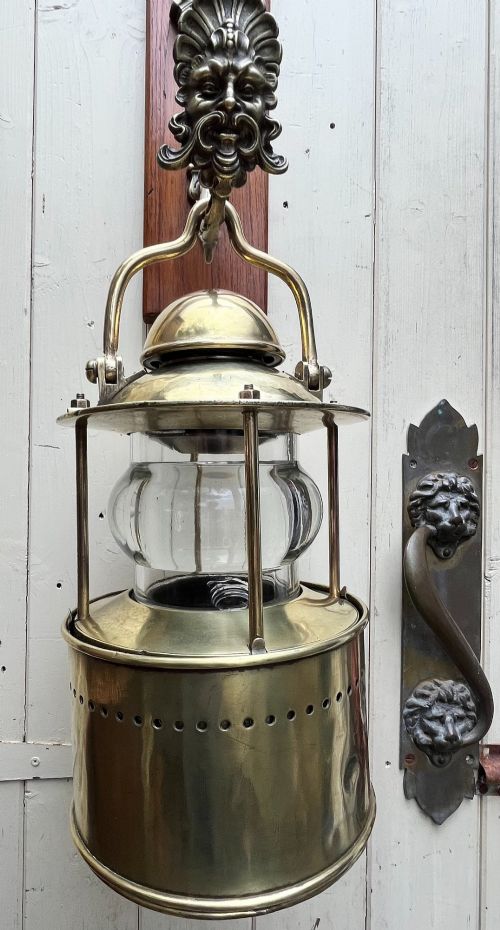
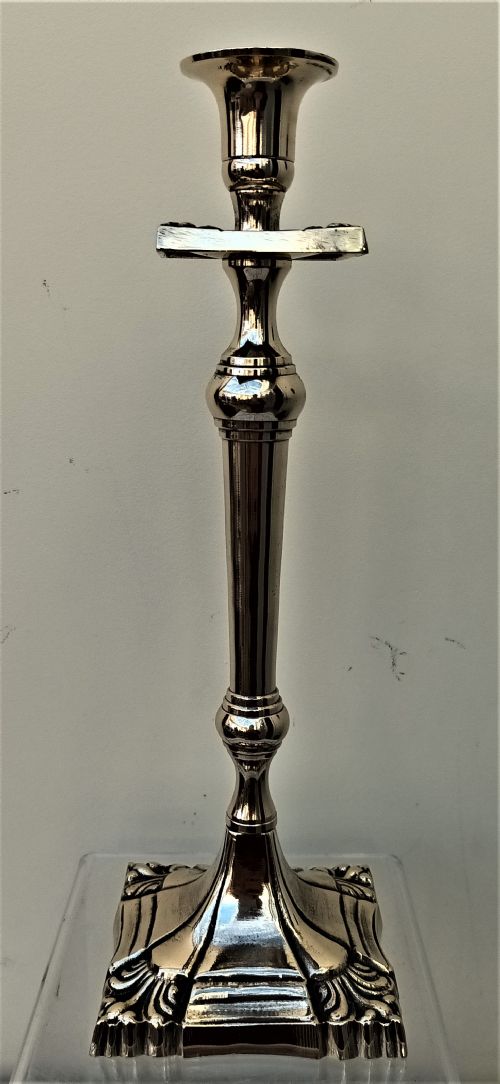
When buyers search for a victorian gothic light, they encounter brass and bronze ecclesiastical candlesticks, wall sconces, and hanging hall lanterns dating from the nineteenth century. These lighting pieces derive their aesthetic directly from medieval church architecture, incorporating trefoils, lancet arches, and heavy structural framing.
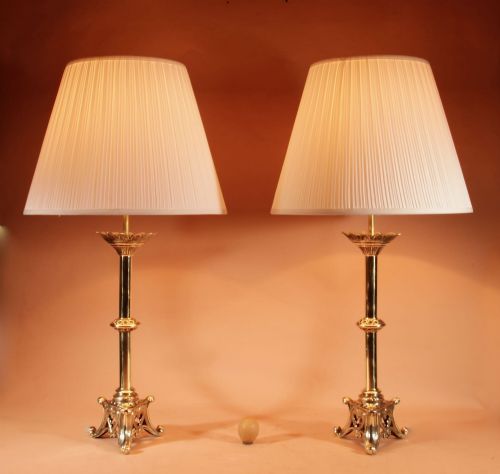
The most frequent examples on this page are brass church candlesticks and leaded glass lanterns. Many of these ecclesiastical fittings have been thoughtfully electrified for modern use while retaining their original patination and robust cast construction.
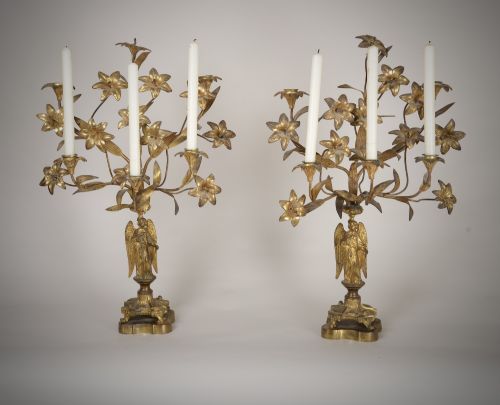
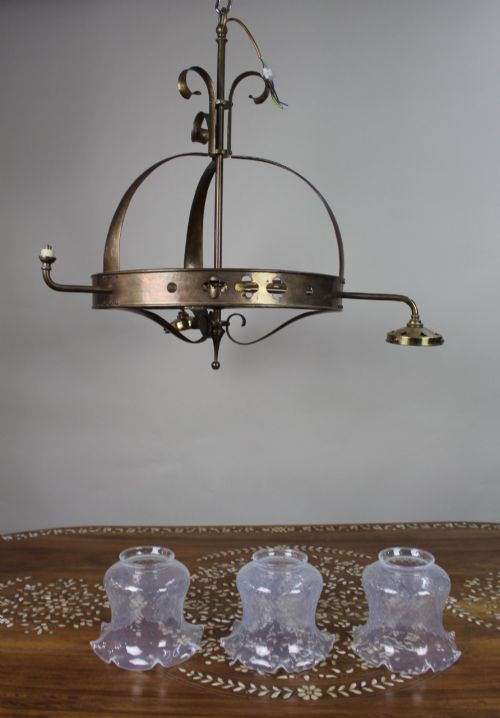
Beyond hanging lights and candlesticks, the broader category includes gasoliers and table lamps that span the mid to late nineteenth century. These domestic adaptations translate grand cathedral metalwork into practical lighting for Victorian halls and libraries.
Materials and construction
Brass and bronze form the structural backbone of these lighting pieces, shaped through heavy casting and detailed chasing. Makers employed wrought iron for robust hanging brackets and floor stands, utilising lead to secure individual panes of coloured or textured glass within lanterns.
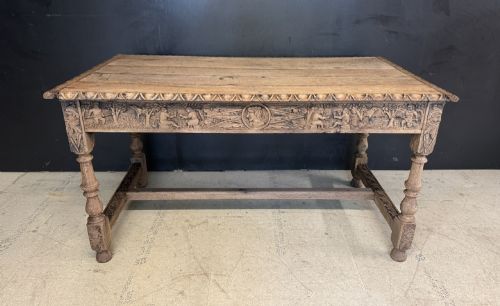
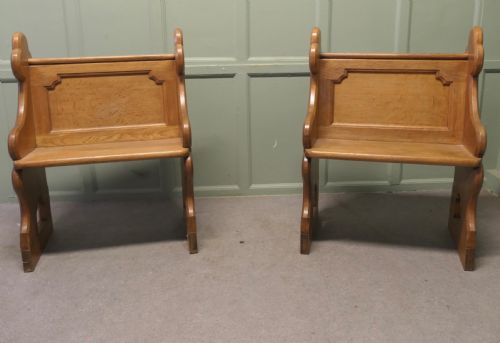
Glass components range from clear leaded panes to vaseline and opalescent shades that diffuse gas or early electric light. Oak appears in related furnishings, providing a dense, dark timber backdrop that matches the sombre tone of the metalwork.
The documented periods span from the mid-nineteenth century through the Edwardian era, encompassing the height of the Gothic Revival.
Evaluating quality and execution
Superior examples distinguish themselves through the crispness of their cast ornamentation and the weight of their metal components. Fine church candlesticks and gasoliers display sharp architectural detailing in their nod to medieval stone carving, whereas lesser pieces rely on softer, shallower stamping.
The integrity of the construction dictates the lasting appeal of each piece, particularly in articulated arms and heavy multi-light chandeliers. Original glass shades and untampered metal patination further elevate the standing of a fixture within this tradition.
Wm. Tonks & Sons
The Victorian Gothic Light Glossary
- Pricket candlestick
- A candlestick featuring a sharp metal spike at the centre to hold a candle in place, commonly found on church altars. These form a large proportion of the heavy brass lighting pieces from this period.
- Gasolier
- A branched lighting fixture suspended from the ceiling, designed specifically to burn coal gas before the widespread adoption of electricity. They often incorporate decorative brass tubing and delicate glass shades.
- Ecclesiastical
- Relating to the Christian Church or its clergy, describing the heavy church-derived aesthetic seen in many nineteenth-century metal fittings. This style draws heavily on medieval ecclesiastical architecture.
- Vaseline glass
- A type of glass coloured with uranium dioxide, glowing greenish-yellow under ultraviolet light and frequently utilised for Victorian lamp shades. It adds a distinctive translucent quality to late-period lighting.
- Trifoil
- A three-lobed ornamental design resembling a clover leaf, frequently incorporated into the tracery of Gothic revival metalwork. This architectural motif anchors the pieces firmly in the medieval revival style.
Victorian Gothic Light: Frequently Asked Questions
Can church candlesticks be used as lamps?
Many heavy brass church candlesticks are adapted into table lamps by running a discreet electrical cord through the central shaft. This conversion preserves the striking ecclesiastical silhouette while providing practical modern illumination.
Buyers often select these when they want a substantial lighting feature for a sideboard or hallway table without altering the primary metal structure permanently.
How do I identify a gasolier?
Gasoliers feature hollow metal arms designed to transport gas to burners, often ending in downward-facing collars intended to hold glass shades. They are typically heavier than standard electric chandeliers and may retain original stopcocks.
Careful inspection reveals the internal channels where gas once flowed to feed the flames before the fixtures were converted for electrical wiring.
Where should I hang a hall lantern?
Hexagonal and square brass lanterns suit high-ceilinged entrance halls, stairwells, or porches where their stained or leaded glass panels catch natural light. Their enclosed construction originally protected candle or gas flames from drafts.
Ensure the hanging height allows adequate clearance beneath the base while positioning the fixture to showcase the leaded glass details from below.