



English Gothic Lighting
English gothic lighting brings authentic medieval character into modern rooms through heavy metalwork and ecclesiastical forms.
English Gothic Lighting
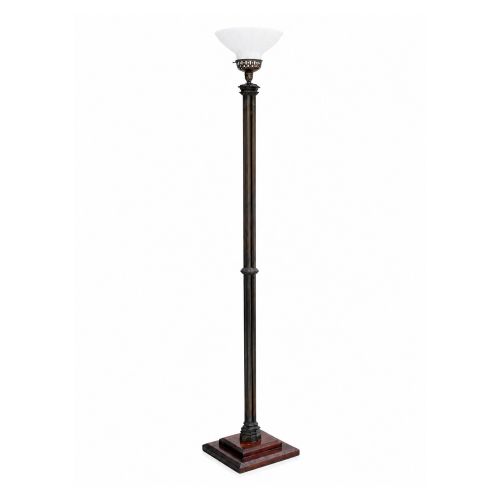
English gothic lighting encompasses items designed in the ecclesiastical and medieval revival manner, dominated by nineteenth century and early twentieth century examples. Buyers exploring english gothic lighting will encounter functional pieces intended for illumination such as floor lamps, candlesticks, candelabra, and chandeliers.
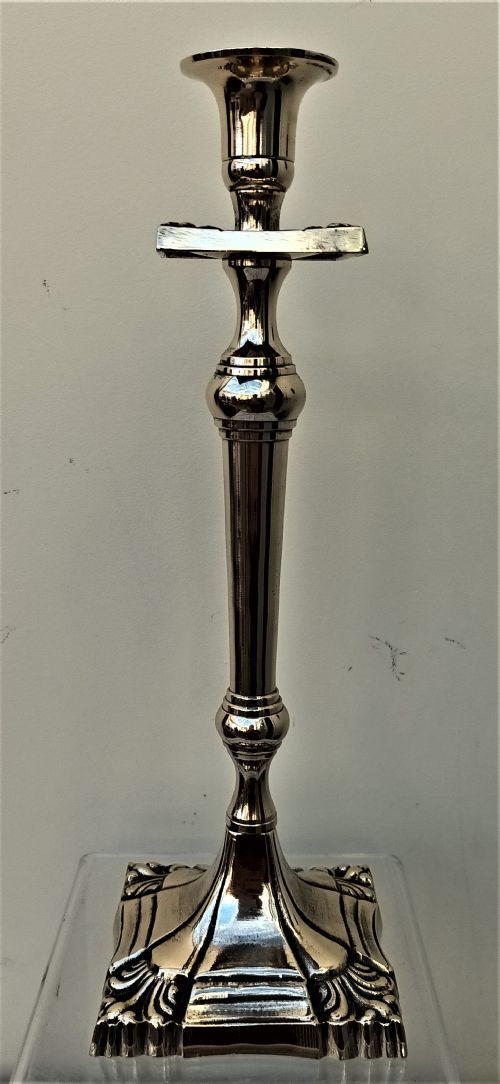
The selection ranges from domestic brass candlesticks to substantial wrought iron hall lanterns and bronze lanterns reminiscent of church architecture. Surviving pieces draw heavily from Victorian gothic revival and arts and crafts design traditions.
Materials and construction
These items rely heavily on durable metals including brass, wrought iron, and bronze, frequently shaped to echo medieval ironwork and church metalware. Articulated joints and heavy cast bases give structural strength to floor lamps and candelabra.
Wood elements appear in oak, while glass and silver plate complement the primary metal structures. Construction methods favour traditional joining and casting techniques suitable for heavy ecclesiastical and domestic fixtures.
English Gothic Lighting Retail Price Guide 2026
Typical asking prices for english gothic lighting among the pieces listed under this phrase on Sellingantiques today, from the lower quarter to the upper quarter. They describe what is for sale here now, not the wider market.
Among the heavy ironwork and brass sits a trio of light sage green parian jugs, proving even gothic enthusiasts need to pour tea.
Judging quality
Quality in these pieces rests on the weight of the casting and the crispness of architectural detailing, distinguishing standard production from finer examples. Superior specimens display careful articulation in movable brass arms and robust construction in wrought iron frames.
The integrity of the original materials and the fidelity to historical architectural sources elevate certain items above simpler domestic reproductions.
The English Gothic Lighting Glossary
- Candelabra
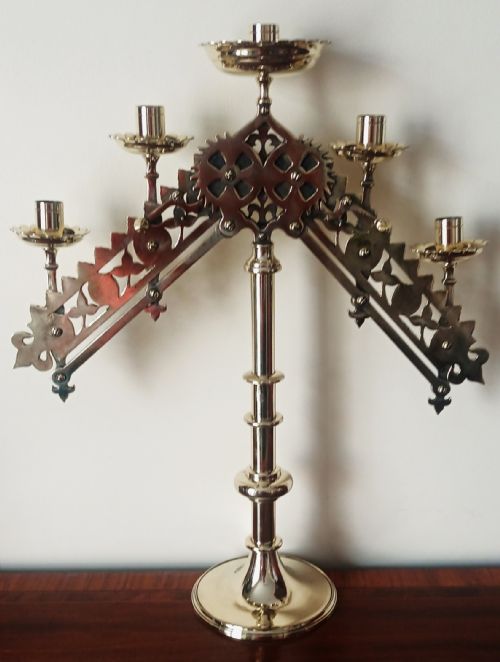
- A branched candlestick used for holding multiple tapers. These often feature articulated arms for adjustable light distribution.
- Corona light
- A circular chandelier suspended by chains, historically used in churches to hold a ring of candles. This form provides a striking architectural focal point in large spaces.
- Gothic Revival
- An architectural and decorative style spanning the nineteenth century that revived medieval forms and pointed arches. It heavily influenced domestic and ecclesiastical metalwork.
- Wrought iron
- Iron beaten into shape by hand while hot, yielding a textured and durable finish. It is commonly utilised in heavy hall lanterns and structural mounts.
English Gothic Lighting: Frequently Asked Questions
What rooms suit english gothic lighting?
These pieces suit high-ceilinged spaces, period properties, or rooms with dark wood panelling where heavy metalwork looks at home. Hallways and living areas benefit particularly from the presence of lanterns and floor lamps.
The substantial forms demand adequate physical space to avoid overwhelming smaller interiors. They anchor a room with a distinct historical character.
How do I date these pieces?
Dating relies on examining the specific metal alloys, casting quality, and stylistic markers associated with the nineteenth century and early twentieth century. Victorian pieces often employ heavier brass and traditional assembly methods.
Later items from the nineteen-tens and twenties show subtle shifts towards arts and crafts simplicity while retaining medieval motifs.
Were these made for churches?
Some items, such as altar candelabra and silver corona lights, were produced specifically for ecclesiastical settings. Other pieces like floor lamps and hall lanterns were adapted for domestic use.
Both categories share the same architectural vocabulary drawn from medieval design.
How are articulated candelabra used?
Articulated brass candelabra feature movable arms that swing outward to adjust the spread of light. This mechanical function allowed users to direct illumination where needed.
In modern settings, they serve as adaptable table or sideboard centrepieces.