



Victorian Gothic Light Fixture
These heavy, characterful pieces of metalwork bring architectural presence to a room, offering the unmistakable weight of nineteenth-century design.
Victorian Gothic Light Fixture
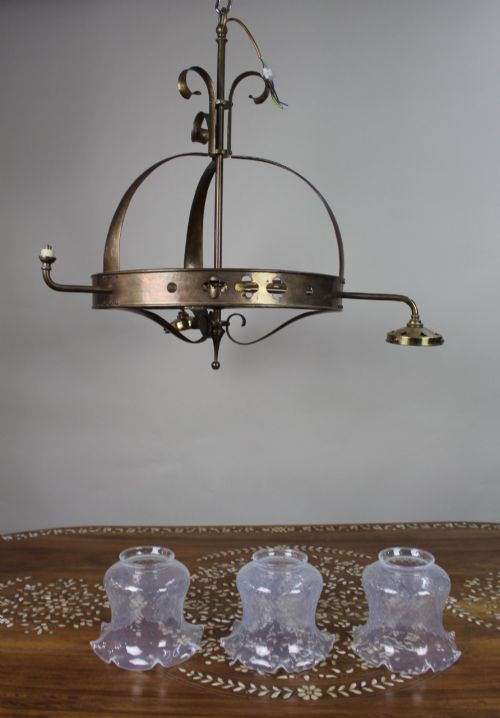
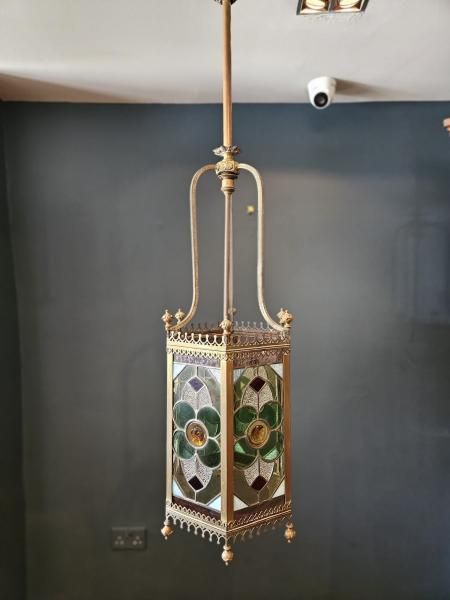
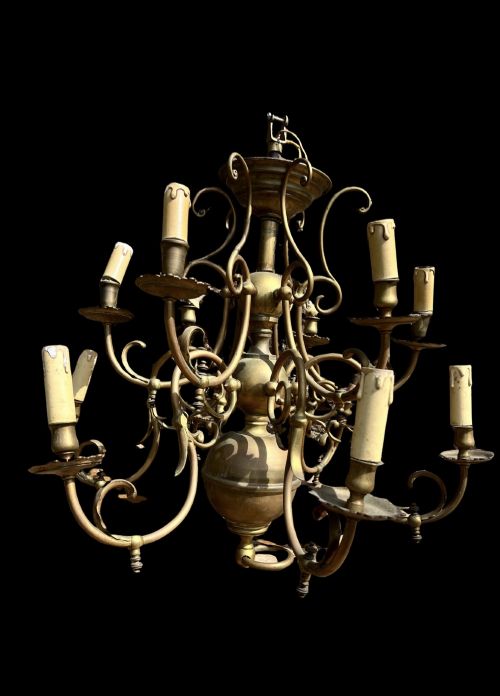
A victorian gothic light fixture brings serious architectural presence into a room, taking the form of hanging lanterns, multi-branched chandeliers, or robust wall sconces. You are most likely to encounter solid brass, cast iron, or wrought iron examples dating from the nineteenth century, often carrying the strong vertical lines and pointed motifs typical of the gothic revival.
The objects on this page range from grand hall lanterns once lit by candles to gasoliers and later electric ceiling lights. Makers drew heavily on ecclesiastical and castle architecture, producing heavy wall lights and ceiling fittings designed to anchor a high-ceilinged interior.
How they were made
Foundry workers shaped these fixtures using cast iron, wrought iron, and brass, often combining gilt metal or bronze highlights to accentuate structural details. Heavy castings provided the necessary skeleton for architectural lanterns and multi-branch chandeliers.
Glass elements form a vital component, utilising opalescent glass, leaded glass, or coloured glass panels held securely within metal frames. These panes filtered the earlier gas or candle light, creating deep shadows and amber tones across the room.
Several pieces incorporate whimsical motifs like green men and shamrocks alongside strict architectural gothic arches.
What varies in quality
The standard of a victorian gothic light fixture rests on the crispness of the metal casting and the complexity of its construction. Heavier gauge brass and iron, combined with deeply chased details and substantial glass panels, separate utilitarian hardware from ambitious decorative commissions.
Integrity of proportion and the retention of original surface treatments dictate the standing of a piece. Fixtures that maintain their heavy cast elements without replacement brackets or mismatched glass show a higher degree of original craftsmanship.
The Victorian Gothic Light Fixture Glossary
- Gasolier
- A branched ceiling light designed to burn coal gas, often converted later to electricity. These fixtures feature hollow arms that once channelled gas to the burners.
- Gothic Revival
- An architectural and decorative movement drawing inspiration from medieval buildings. This style manifests in pointed arches, quatrefoils, and heavy structural ironwork.
- Opalescent Glass
- A milky, semi-translucent glass that diffuses light softly. It appears frequently in period shades to soften the harsh glare of early electric bulbs or gas mantles.
- Wall Sconce
- A light fixture attached directly to a wall surface. In this period, they frequently mirror the heavy bracket forms found in ecclesiastical architecture.
Victorian Gothic Light Fixture: Frequently Asked Questions
How do I clean brass and iron?
Dust gently with a dry cloth and avoid harsh chemical cleaners that strip patination from the metal surfaces.
Preserving the aged finish maintains the historical integrity of nineteenth-century hardware.
Are these lights wired for electricity?
Many gas and candle fixtures have undergone conversion for modern electrical systems over time.
An electrician should inspect older wiring before installation in a domestic setting.
Can I hang a heavy iron lantern?
Substantial cast iron and bronze fixtures require reinforced ceiling fixings to support their dead weight safely.
Consulting a professional installer ensures the structural support matches the load.
How do I identify the period?
Examine the construction methods, screw threads, and material composition typical of nineteenth-century metalworking shops.
Stylistic cues like quatrefoils and heavy brass castings point directly to the gothic revival.