



Victorian Gothic Candlesticks
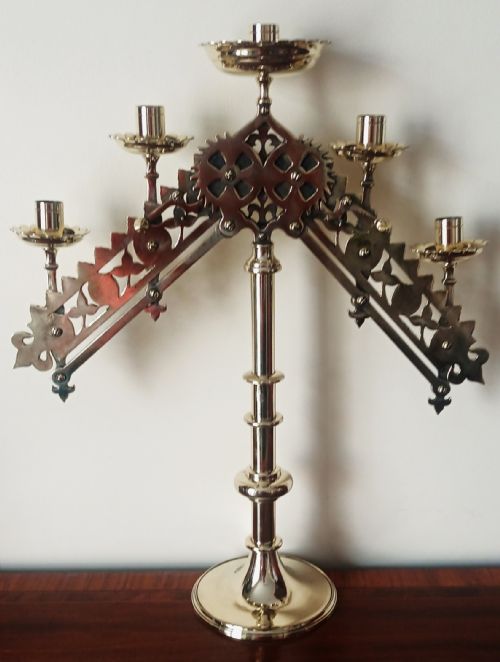
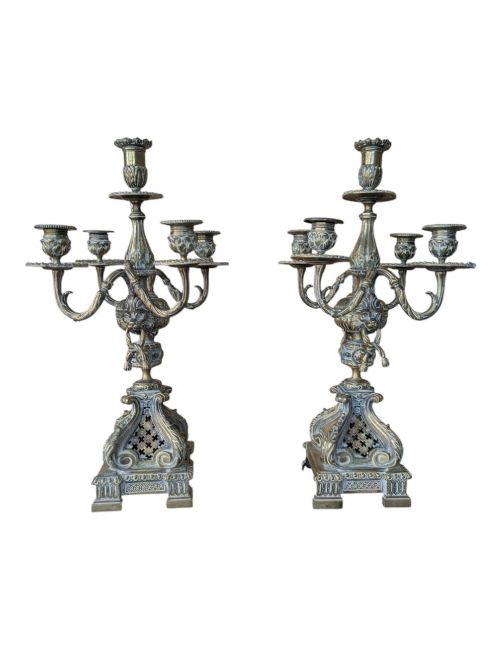
Victorian gothic candlesticks bring medieval ecclesiastical gravity into domestic rooms through heavy cast metal and architectural lines.
Victorian Gothic Candlesticks
Victorian gothic candlesticks draw directly from medieval church metalwork and architecture, translating pointed arches, trefoils and buttressing into domestic lighting. These pieces emerge primarily during the nineteenth century under the Gothic Revival, spanning church altars and grand houses alike.
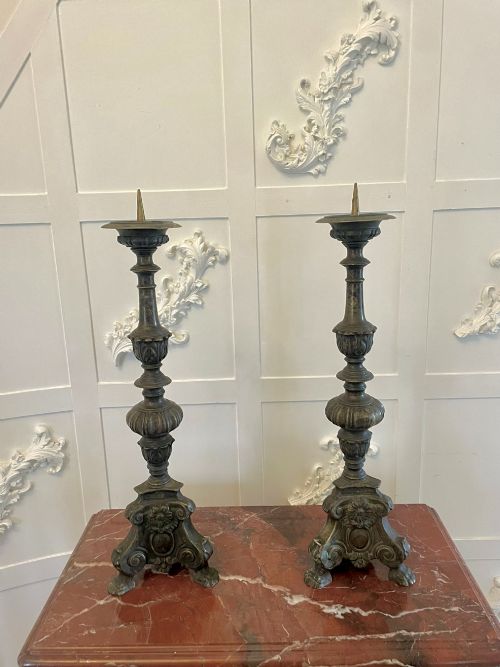
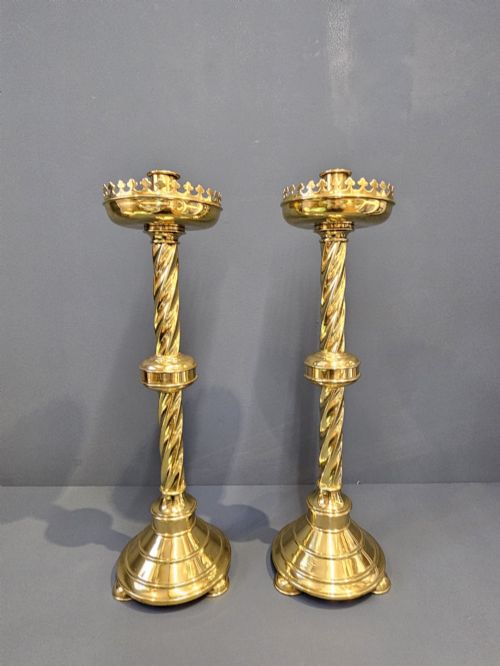
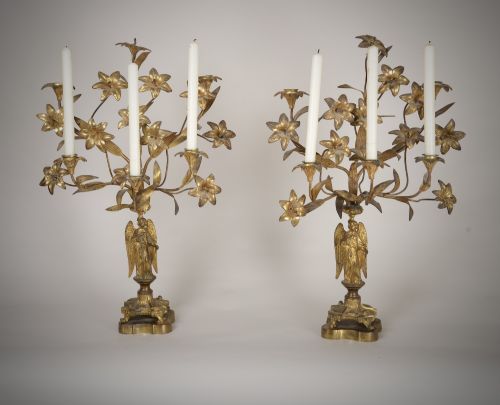
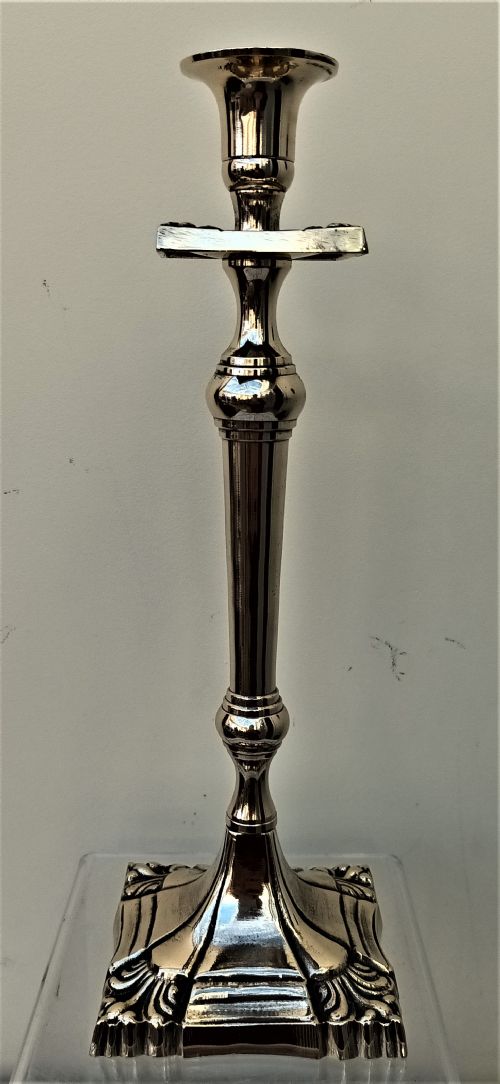
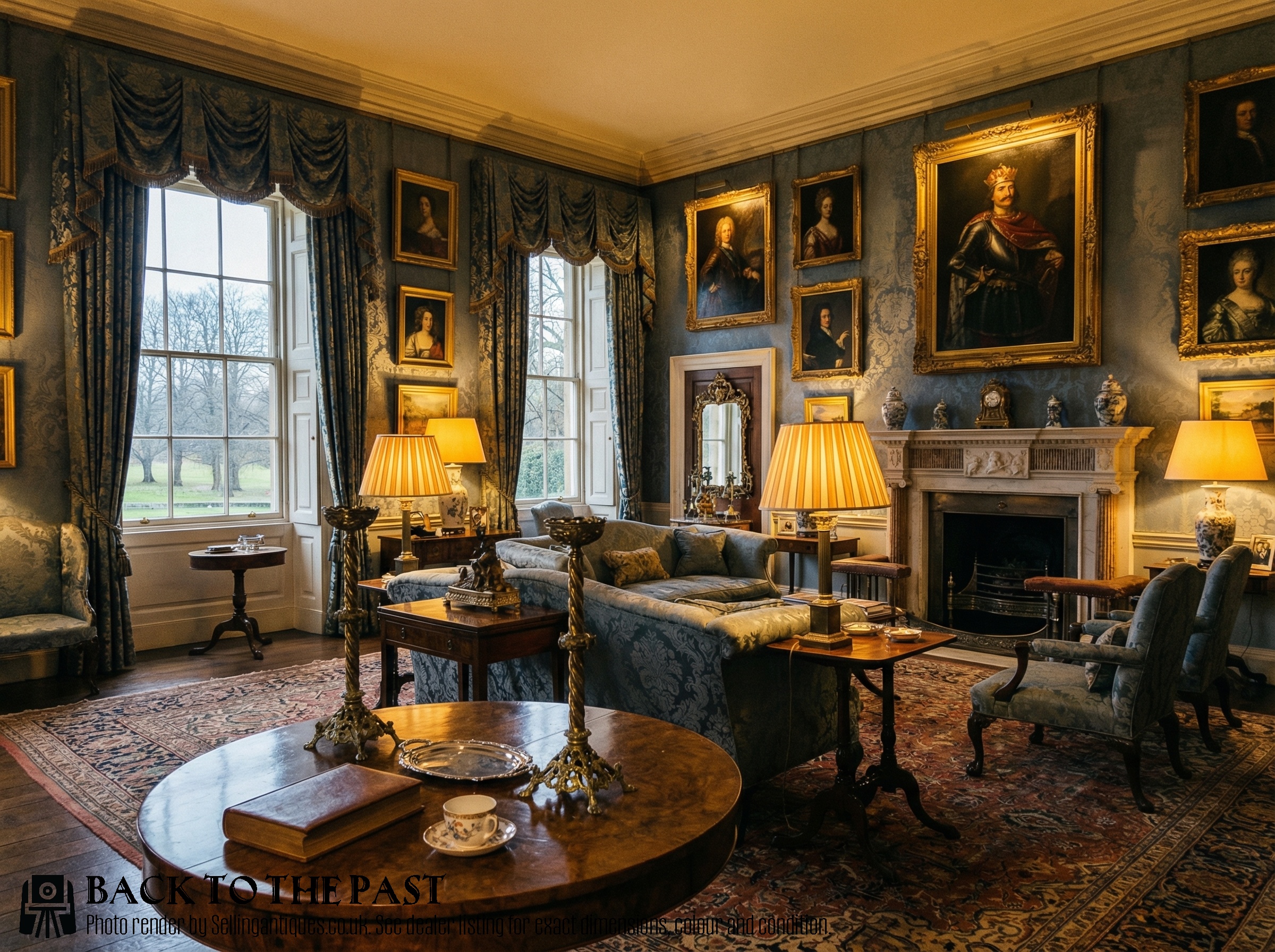
The objects most frequently met on this page are heavy brass pairs built for ecclesiastical settings, alongside domestic interpretations in bronze, wrought iron and carved wood. Forms range from standard table candlesticks and articulated candelabra to towering floor-standing prickets.
Makers and designers of the period also channelled Aesthetic Movement and Arts and Crafts ideals into these gothic forms, producing copper and brass pieces with distinct structural honesty. Whether intended for a church sanctuary or a Victorian parlour, the style remains unapologetically architectural.
How they were made
Foundry casting dominates production, utilising brass, bronze and cast brass to achieve crisp mouldings of crockets, tracery and heraldic motifs. Heavier ecclesiastical items often combine multiple cast components screwed or pegged together for stability.
Wrought iron examples rely on manual forging, twisting and riveting to create robust floor and table supports. Alternative materials such as carved oak, walnut treen and patinated spelter demonstrate how workshops adapted architectural ornament to wood and lesser metal alloys.
Design styles represented include Gothic Revival, Arts and Crafts, and Aesthetic Movement across the nineteenth and early twentieth centuries.
What varies in quality
Weight and metal gauge separate standard production items from superior altar and church pieces, with heavier castings offering greater structural integrity and deeper relief detail in the gothic ornamentation. The crispness of chased detailing on brass and bronze surfaces dictates the level of artisanal input.
Design attribution elevates certain pairs, particularly those connected to known Arts and Crafts or Aesthetic Movement designers who introduced deliberate asymmetry or mixed metals like copper and brass. The presence of original prickets, articulated arms or matching sets rather than married components defines the upper tier of the range.
Wm. Tonks & Sons·Dr Christopher Dresser
The Victorian Gothic Candlesticks Glossary
- Pricket
- A sharp metal spike set in the drip pan to secure a candle, commonly found on church altar sticks. This form derives directly from medieval liturgical lighting traditions.
- Altar candlestick
- A tall, substantial candle holder designed specifically for ecclesiastical use on or near a church altar. These pieces frequently display pronounced Gothic Revival architectural detailing.
- Candelabra
- A branched lighting fixture holding multiple candles from a single base. Articulated versions allow the branches to swing and adjust position.
- Ecclesiastical
- Pertaining to the Christian church or its clergy, heavily influencing the Gothic Revival style through liturgical forms. Objects of this type were often made for chapels and cathedrals.
- Treen
- Small domestic wooden objects made by turning on a lathe or carving by hand. In this context, it refers to items such as walnut chamber sticks.
Victorian Gothic Candlesticks: Frequently Asked Questions
What is a pricket candlestick?
A pricket candlestick uses a sharp spike to hold the candle base directly on top, differing from standard socket holders.
This format is standard on church and altar pieces intended for large wax candles.
Were these made for churches?
Many large pairs originate from ecclesiastical settings, designed for altars and chancels during the Gothic Revival.
Domestic versions scaled down these architectural church designs for Victorian parlours and dining rooms.
How do I identify Gothic Revival style?
Gothic Revival pieces borrow heavily from medieval architecture, featuring pointed arches, trefoils, buttresses and heavy cast metal.
This aesthetic spans the nineteenth century, overlapping with Arts and Crafts and Aesthetic Movement sensibilities.
Can I use modern candles in them?
Socket holders accommodate standard taper candles, though pricket versions require candles with a pierced base to sit on the spike.
Care should be taken with antique diameters to ensure a secure and stable fit.