



Victorian Glazed Table
A victorian glazed table brings glass-fronted display and timber craftsmanship together to showcase small treasures in domestic interiors.
Victorian Glazed Table
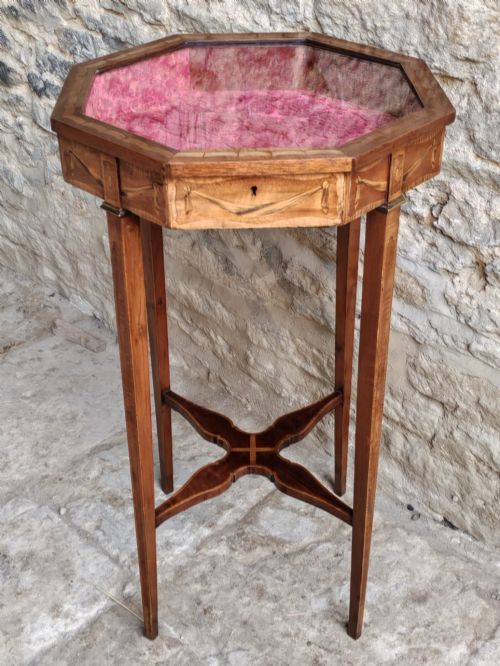
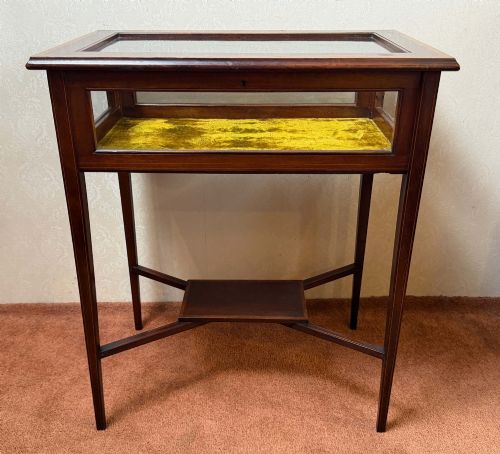
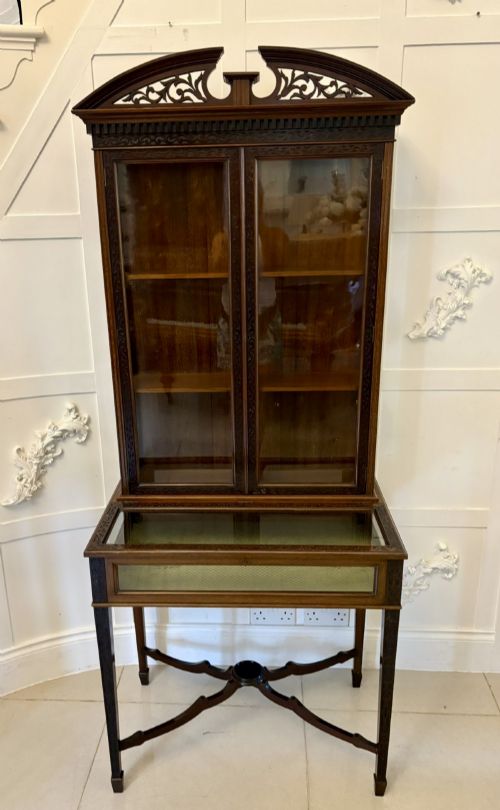
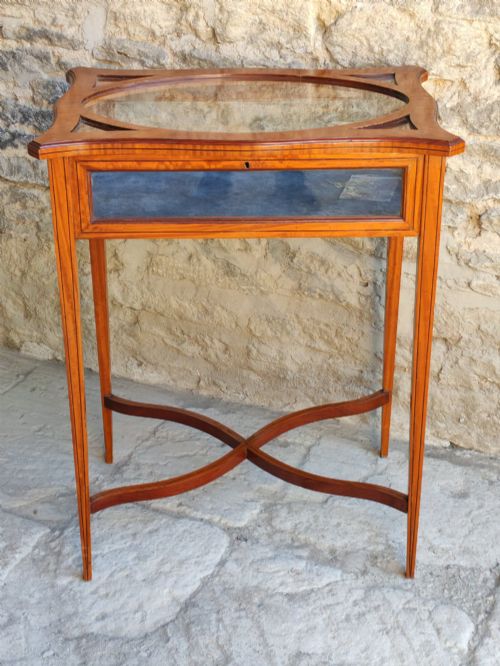
A victorian glazed table encompasses specialised display pieces designed to exhibit objects securely under glass, frequently taking the form of bijouterie tables, vitrines, and tabletop cabinets.
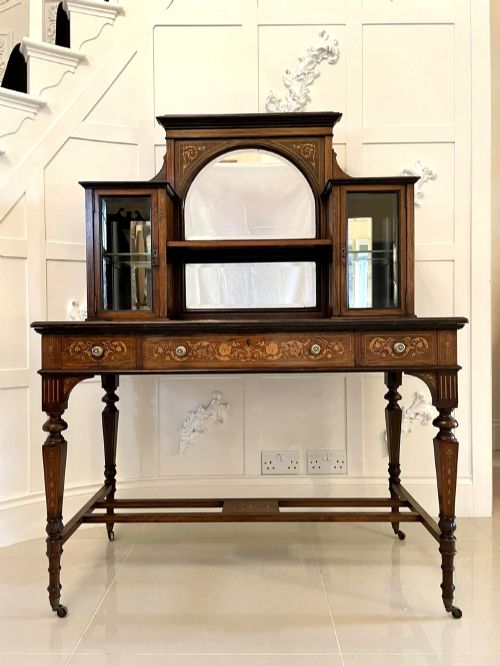
Makers utilised mahogany, walnut, rosewood, and pine to construct these pieces across the nineteenth century, blending display surfaces with traditional furniture forms like writing desks and side cabinets.
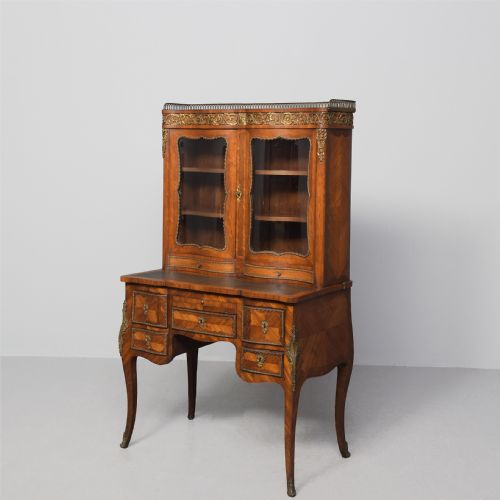
Buyers encounter both English and continental variants, with French influences appearing strongly in inlaid kingwood and ormolu-mounted vitrines intended for formal reception rooms.
Materials and Technique
Cabinet makers built foundational structures using solid pine or hardwoods like mahogany and walnut, frequently applying decorative veneers such as burr walnut, rosewood, and satinwood to visible surfaces.
Glazing techniques secured transparent glass panes within hinged lids or doors, often supported by brass framing, internal velvet or fabric linings, and hand-cut joinery.
Surface ornamentation relied on marquetry inlay, scumble paint effects, or carved mahogany details, reflecting the diverse workshops operating during the period.
Victorian Glazed Table Retail Price Guide 2026
Typical asking prices for victorian glazed table among the pieces listed under this phrase on Sellingantiques today, from the lower quarter to the upper quarter. They describe what is for sale here now, not the wider market.
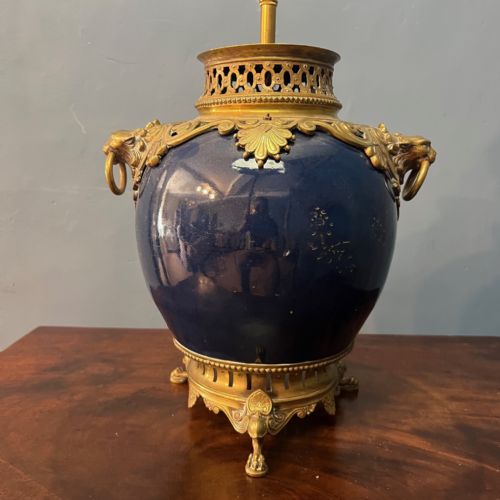
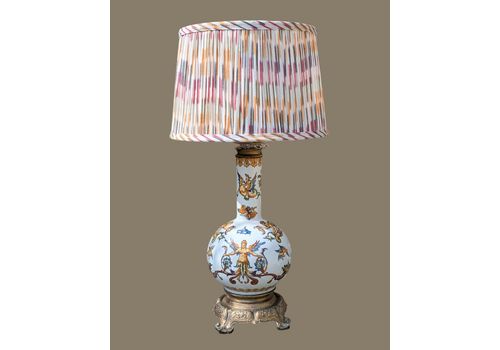
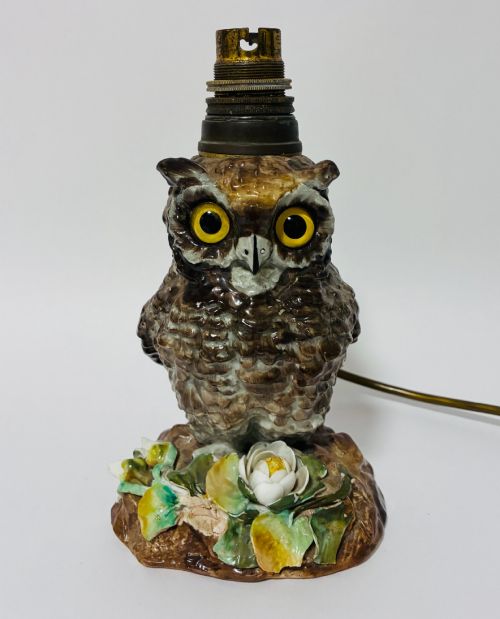
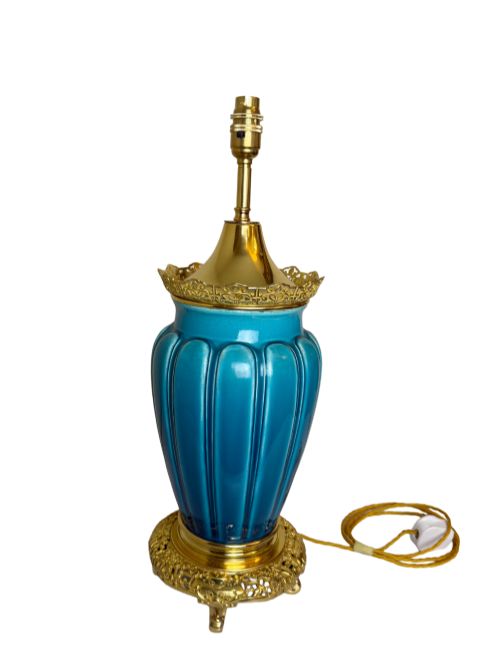
Several pieces combine domestic utility with unusual subjects, including ceramic owls and porcelain dogs repurposed as domestic lighting.
The Measure of Construction
The refinement of internal timber selection and the precision of veneer matching distinguish finer examples from standard production pieces.
Quality shows in the weight and finish of the brass hinges, locks, and internal linings designed to protect delicate items placed within the glazed compartment.
Cabinetwork integrity, visible in the tightness of mitre joints and the smooth operation of glazed lids or drawers, determines the standing of each piece.
Latshea and Sons Edinburgh·Royal Worcester·Burmantofts Faience
The Victorian Glazed Table Glossary
- Bijouterie table
- A specialised display table featuring a glazed compartment beneath the top surface for showing small trinkets and valuables. These pieces often feature hinged lids and velvet-lined interiors.
- Marquetry
- The art of applying decorative veneer pieces in various woods to form geometric or floral patterns. Craftsmen utilised this technique on writing desks and tabletops.
- Ormolu
- Gilded bronze ornamentation applied to furniture mounts and clock cases during the nineteenth century. This decorative metalwork frequently accompanies French-influenced display pieces.
- Scumble
- A painting technique involving translucent colour dragged over an opaque base coat to simulate wood grain or texture. It appears on painted pine side tables and dressing furniture.
- Vitrine
- An enclosed glass cabinet or table designed for displaying porcelain and curiosities. The term covers both freestanding furniture and tabletop display units.
Victorian Glazed Table: Frequently Asked Questions
What is a bijouterie table?
A bijouterie table is a low display piece featuring a glazed top compartment designed to exhibit small collections of jewellery, medals, or curiosities.
These tables were placed in nineteenth-century drawing rooms so guests could inspect delicate possessions without handling them directly.
How do I care for antique glass and wood?
Maintenance requires soft cloths for dusting polished mahogany or walnut surfaces and mild glass cleaner applied sparingly to prevent moisture seeping into wooden frames.
Protecting the original fabric or velvet linings from direct sunlight prevents fading over time.
Were these tables used for dining?
These tables served decorative and display purposes rather than dining functions, acting as surface furniture for reception rooms.
Many incorporated lockable compartments to keep valuable ornaments secure while on display.
How do I identify a nineteenth-century piece?
Identification relies on examining construction methods, timber patination, and hardware such as hand-cut screws and brass locks.
Makers utilised native and exotic woods combined with specific joinery techniques characteristic of the Victorian era.