


Victorian Glass Vanity Bottle
A victorian glass vanity bottle brings refined nineteenth-century dressing table utility and colour into modern spaces.
Victorian Glass Vanity Bottle
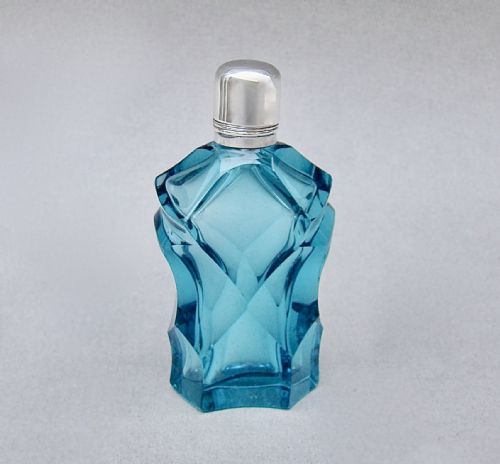
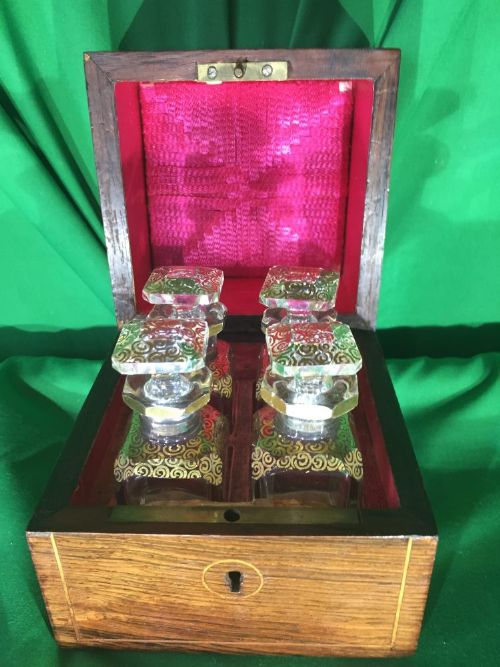
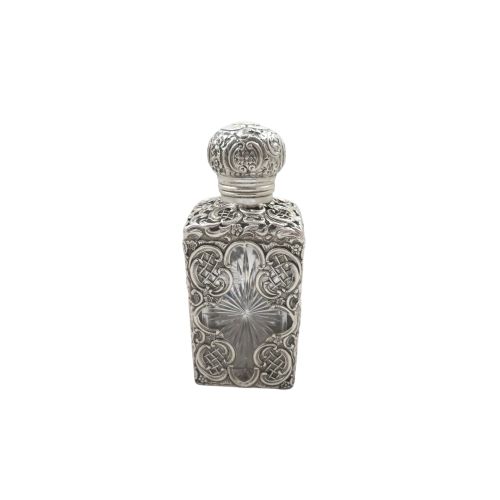
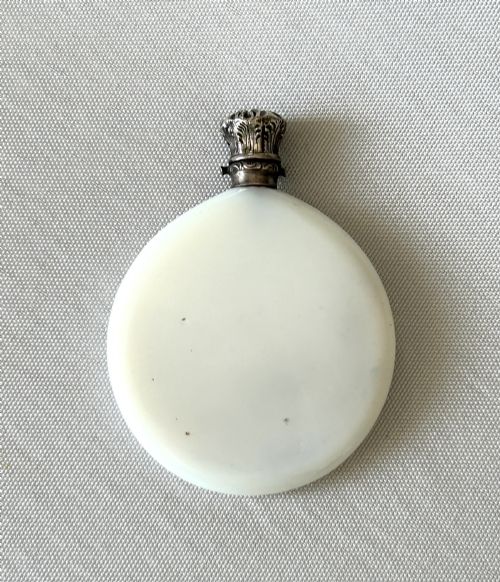
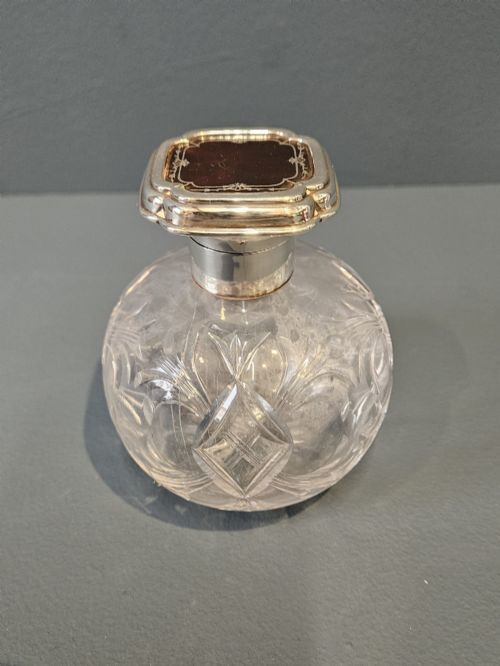
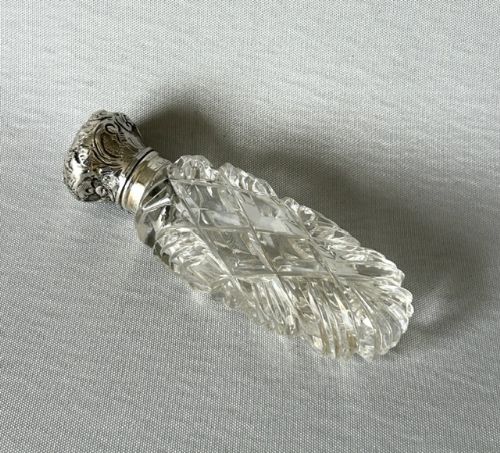
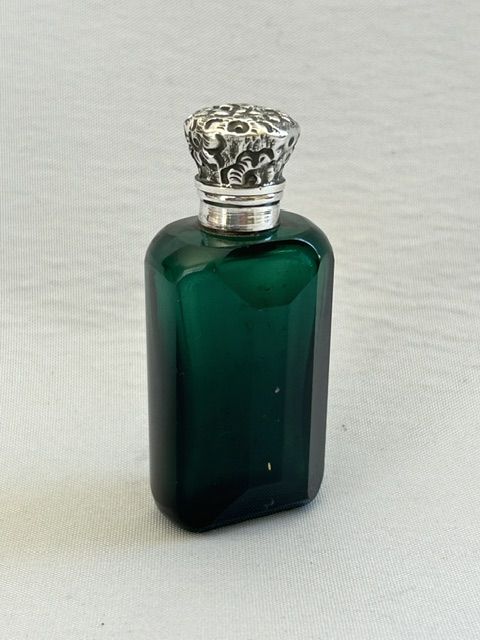
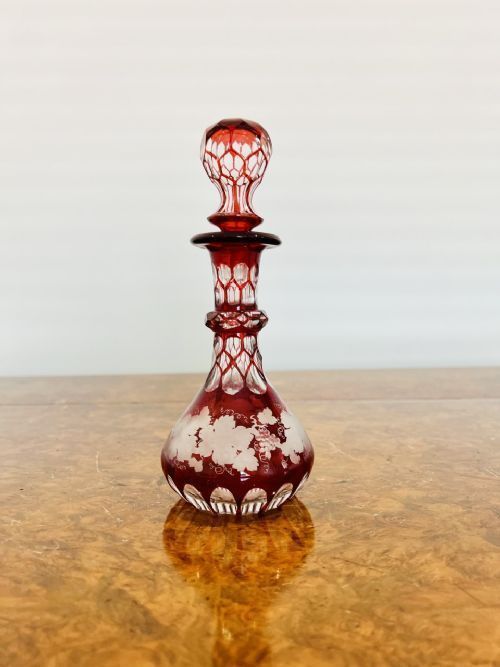
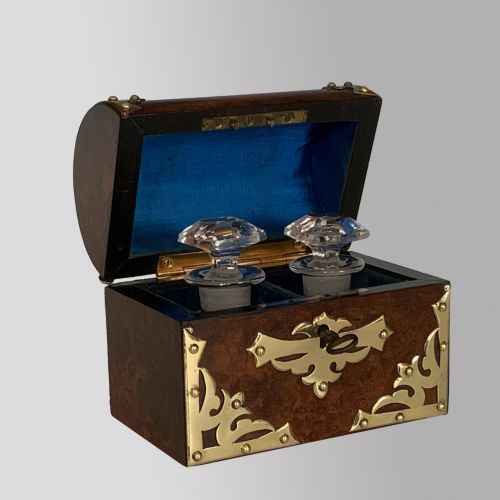
A victorian glass vanity bottle encompasses functional receptacles designed for perfumes, spirits, and dressings, frequently housed within fitted rosewood or walnut caskets and travel sets. Buyers searching this phrase encounter diverse forms ranging from standalone scent bottles with sterling silver collars to matching sets tucked inside velvet-lined boxes.
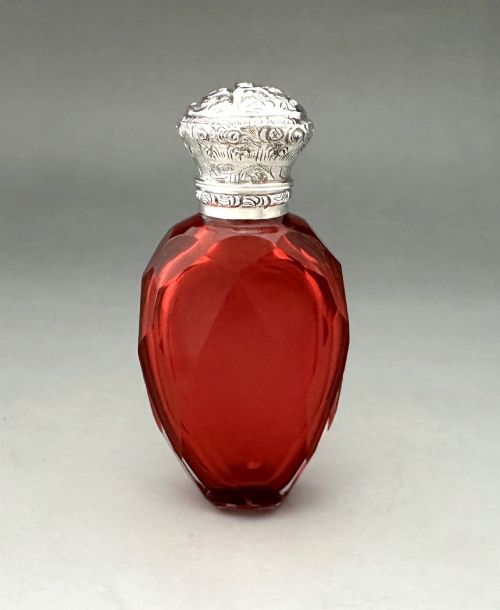
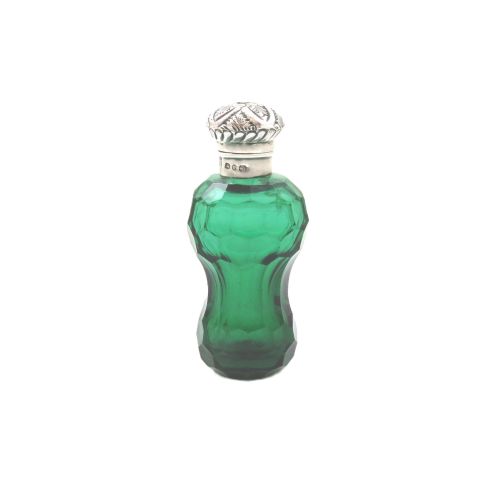
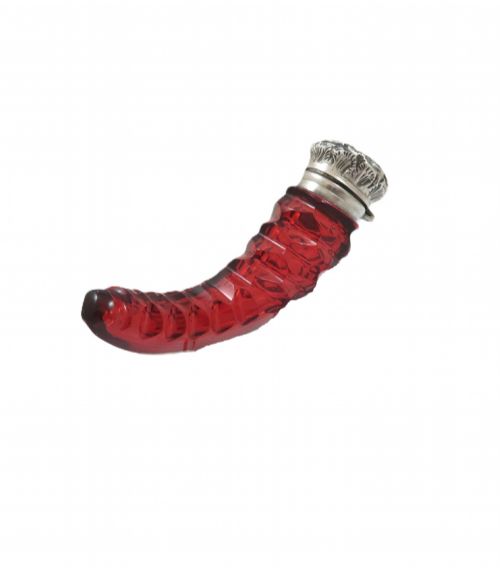
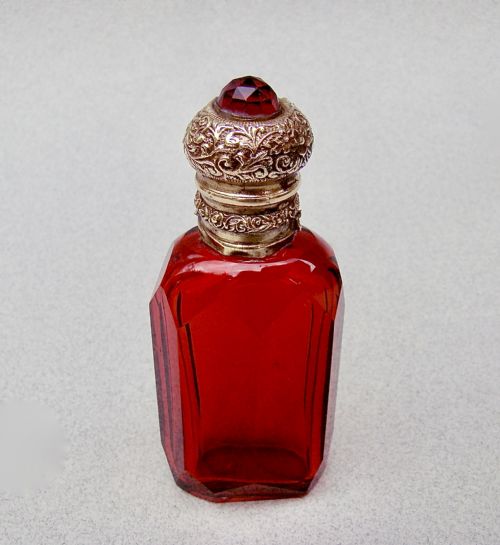
The pieces appearing most frequently on this page combine blown or cut glass bodies with silver mounts, spanning the Victorian and Edwardian eras alongside nineteenth-century French variants. Common variations include cylindrical, egg, and icicle shapes rendered in rich hues like cranberry, ruby, teal, and opaline glass.
Materials and Techniques
Craftsmen utilised techniques such as slice-cutting, engraving, and glass overlay to create textured patterns across lead crystal and coloured glass vessels. Molten glass was blown into moulds or free-blown before undergoing meticulous hand-polishing and cutting.
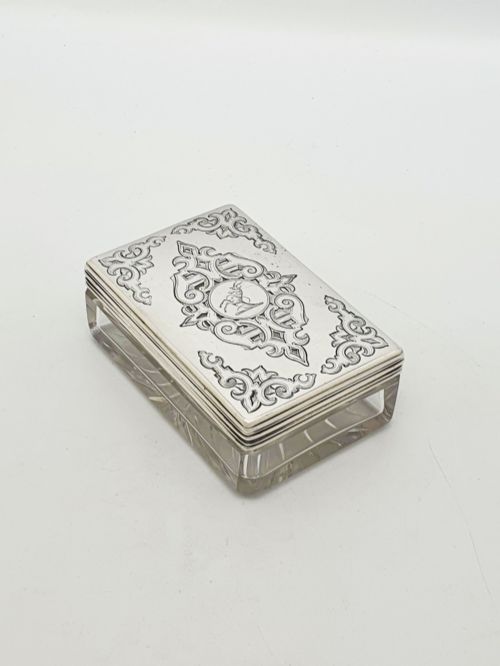
Metalwork played an integral role, with sterling silver, brass, and ormolu mounts fitted securely as collars, hinges, and lids. These metal elements often bore hallmarks, securing stoppers or protecting delicate glass rims during daily use on dressing tables.
Some delicate glass bottles are shaped like hearts, eggs, or tiny icicles.
Evaluating the Pieces
Differentiation across the range rests upon the depth of the glass colour, the crispness of the cut facets, and the integrity of the metal mounts. Rich cranberry, vaseline, and opaline glass combined with heavy sterling silver or engraved crystal demonstrate superior craftsmanship.
The inclusion of original fitted wooden caskets, matching bottle sets, or intact glass stoppers elevates the completeness of an object. Finer examples display meticulous attention to detail in the silver hallmarks, ormolu casting, and internal velvet or silk linings.
Franchini and Bigaglia
The Victorian Glass Vanity Bottle Glossary
- Cranberry Glass
- A transparent pinkish-red glass produced by adding gold chloride to the molten batch. It is widely seen in Victorian and Edwardian scent bottles.
- Opaline Glass
- An opaque or translucent pale glass developed in various pastel shades. It gained popularity during the nineteenth century for decorative vanity items.
- Ormolu
- A finely ground high-zinc brass alloy cast and gilded to imitate gold. It frequently mounts nineteenth-century French dressing table boxes and scent caskets.
- Sterling Silver
- A silver alloy containing ninety-two point five percent pure silver by mass. British pieces often feature assay office hallmarks dating the metal mount.
Victorian Glass Vanity Bottle: Frequently Asked Questions
How were these bottles used?
Owners utilised these receptacles to store liquid perfumes, colognes, or reviving salts for personal grooming and hygiene. The fitted stoppers and secure silver mounts prevented evaporation of the contents during daily use.
Many examples formed part of larger travelling sets or dressing table caskets designed for wealthy households. They served both practical utility and decorative display functions in period bedchambers.
How do I date a glass vanity bottle?
Dating relies heavily on metal hallmarks stamped onto the silver collars, which indicate the exact assay year and maker. Stylistic clues such as glass colour preferences and cut patterns also point toward specific decades.
Victorian pieces often feature heavy sterling mounts and deep jewel-toned glass, whereas later Edwardian examples display lighter proportions. Fitted wooden boxes containing the bottles can further narrow the manufacturing period through construction details.
How should I clean my antique bottle?
Cleaning requires gentle care to protect fragile glass surfaces, antique silver mounts, and internal residues. Warm water and mild soap suffice for the glass exterior, avoiding harsh chemical immersion.
Silver components benefit from careful polishing away from the glass to prevent staining or scratching. Original velvet or silk box linings inside caskets must be kept entirely dry.