
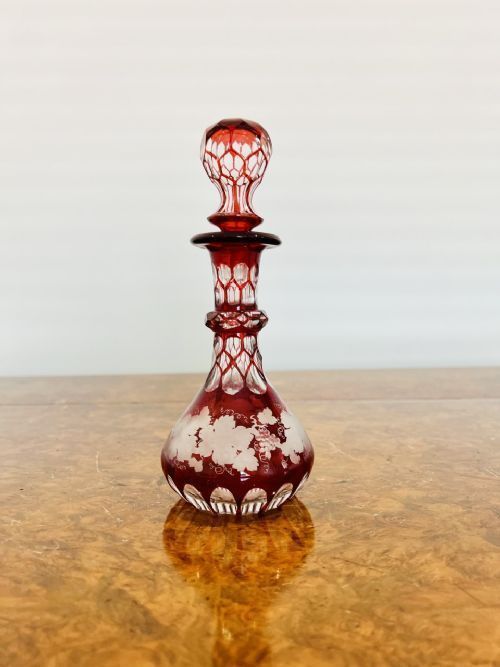
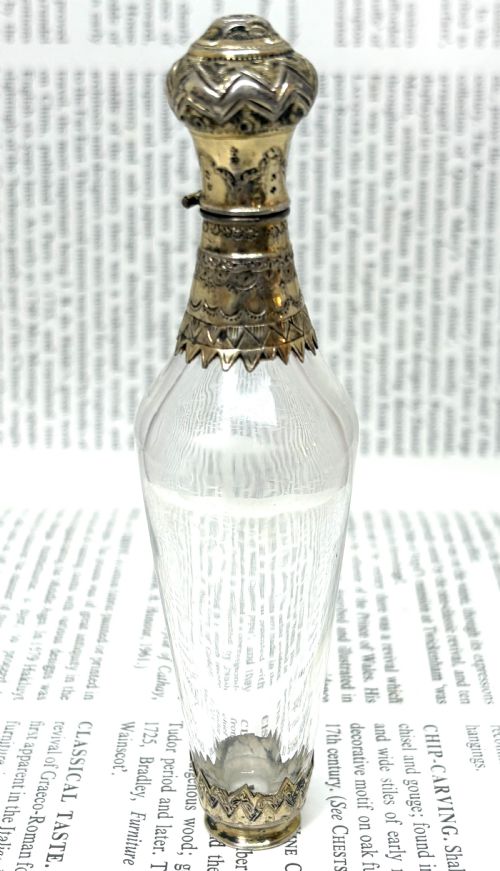


Vintage Vanity Dress Table Bottle
When you search for a vintage vanity dress table bottle, you uncover portable vessels created to hold scent, cologne, and personal remedies upon a dressing surface.
Vintage Vanity Dress Table Bottle
A vintage vanity dress table bottle encompasses a wide range of scent vessels, perfume decanters, and atomisers designed for personal grooming. These items appear across multiple eras, stretching from the Victorian period through the Edwardian years and into the 1930s.
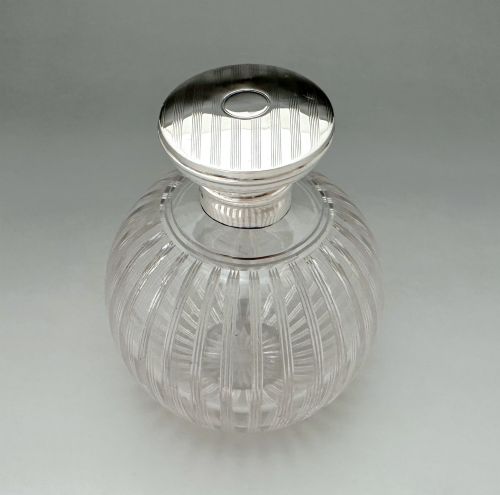
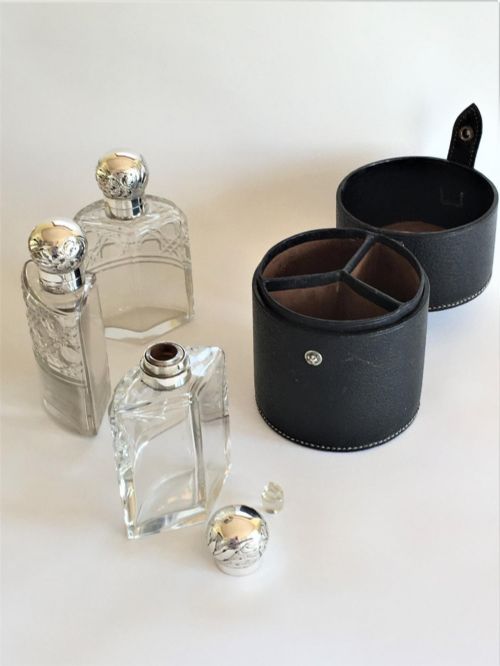
The selections on this page feature diverse forms, including matching globe perfume bottles, travelling cologne trios, and atomisers on stands. Many examples integrate tightly with dressing cases or sit independently alongside matching glassware.
Origins span across England, France, and the Czech Republic, showing distinct regional manufacturing traits. Buyers frequently encounter geometric Art Deco designs alongside earlier silver-mounted glass pieces.
Materials and Construction Methods
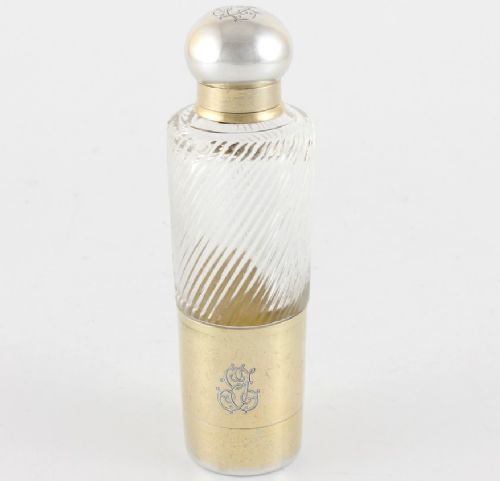
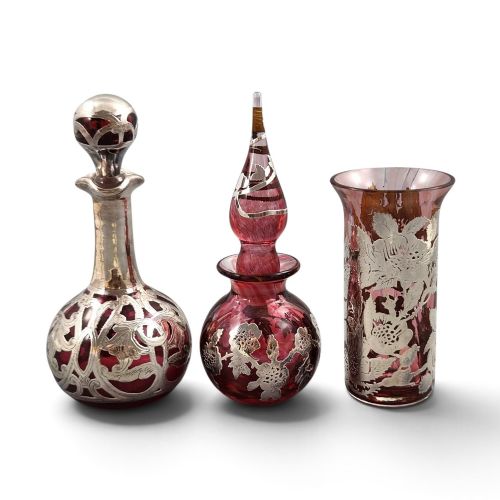
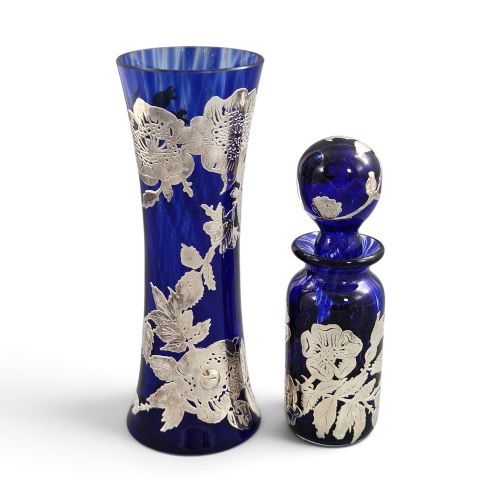
Glass forms the primary body of these vessels, utilising cut crystal, ruby glass, cobalt glass, and moulded studio glass. Makers frequently decorated these glass surfaces with geometric cuts, enamel layers, or silver overlays.
Metal mounts provide functional collars, hinges, and lids, incorporating sterling silver, silver gilt, brass, and chrome. Artisans secured these metal components directly onto the glass necks, often pairing them with inner stoppers to prevent evaporation.
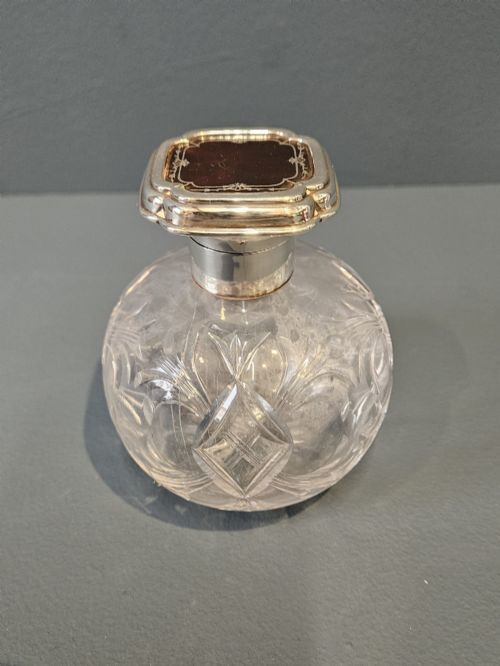
Organic materials such as tortoiseshell appear inset into metal lids, while enamel work introduces coloured decoration across surfaces. Atomiser hardware integrates rubber bulbs, fabric mesh coverings, and metal spray mechanisms.
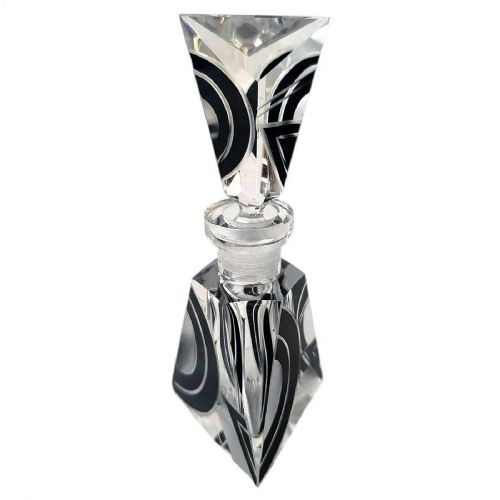
Current listings feature pieces spanning the Victorian era, Edwardian period, and the 1930s, constructed from cut crystal, enamel, and sterling silver.
Distinctions in Quality and Craftsmanship
The standard of execution in glass cutting and moulding dictates the refinement of each piece. Crisp, deep geometric facets on heavy crystal reflect superior craftsmanship compared to softer, pressed glass alternatives.
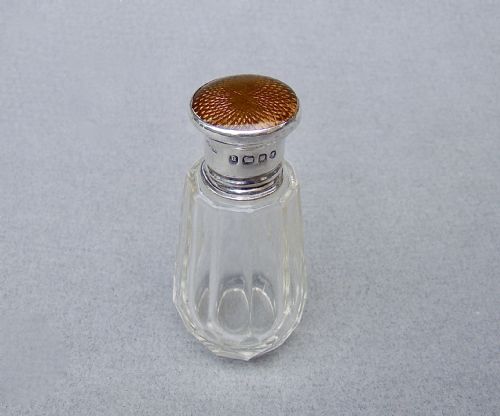
The integration of metalwork and enamel separates standard production items from masterworks. Hand-applied guilloche enamel and fully hallmarked sterling silver mounts demonstrate higher artisan investment.
Design attribution elevates certain pieces significantly, particularly signed works by notable glassmakers and specialised silversmiths. The complexity of the overall ensemble, such as cased trios or complete matching vanity sets, indicates higher original status.
Tonnel Paris·Gorham·Laugharne Glass·Henry Perkins·Karl Palda·Rene Lalique·Rudolf Hlousek·Barnsley and Co·Adie Brothers Ltd
The Vintage Vanity Dress Table Bottle Glossary
- Guilloche enamel
- A decorative technique involving precise, intricate mechanical patterns engraved beneath a translucent enamel layer. This method creates a shimmering background frequently seen on Art Deco lids.
- Atomiser
- A spray mechanism fitted to a perfume bottle that disperses liquid scent in a fine mist. These devices often utilise a rubber squeeze bulb connected to a metal uptake tube.
- Sterling silver mount
- A collar, rim, or cap fashioned from solid sterling silver fitted to the neck of a glass bottle. These mounts frequently bear hallmarks indicating the assay office and year of manufacture.
- Cologne bottle
- A vessel specifically intended to hold eau de cologne, typically larger than a standard perfume vial. They often feature screw-down silver lids or glass stoppers.
- Cut crystal
- High-clarity glass containing lead oxide, shaped through precision wheel-cutting to create sharp facets. This material produces greater brilliance and weight than standard blown glass.
Vintage Vanity Dress Table Bottle: Frequently Asked Questions
What is the difference between a scent bottle and an atomiser?
A traditional scent bottle relies on a stopper or screw cap to seal the contents, requiring the user to dab the liquid manually onto the skin. An atomiser incorporates a mechanical spray pump and internal tube to dispense the perfume in a fine mist.
While both served dressing table functions, atomisers became especially popular during the Art Deco era alongside geometric glass vessels.
How do I identify a 1930s Art Deco piece?
Art Deco pieces typically display sharp geometric lines, sunray motifs, and stark colour contrasts such as black, green, or clear glass paired with enamel. Makers from the Czech Republic and designers like Karl Palda defined this aesthetic.
These items frequently feature heavy moulding and abstract patterns that depart entirely from Victorian floral ornamentation.
Are sterling silver mounts marked with hallmarks?
British silver mounts usually feature a complete set of hallmarks indicating the maker's mark, standard mark, assay office, and date letter. These stamps help pinpoint the exact year and city of production.
Foreign pieces, such as those from France or the Czech Republic, often utilise alternative metal stamps or maker signatures.
How were these bottles used on a dressing table?
These vessels formed part of a coordinated vanity service alongside hairbrushes, powder boxes, and trays. Wealthy owners displayed matching sets on mirrored plateau trays to hold perfumes, lotions, and smelling salts.
Travelling versions were secured inside fitted leather or brass-bound wooden cases to protect the fragile glass during transit.