
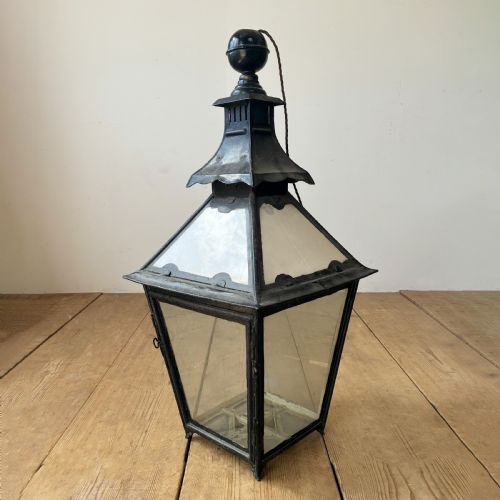
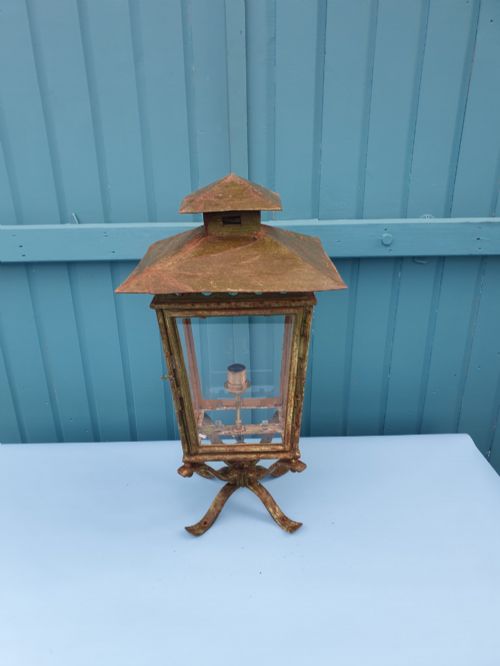


Victorian Glass Porch Light
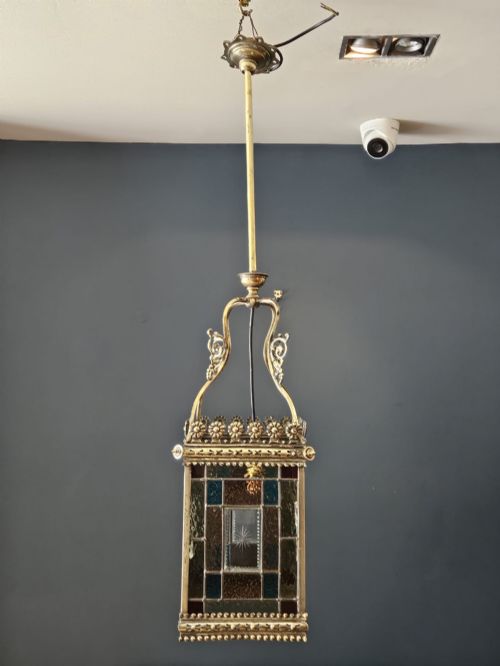
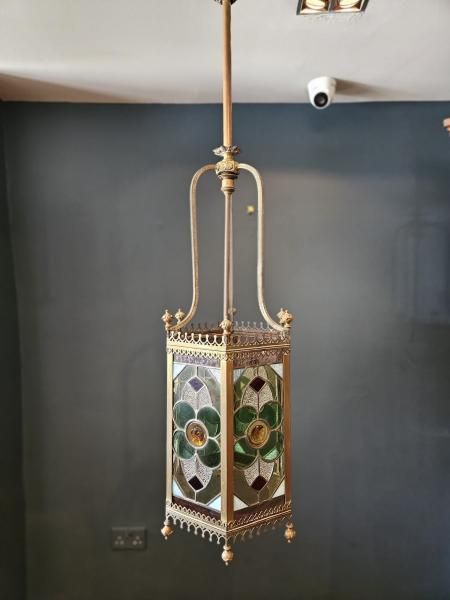
A victorian glass porch light brings heavy brass, leaded glass and period character to an entrance.
Victorian Glass Porch Light
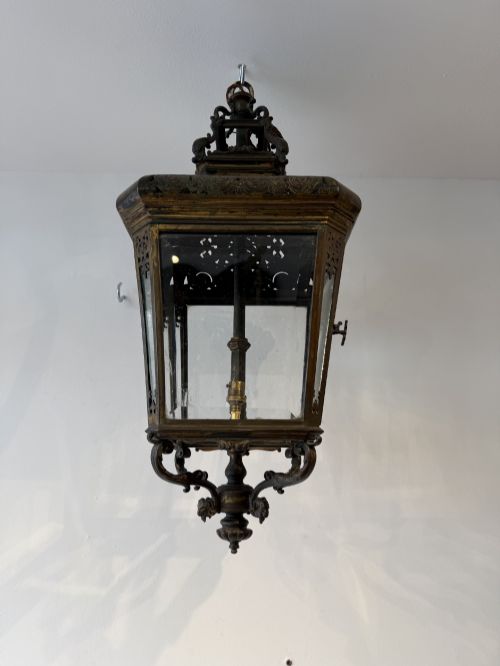
A victorian glass porch light covers a range of hall lanterns, ceiling lights, and hanging lanterns designed to illuminate entranceways. You will encounter versions spanning the nineteenth century alongside later adaptations, all sharing an emphasis on durable outdoor illumination.
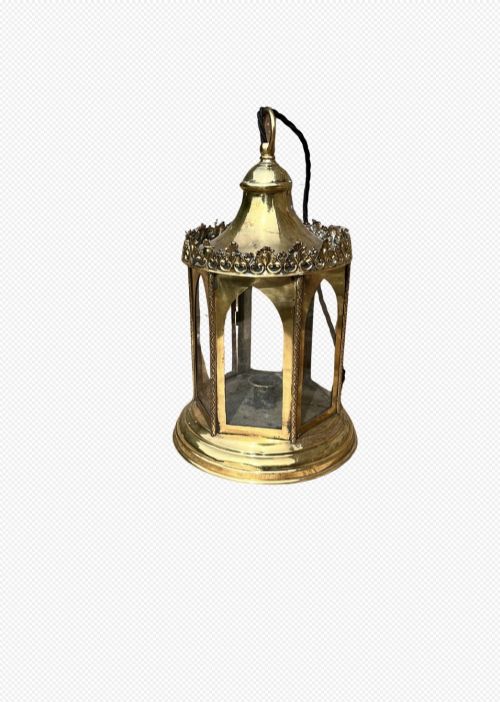
The selection includes brass framed fixtures, leaded glass panels, and copper lanterns originating from English and French workshops. Many pieces demonstrate gothic revival influences or aesthetic movement styling, while others reflect country house utility.
Lanterns often arrive converted from gas or fitted with electrical wiring for modern use. The physical forms vary from wall mounted brackets to substantial hanging ceiling fixtures suited to deep porches.
How they were made
Makers built these frames using brass, bronze, copper, and wrought iron to withstand exterior conditions. Lead cames held individual glass panels together in patterned windows.
Glazing often incorporated coloured, red and yellow, or painted glass alongside clear panes. Metalwork utilised casting, riveting, and soldering to join structural elements securely.
Styles span gothic revival, aesthetic movement, and country house utility.
What varies in quality
The substance of the metal frame dictates durability, with heavy cast bronze and thick brass outlasting lighter painted sheet metal. Finishes applied to copper and iron show greater depth in superior examples.
The complexity of the glass work separates standard utilitarian lights from finer decorative specimens. Leaded geometric patterns and intact coloured glass panels require greater skill than plain plate glazing.
The Victorian Glass Porch Light Glossary
- Lantern
- A protective enclosure for a light source, typically constructed with glazed panels and a metal frame. These were hung in hallways and porches to shield flames from drafts.
- Leaded Glass
- Pieces of glass held together by lead cames to form a patterned window. This technique allowed makers to create complex geometric designs for lantern panels.
- Gothic Revival
- An architectural and decorative style drawing on medieval forms, featuring pointed arches and heavy tracery. This aesthetic influenced many nineteenth century porch lights.
- Aesthetic Movement
- A late nineteenth century design approach emphasising visual beauty over narrative meaning. Pieces in this style often display refined brass detailing.
Victorian Glass Porch Light: Frequently Asked Questions
Are these lights wired for electricity?
Many lanterns arrive converted for modern electrical use, though some retain old fittings or gas conversion marks. Buyers should check the internal wiring configuration upon arrival.
Rewiring is often straightforward for a qualified electrician working with vintage metal fixtures.
Can these hang outdoors?
Most of these lanterns were originally built for exterior entranceways, using robust metals like copper, brass, and iron. However, exposure to severe weather depends on the specific seals and current condition of each piece.
Sheltered porches offer the best protection for antique glass and original metal finishes.
How do I identify a Victorian lantern?
Victorian examples typically display period construction methods such as heavy cast brass frames, hand soldered lead cames, and traditional patination on copper or bronze. Stylistic markers like gothic revival arches also point to this era.
Comparing the metal weight and glass thickness helps distinguish nineteenth century pieces from later reproductions.
What is a hall lantern?
A hall lantern is a hanging light fixture designed specifically for entrance lobbies, corridors, and stairwells. They provide directed illumination while serving as a decorative focal point.
These pieces usually suspend from chains or metal rods attached to a ceiling rose.