
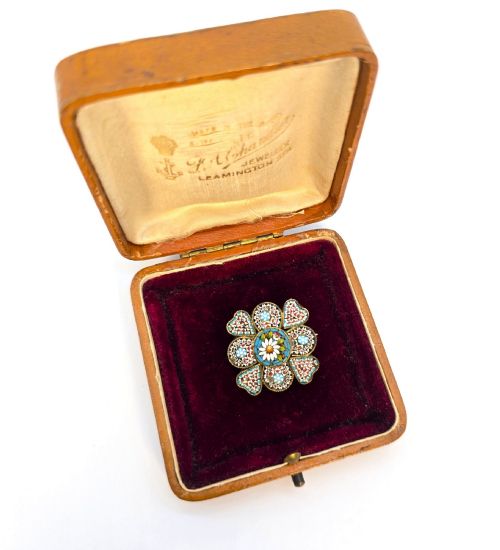
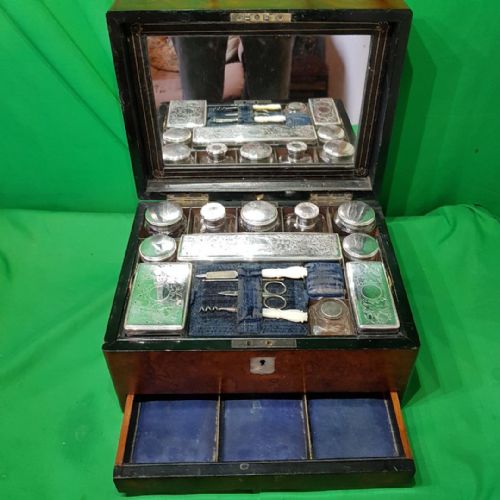


Victorian Glass Jewellery Box
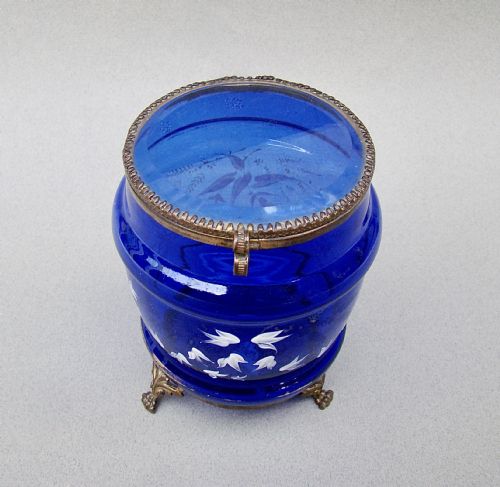
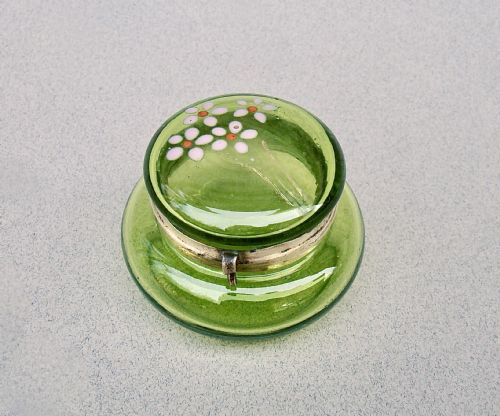
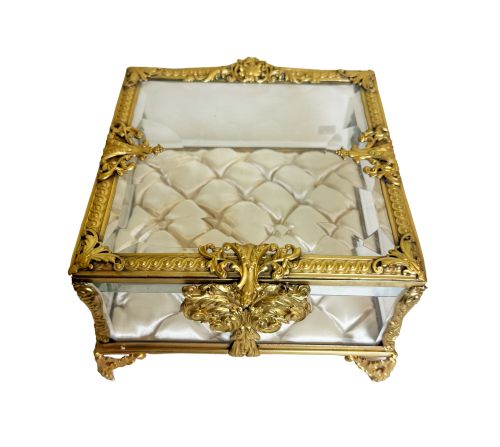
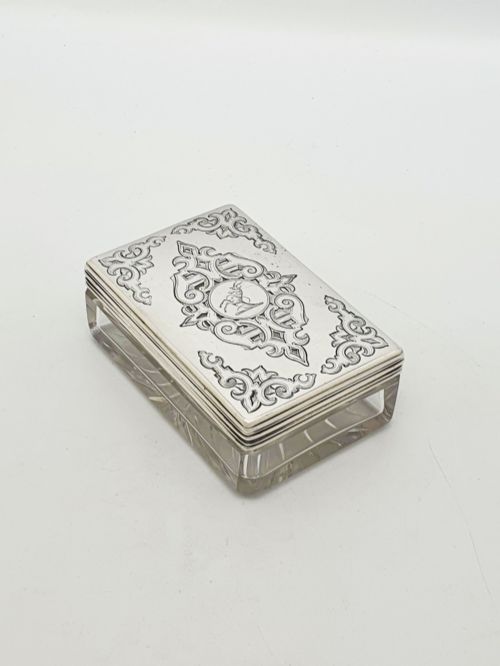
A victorian glass jewellery box combines heavy metal frames with coloured or clear crystal to keep personal treasures visible.
Victorian Glass Jewellery Box
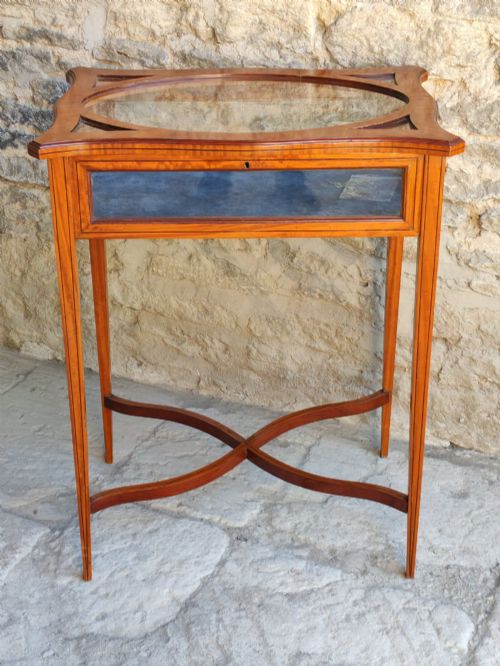
A victorian glass jewellery box takes the form of small caskets, octagonal trinket containers, and larger bijouterie tables designed to display personal treasures.
The pieces on this page span the nineteenth century and the Edwardian period, with French and English workshops providing the main stylistic variants.
Buyers frequently encounter moulded or cut glass panels held together by brass or ormolu metalwork, often housing original velvet or silk linings.
How they were made
Craftsmen joined heavy bevelled glass or coloured crystal panels using cast brass, gilded bronze, or ormolu frames secured by internal corner brackets.
Many glass surfaces received hand-painted enamel decoration or surface gilding before final assembly into hinged caskets and display tables.
Some French novelties disguise a trinket box as a miniature horse-drawn carriage from the Palais Royal.
What varies in quality
The weight and thickness of the glass panels determine the structural integrity of each casket, alongside the precision of the metal casting in the brass or ormolu mounts.
Superior examples retain their original interior silk or velvet linings intact and feature tightly fitted hinged lids that close flush against the metal frame.
The Victorian Glass Jewellery Box Glossary
- Ormolu
- Gilded bronze mounts applied to furniture and glass caskets. The technique involves applying a mercury and gold amalgam to cast bronze before heating.
- Bijouterie table
- A glass-topped display table used for showing small valuables and trinkets. These pieces often feature hinged lids and velvet-lined interiors.
- Bevelled glass
- Glass panes with angled edges cut and polished to catch the light. This technique adds depth and refinement to display boxes.
- Bristol blue
- A deep cobalt-coloured glass produced in England during the eighteenth and nineteenth centuries. It appears frequently in decorative trinket containers.
Victorian Glass Jewellery Box: Frequently Asked Questions
What is a victorian glass jewellery box used for?
These caskets served to hold rings, brooches, and small personal valuables on dressing tables.
The glass lids allowed owners to view the contents without opening the box, doubling as display pieces.
How do I clean an antique glass box?
Use a soft, dry cloth to remove dust from the glass and metal surfaces.
Avoid liquid cleaners that might seep into the frame and damage the original velvet or silk interior lining.
Are French and English boxes different?
French pieces often utilise ornate ormolu mounts and coloured glass such as Bristol blue or opaline.
English variants tend towards restrained brass frames combined with heavy cut crystal or mahogany structures.
How do I date these pieces?
Examine the hinge construction, lock mechanisms, and the thickness of the glass panels.
Later Edwardian items often feature lighter frames, while mid-nineteenth century caskets show heavier cast metalwork.