


Victorian Glass Flutes
Victorian glass flutes are elegant drinking vessels designed for celebrations, bringing period charm and brilliant clarity to the dining table.
Victorian Glass Flutes
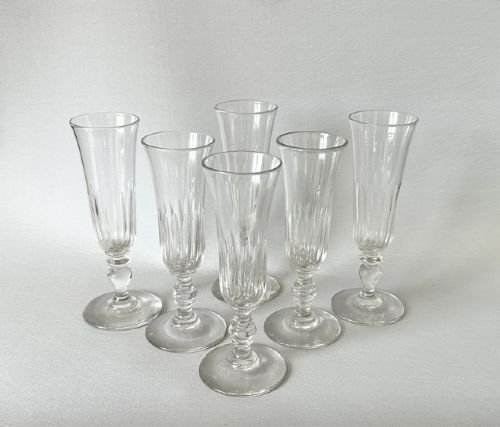
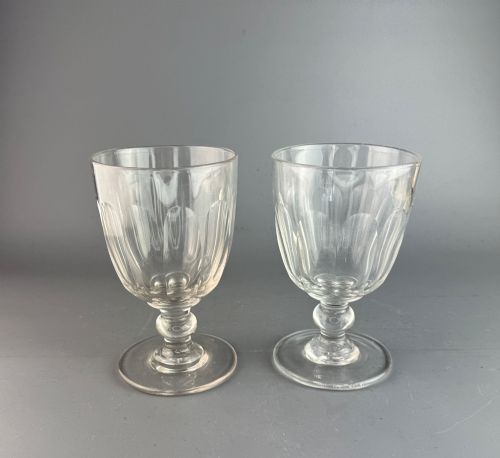
When searching for victorian glass flutes, a buyer encounters slender, tall drinking vessels created primarily during the 19th Century. The archive and current selections demonstrate that pairs and matched sets of champagne flutes and sherry flutes dominate these offerings.
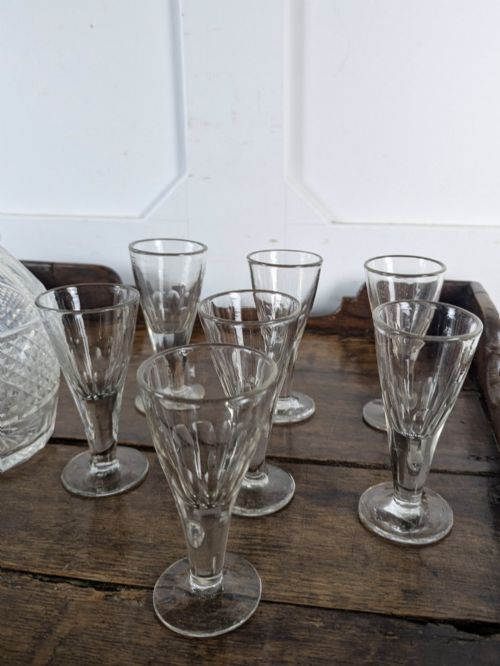
These pieces reflect the social dining habits of the period, emerging frequently in clear glass and cut glass variations. They span the early Victorian era through to late Victorian production, often found alongside decanters and rummers from the same years.
Materials and construction
Makers utilised blown glass and lead crystal to achieve the resonant quality and brilliance expected of nineteenth-century tableware. Skilled hands shaped the molten material into slender bowls before applying decorative cuts.
Thumb-cuts and faceted patterns were worked directly into the surface to catch the candlelight of the period. This combination of glassblowing and cold-cutting gives each flute its distinct weight and tactile profile.
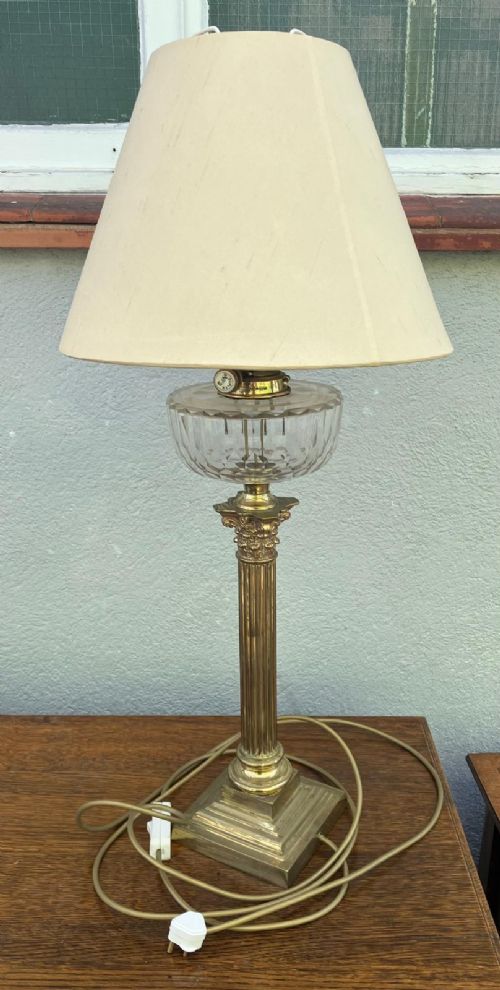
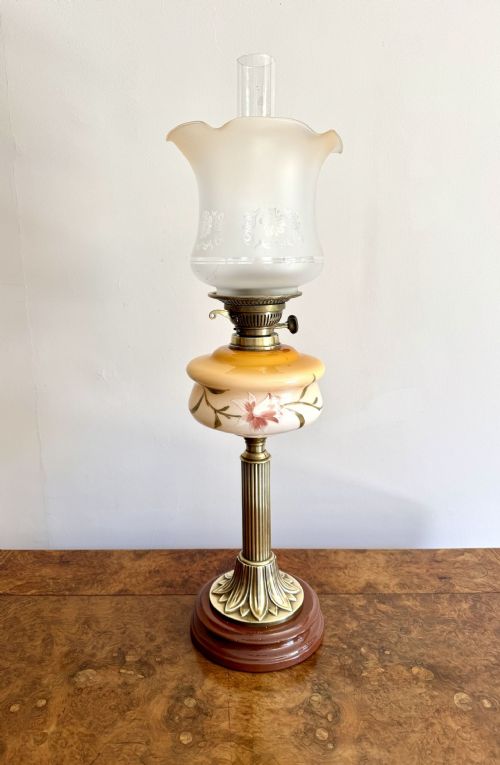
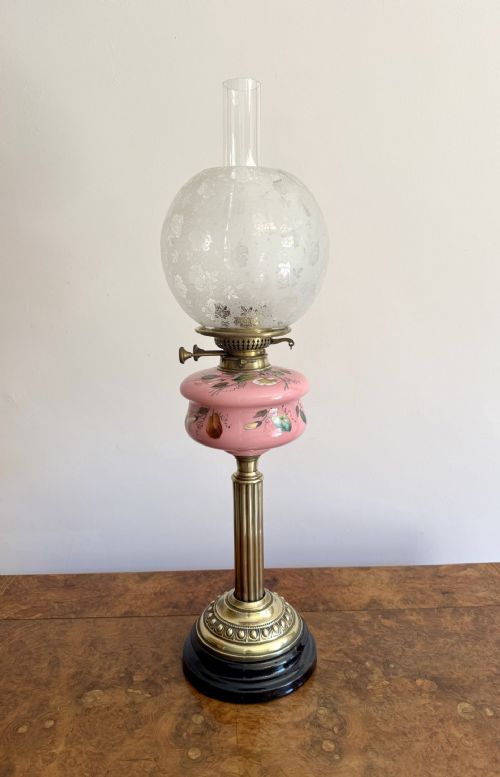
The listings show nineteenth-century glasswork appearing alongside contemporary brass oil lamps and ceramic table wares.
Judging quality in flutes
The standard of a flute rests upon the crispness of the cutting and the uniformity of the glass. Superior examples display sharp facets with zero distortion, while simpler pieces show softer edges and minor bubbles within the metal.
Completeness dictates much of the standing within sets, as matched pairs or larger groups hold greater cohesion than solitary survivors. The resonance of the crystal and the balance of the stem against the foot further separate standard production from finer output.
Hukin & Heath·Powell·Joseph Hinks
The Victorian Glass Flutes Glossary
- Thumb-Cut
- A decorative pattern of rounded, shallow indentations ground into the exterior of glassware. This technique provides a comfortable grip and refracts light effectively.
- Cut Glass
- Glassware decorated by holding the vessel against a rotating abrasive wheel to carve geometric patterns. The process leaves sharp, clean edges that distinguish it from moulded alternatives.
- Lead Crystal
- A heavy, durable form of glass containing metallic oxide that increases refractive index and brilliance. It produces a clear, resonant ring when tapped gently.
- Blown Glass
- An ancient technique where air is introduced into molten metal through a blowpipe to form hollow vessels. It results in organic wall thicknesses and subtle surface variations unique to each piece.
Victorian Glass Flutes: Frequently Asked Questions
Can I still drink from them?
These vessels remain entirely functional and suit modern toastings just as they did in the nineteenth century. Ensure you handle them carefully during gatherings due to their age and delicate stems.
Inspect the rim and bowl for any microscopic nibbles before use to guarantee a smooth experience.
How can I tell genuine Victorian flutes?
Examine the base for signs of wear, including fine scratches known as base wear that accumulate from decades of placement on tables. The weight, hand-finished pontil marks, and subtle irregularities in the metal confirm traditional manufacturing.
True period pieces often exhibit a slight greyish tint or minor air bubbles trapped within the lead crystal during blowing.
Were flutes sold individually or in sets?
Makers originally produced these drinking vessels in matched pairs or larger sets for formal dining rooms. Surviving assembled sets of eight reflect the grand hospitality of Victorian households.
Finding complete matched sets becomes harder as time passes, making pairs and larger groupings particularly desirable for collectors.