
Victorian Glass Door Cabinet
A victorian glass door cabinet brings visibility and warmth to a room, storing books and display pieces behind clear panes.
Victorian Glass Door Cabinet
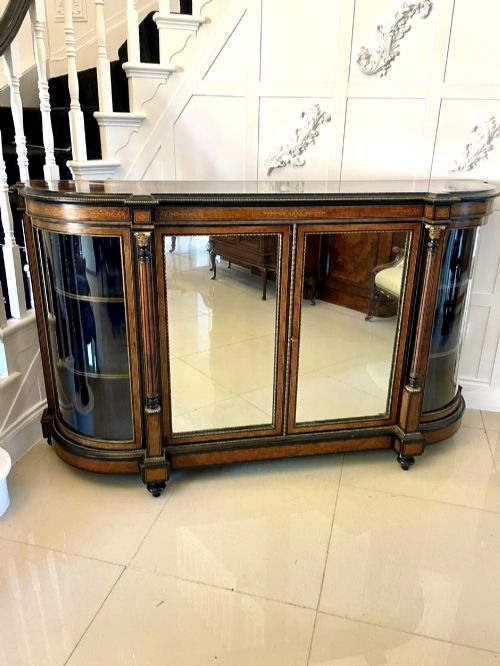
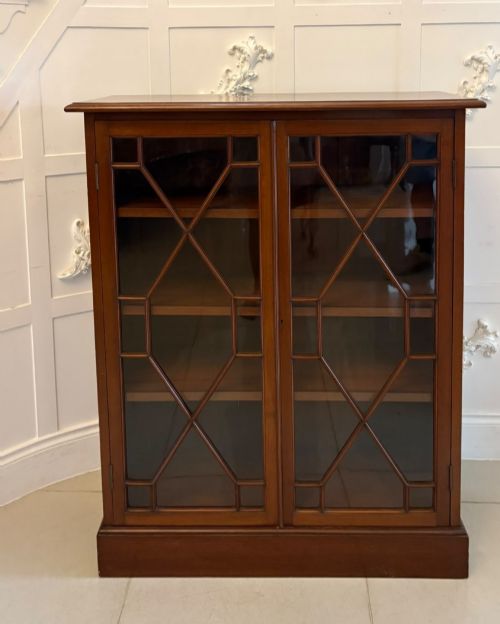
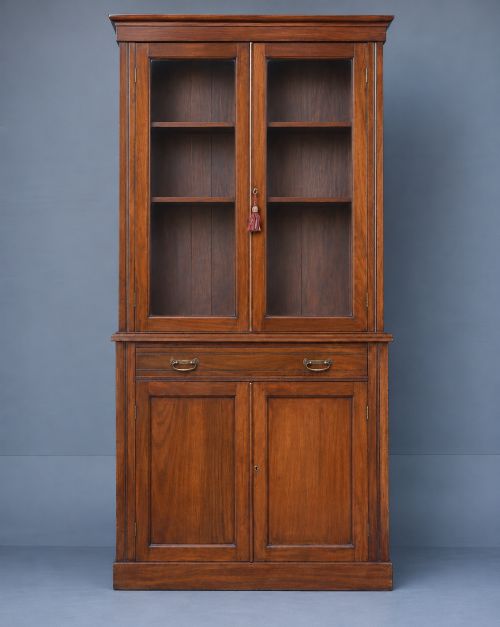
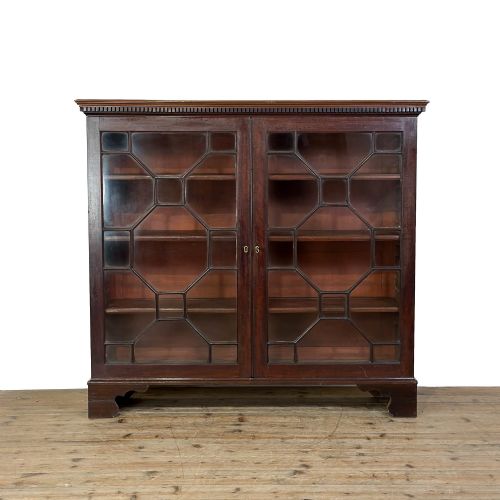
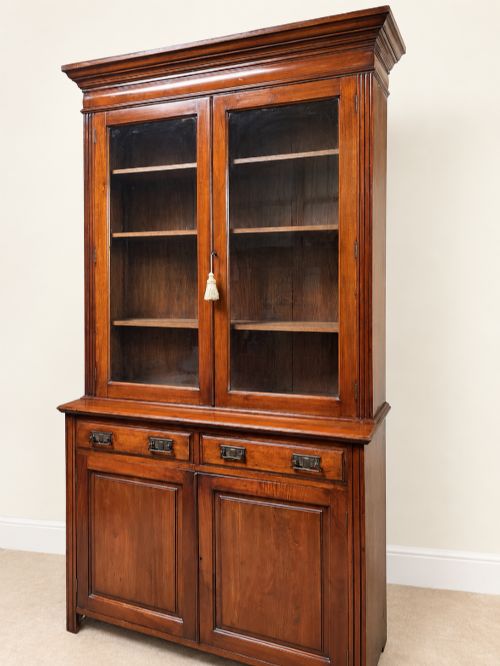
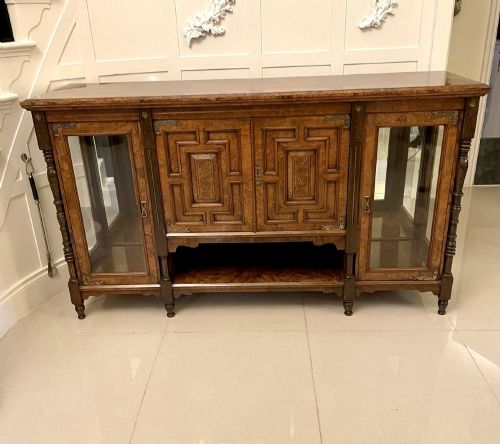
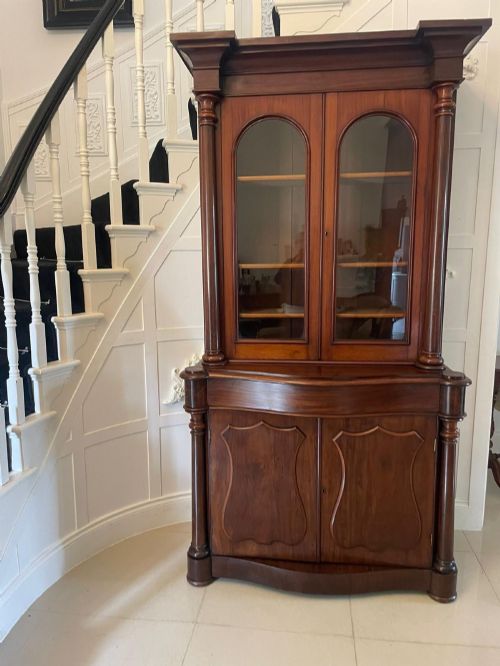
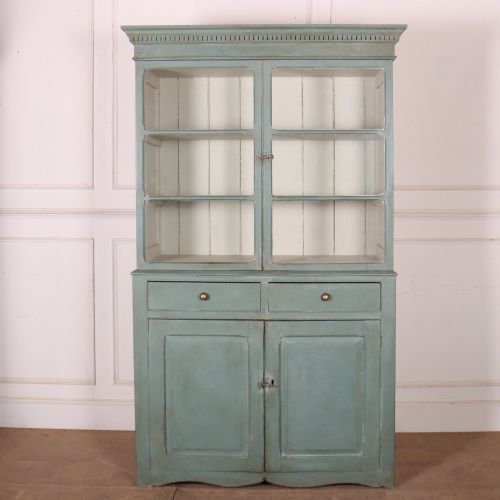
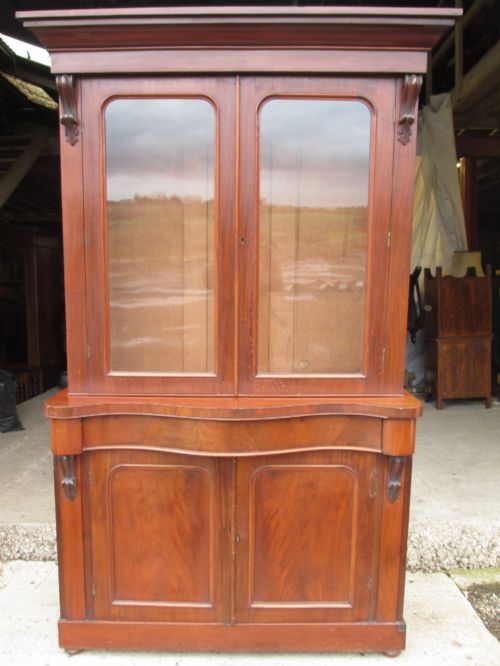
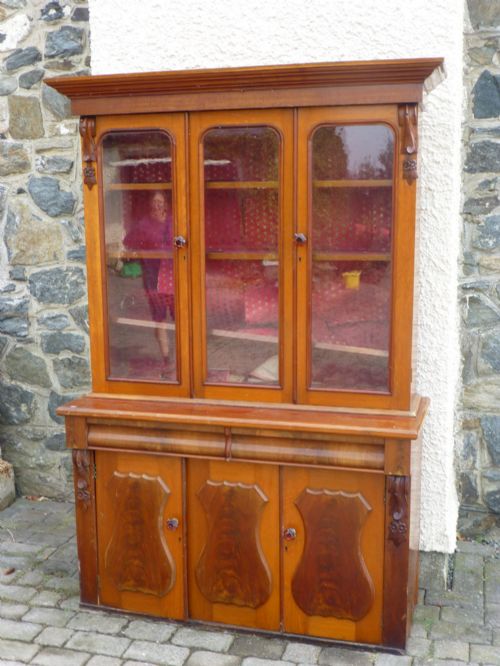
A victorian glass door cabinet encompasses diverse forms including tall bookcases, low pier cabinets, credenzas and kitchen dressers produced throughout the nineteenth century. These items serve to organise and exhibit household items while keeping them protected behind glazed panels.
The pieces appearing on this page span the Victorian era alongside related nineteenth-century examples and Edwardian additions, reflecting English, Scottish and Welsh vernacular traditions. Mahogany and burr walnut predominate among the formal styles, while pine and oak populate the regional furniture varieties.
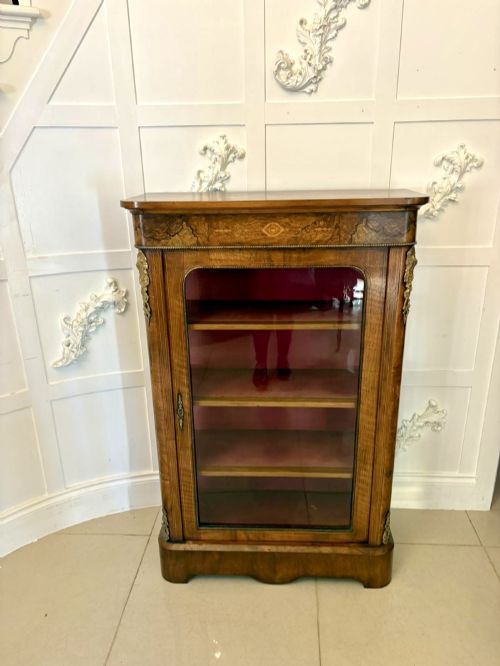
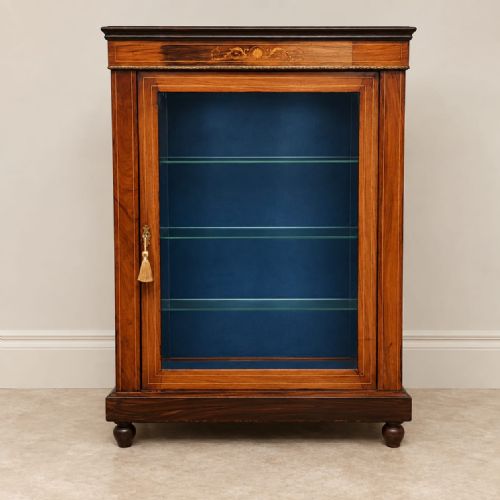
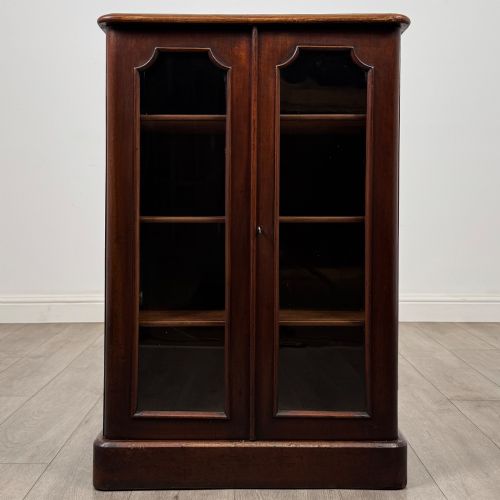
Buyers frequently encounter compact pier cabinets designed for parlour corners alongside substantial library bookcases fitted with adjustable shelving. Each form utilises glass doors as the primary architectural element, balancing utilitarian storage with decorative display.
Distinctions in quality
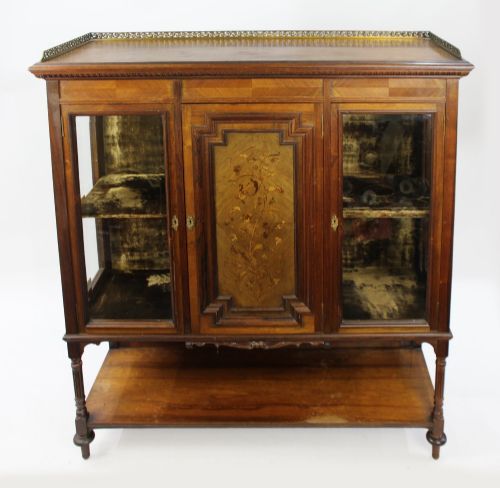
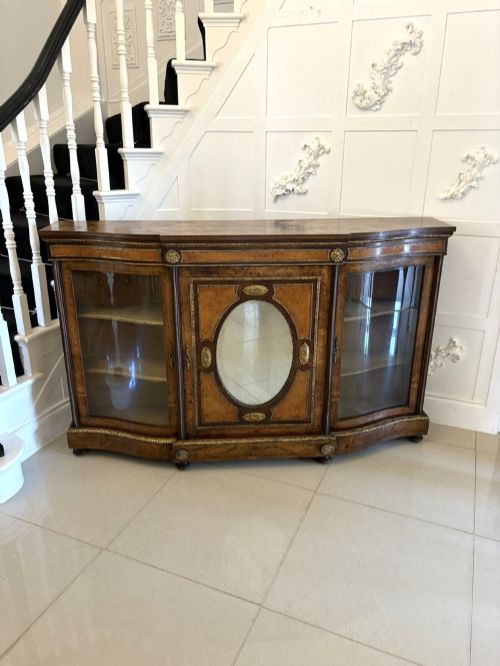
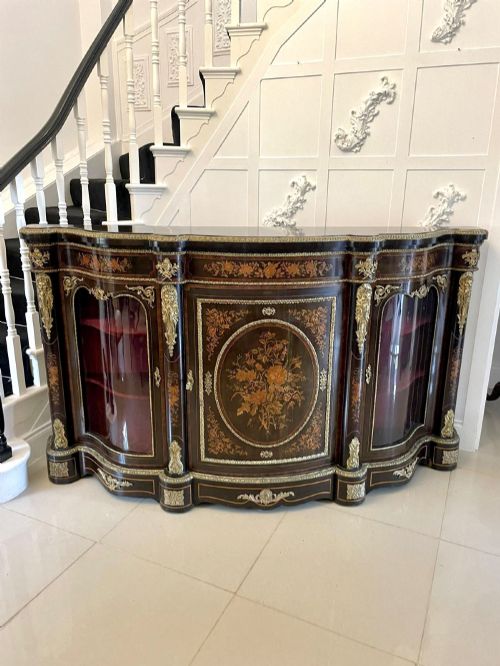
The standard of timber selection and veneer matching defines the visual impact of each cabinet, separating finely figured burr walnut from plain secondary woods. Cabinet makers who invested care in floral marquetry and precision brass ormolu mounts achieved a higher tier of execution.
Structural integrity depends on the joinery of the door frames and the clarity of the glass panes retained within them. Refined examples display harmonious proportions, such as serpentine shapes or delicate inlay, which elevate them above utilitarian kitchen furniture.
Listings feature woods spanning mahogany, burr walnut, oak, pine, rosewood, amboyna and ebony alongside brass and ormolu mounts.
The Victorian Glass Door Cabinet Glossary
- Pier cabinet
- A low freestanding cabinet designed to fit narrow wall spaces between windows or architectural piers. These pieces typically feature a single glazed door and flat top surfaces suited for ornaments.
- Credenza
- A low sideboard or cabinet often fitted with glass doors and embellished with ormolu mounts or marquetry. Originating as a serving table, the nineteenth-century form functions primarily for display.
- Astral glazed
- Describes glass doors divided into smaller panes by wooden glazing bars arranged in geometric or arched patterns. This technique provides structural support while adding decorative detail.
- Marquetry
- Decorative veneer work formed by fitting together contrasting pieces of wood or other materials to create pictorial or floral patterns. Craftsmen apply these designs to cabinet doors and friezes.
Victorian Glass Door Cabinet: Frequently Asked Questions
What is a pier cabinet?
A pier cabinet is a low, narrow piece built to stand against the wall space between windows. They usually feature a single glazed door.
These cabinets were popular in Victorian parlours for displaying small ceramics and decorative objects.
How do I identify a credenza?
A credenza is a low cabinet that often incorporates curved serpentine shapes, ormolu mounts, and burr walnut veneers. They sit low to the ground compared to tall bookcases.
Such pieces serve as both sideboards and display units within formal reception rooms.
Are shelves adjustable?
Many nineteenth-century bookcases and display cabinets feature adjustable shelving supported by wooden ratchets or metal pins. This allowed owners to accommodate books of varying heights.
Shop display cabinets specifically utilise adjustable glass shelves to maximise interior visibility.
What woods were used?
Cabinet makers utilised mahogany and walnut for formal library and parlour furniture, often featuring burr walnut veneers. Pine and oak appear frequently in regional Welsh and English country pieces.
Exotic woods like amboyna and rosewood supplement ebony details on decorative items from the later nineteenth century.