



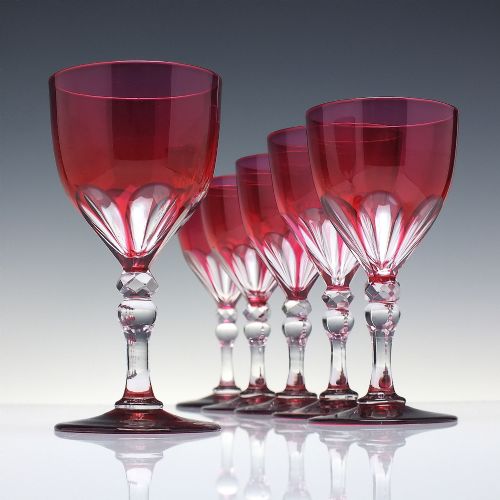
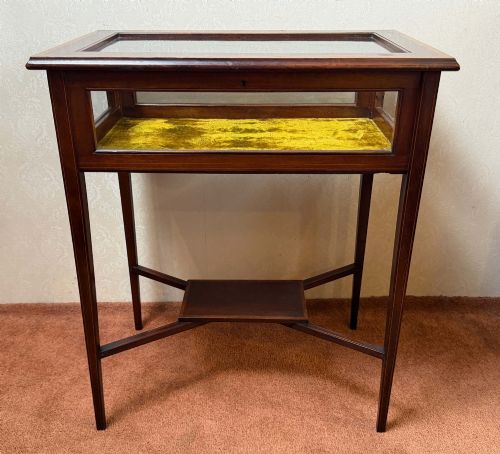
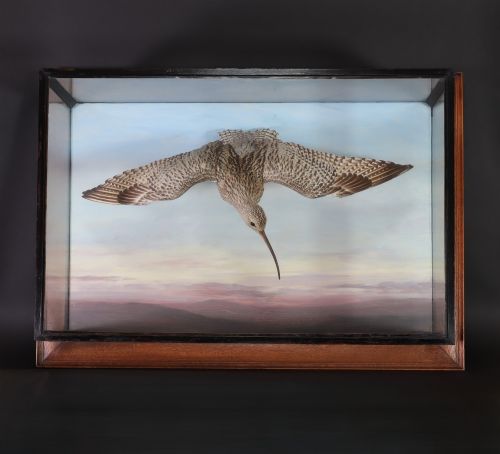
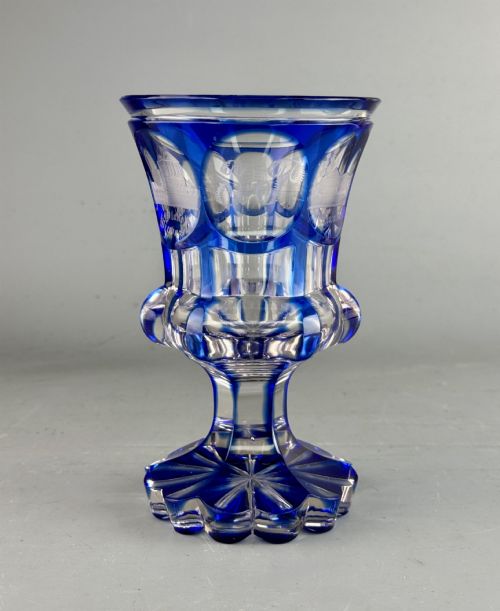
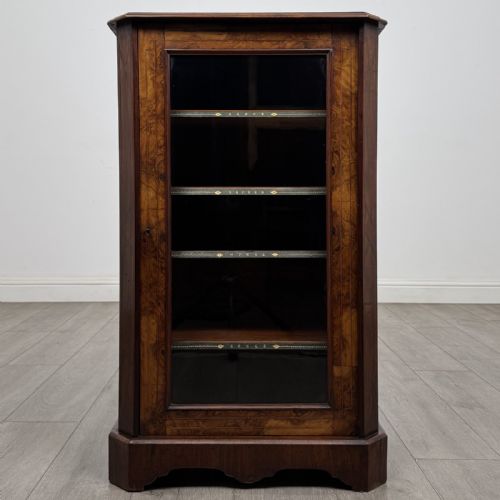
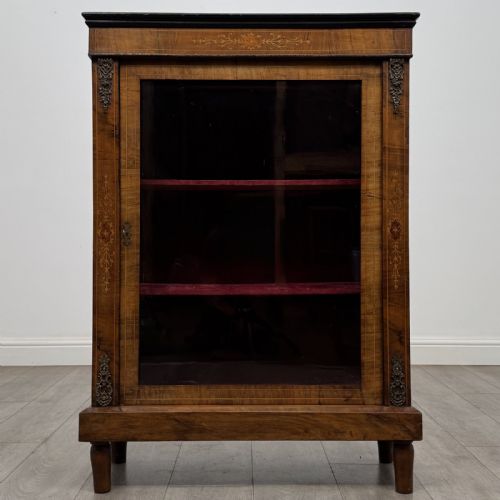
Victorian Glass Case
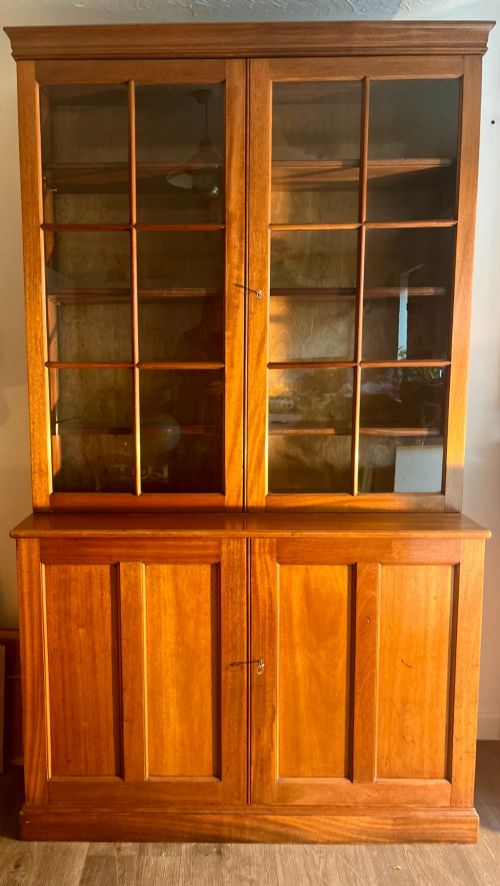
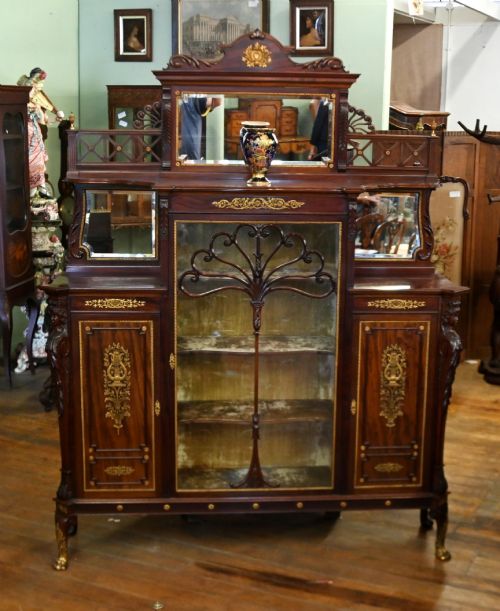
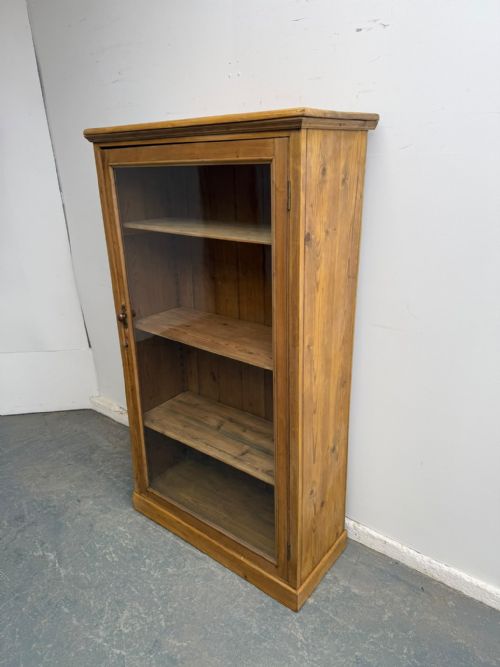
A victorian glass case protects and frames the objects inside it, from taxidermy to silver, using brass, wood and glass.
Victorian Glass Case
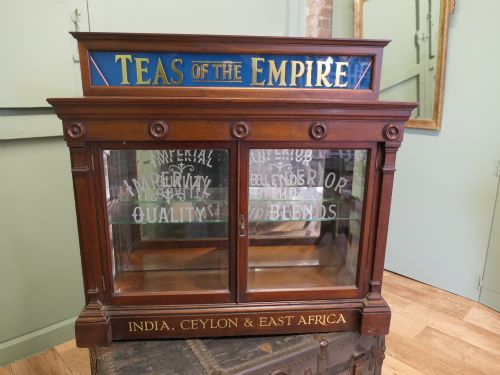
When you search for a victorian glass case, you encounter an array of vessels and cabinets designed to contain treasured possessions. The selection spans distinct forms such as display cabinets, wall domes, shop display units and specialised boxes.
Most pieces date from the nineteenth century, including the Victorian and Edwardian eras. They range from small tabletop scent bottle cases to large mahogany library bookcases and pier cabinets.
Origins vary from English workshops to continental glasshouses, encompassing both domestic display pieces and commercial shop counters.
Materials and Construction
Makers utilised timber frames of mahogany, burr walnut, rosewood, oak and pine to construct the main bodies of these cabinets and boxes. These woods often feature marquetry inlay, polished finishes or brass galleries.
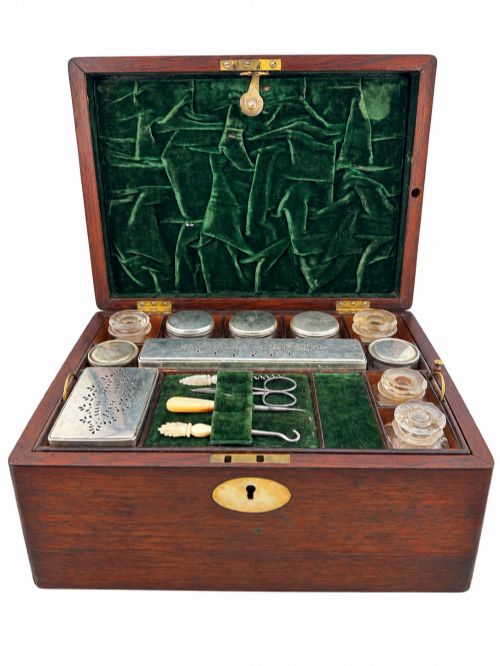
Transparent panels of bevelled or clear glass enclose the displays, paired with interior linings of velvet, leather or paper. Specialised items incorporate brass fittings, sterling silver mounts and enamel details.
Victorian Glass Case Retail Price Guide 2026
Typical asking prices for victorian glass case among the pieces listed under this phrase on Sellingantiques today, from the lower quarter to the upper quarter. They describe what is for sale here now, not the wider market.
Craftsmanship and Proportion
Superior examples display precise joinery in the timber frames, with well-fitted doors and clean glazing bars that hold the glass securely. Lesser pieces show heavier proportions and simpler, unrefined joints.
The choice of timber veneer, such as figured burr walnut or rich mahogany, dictates the visual impact of the cabinet. Finer cases also retain original hardware, intact interior linings and precise mechanical fittings like secret drawers.
P. Spicer of Leamington Spa·Cullingford of Durham·James Dixon & Sons·Rowland Ward Ltd·T. E. Gunn·GAUPP & CO HONGKONG & SINGAPORE·Little & Co
The Victorian Glass Case Glossary
- Pier cabinet
- A low cabinet designed to stand against the wall space between windows. These typically feature a single glazed door and wood marquetry.
- Taxidermy dome
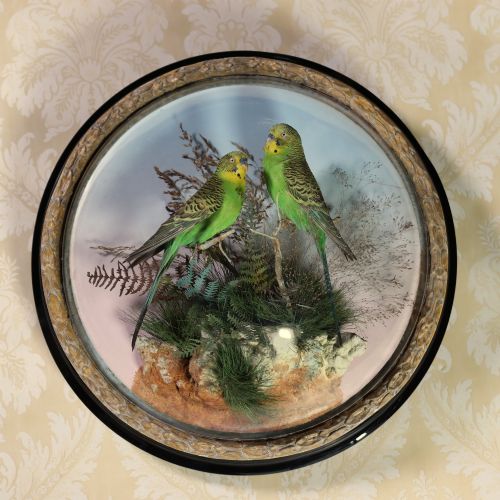
- A glass cover mounted on a base used to protect preserved birds or animals. These shields keep dust away from delicate specimens.
- Barograph
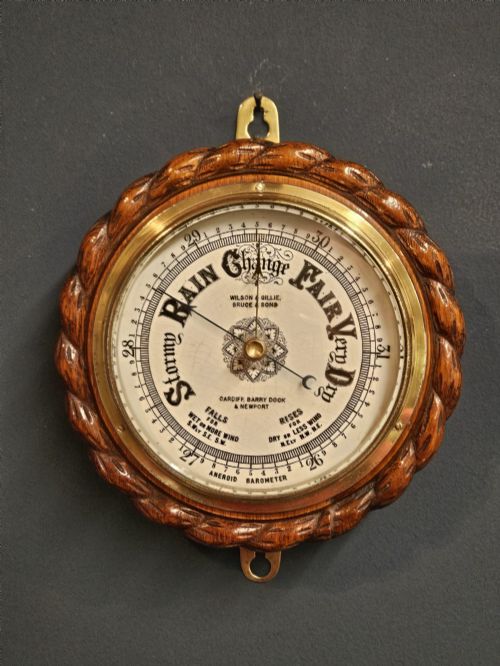
- A recording barometer housed in a wood case with bevelled glass panels. It tracks atmospheric pressure onto a paper chart over time.
- Credenza
- A large sideboard or display unit used for storage and presentation. These often combine cupboards with central glass-fronted display sections.
- Bijouterie cabinet
- A glass-topped table or cabinet designed for displaying small valuables and jewellery. They raise objects to eye level for close inspection.
Victorian Glass Case: Frequently Asked Questions
What fits inside a glass case?
These enclosures house delicate items ranging from taxidermy birds and clocks to glassware and silver collections.
They serve to protect fragile objects from dust and handling while allowing unobstructed viewing from multiple angles.
How do I clean the glass?
Use a soft cloth and a gentle glass cleaning solution applied sparingly to avoid damaging the surrounding wooden frames.
Take care near antique timber polishes, brass mounts and delicate fabric linings.
Where should I place a cabinet?
Position glass furniture away from direct sunlight to prevent the fading of interior velvet linings and wooden veneers.
Ensure the floor surface is level so doors with glazed panels hang straight and close evenly.
How do I date these pieces?
Examine the construction methods, timber types and style markers such as brass galleries or inlay patterns.
Maker signatures, trade labels and taxidermy records also provide precise chronological anchors.