




Victorian Glass Bell Cover
These victorian glass bell cover pieces protect and display prized ornaments, taxidermy, clocks and cheese.
Victorian Glass Bell Cover
A victorian glass bell cover serves primarily to shield delicate objects from dust while keeping them visible for study or admiration. These items range from large taxidermy showcases and clock cases down to smaller table ornaments.
Most examples encountered on this page date from the Victorian and Edwardian periods, constructed to house botanical specimens, stuffed birds, or timepieces. They appear alongside related forms such as glass domes and cheese dishes.
The English tradition dominates the selection, frequently pairing blown glass covers with wooden bases made from oak, pine, or ebonised wood. Collectors find both round and oval formats designed for specific interior display needs.
What varies in quality
The clarity and thickness of the glass distinguish finer specimens from standard utility covers, with better examples showing fewer bubbles and distortions. Weight and stability in the matching wooden or metal bases also indicate superior manufacture.
Proportion and scale dictate the visual appeal of a display dome, particularly when paired with original turned wooden stands or specialised clock cases. Intact linings of velvet or fabric add to the preservation standard of the piece.
Victorian Glass Bell Cover Retail Price Guide 2026
Typical asking prices for victorian glass bell cover among the pieces listed under this phrase on Sellingantiques today, from the lower quarter to the upper quarter. They describe what is for sale here now, not the wider market.
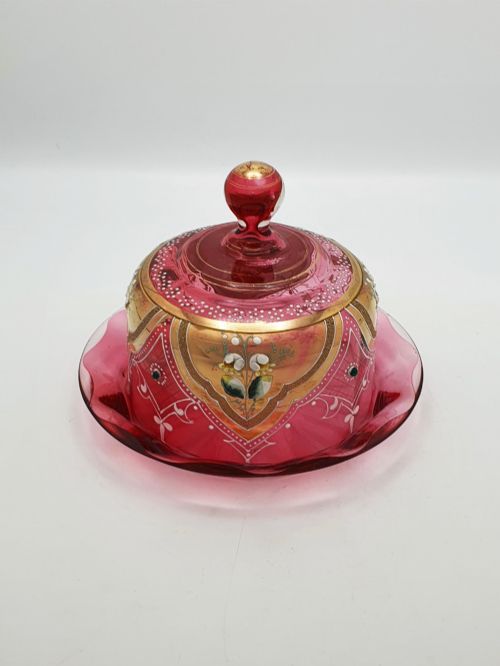
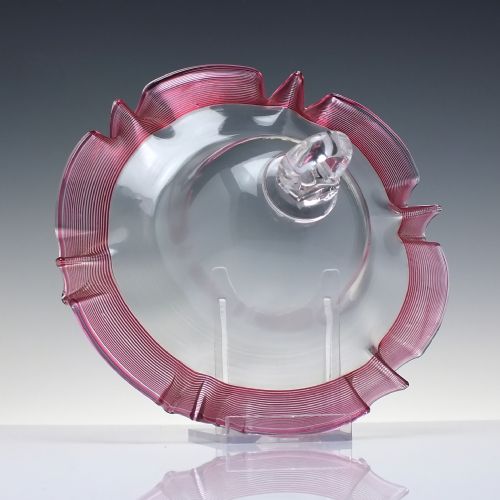
Current listings feature glass, ebonised wood, oak, pine, cranberry glass, velvet, and silver plate across Victorian and Edwardian periods.
The Victorian Glass Bell Cover Glossary
- Cloche
- A bell-shaped glass cover used traditionally in gardens to protect tender plants or indoors to cover food and ornaments. The word derives from the French term for bell.
- Taxidermy showcase
- A glass dome paired with a base designed specifically to house preserved animals, birds, or botanical specimens. These setups prevented dust accumulation on delicate feathers and plants.
- Ebonised wood
- Timber treated with a dark finish to imitate expensive ebony wood. This treatment provided a stark, contrasting border for clear glass covers.
- Cranberry glass
- A rich red-pink transparent glass created by adding gold chloride to the molten mixture. It frequently appeared in tableware and decorative dishes during the nineteenth century.
Victorian Glass Bell Cover: Frequently Asked Questions
What fits under a glass dome?
These covers typically house delicate items requiring protection from dust and handling, such as taxidermy birds, botanical specimens, and mantel clocks.
Smaller versions also serve as cheese dishes or decorative table covers in dining settings.
How do I clean the glass?
A soft cloth and warm soapy water usually suffice for cleaning antique glass covers without causing damage.
Care must be taken when lifting heavy blown glass away from wooden or fabric bases.
Are wooden bases original?
Most surviving examples retain their fitted wooden platforms made from pine, oak, or ebonised timber.
Matching the dome to its original base ensures stability and preserves the historical integrity of the piece.
Can I use them outside?
Historical garden cloches were built for outdoor plant protection, utilising sturdy glass and metal frames.
Decorative indoor display domes feature thinner glass and wooden bases unsuited to weather exposure.