

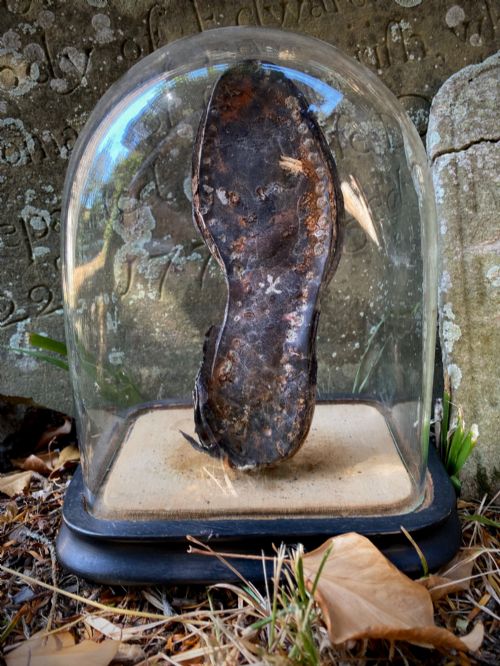


Wooden Base Glass Dome
A wooden base glass dome is a protective display cover designed to preserve delicate taxidermy, botanicals, and timepieces.
Wooden Base Glass Dome
A wooden base glass dome brings together blown glass covers and timber stands to protect delicate interior items from dust and damage. When searching for a wooden base glass dome, buyers encounter pieces originating primarily from the Victorian and Edwardian periods.
The objects displayed beneath these covers vary considerably, spanning taxidermy specimens, beadwork bouquets, botanical displays, and mantel or carriage clocks. Most examples date from the nineteenth and early twentieth centuries, reflecting the domestic display habits of those eras.
Forms range from small showcases to wide specimen domes and tall professor's domes. Each piece relies on a simple timber platform supporting a clear blown glass cover, creating a self-contained display environment.
Construction and materials
The wooden bases are constructed from timber such as oak, beech, pine, or ebonised wood, often lined with fabric, felt, or organic material. These stands provide a stable foundation shaped to receive the heavy blown glass covers.
The glass covers are blown to form clear domes and cloches of varying proportions, from oval collector's cases to wide circular cylinders. These glass elements sit securely upon the wooden plinths to enclose the items within.
Wooden Base Glass Dome Retail Price Guide 2026
Typical asking prices for wooden base glass dome among the pieces listed under this phrase on Sellingantiques today, from the lower quarter to the upper quarter. They describe what is for sale here now, not the wider market.
Birds of Paradise occasionally found themselves permanently grounded under Victorian glass.
Distinguishing quality
Quality in a wooden base glass dome rests upon the clarity and weight of the blown glass cover, which should display natural minor bubbles rather than modern industrial uniformity. Thicker glass and well-proportioned timber bases indicate superior domestic display items.
The secondary materials inside the dome, such as fine beadwork bouquets or taxidermy arrangements, influence the overall integrity of the piece. The precise fit between the glass cover and the wooden groove determines how effectively dust was kept from the interior.
A Pollard
The Wooden Base Glass Dome Glossary
- Cloche
- A bell-shaped glass cover used to protect delicate items or plants. The term derives from the French word for bell.
- Ebonised wood
- Timber treated to imitate ebony, giving a dark, polished finish. This technique was popular for Victorian display bases.
- Specimen dome
- A glass cover and base specifically utilised for housing natural history items or botanical exhibits. These often feature taller proportions to accommodate upright displays.
- Taxidermy
- The art of preparing, stuffing, and mounting the skins of animals for display. Victorian examples frequently appear beneath glass domes.
Wooden Base Glass Dome: Frequently Asked Questions
What fits inside a wooden base glass dome?
These domes typically house taxidermy birds, botanical specimens, French beadwork bouquets, and antique clocks.
The contents reflect nineteenth and early twentieth-century interests in natural history and precision timekeeping.
How do I date a wooden base glass dome?
Dating relies on the timber used for the base, the method of glass manufacture, and the style of any enclosed object.
Victorian and Edwardian examples often show specific wood turnings and heavier glass characteristics compared to later pieces.
Were these domes used for clocks?
Yes, many specimens functioned as clock cases for mantel clocks, carriage clocks, and electric movements.
The wooden base provided a stable platform while the glass protected the delicate mechanical works from dust.
Are the glass domes removable?
The glass covers lift off the wooden bases to allow access to the interior contents.
Care is required when lifting the heavy glass dome away from its fitted groove in the timber base.