
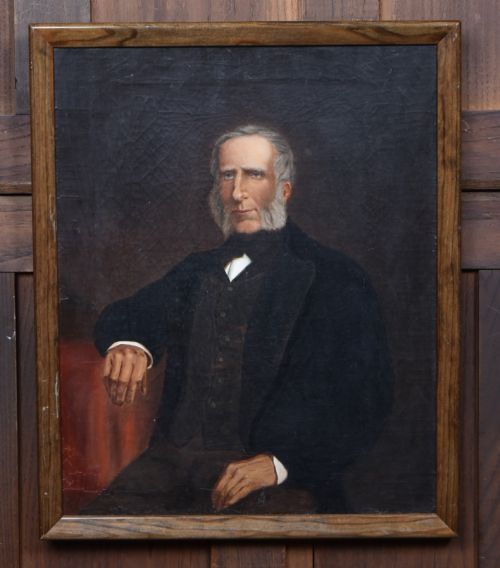
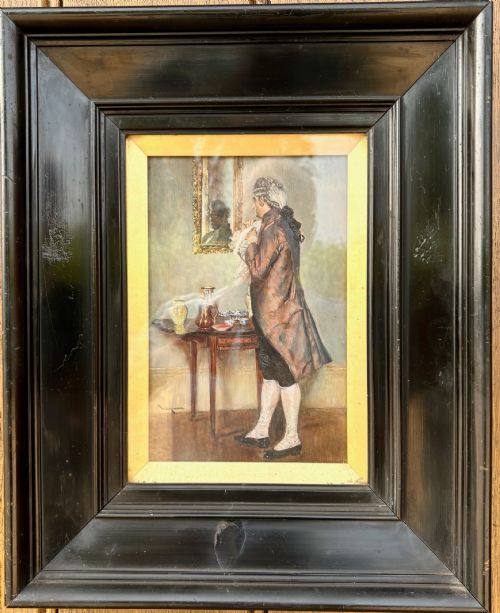
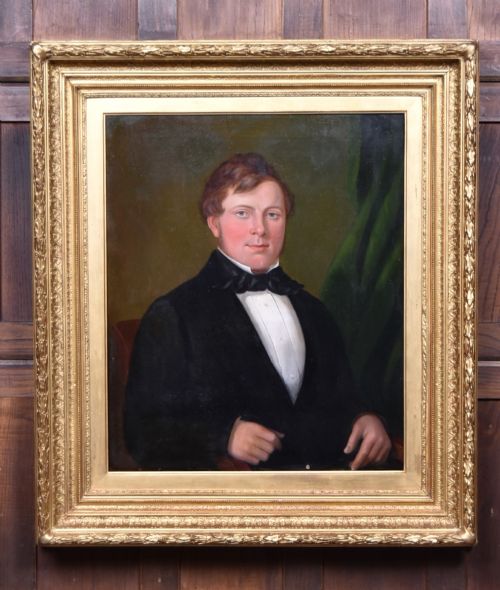
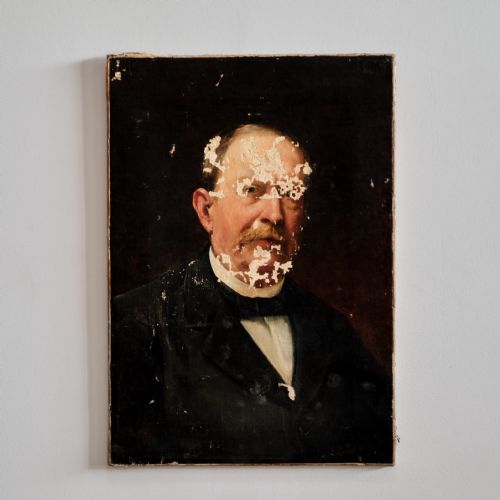
Victorian Gentleman Oil Painting
When you search for a victorian gentleman oil painting, you encounter characterful portraiture spanning the nineteenth century through the Edwardian period.
Victorian Gentleman Oil Painting
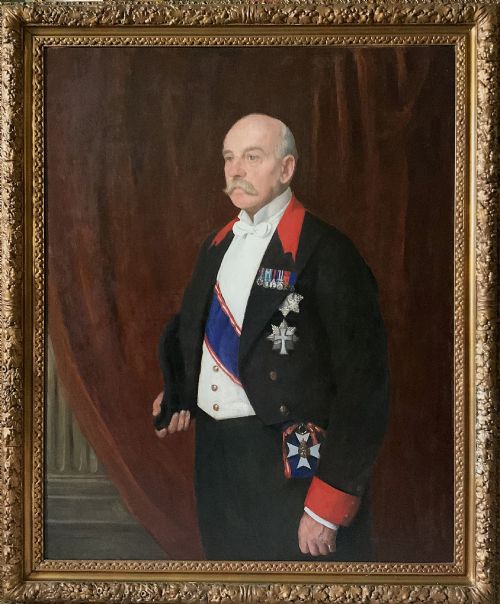
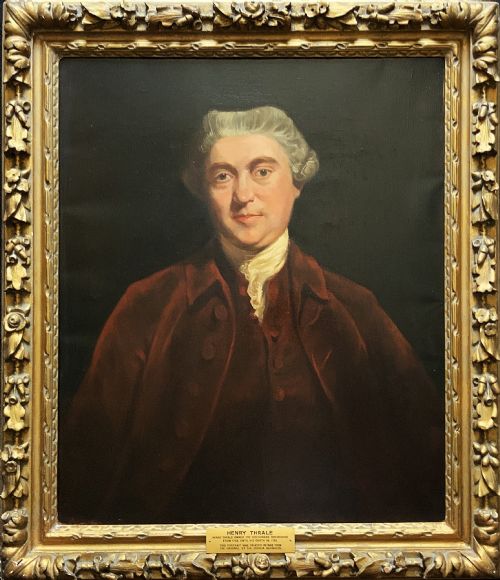
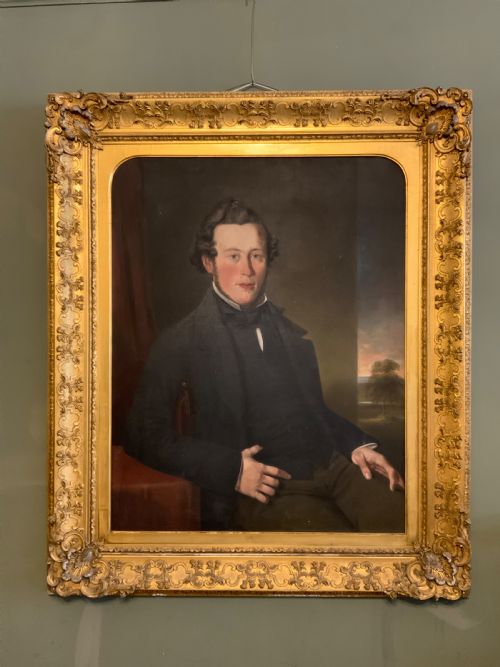
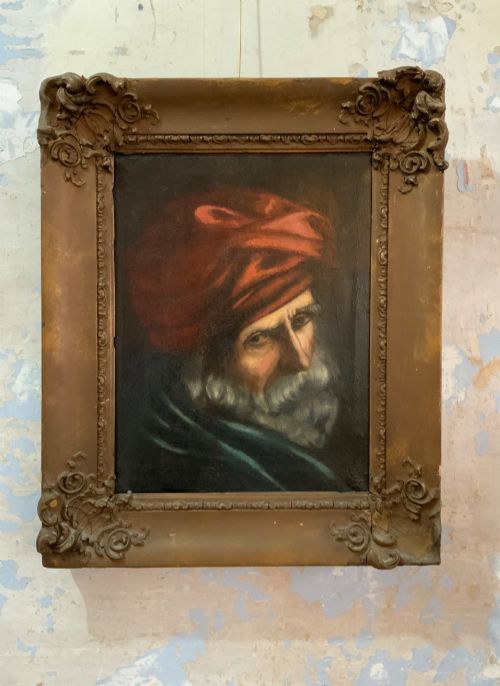
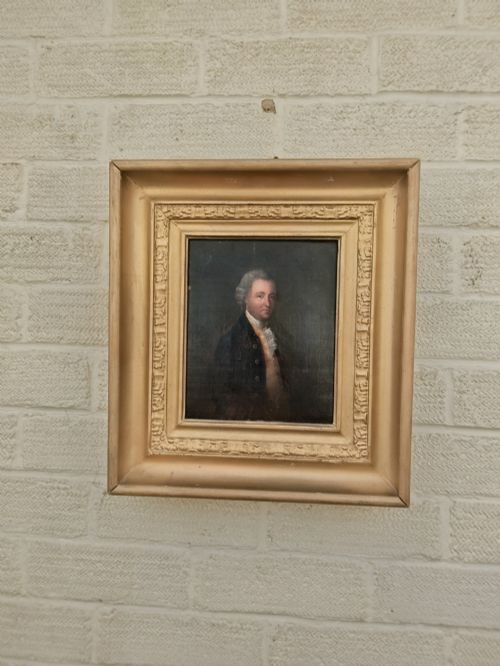
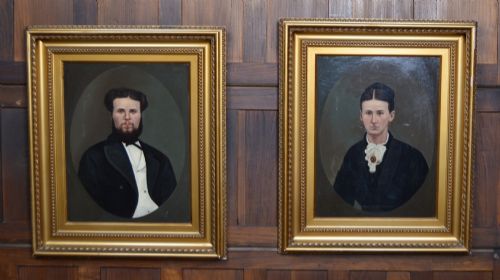
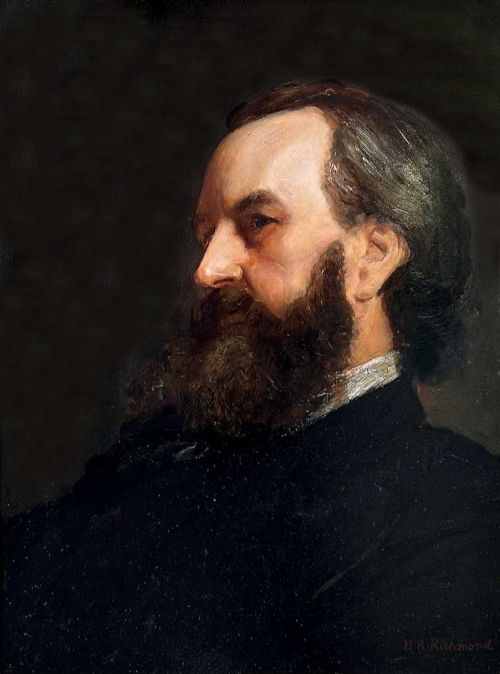
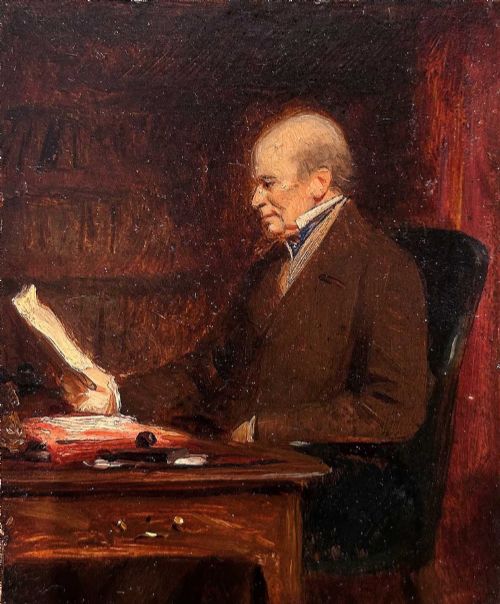
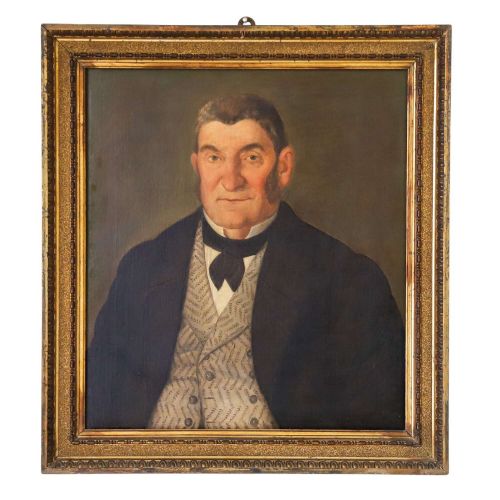
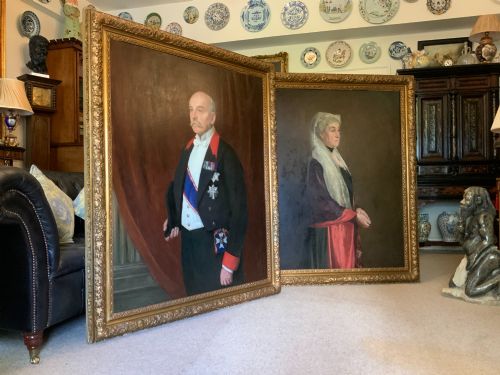
A victorian gentleman oil painting depicts individual male subjects, ranging from military figures and noblemen to mill owners and civilian sitters, captured through traditional portraiture.
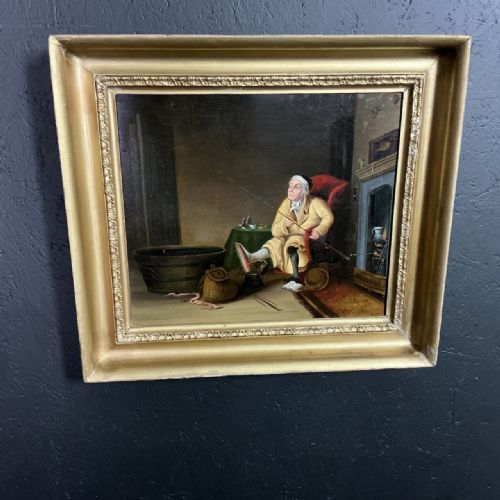
The selections on this page draw predominantly from nineteenth-century and early twentieth-century British, Scottish, and continental schools, encompassing both formal studio portraits and informal genre scenes.
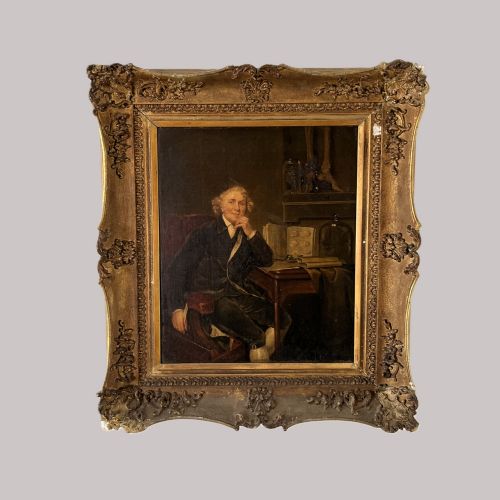
Common formats include canvas, wood panel, and board supports, frequently housed within period giltwood and gesso frames that complement the painted composition.
Materials and Techniques
Artists applied oil paint using brushes and palette knives onto stretched canvas or wooden panels, building up layers of pigment to achieve depth and texture in clothing, skin tones, and background details.
Support materials such as canvas, wood, and board provide the structural foundation, while decorative surrounds often incorporate carved gesso and applied gold leaf over wooden moulding.
Listings feature oil paintings executed on canvas, wood panels, and boards across the Victorian, Edwardian, and Regency periods.
Quality Variations
Quality rests upon the artist's ability to render anatomical proportion, psychological depth, and the intricate textures of period garments such as wool tweed, red tunics, and ceremonial attire.
The preservation of the original oil paint surface, minimal intervention from later restoration, and the presence of authentic period framing contribute significantly to the standing of an individual artwork.
W.D. Almond·Stephen Pearce·Frederick Goodall·Lance Calkin·John Lindsay Scott·George Chinnery·William Robert Dickinson·Heywood Hardy·John Arthur Lomax·Willem Johannes Martens
The Victorian Gentleman Oil Painting Glossary
- Oil on Canvas
- Pigment mixed with drying oil applied to a woven fabric support stretched across a wooden frame. This combination allows for subtle blending and durable longevity.
- Giltwood
- Timber carved and coated with a thin layer of gold leaf or metallic powder. It provides reflective, ornate borders typical of nineteenth-century picture frames.
- Gesso
- A paint mixture consisting of a binder mixed with chalk, gypsum, or pigment. It prepares wooden frame mouldings for subsequent gilding.
- Genre Painting
- Depictions of aspects of everyday life by subjects engaged in non-portrait activities. These scenes often incorporate narrative elements alongside the central figures.
- Portraiture
- The practice of capturing the likeness of a specific individual. It communicates social standing, occupation, and personal identity through pose and attire.
Victorian Gentleman Oil Painting: Frequently Asked Questions
What periods do these paintings cover?
The available artworks predominantly span the nineteenth century, including the Regency and Victorian eras, extending into the Edwardian period up to the early twentieth century.
Specific dates on canvases or stretcher bars sometimes provide exact years for individual portraits.
How were these portraits used originally?
Sitters commissioned these works to document personal status, family lineage, or professional achievements within domestic interiors or civic institutions.
Military officers, industrialists, and noblemen displayed them as symbols of authority and heritage.
How do I care for an antique oil painting?
Maintain stable indoor humidity and temperature levels away from direct sunlight to protect the fragile canvas or wood panel from warping or cracking.
Dust surfaces gently with a soft, dry brush without applying liquid cleaners directly to the paint layer.
Are the frames original to the paintings?
Many pieces retain their contemporary giltwood and gesso frames, which show matching signs of age consistent with the Victorian or Edwardian periods.
Framing styles vary from simple mouldings to deeply glazed box mounts with velvet linings.