
Victorian Genre Scene Painting
A victorian genre scene painting captures domestic life, rural labour and quiet moments from the nineteenth century with narrative charm.
Victorian Genre Scene Painting
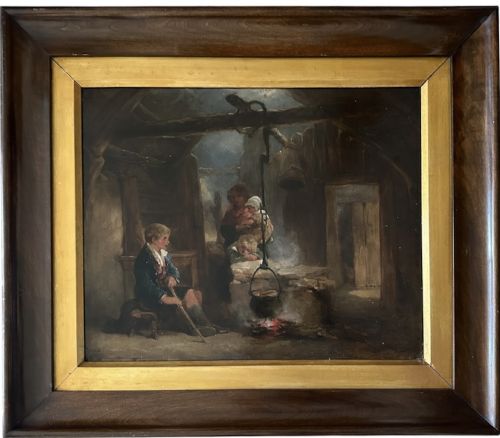
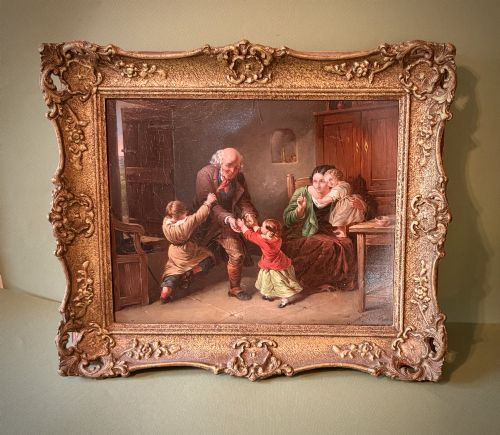
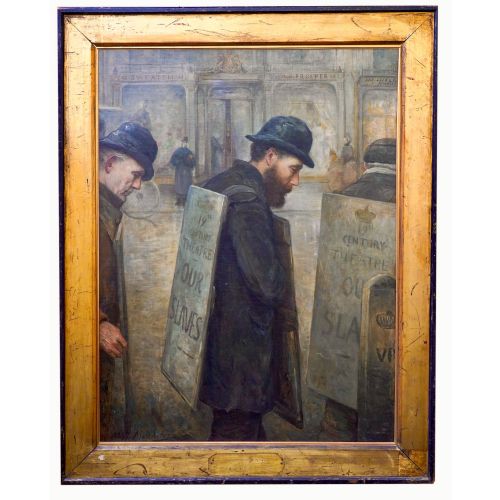
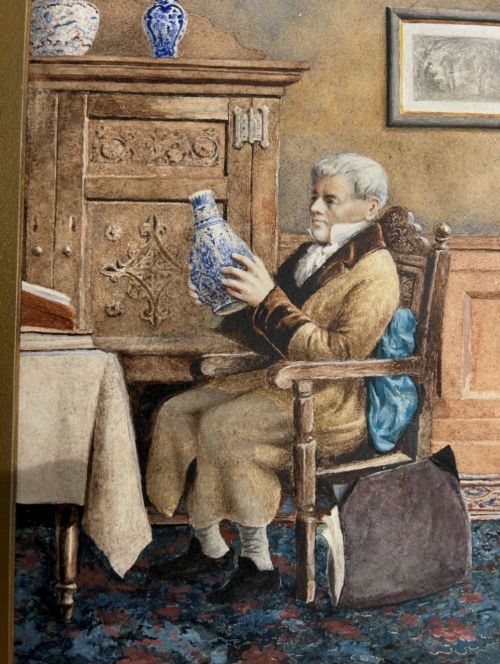
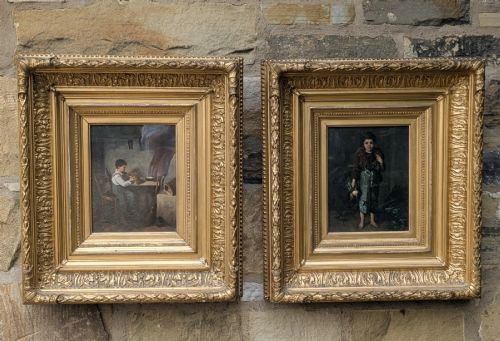
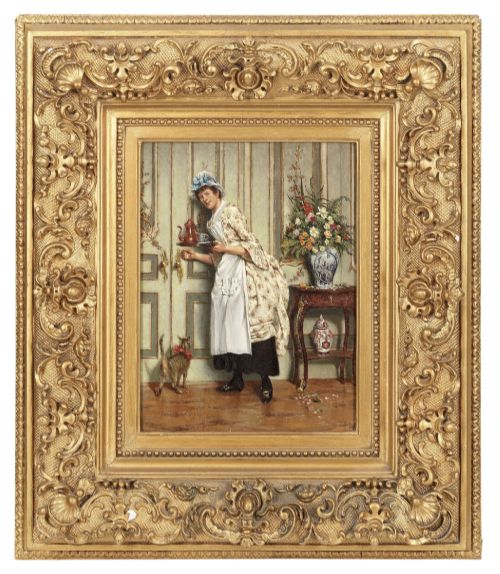
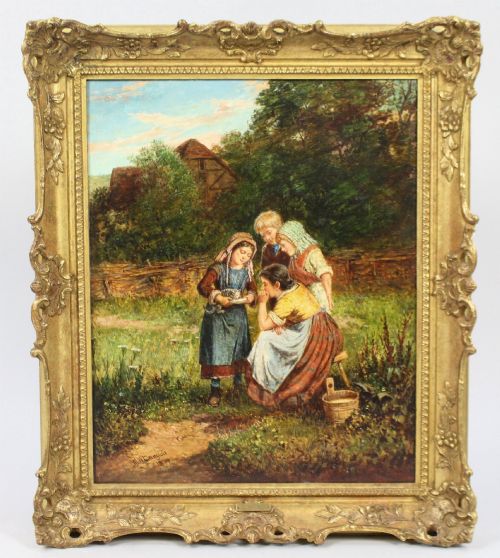
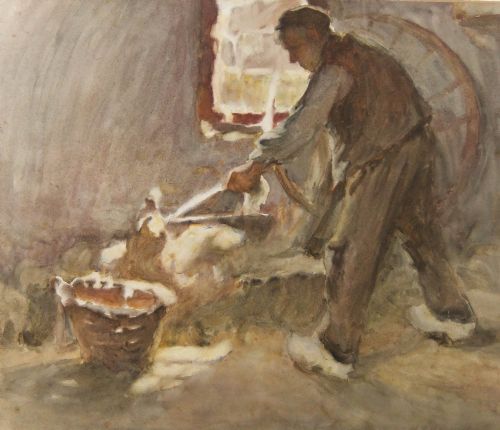
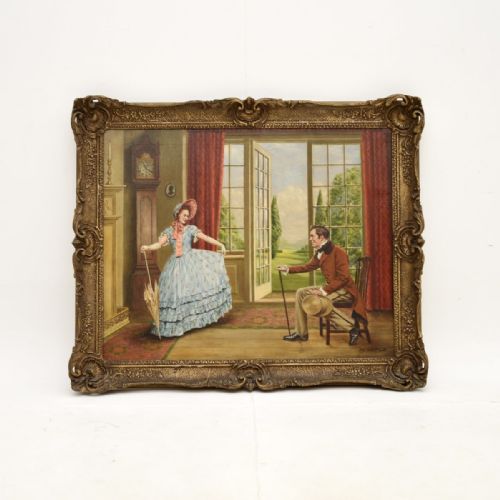
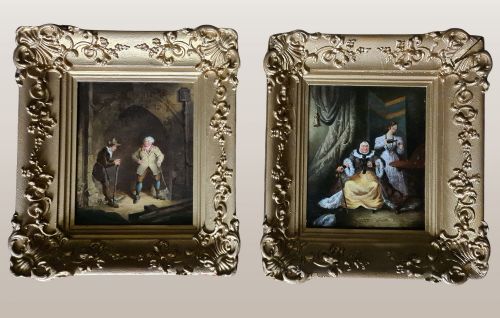
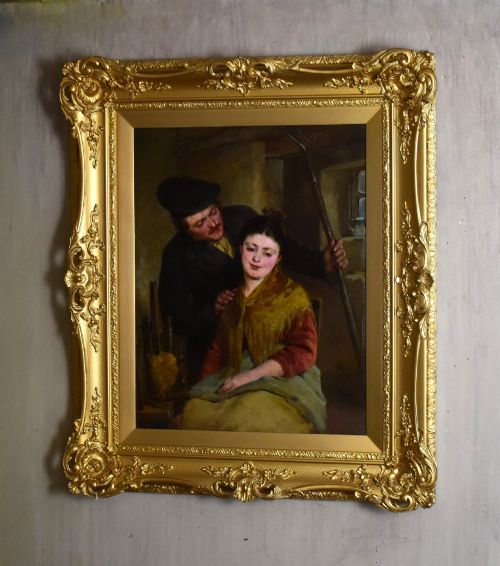
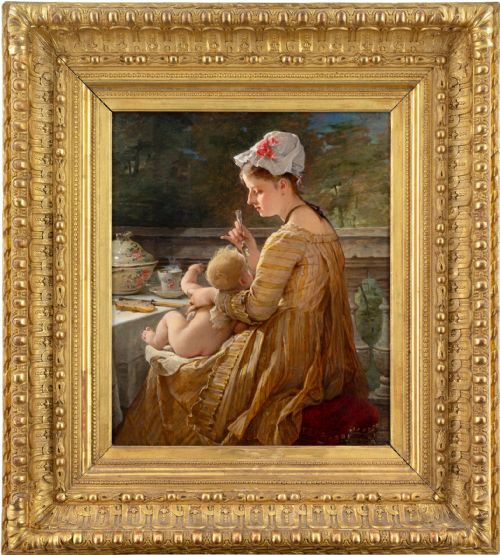
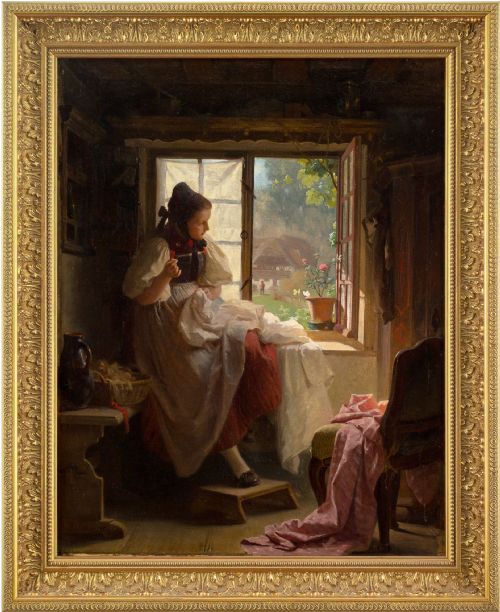
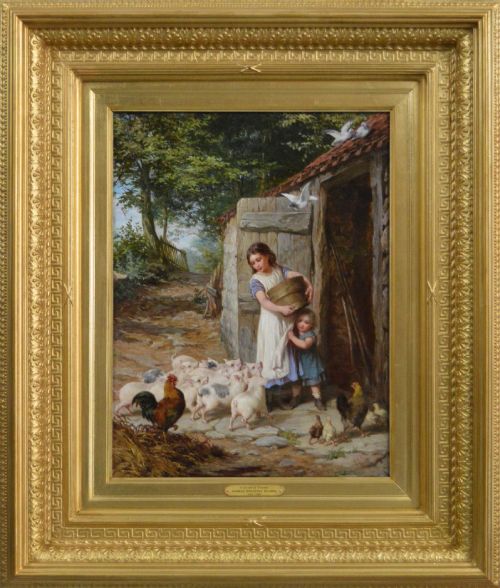
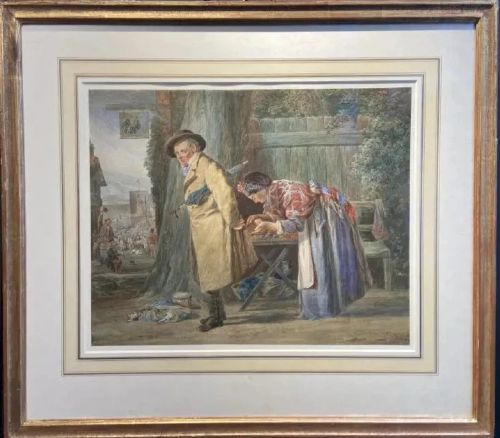
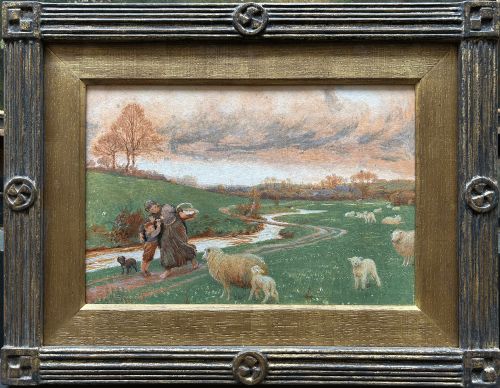
A victorian genre scene painting portrays everyday human subjects, domestic interiors and rural narratives rather than formal portraits or grand historical events. The pieces available span the nineteenth century, with watercolours and oil paintings recording cottage interiors, street vendors, children playing and farm workers at rest.
Most examples meet you on canvas or paper, framed in period giltwood and gesso, depicting familiar subjects such as tea time, cottage scenes and coastal fisherfolk. The selection encompasses works by named nineteenth-century artists as well as unsigned watercolours and oils from the period.
Domestic scenes dominate the offerings, from children feeding kittens to women spinning or sewing by windows. These artworks offer a direct window into nineteenth-century social history through the daily habits and occupations of ordinary people.
How They Were Made
Artists painted primarily with oil paint on canvas or panel, and occasionally watercolour on paper, building compositions through layered pigments. Canvases were stretched across wooden frames and housed within ornate gesso and gold leaf frames that completed the presentation.
Watercolours utilised paper supports, sometimes finished with lithographic reproduction techniques for wider distribution. The physical materials reflect standard nineteenth-century studio practices, combining durable ground fabrics with traditional binders and varnishes.
Commonly recurring subjects include domestic interiors, cottage scenes, Highland life, and figures engaged in rural labour.
What Varies in Quality
Execution and narrative detail distinguish individual works, separating standard illustrative pieces from those with masterful draftsmanship and subtle handling of light. The expressiveness of figures, the depth of interior settings and the precision of brushwork determine the artistic standing of each painting.
Condition plays a role in differentiation, involving the preservation of the original paint layer, the stability of the canvas and the integrity of the period frame. Works featuring signed attributions to established nineteenth-century painters often command greater interest among collectors.
Felix Stone Moscheles·Henry Stacy Marks·Stephen Samuel Lewin·Mark William Langlois·Henry Silkstone Hopwood·Alfred Lyndon Grace·Howard Helmick·Max Kaltenmoser·George Augustus Holmes·Joseph H Barnes·Frederick Walker·Louis Charles Verwee·Charles Hunt·Joseph Farquharson·Carlo Ferranti·Renato Moretti·Delapoer Downing·Miles Birkett Foster·Albert Ludovici Jnr·James Hayllar·Charles Edward Wilson·Harry Brooker·George Kilburne·Alexander Rosell·John Arthur Lomax
The Victorian Genre Scene Painting Glossary
- Genre painting
- Artworks depicting scenes and events from everyday life, such as market stalls, domestic interiors and street activities. These subjects focus on ordinary people rather than nobility or mythological figures.
- Gesso
- A plaster-like mixture applied to wooden frames before gilding, providing a smooth base for gold leaf application. Victorian framers used it to create ornate moulded reliefs.
- Social realism
- An artistic movement highlighting the daily living and working conditions of the working classes. In nineteenth-century art, it often brings attention to rural labourers and urban poor.
- Oil on canvas
- A painting technique using pigments suspended in a drying oil applied to a stretched woven fabric support. This combination allows for rich colour blending and durability over centuries.
Victorian Genre Scene Painting: Frequently Asked Questions
What is a victorian genre scene painting?
A victorian genre scene painting depicts everyday life, domestic interiors and rural workers during the nineteenth century. These artworks tell visual stories about ordinary people rather than focusing on portraits or historical battles.
Subjects include children playing, tea time in country houses, and market vendors. They serve as historical records of nineteenth-century social habits.
How should I care for an oil painting?
Keep oil paintings away from direct sunlight and sudden temperature changes to protect the canvas and paint layers. Dust the surface gently with a soft, dry brush without using water or cleaning fluids.
Ensure the hanging wall is dry and stable to prevent moisture damage to the wooden stretcher and frame. Professional conservators should handle any deeper cleaning or varnish removal.
How do I identify the period of a painting?
Examine the materials, including the type of canvas, stretcher construction and framing style typical of the nineteenth century. Signatures, dates and artist biographical records help confirm the exact decade of creation.
Subject matter and costume provide additional clues, as clothing styles and domestic settings changed across the decades between eighteen-fifty and nineteen-twenty.
Where were these paintings displayed originally?
Victorian households hung these artworks in domestic reception rooms, parlours and dining spaces as decorative narrative pieces. Middle-class and upper-class homes used them to add warmth and storytelling elements to interior walls.
Public galleries and annual exhibitions also showcased these works to contemporary audiences before they entered private collections.