


Victorian Gaudy Welsh Pottery
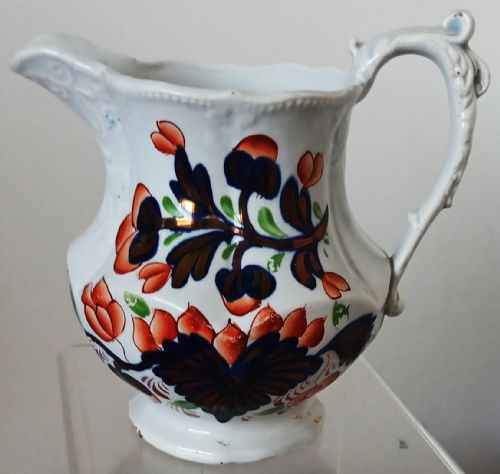
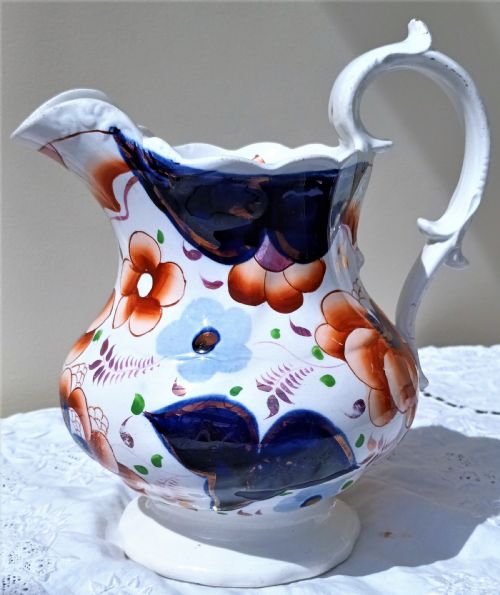
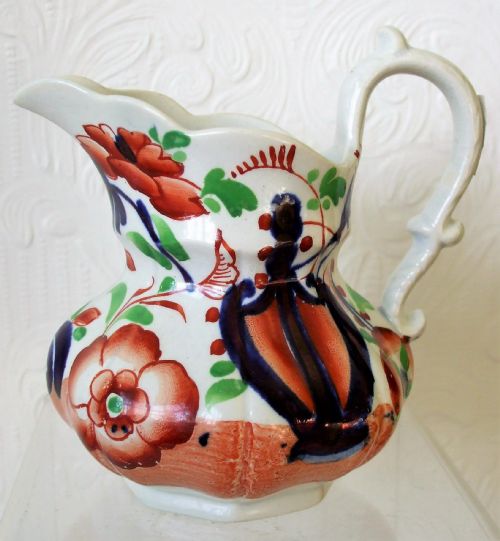
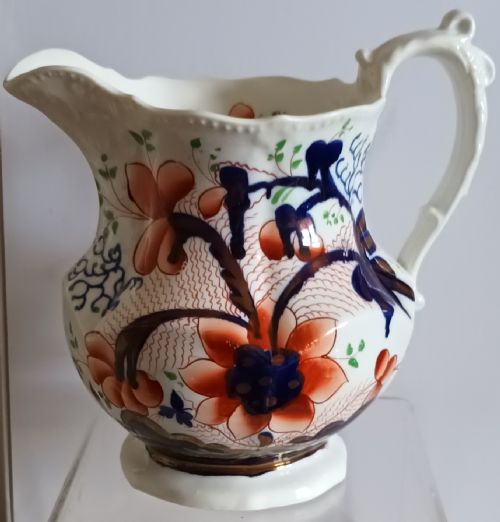
Victorian gaudy welsh pottery pieces are bright earthenware vessels decorated with rich copper lustre and enamels that bring cottage colour to any room.
Victorian Gaudy Welsh Pottery
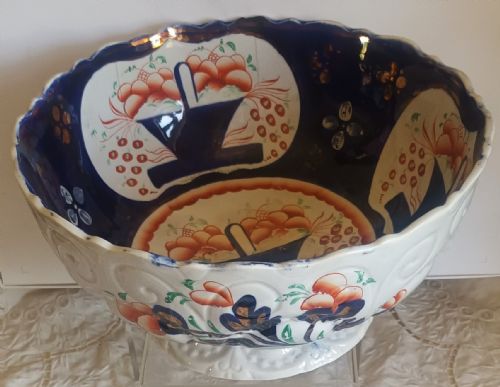
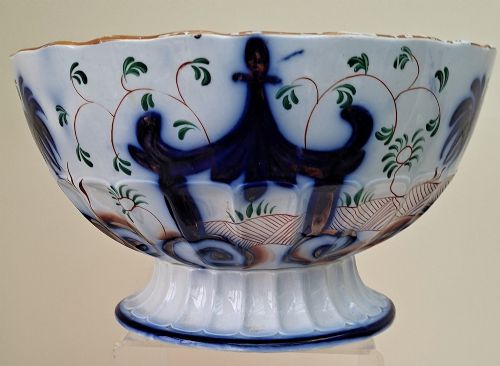
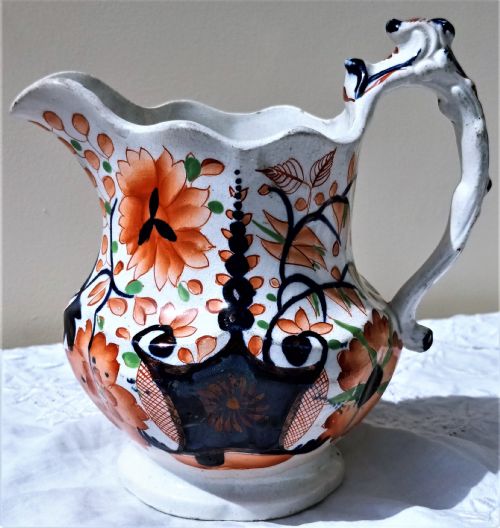
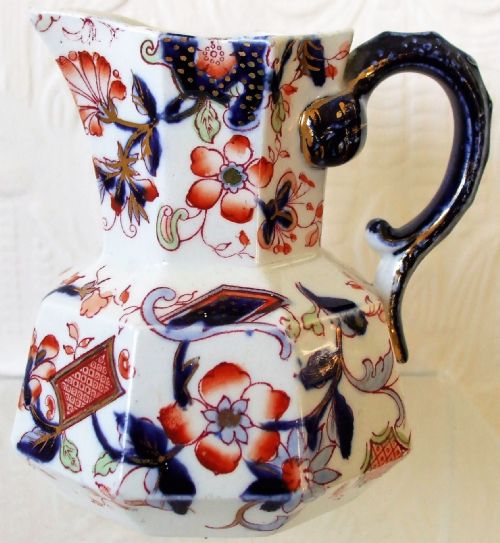
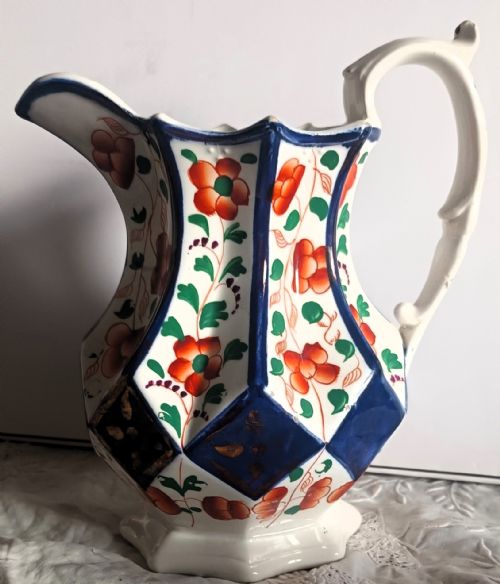
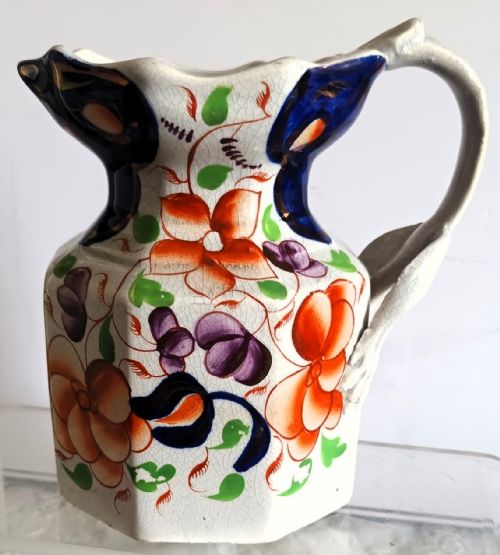
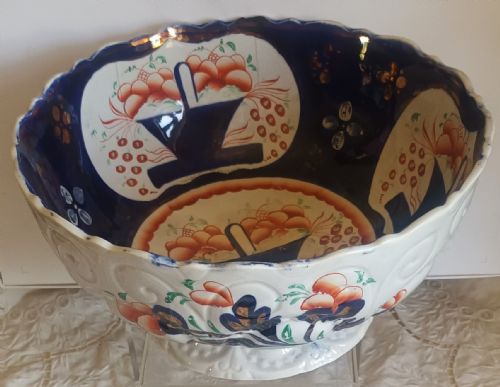
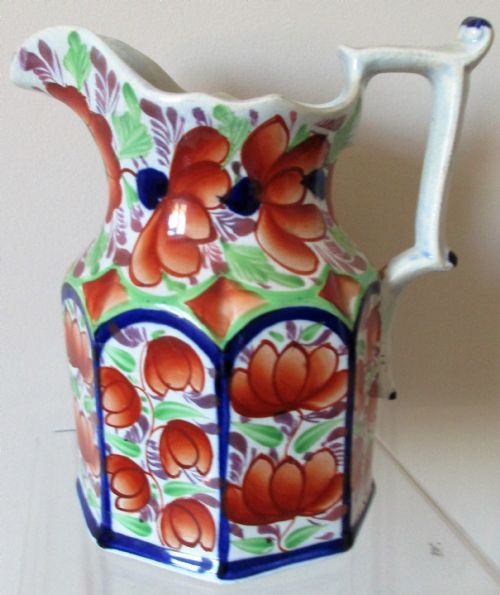
When you search for Victorian gaudy welsh pottery, you encounter 19th-century earthenware objects designed for everyday use and display in domestic spaces. The selection on this page centres primarily on jugs and pitchers, alongside decorative bowls, tobacco jars, footed bowls, basins, teapots, mugs, and a trumpet vase.
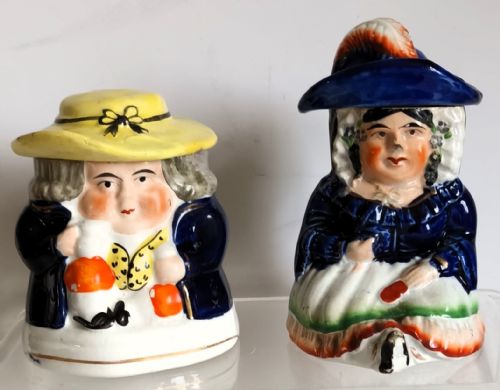
The decorative schemes take their names from traditional patterns such as Grape, Drape, Basket of Flowers, Pagoda, Harlech, Gower, Gwent, Celyn, Aberaeron, Conwy, Wallflower, Maypole, Barmouth, and Sunflower. You also find figurative subjects like the Lady and Gentleman pieces.
These items originate from the 19th century and reflect the Victorian folk art tradition. The domestic forms served practical kitchen and parlour duties while providing vivid visual accents through their distinct decoration.
Materials and production methods
Potters formed these pieces using earthenware and glazed ceramic bodies. The basic shapes were thrown or moulded before receiving their initial surface coats.
Makers applied cobalt glaze, enamel colours, and copper lustre highlights to the ceramic surfaces. The application of metallic lustre required careful firing to achieve the characteristic reflective sheen alongside the brightly painted enamel motifs.
A gentleman and lady share shelf space here in ceramic form, frozen mid-stare.
Assessing quality in the range
Quality depends upon the crispness of the painted enamel details and the density of the copper lustre application. Stronger pieces display clean separation between the vivid colours and a deep, metallic gloss on the lustre accents.
The complexity of the pattern influences the visual impact, as pictorial designs like the Pagoda or Lady and Gentleman motifs require more intricate brushwork than simpler geometric borders. The evenness of the glaze and the clarity of the underlying ceramic form complete the distinction across the range.
Keeling And Co
The Victorian Gaudy Welsh Pottery Glossary
- Copper lustre
- A metallic glaze finish that imparts a coppery sheen to pottery surfaces. This technique adds reflective highlights to the painted motifs.
- Earthenware
- A porous ceramic body fired at lower temperatures than stoneware or porcelain. It forms the structural base for these decorated vessels.
- Enamel
- Opaque glass-like paint applied over the glaze and fired to fix the colour. It provides the bright hues characteristic of these wares.
- Cobalt glaze
- A blue colouring agent mixed into the glaze to create deep blue tones. It frequently underpins the patterned decoration on these pieces.
- Footed bowl
- A vessel raised upon a distinct base or pedestal. This form elevates the display of the decorated bowl.
Victorian Gaudy Welsh Pottery: Frequently Asked Questions
What is gaudy welsh pottery?
Gaudy welsh pottery consists of 19th-century earthenware decorated with bright enamels and copper lustre. The style emerged during the Victorian period.
These pieces were made for domestic use in Welsh and British homes, featuring named patterns like Pagoda or Harlech.
How were these jugs used?
These jugs served practical functions in the Victorian kitchen and parlour for holding liquids or displaying fresh flowers. Their bold colours also made them decorative items for mantlepieces and dressers.
Households used them daily alongside matching basins and tableware.
How do I identify patterns?
Patterns are identified by their specific painted motifs, such as baskets of flowers, architectural pagodas, or named Welsh locations like Conwy and Gower. Each pattern repeats distinct floral or pictorial elements.
Reference guides and archive records help match the visual design to its recorded title.
Can I use these bowls daily?
These 19th-century earthenware vessels are delicate due to their age and enamel decoration. Modern daily use can risk damaging the glaze and copper lustre.
Most owners prefer to display them as decorative art pieces rather than putting them into active service.