


Victorian Garden Decor
Victorian garden decor brings together enduring utility and ornament for the grounds, drawing collectors who appreciate nineteenth-century craftsmanship outdoors.

Victorian Garden Decor
Victorian garden decor encompasses a fascinating mix of architectural salvage, sturdy utility items, and decorative pieces dating across the nineteenth century. Buyers exploring this category encounter everything from heavy cast iron boot scrapers and hitching posts to weather-resistant copper watering cans and decorative edging tiles.
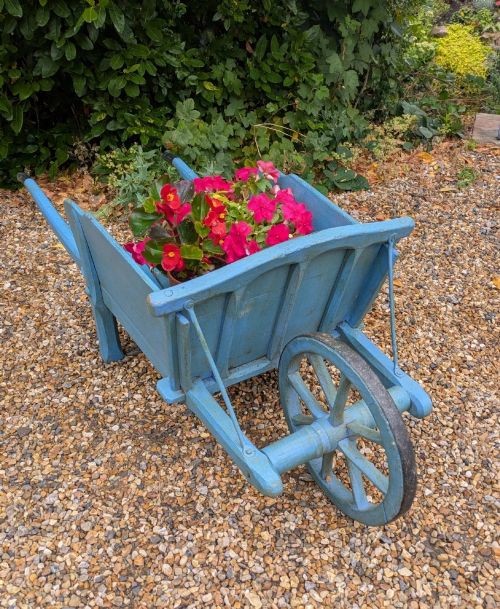
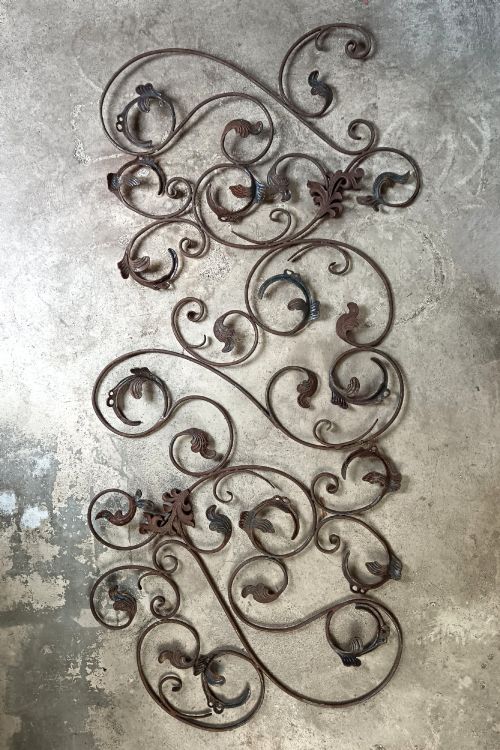
The objects span practical yard accessories and ornamental elements like architectural scroll panels or rustic wheelbarrows. Pieces emerge from various decades within the period, reflecting both industrious manufacturing and personal gardening pursuits of the era.
How they were made
Makers relied heavily on cast iron for durable exterior fixtures such as hitching posts, benches, and boot scrapers designed to withstand the elements. This heavy metalwork often involved intricate moulding and decorative relief patterns cast directly into the iron.
Other items utilise traditional materials like oak for carpenter-built boxes and copper or brass for functional vessels. Paint finishes and patinated surfaces developed over decades of exposure complete the material profile of these surviving outdoor pieces.
Cast iron geese stand ready to patrol the borders.
What varies in quality
The distinction between ordinary utility items and superior examples often rests on the crispness of the cast ornamentation and the survival of original painted surfaces. Finely detailed moulding on ironwork elevates a functional object into a piece of decorative sculpture.
Structural integrity and the degree of weathering also define the tier of a piece, distinguishing items that retain their original architectural context from those heavily altered or compromised by corrosion.
K & K Hof Atelier Pietzner·Dollond London·Samson
The Victorian Garden Decor Glossary
- Architectural salvage
- Building elements rescued from older structures for reuse in gardens or interiors. These pieces often include iron scroll panels and stone or tile edgings.
- Boot scraper
- A heavy metal blade or box fixed near an entrance to remove mud from footwear before entering the house. They are frequently cast in durable iron.
- Hitching post
- A sturdy post, often topped with a decorative horse head, used historically for tying up horses. Cast iron versions from the nineteenth century are particularly collectible.
- Chrystoleum
- A method of applying hand-coloured pigments to a convex glass plate placed over a print. This technique creates a luminous, dimensional image popular in the nineteenth century.
Victorian Garden Decor: Frequently Asked Questions
What counts as Victorian garden decor?
This category covers utilitarian and decorative items made for nineteenth-century grounds, ranging from cast iron boot scrapers to architectural scroll panels and watering cans.
Items span practical yard tools and heavy exterior fixtures designed to endure the weather while adding ornamental interest to the landscape.
How were iron items finished?
Many cast iron pieces received protective painted finishes to prevent excessive corrosion while functioning outdoors.
Over the decades, these painted surfaces weathered and acquired patinas that collectors now value for their authentic appearance.
Where were hitching posts used?
Hitching posts stood near entrances and stables to secure horses safely when visitors arrived at a property.
Their robust cast iron construction ensured they could withstand the pulling force of animals without tipping over.
How do I care for antique metalwork?
Outdoor iron and copper pieces require minimal intervention, often benefiting most from gentle cleaning and stable atmospheric conditions.
Preserving existing patinas and original paint remains preferable to aggressive restoration that strips away historical surface depth.