

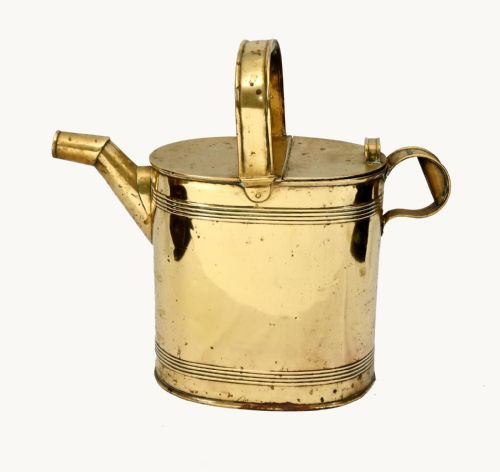


Antique Metal Watering Pot
An antique metal watering pot brings garden history straight into the home through solid copper, brass and pewter forms.

Antique Metal Watering Pot
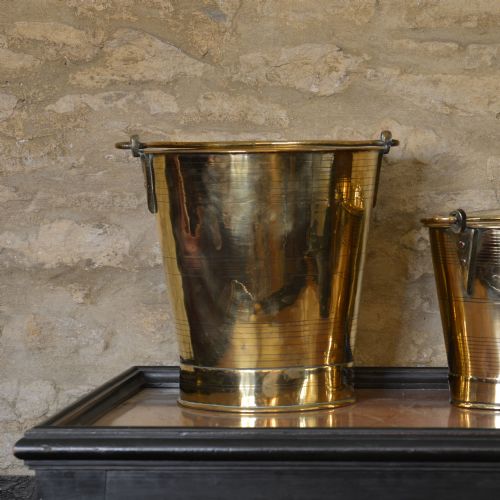
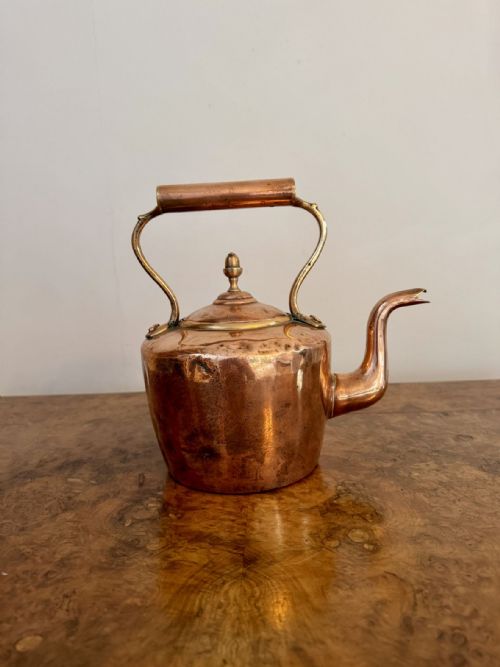
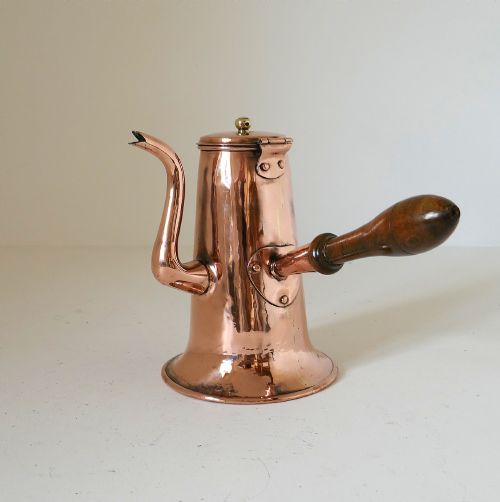
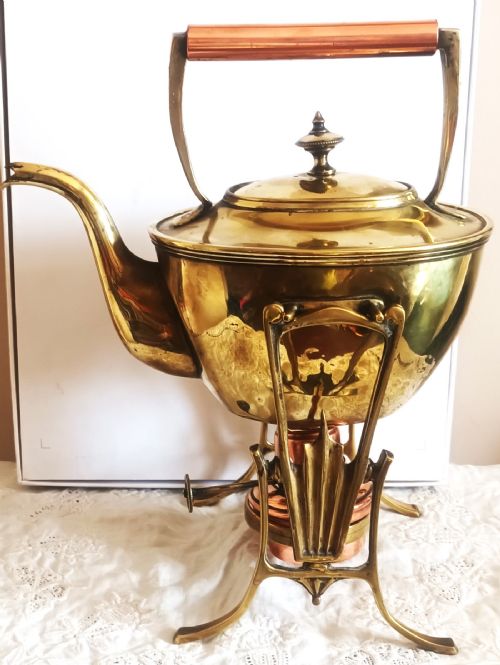
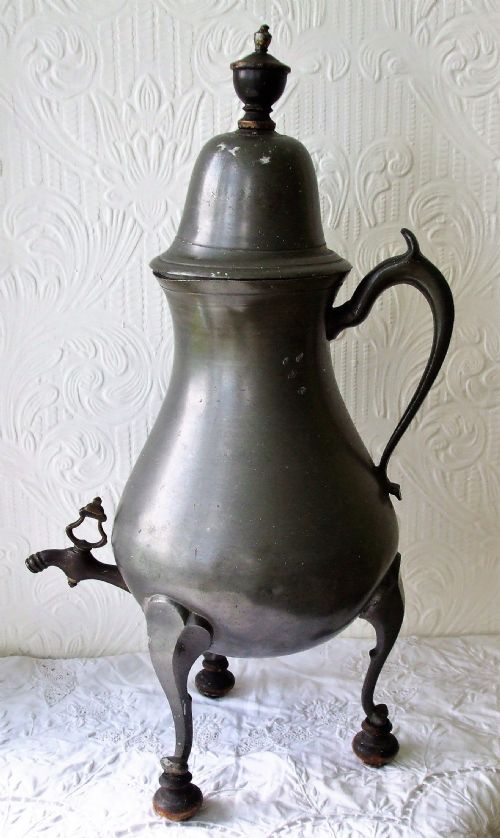
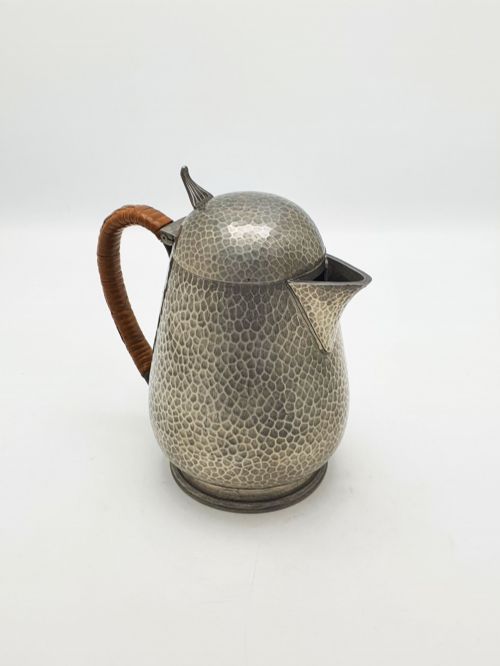
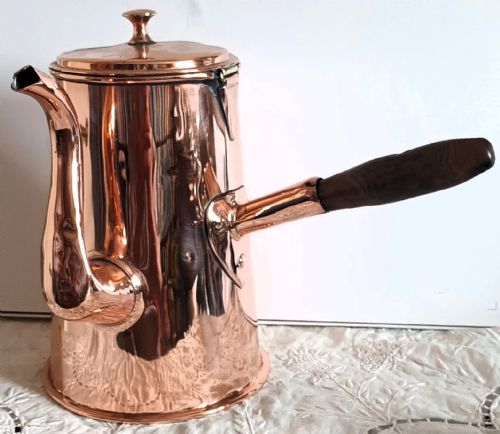
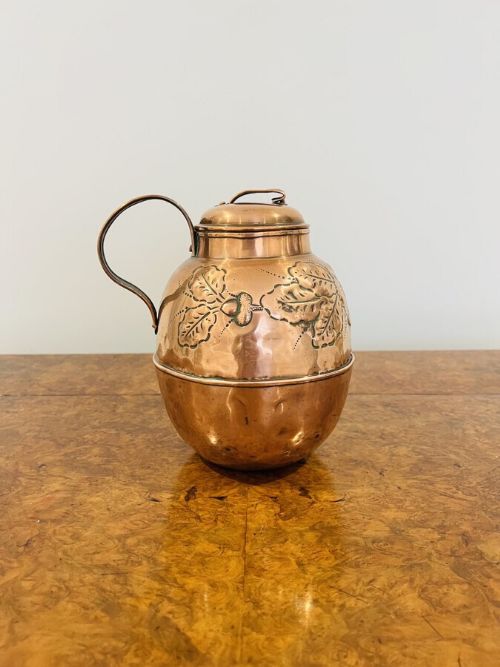
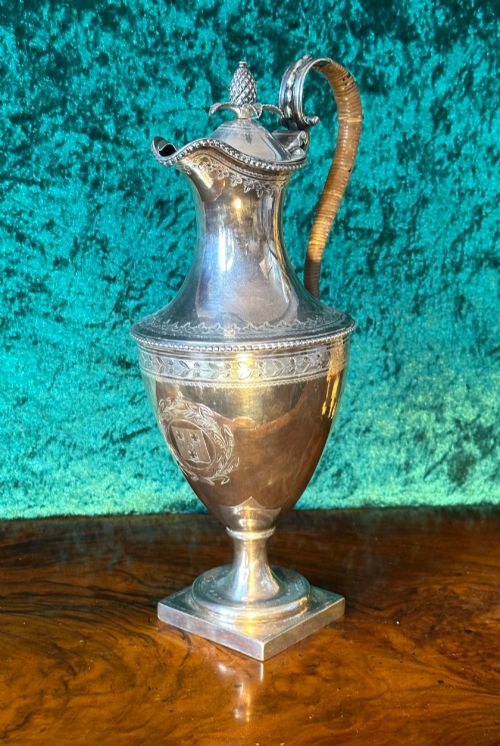
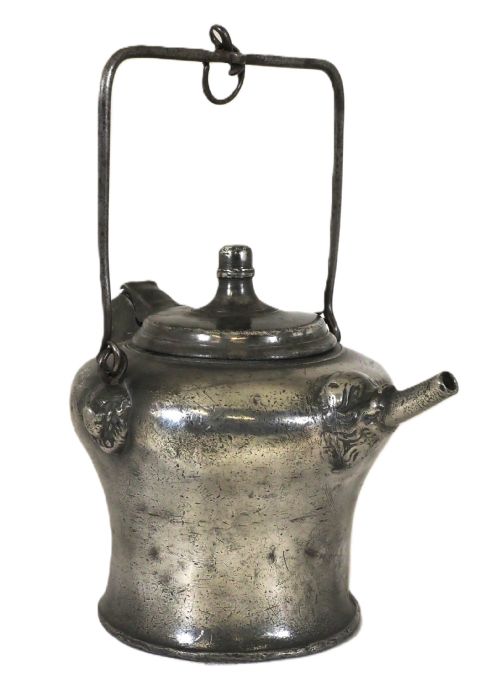
An antique metal watering pot encompasses functional vessels designed for garden and domestic use across the eighteenth and nineteenth centuries. Buyers searching for an antique metal watering pot encounter practical watering cans alongside related copper and brass containers like Jersey cans and kettles. These pieces originate from English country houses and continental workshops, reflecting utilitarian origins.
The selection on this page leans heavily towards nineteenth-century brass and copper examples alongside eighteenth-century forms. Makers produced these utilitarian objects in durable metals intended to withstand daily handling in gardens and domestic interiors. Their survival in good condition demonstrates the robust nature of early metalworking.
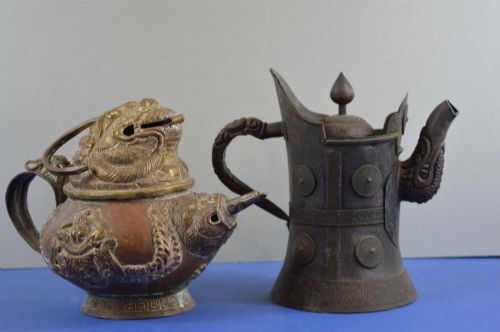
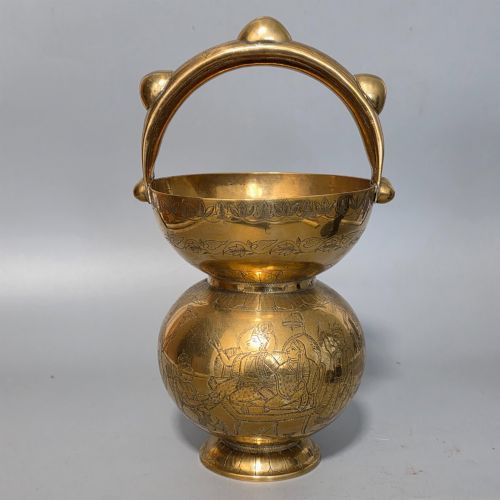
Forms range from standard watering cans with long spouts to specialised vessels like the Jersey can and ritual water carriers. Each item provides a tangible link to historical horticulture and domestic routines. Collectors value them equally for their practical utility and their pleasing patination.
What varies in quality
Quality rests on the integrity of construction, specifically the neatness of hand-beated seams and the retention of original components like spouts and handles. Superior examples display balanced proportions and substantial metal weight rather than thin, flimsy sheet construction.
The depth and uniformity of the natural metal patina indicate how a piece has aged and whether it has suffered from aggressive modern cleaning. Original soldering and honest signs of historic use distinguish the finest items from later reproductions.
Listings feature items dated from the eighteenth and nineteenth centuries, utilising materials including copper, brass, pewter, cane, and wood.
William Soutter And Sons·Boardman Glossop And Co
The Antique Metal Watering Pot Glossary
- Jersey can
- A distinctive copper watering vessel originating from the Channel Islands featuring a long spout and bulbous body. This specific form was traditionally used for watering plants gently.
- Patina
- The surface sheen and colour acquired by metal through age, handling and exposure to the environment. It serves as a key indicator of authenticity.
- Pewter
- An alloy of tin mixed with copper and antimony used for domestic vessels and drinking items. It offers a softer metallic lustre than brass or copper.
- Ferrat
- A regional European metal container type frequently rendered in copper. These pieces demonstrate specific continental manufacturing traditions.
Antique Metal Watering Pot: Frequently Asked Questions
What are antique watering pots made of?
These vessels are constructed primarily from durable metals such as copper and brass, sometimes featuring handles made of wood or cane.
Craftsmen utilised these materials for their strength and resistance to corrosion during regular gardening tasks.
How do I date an old watering can?
Dating relies on observing manufacturing techniques like hand-riveted seams, handle attachment methods, and the specific metal alloy used.
Stylistic cues matching eighteenth and nineteenth-century design periods also help establish the correct era of production.
Can I use an antique watering pot?
Many metal vessels remain robust enough for light gardening use or indoor plant care, provided the internal seams hold water securely.
Buyers should inspect the interior for major corrosion before filling any historic container with liquid.