
Victorian Garden Benches
These Victorian garden benches combine robust cast iron and timber, offering durable seating designed to anchor a traditional outdoor space.
Victorian Garden Benches
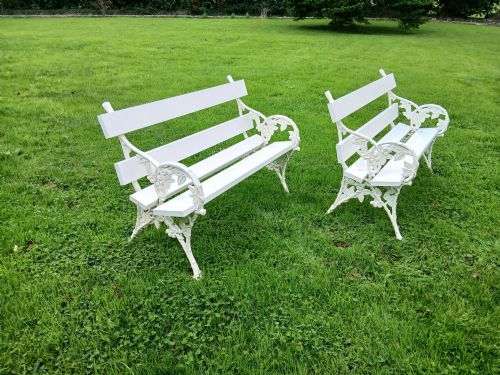
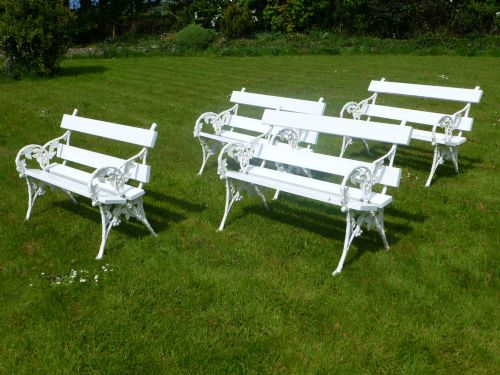
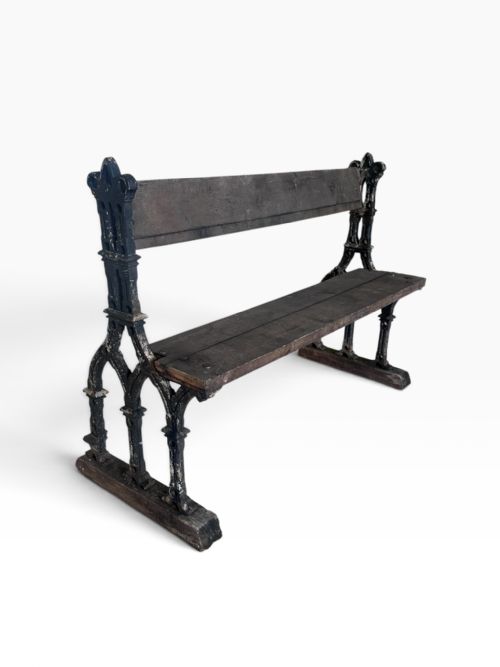
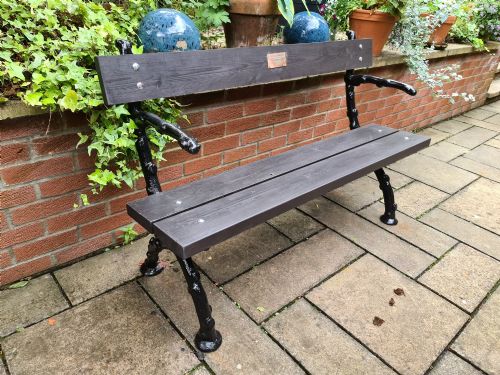
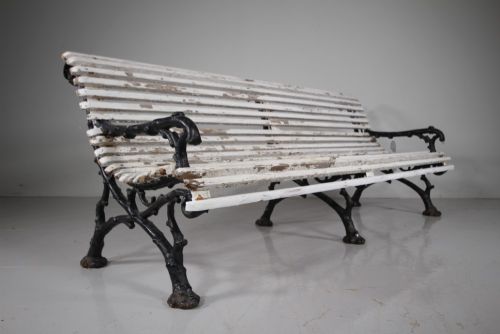
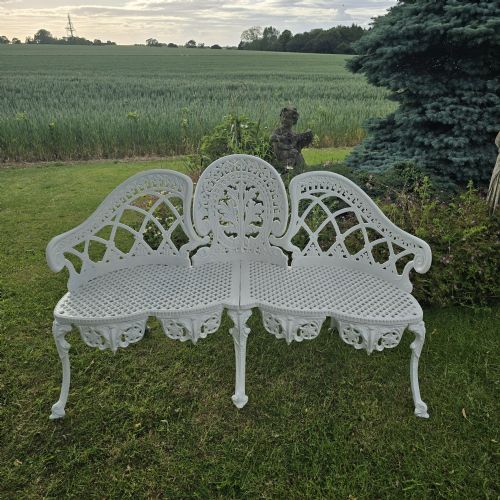
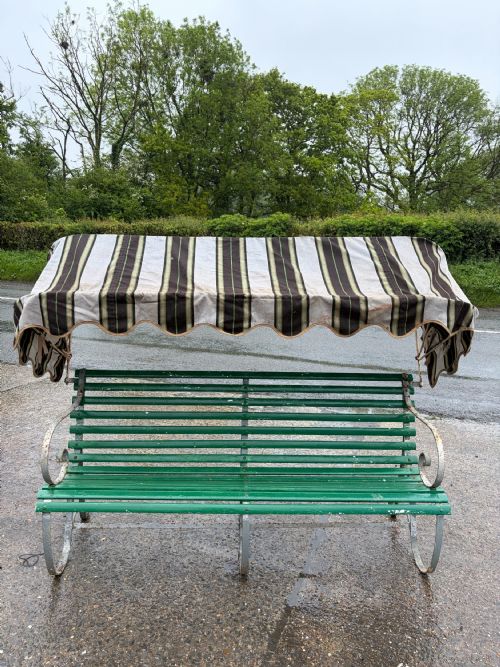
Victorian garden benches span several distinct styles, drawing heavily on Gothic revival, rustic branch patterns, and formal strapwork designs. The most common form on this page pairs heavy cast iron ends with timber laths to create a sturdy two-seater or park bench.
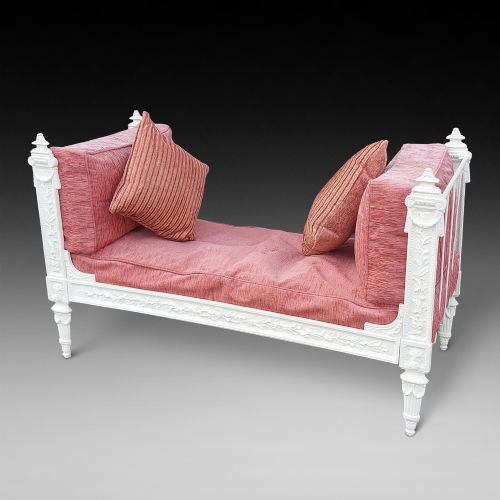
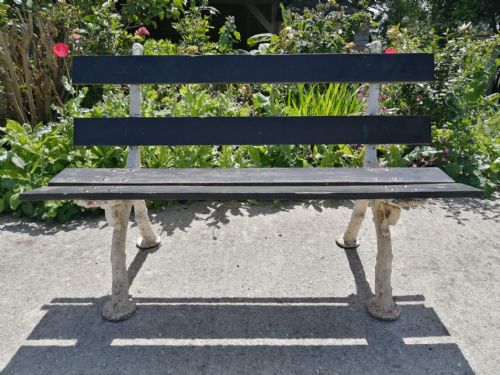
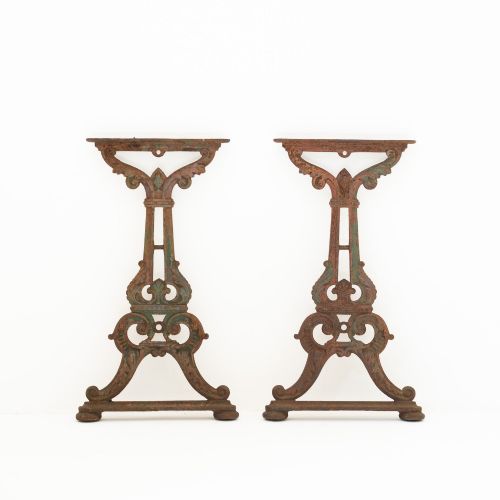
Makers utilised inventive botanical motifs, casting blackberry leaves, branches, and serpent patterns directly into the iron framework. Alongside standard seats, buyers encounter related items like daybeds, arbours, and station benches originating from the nineteenth century.
Materials and construction
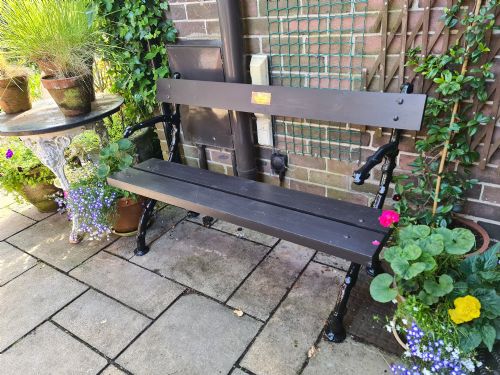
Foundries cast molten iron into intricate moulds to produce structural bench ends and backrests with high decorative relief. Timber slats or teak planks were then bolted across the iron supports to form the seat and back.
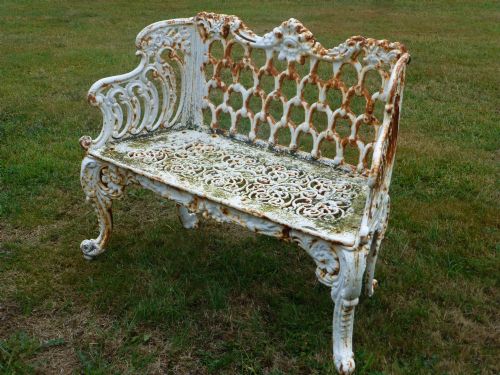
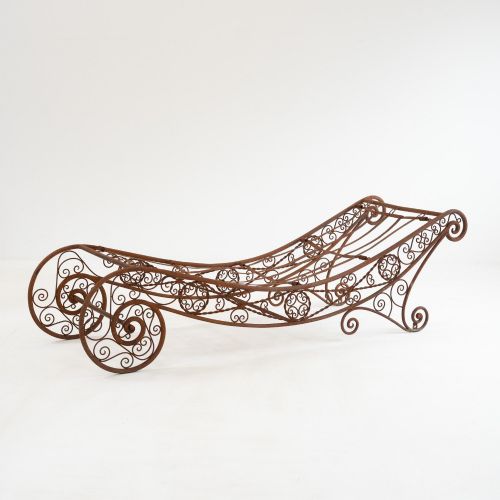
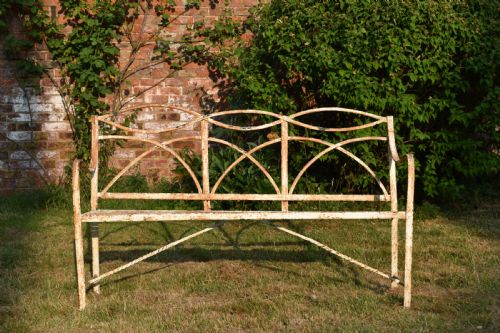
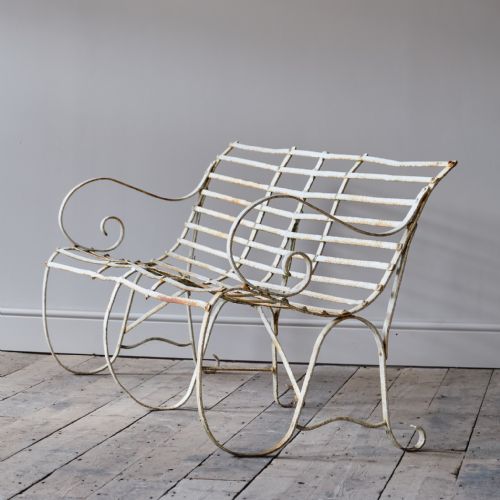
Wrought iron appears alongside cast iron, shaped by hand into geometric strapwork or curved scroll patterns for lighter frames. Paint finishes and faux bois techniques were frequently applied to mimic natural wood grain or protect the metal elements outdoors.
Listings feature nineteenth-century seating constructed primarily from cast iron, wrought iron, and timber.
Evaluating the pieces
Quality rests in the crispness of the casting detail and the depth of the botanical relief on the ironwork. Finer foundry work yields sharp foliage and clean lines, whereas heavily painted or worn surfaces can obscure softer details.
Completeness alters the character of a bench, particularly when original wooden laths survive alongside matching iron ends. Pieces attributed to renowned foundries or featuring complex gothic designs demonstrate superior manufacture.
Falkirk Carron Foundry·Coalbrookdale·Val D'osne
The Victorian Garden Benches Glossary
- Faux bois
- Imitation wood. This technique involves painting or shaping metal and concrete to resemble natural timber grain.
- Strapwork
- Flat ornamental bands. Iron is bent or cast into interlaced strap patterns resembling leather straps.
- Gothic Revival
- Architectural style. This design movement uses pointed arches and medieval ecclesiastical motifs.
- Bench ends
- Side supports. These are the heavy cast iron or wooden panels that hold the seat and back slats together.
Victorian Garden Benches: Frequently Asked Questions
Are these benches suitable for outdoor use?
Cast iron and treated timber withstand outdoor conditions well when properly maintained against moisture.
Regular inspection helps preserve the paint finish on the metal framework throughout changing seasons.
How do I identify a Victorian bench?
Nineteenth-century pieces typically feature heavy cast iron frames decorated with botanical or gothic motifs.
Construction methods often rely on bolted timber laths fixed between ornate metal side supports.
What is faux bois on a bench?
Faux bois translates to false wood, mimicking the appearance of natural branches or logs.
Foundries used this decorative technique on iron to create rustic garden seating.
Can I find matching chairs?
Listings occasionally include matching armchairs or daybeds alongside standard two-seater benches.
These paired suites share identical cast iron patterns and foundational design elements.