





Victorian Fusee Timepiece
A victorian fusee timepiece offers precise mechanical timekeeping driven by a cone-shaped pulley, making it a sought-after piece for precision enthusiasts.
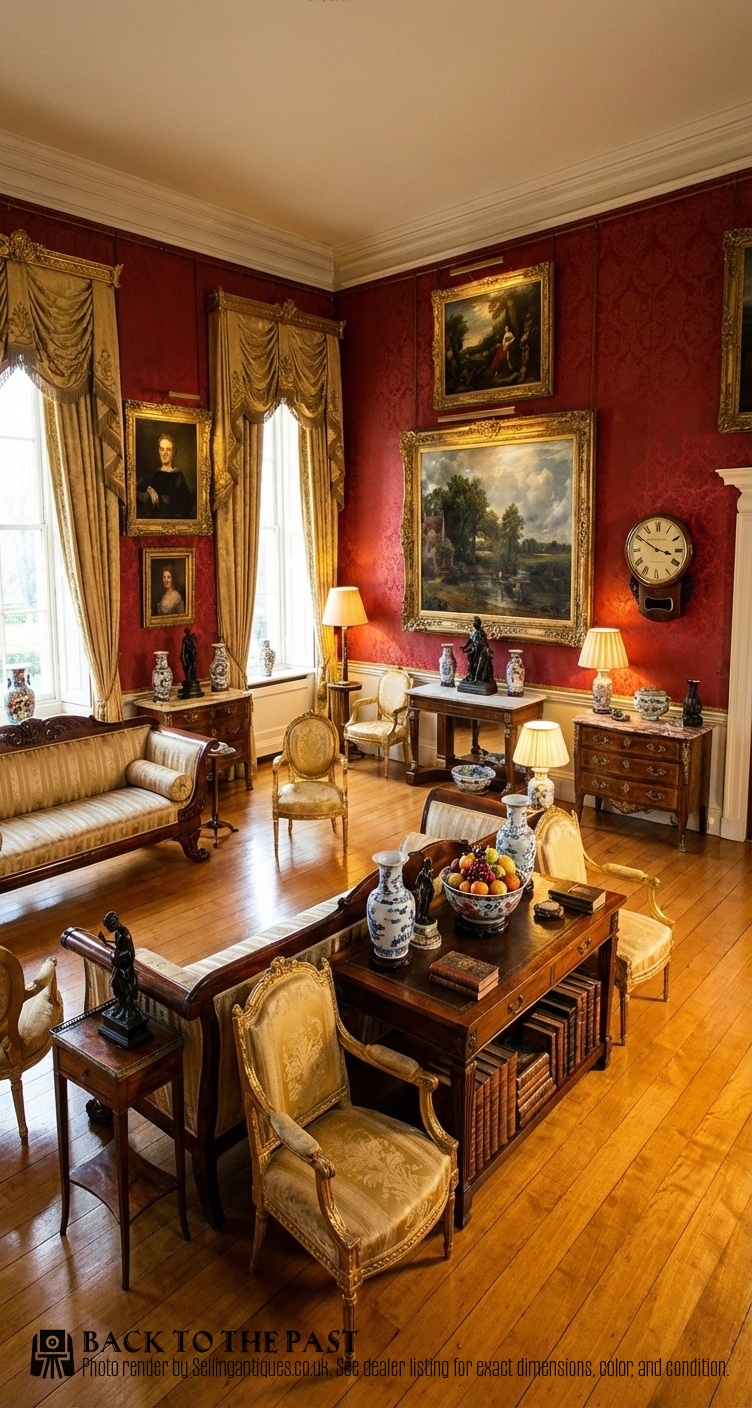
Victorian Fusee Timepiece
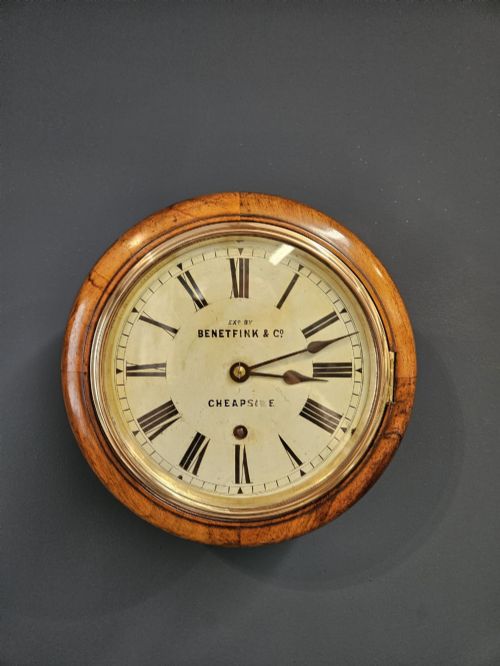
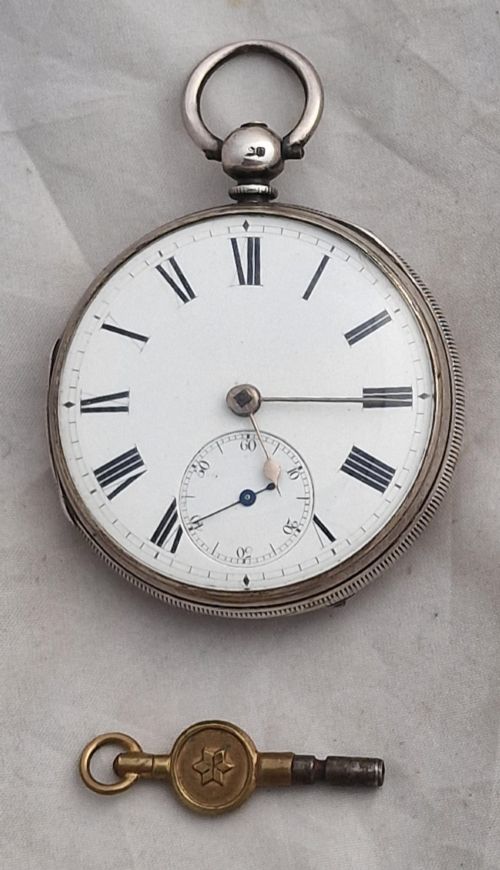
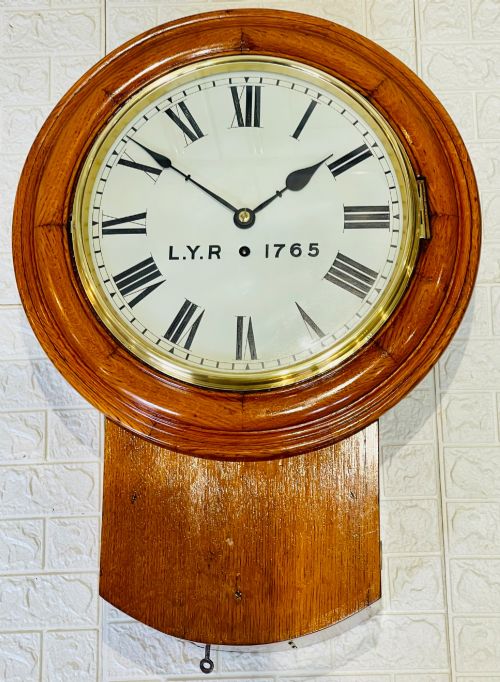
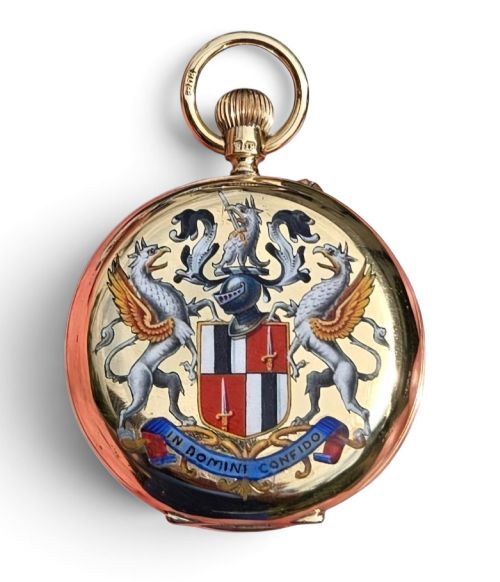
A victorian fusee timepiece primarily manifests as a wall-mounted dial clock or a desk-bound library clock originating from the nineteenth century. These objects record time through mechanical movements housed within mahogany, oak, or rosewood enclosures.
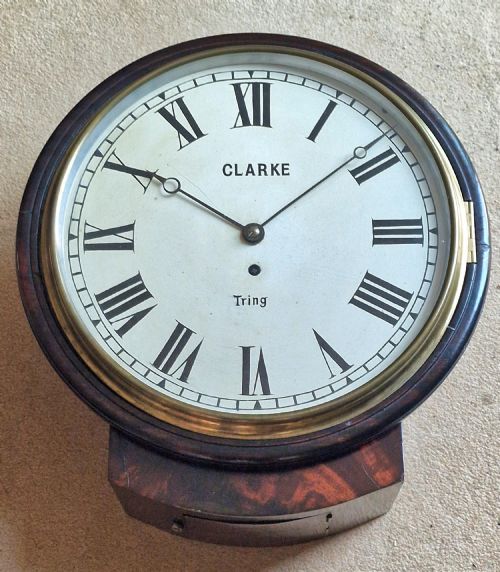
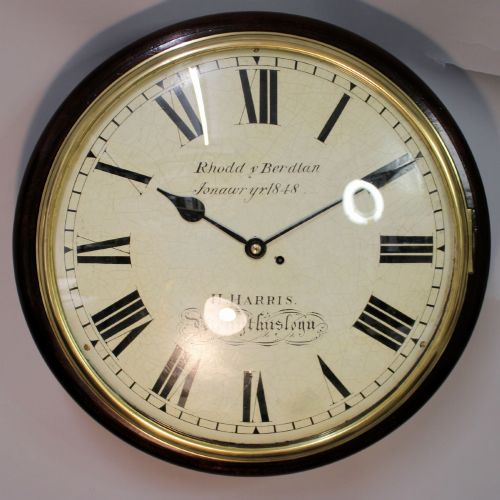
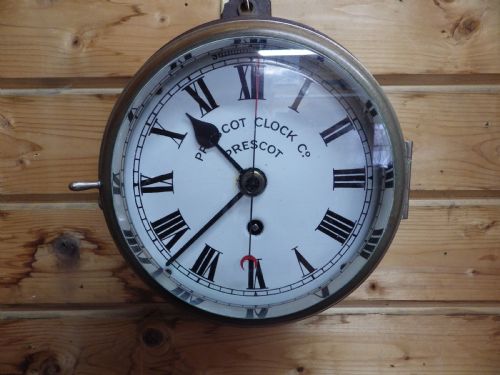
The most frequent variations encountered on this page include round mahogany railway clocks and drop-dial tavern timepieces. These functional items emerged from various railway companies, provincial makers, and London retailers during the Victorian era.
Materials and Construction
Maker workshops utilised brass and steel to construct the intricate wheel work, plates, and chain fusee mechanisms that regulate the drop in tension from the mainspring. Enamel dials provide the face for these movements, featuring painted numerals protected behind glass.
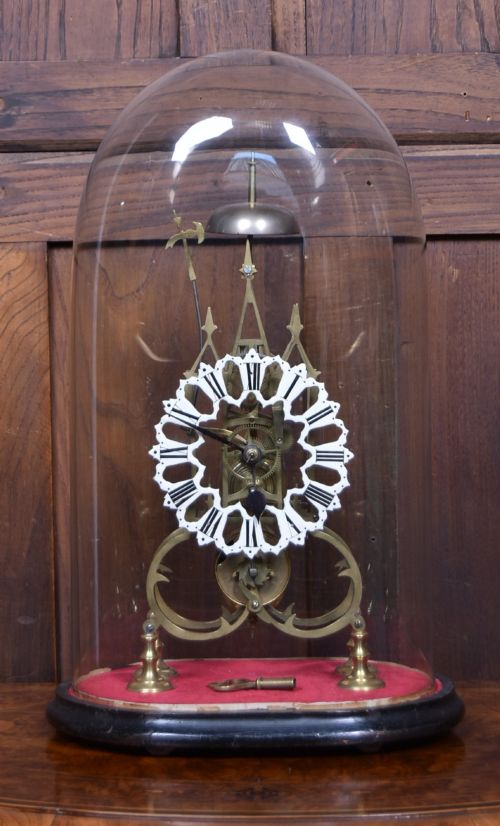
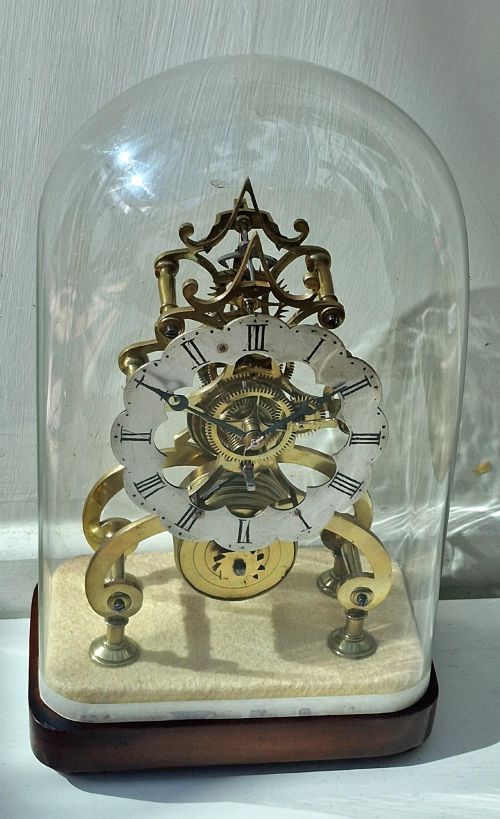
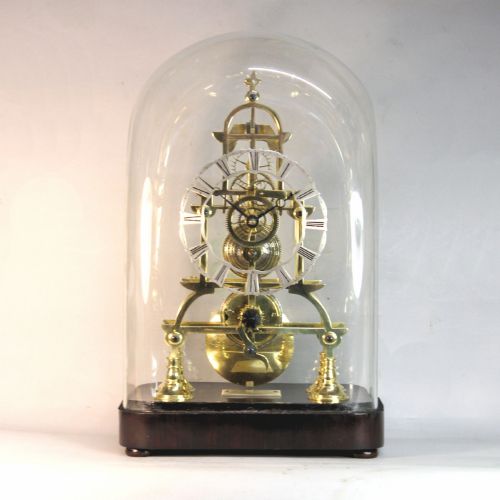
Cabinet makers enclosed these mechanisms in dense timbers such as mahogany, oak, and rosewood, often shaping them into wall dials or architectural skeleton frames under glass domes.
Victorian Fusee Timepiece Retail Price Guide 2026
Typical asking prices for victorian fusee timepiece among the pieces listed under this phrase on Sellingantiques today, from the lower quarter to the upper quarter. They describe what is for sale here now, not the wider market.
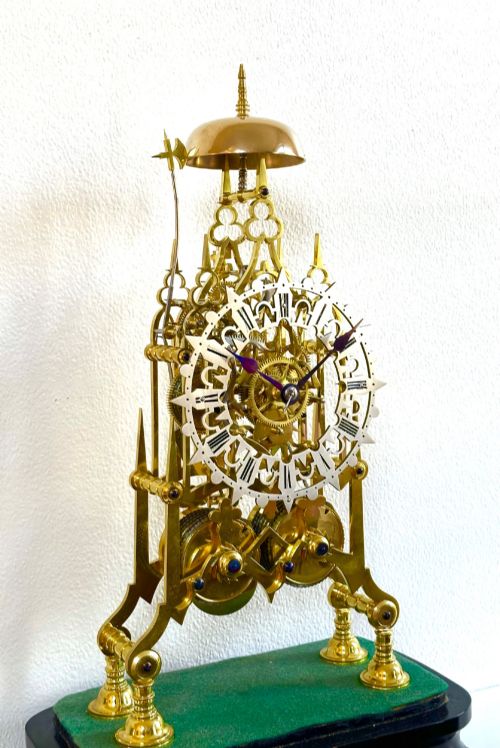
Listings feature 19th-century skeleton clocks, chain fusee wall timepieces, and rosewood bracket clocks constructed from brass, mahogany, oak, and iron.
Assessing Standard
The standard of a victorian fusee timepiece rests upon the crispness of the brass wheel cutting, the engraving on the dial or movement backplate, and the joinery of the timber case. Superior examples display refined proportions and signed movements from recognised London or provincial makers.
Wear to the pivot holes and alterations to the original dial or fusee chain differentiate standard utility clocks from workshop-grade library and skeleton timepieces.
R Stewart Glasgow·Henry Harris·Richard Winter·Webster Cornhill London·Dent of London·Prescot Clock Co·John Walker·Phillips Brothers·Thomas Cole and James Cole·Hunt And Roskell·J Lyndsey·Balbiani Brookley·Kleyser of London·Payne of Tunbridge Wells·McCabe London·Palmer Co
The Victorian Fusee Timepiece Glossary
- Fusee
- A conical pulley with a helical groove designed to equalise the torque of the mainspring as it unwinds. This mechanism ensures consistent force is delivered to the escapement throughout the duration of the wind.
- Timepiece
- A clock that indicates the hours and minutes without a striking mechanism for the hours. These units focus purely on continuous timekeeping rather than audible hour counts.
- Skeleton clock
- A clock designed with open plates and bridges that expose the gear trains and escapement to view. They sit beneath glass domes to protect the delicate brass work from dust.
- Drop dial
- A wall clock featuring a circular dial mounted above a lower wooden case or box that houses the pendulum. This drop case accommodates the swing of the pendulum while keeping the overall depth compact.
- Verge
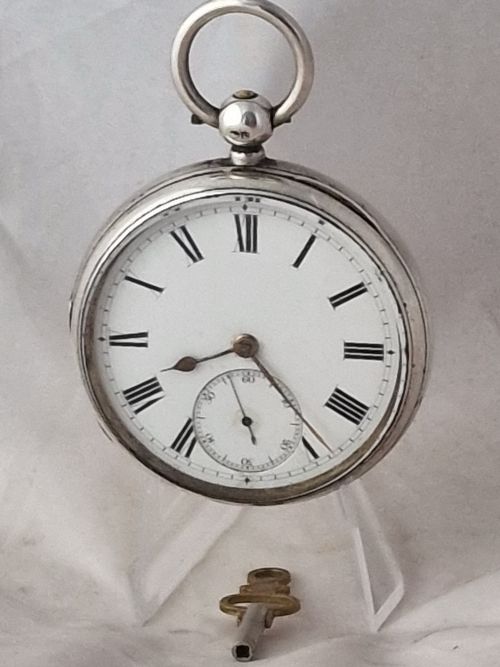
- An early type of escapement that uses a vertical rod with two pallets engaging a crown wheel. It allows for an erratic but functional beat in older pocket watches and clocks.
Victorian Fusee Timepiece: Frequently Asked Questions
What is a fusee movement?
A fusee movement uses a conical pulley connected to a chain or gut line to maintain even power as the mainspring winds down. This ingenious device overcomes the diminishing force of a standard spring to improve accuracy.
Timepieces utilising this system require careful winding through the dial face using a specific key matching the square arbor.
How do I wind my timepiece?
Insert the winding key into the aperture on the enamel dial and turn it clockwise until resistance indicates the mainspring is fully tensioned. Care must be taken not to overwind the chain.
Most surviving examples run for eight days on a single wind, requiring a weekly routine to maintain steady timekeeping.
Where were these clocks used?
Victorian establishments utilised these timepieces in railway offices, public houses, shipping offices, and domestic libraries where reliable time tracking was essential. Railway companies mounted large dial clocks in stations to govern timetables.
Smaller library and bracket versions sat upon mantelpieces or desks in private homes and administrative rooms.
How do I date a dial clock?
Dating relies on inspecting the shape of the mahogany or oak case, the signature on the enamel dial, and the construction of the brass movement behind. Fusee wall clocks evolved from deep mahogany boxes to more compact drop-dial silhouettes over the course of the nineteenth century.
Maker signatures and railway company initials painted on the dial offer direct clues to the active operational period.