


Victorian Furniture Chest
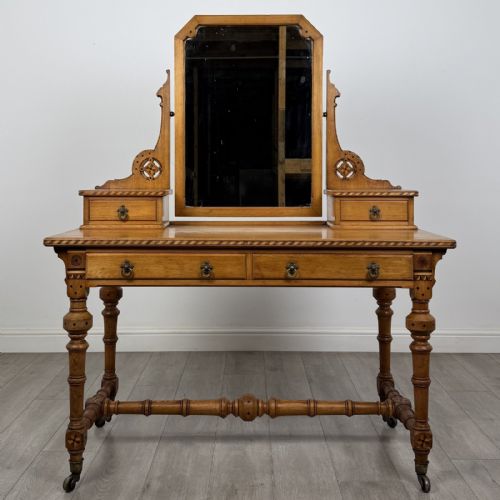
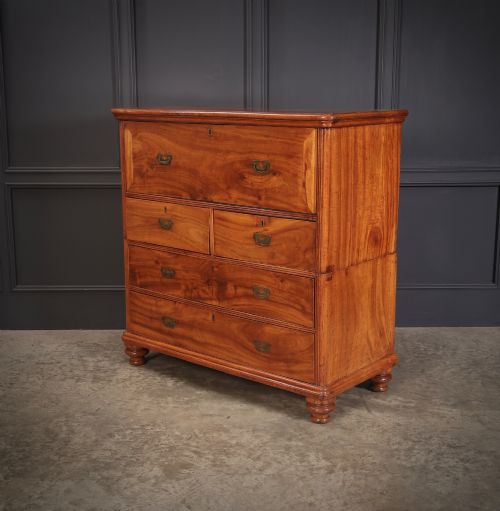
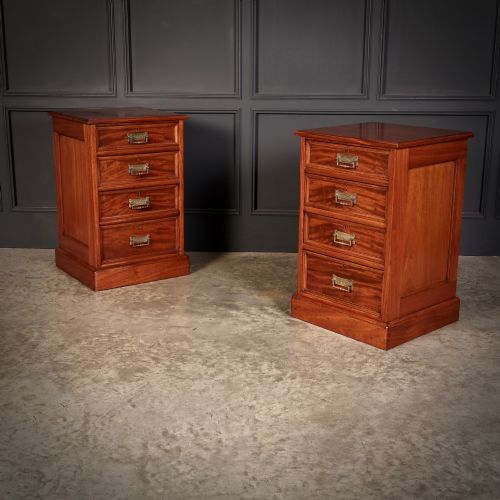
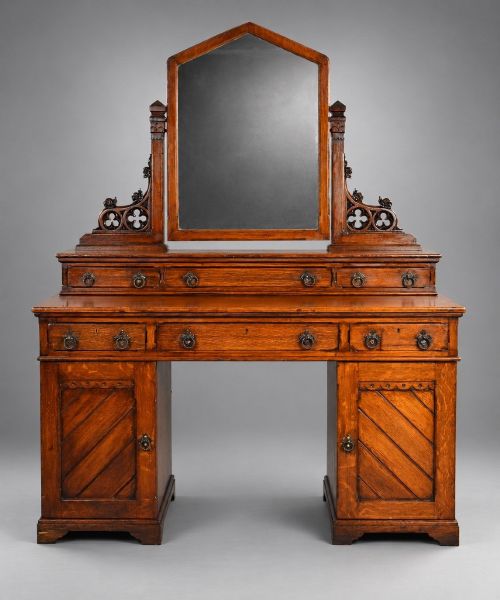
These pieces of victorian furniture chest range from compact campaign forms to substantial mahogany chests of drawers built for everyday storage.
Victorian Furniture Chest
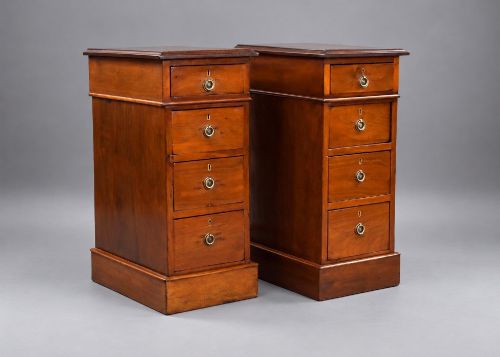
When you search for a victorian furniture chest, you encounter storage forms designed primarily for domestic bedrooms and campaign use. The selection spans standard chests of drawers, tall Wellington chests, and diminutive apprentice pieces.
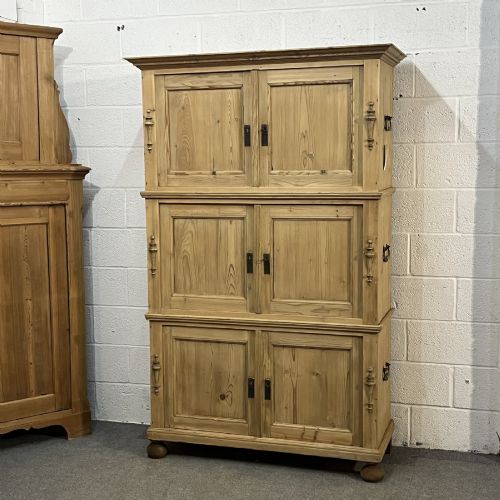
Mahogany and pine dominate the listings, alongside oak, walnut, teak, and camphor wood. Pieces originate predominantly from the nineteenth century, with variations reaching into the early twentieth century and occasional items from the eighteenth century.
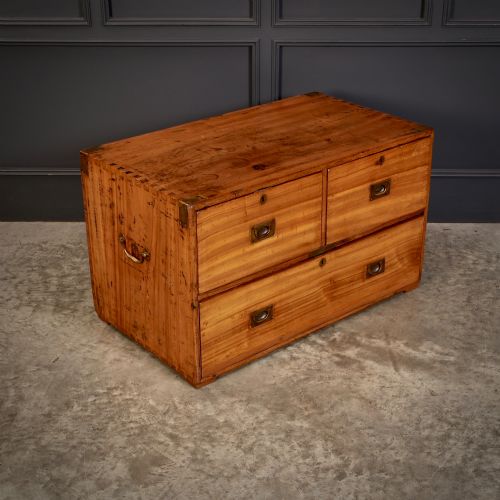
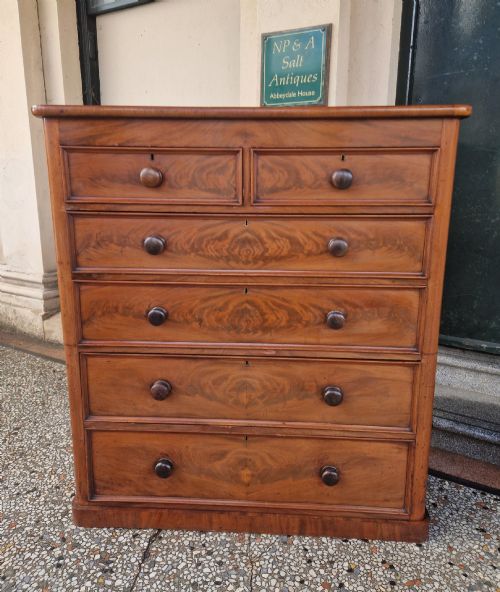
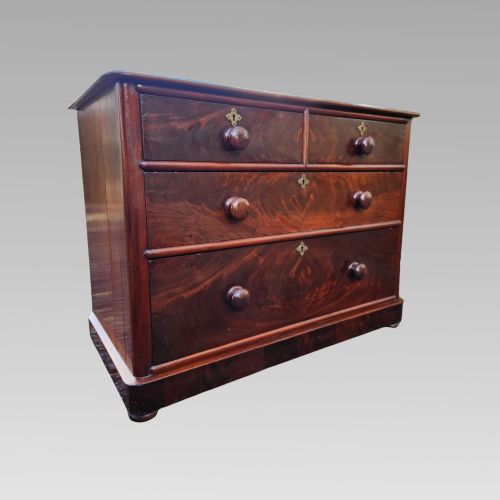
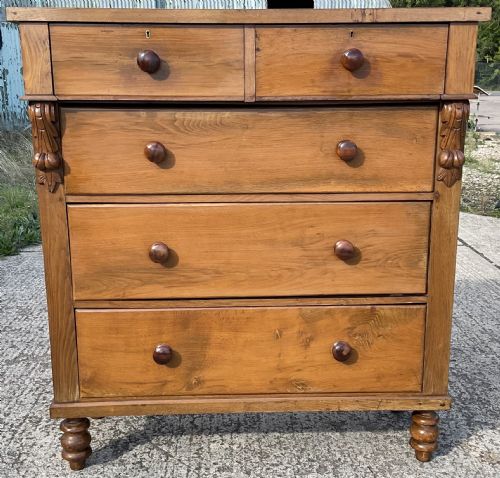
The most common form on this page is the chest of drawers, often arranged in standard configurations like two small drawers over three larger ones. Alongside these sit specialised variations such as military campaign chests fitted with brass hardware.
How they were made
Makers utilised solid hardwoods and softwoods, applying mahogany, oak, walnut, and pine across different forms. Secondary woods like pine appear frequently for drawer linings and internal framing.
Joinery relies on traditional methods visible in drawer construction and case assembly. Metal components such as brass handles, campaign fittings, and recessed pulls are integrated directly into the timber.
Victorian Furniture Chest Retail Price Guide 2026
Typical asking prices for victorian furniture chest among the pieces listed under this phrase on Sellingantiques today, from the lower quarter to the upper quarter. They describe what is for sale here now, not the wider market.
Victorian craftsmen occasionally carved grimacing Green Man grotesques into drawer fronts for homeowners seeking dramatic Gothic ornamentation.
What varies in quality
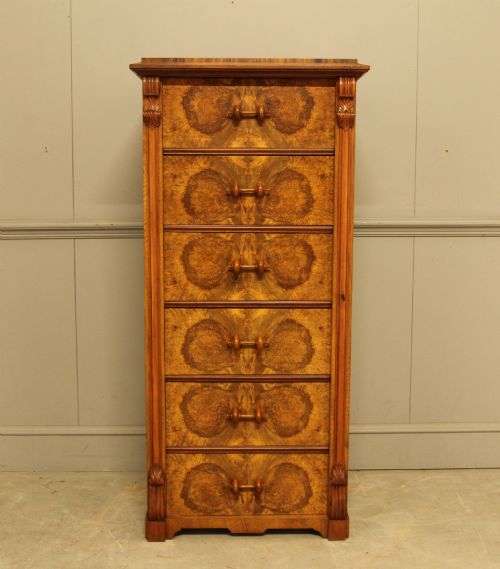
Subtleties in timber selection and hardware distinguish standard examples from finer works. Selected veneers, such as birds eye maple or burr walnut, alter the visual weight of a piece compared to plain pine or mahogany.
The precision of the drawer construction and the original condition of surface finishes drive the hierarchy. Retained original paint, brass drop handles, and specialised locking mechanisms elevate the standing of a piece.
Army & Navy Stores·G. Bartholomew & Co·T & G Seddon
The Victorian Furniture Chest Glossary
- Wellington chest
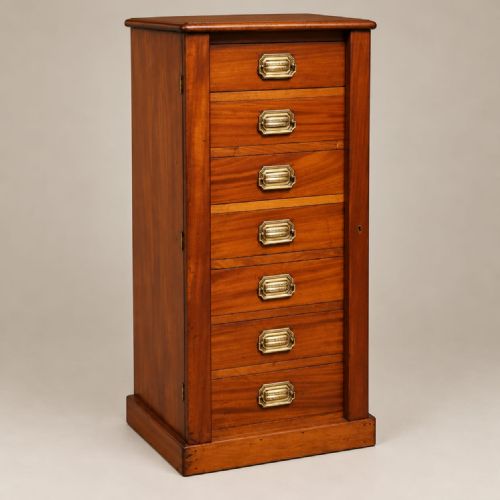
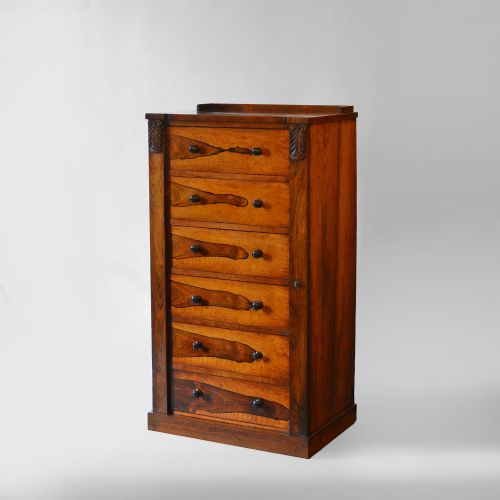
- A tall, narrow chest of drawers secured by a locking hinged stile on one side. This design originated in the nineteenth century for efficient paper and linen storage.
- Campaign furniture
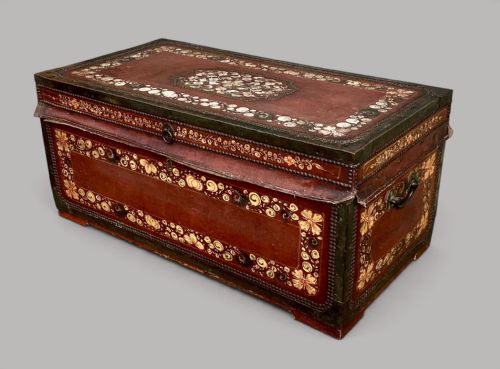
- Portable pieces built in sections with recessed brass fittings and corner brackets designed for military transport. Teak, mahogany, and camphor wood were standard materials for these builds.
- Apprentice piece
- A miniature version of a larger furniture form created by a craftsman to demonstrate skill. These items duplicate the joinery and proportions of full-sized chests.
- Bowfront
- A convex, curved front profile applied to case furniture. This shape appears on mahogany and other hardwood chests from the nineteenth century.
- Gallery
- A raised wooden edge or rail along the top surface of a chest. This addition prevents items from sliding off the upper board.
Victorian Furniture Chest: Frequently Asked Questions
How do I identify a Wellington chest?
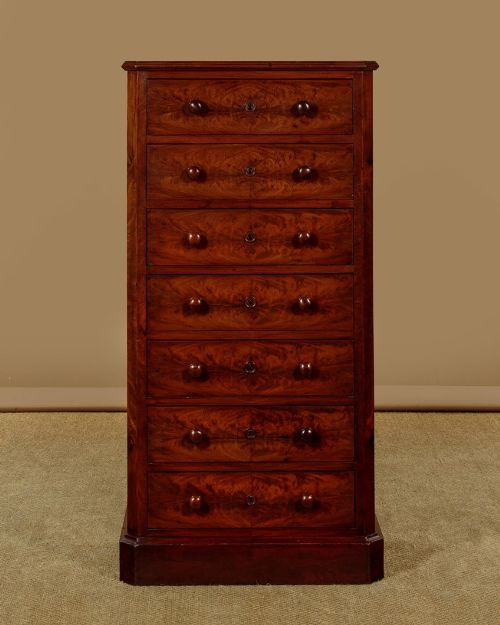
A Wellington chest stands taller and narrower than a standard chest of drawers, typically containing six or more shallow drawers. A vertical locking timber bar, or stile, fastens down one side to secure all the drawers simultaneously.
This form gained popularity during the nineteenth century for domestic studies and bedrooms. The locking mechanism offered secure storage for documents and valuables.
What is an apprentice chest?
An apprentice chest is a small-scale model of a full-sized chest of drawers created by a trainee woodworker. These miniature versions exhibit the same dovetail joinery and material quality as larger furniture.
Craftsmen produced these pieces to prove their proficiency before entering a trade guild. They function today as decorative tabletop storage units.
How were pine chests finished?
Pine chests of drawers often feature painted surfaces, stencilled decoration, or clear wax finishes. Stained birch and pine alternatives provided affordable domestic storage in Victorian households.
Many surviving pine examples retain their original painted finishes or aged patinas. These softer wood pieces suit casual interior spaces.