

Victorian Fruit Painting
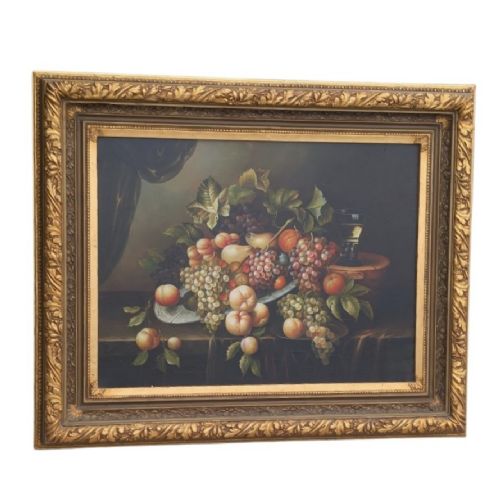
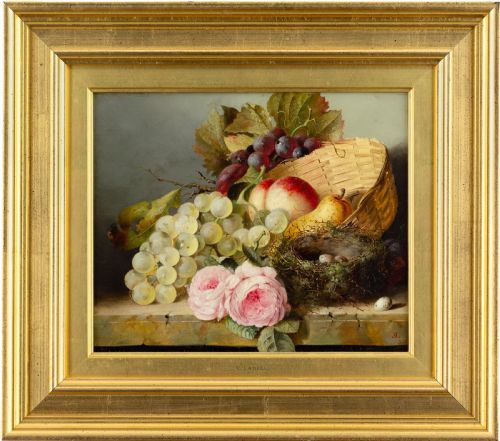
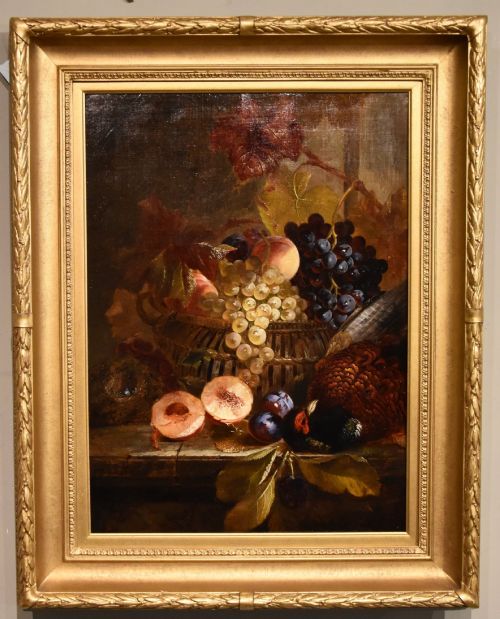
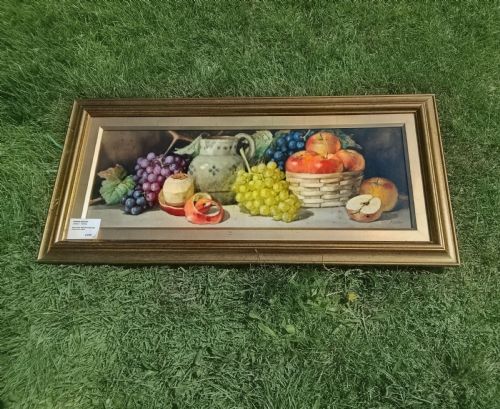
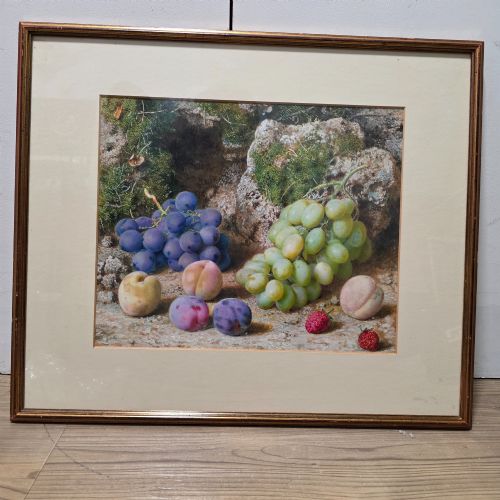
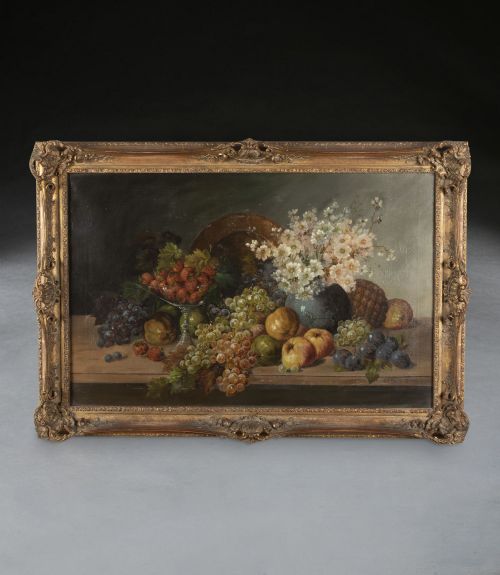
Victorian fruit painting captures the abundant still lifes and botanical studies that decorate period interiors with oil and watercolour on canvas, wood panel and paper.
Victorian Fruit Painting
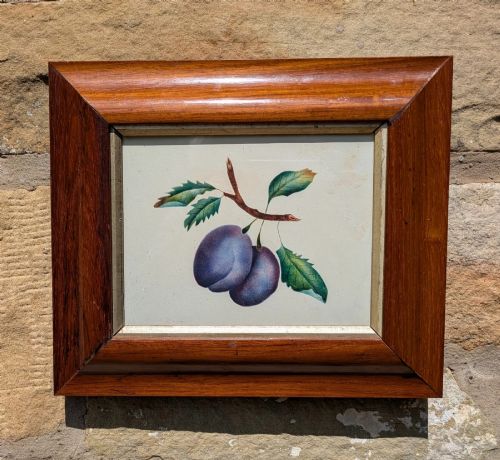
When searching for victorian fruit painting, buyers encounter framed oil on canvas compositions, detailed watercolours and hand-painted porcelain or pottery depicting apples, plums, grapes and berries.
The works appearing in these records span the nineteenth century and the Edwardian era, ranging from intimate rustic studies on wood panel to larger framed gallery canvases.
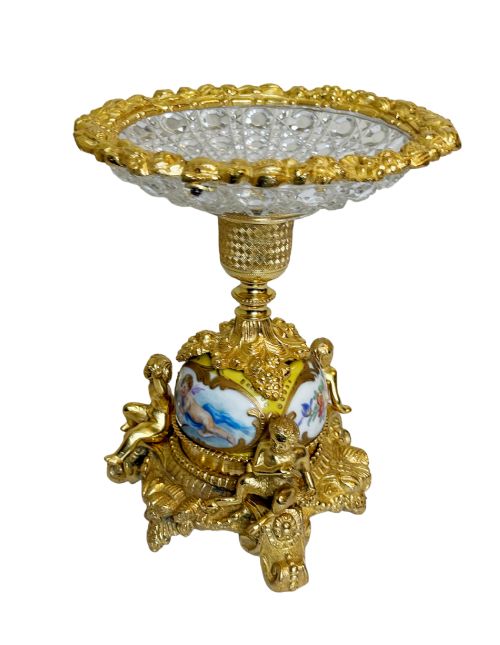
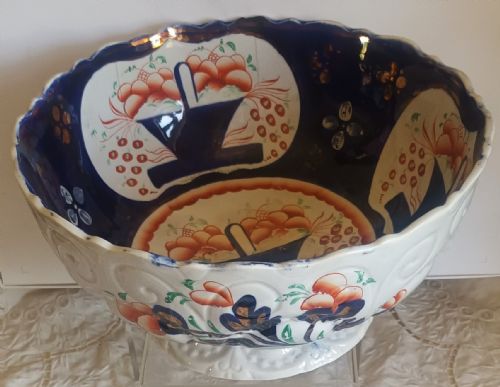
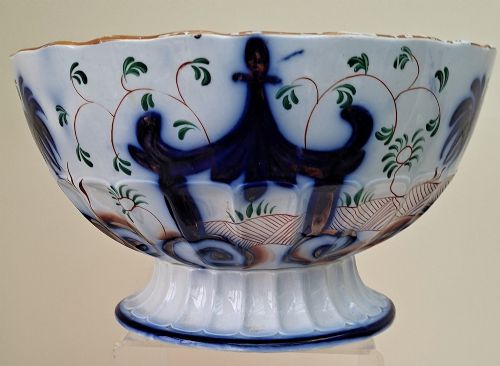
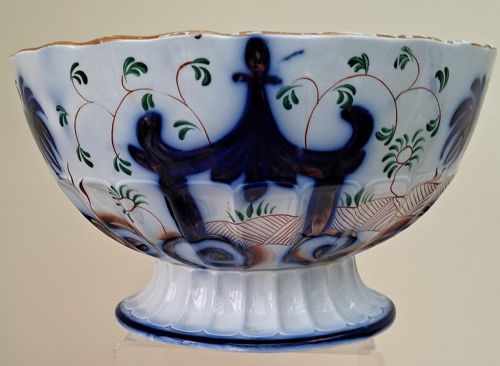
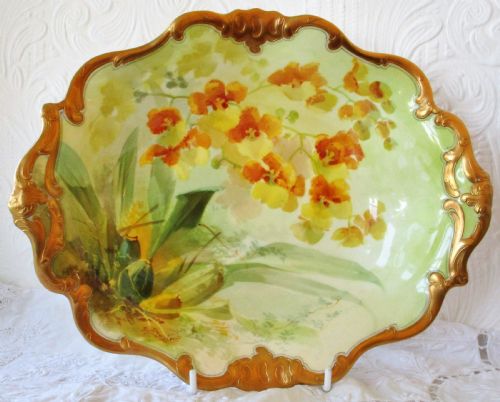
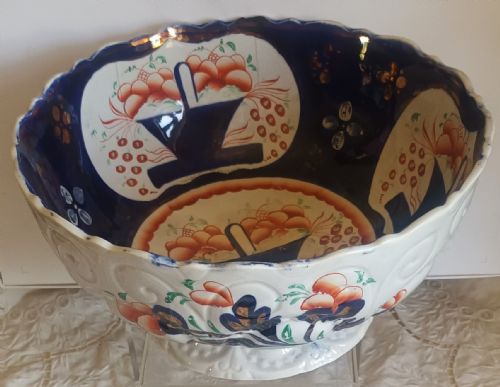
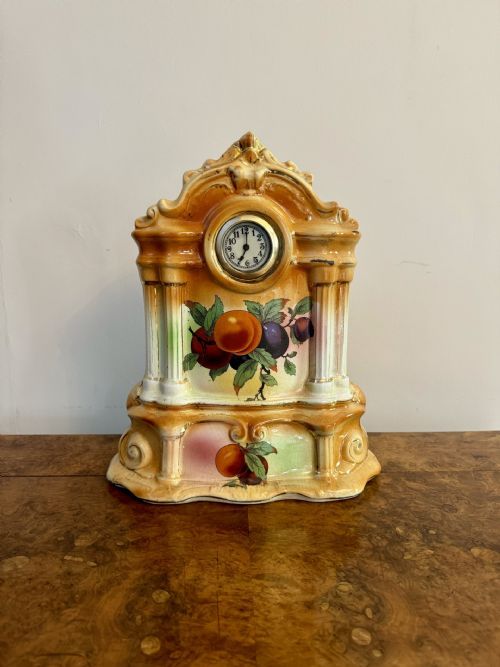
Beyond purely flat works, the theme extends to decorative ceramic cabinet plates, footed bowls and painted trays that incorporate fruit motifs into their surface decoration.
How they were made
Artists painted oil onto stretched canvas or wooden panels, building up layers to render the translucent skins and soft textures of gathered produce.
Watercolour paintings on paper utilised delicate washes and fine brushwork, frequently mounted behind glass within period wooden or gilt frames.
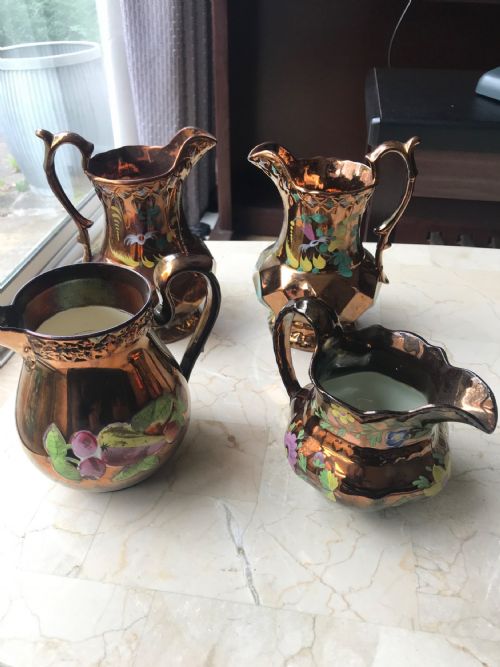
Ceramic pieces employed porcelain or earthenware bodies decorated with hand-painted enamels, sometimes enhanced with gold leaf and copper lustre.
Victorian Fruit Painting Retail Price Guide 2026
Typical asking prices for victorian fruit painting among the pieces listed under this phrase on Sellingantiques today, from the lower quarter to the upper quarter. They describe what is for sale here now, not the wider market.
Listings feature works spanning the nineteenth century into the Edwardian period, utilising oil on canvas, watercolour, porcelain and earthenware.
What varies in quality
The naturalism of the brushwork and the precision in capturing light upon reflective fruit skins separate standard decorative pictures from accomplished artistic studies.
Subtlety of colour harmony and composition depth distinguish works by named painters from anonymous studio output.
The preservation of the original gilt frame and the stability of the canvas or wood panel influence the integrity of surviving pictures.
Edward Ladell·William Henry Ward·Arthur Dudley·John Sherrin·Evelyn Chester·William Duffield·Vincent Clare·Helena Maguire·Thomas Hooper
The Victorian Fruit Painting Glossary
- Oil on Canvas
- Pigment mixed with drying oil applied to a woven fabric stretched across a wooden frame. This medium allowed artists to achieve deep tonal contrasts and rich surface textures.
- Watercolour
- Pigments suspended in a water-soluble binder applied to paper. It produces translucent washes suited to delicate botanical detail.
- Wood Panel
- A rigid wooden support used as a base for painting before canvas became dominant. Panels offer a stable surface that preserves fine brushwork over centuries.
- Gilt Frame
- A wooden moulding coated with gold leaf or metallic paint. These frames provide traditional containment and protection for Victorian paintings.
- Cabinet Plate
- A decorative ceramic plate designed for display on a cabinet or wall rather than for dining. They frequently feature hand-painted botanical or fruit subjects.
Victorian Fruit Painting: Frequently Asked Questions
Where were these paintings displayed originally?
Victorian households hung still life canvases primarily in dining rooms and morning rooms, where depictions of harvested food complemented the social purpose of the space.
Smaller watercolours and decorative plates appeared in drawing rooms, often grouped on walls or displayed on specialised furniture.
How do I care for an oil painting?
Keep paintings away from direct sunlight and steady temperature fluctuations to prevent the canvas or wood panel from warping and the paint layers from cracking.
Dust the surface gently with a dry, soft brush and avoid using water or chemical cleaners on either the canvas or the frame.
Are these works signed by the artists?
Many professional pieces carry the artist's signature or monogram, usually positioned discreetly in a lower corner among the foliage or table elements.
Attribution for unsigned works relies on stylistic comparison, handling of pigment, and records maintained by galleries and previous owners.
What frames are original to the pieces?
Period frames typically consist of moulded wood finished with gesso and gilt leaf, showing minor age wear consistent with nineteenth-century manufacture.
Matching the rebate size, corner construction style, and mounting methods helps confirm whether a frame has accompanied the painting for its entire lifetime.