

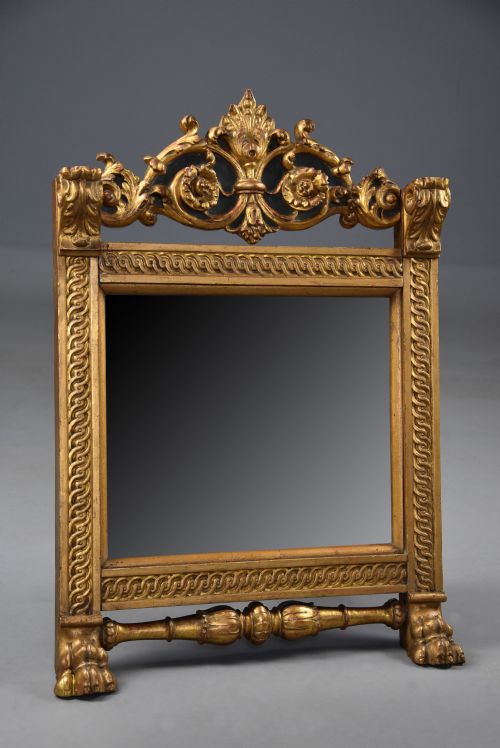


Victorian French Easel
These Victorian French easel items and related table mirrors bring portable continental elegance and fine craftsmanship to any interior.
Victorian French Easel
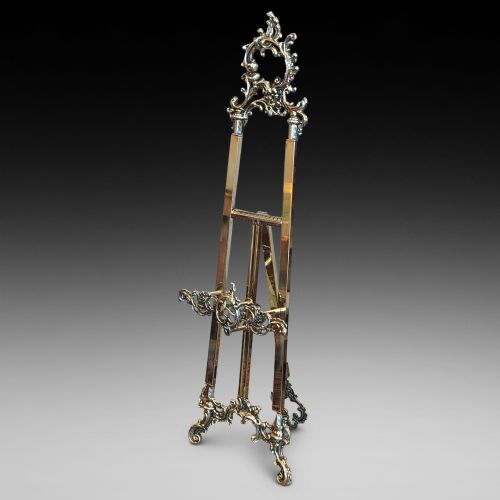
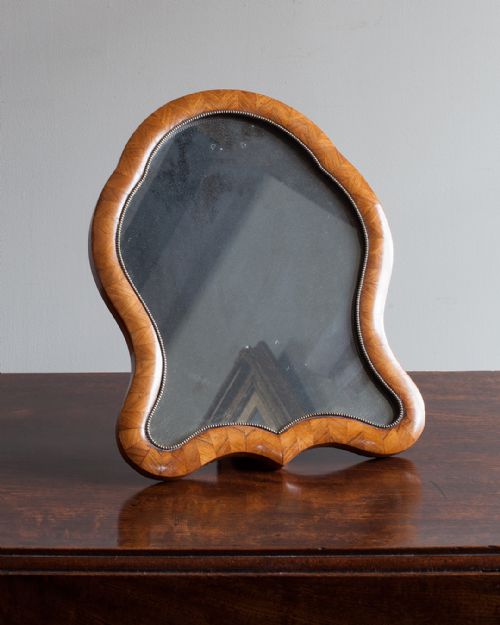
When you search for a victorian french easel, you encounter a selection of decorative table mirrors, dressing mirrors, and desktop display items dating from the nineteenth century. These objects combine the functional utility of a support or glass with ornate continental design vocabularies.
Makers and manufacturers of the period drew upon diverse revivalist aesthetics to produce items intended for boudoirs, desks, and drawing rooms. Walnut, oak, and kingwood form the wooden foundations, whilst cast metals provide the decorative chassis for glazed items.
Materials and construction
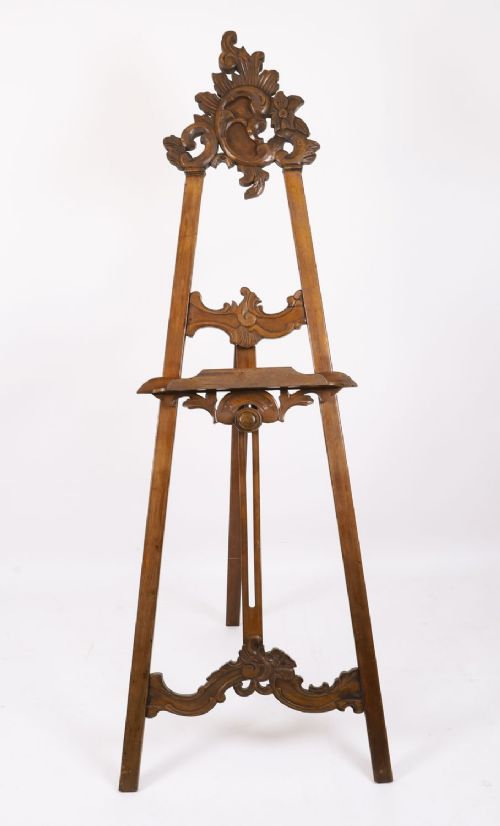
Construction relies upon a mixture of dense hardwoods such as oak, walnut, and kingwood, often shaped into revivalist forms. Carving appears on wooden frames, whilst metalwork utilises brass, gilt bronze, ormolu, and champleve enamel techniques to create rich surface textures.
Glass is utilised for mirrors and picture frames, frequently bevelled and set within pivoting mounts or hinged struts. Gilt brass and cast metals receive chased or applied ornamentation, aligning with the prevalent Rococo and Renaissance revival styles of the era.
Victorian French Easel Retail Price Guide 2026
Typical asking prices for victorian french easel among the pieces listed under this phrase on Sellingantiques today, from the lower quarter to the upper quarter. They describe what is for sale here now, not the wider market.
Paste stones catch the light on mirrors made when desks doubled as stages for miniature portraits.
Judging quality
Quality reveals itself in the crispness of the cast metal ornamentation and the depth of the timber carving. Finer examples display meticulous chasing on ormolu mounts and substantial timber frames without weak joints.
The sophistication of the decorative elements, such as champleve enamel work or paste stone settings, dictates the standing of a piece within the period range. Heavier gauges of brass and well-figured walnut or kingwood distinguish superior items from simpler utilitarian productions.
The Victorian French Easel Glossary
- Chevalet
- A small table easel or stand used by artists or for displaying pictures and mirrors. It typically incorporates an adjustable back leg for varying the display angle.
- Champleve
- An enamelling technique where troughs or cells are hollowed out of a metal surface and filled with vitreous enamel before firing. It is frequently seen on nineteenth century brass and bronze frames.
- Ormolu
- Gilded bronze produced by applying a mercury and gold amalgam to a bronze base and heating it. This technique imparts a durable, rich metallic lustre to decorative frames and mounts.
- Kingwood
- A dense, heavily figured tropical hardwood prized for its rich dark colour and contrasting pale streaks. Cabinetmakers utilised it for luxury small furnishings and tabletop mirrors.
- Strut
- A hinged support attached to the reverse of a frame, mirror, or timepiece to enable it to stand upright on a surface. It forms an integral part of portable nineteenth century desk accessories.
Victorian French Easel: Frequently Asked Questions
What is a victorian french easel?
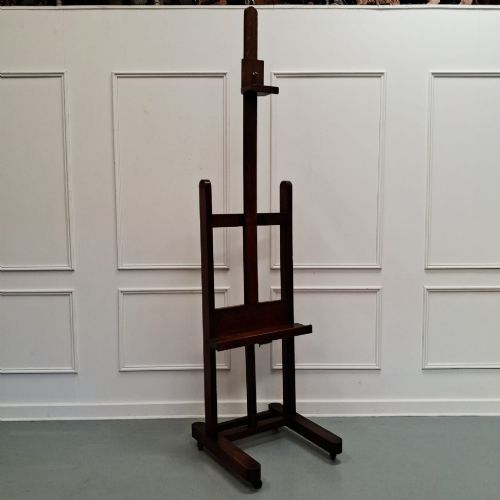
A victorian french easel is a portable display stand or small support created in the nineteenth century, often associated with continental decorative arts and artist equipment.
In practice, surviving examples encompass tabletop items, dressing mirrors, and display frames that utilise French revivalist styling from the 1870s to 1900.
How were these items used?
These pieces served practical functions in nineteenth century domestic spaces, functioning as portable dressing mirrors, picture frames, or desk clocks.
Artists also utilised small tabletop easels for working on modest canvases, while households displayed photographs and miniature paintings within ornamental metal and wood stands.
How do I date a piece?
Dating relies upon identifying the characteristic materials, construction methods, and stylistic revivals present in the object. Pieces spanning the 1870s to 1900 often incorporate specific revival movements such as Rococo or Renaissance styles.
The presence of machine-rolled brass, specific hinge types, or champleve enamel work helps narrow the period of manufacture within the late nineteenth century.
Where should I place one?
These items suit tabletops, mantelpieces, dressing tables, and desks where their decorative metalwork or carved wood can be appreciated up close. Their compact dimensions make them adaptable for display on cabinets and side tables.
Positioning them away from direct heat sources helps protect delicate wooden veneers and antique glass surfaces over time.