

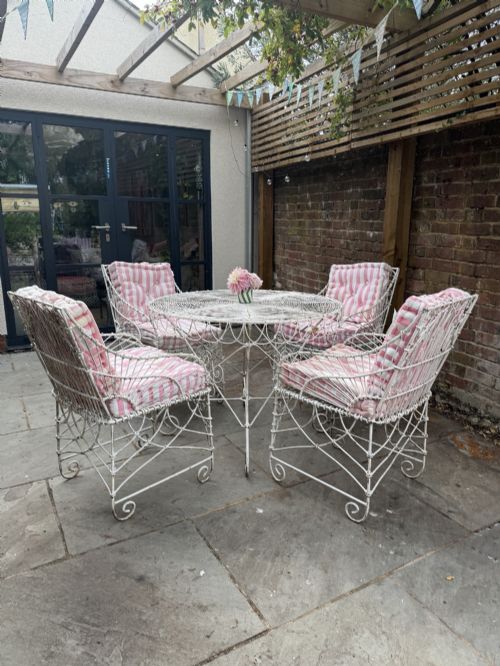
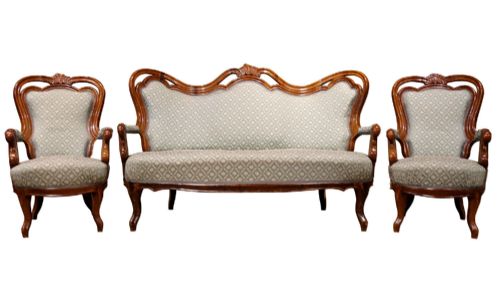
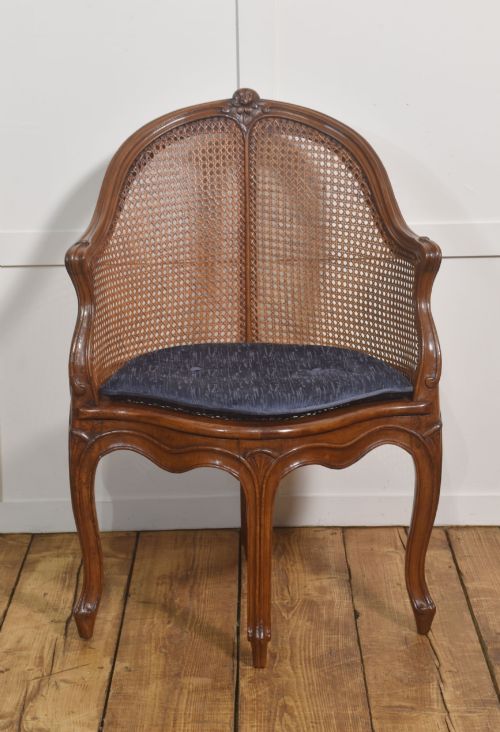
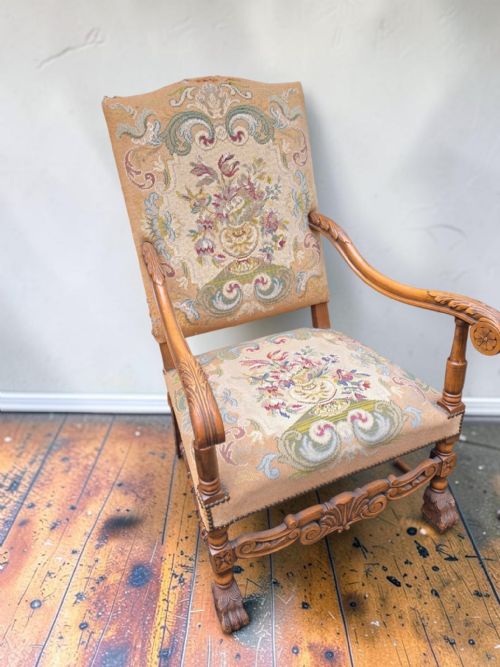
Victorian French Chair
A victorian french chair brings continental elegance to an interior through curved timber frames and sumptuous upholstery.
Victorian French Chair
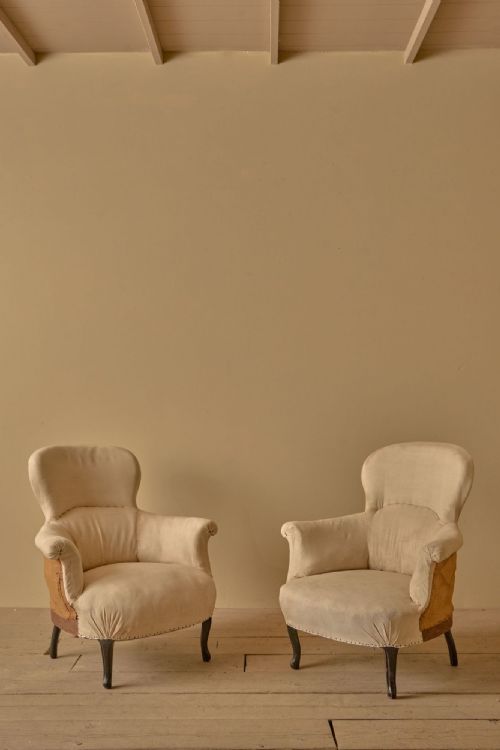
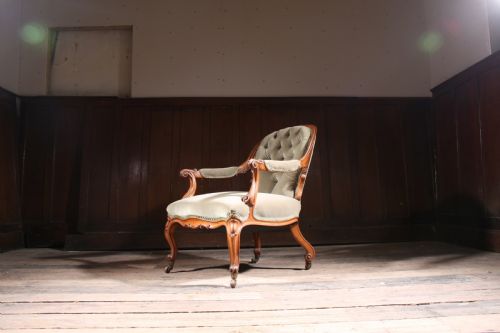
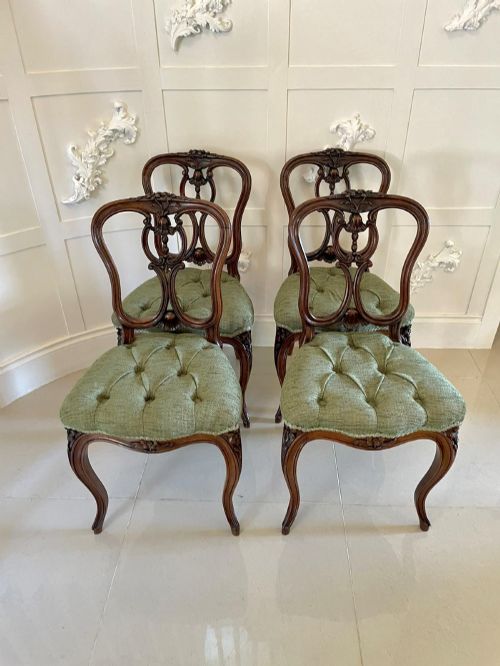
A victorian french chair encompasses a variety of seating forms from armchair and side chair variants to elaborate salon suites and chaise longues. The buyer is looking at pieces that blend British nineteenth-century production with continental aesthetic influences, particularly from the Napoleon III and revival periods.
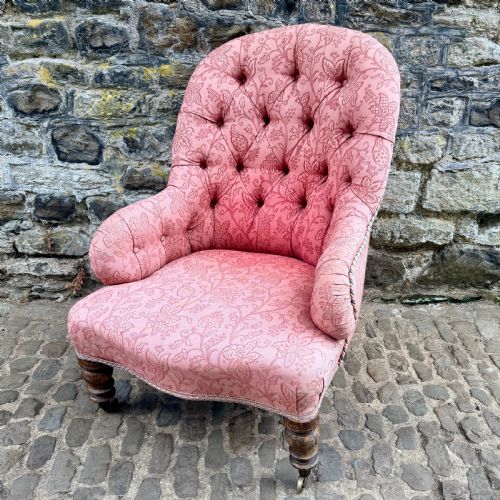
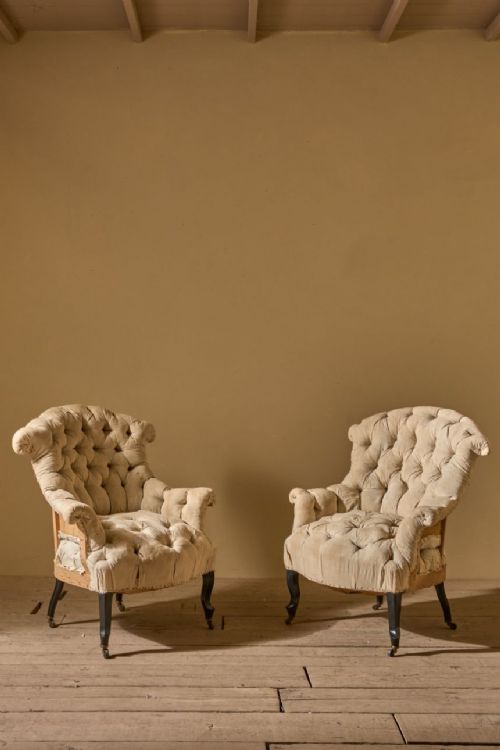
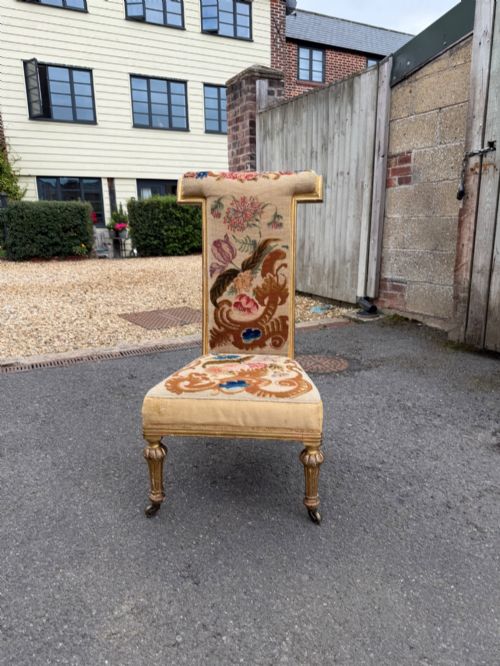
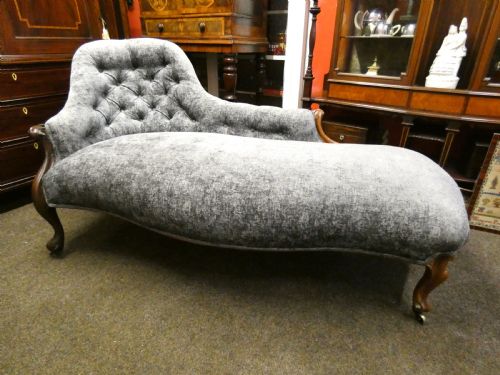
Armchairs, tub chairs, and side chairs dominate the selection, often featuring carved walnut or giltwood frames alongside deep buttoned upholstery or needlework. These items served as functional yet decorative seating in formal morning rooms, boudoirs, and parlours.
Materials and construction
Makers utilised dense timbers such as walnut, mahogany, and beech to construct robust frames capable of supporting intricate hand-carved ornamentation. Gesso and giltwood finishes appear frequently on formal salon seating, providing a bright reflective surface.
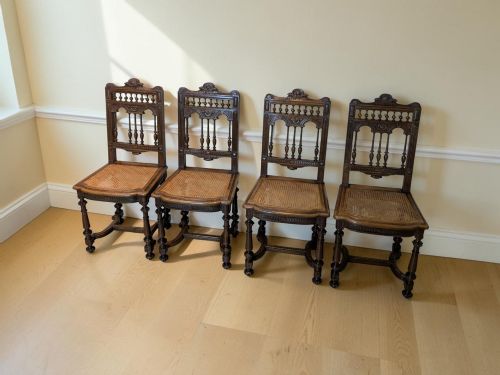
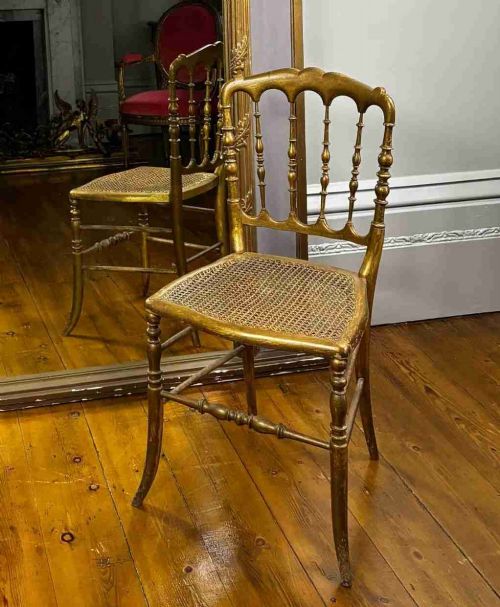
Upholstery techniques relied on textiles including velvet, damask, tapestry, and calico, often paired with deep buttoning or intricate needlework. Caning was also employed for lighter tub chairs and side chairs, adding textural contrast to the wooden framework.
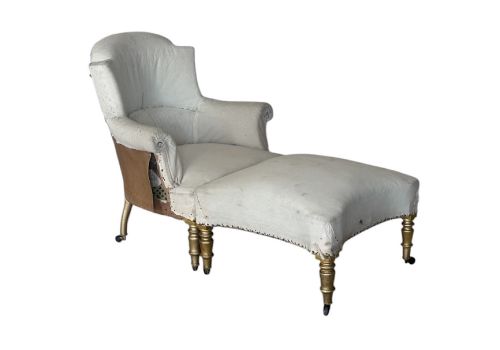
Napoleon III pieces form a significant portion of the available inventory, frequently pairing buttoned upholstery with curvilinear frames.
Judging execution and finish
The standard of a victorian french chair rests upon the crispness of the wood carving and the integrity of the structural joinery. Finer examples display deeply sculpted foliage and balanced proportions, whereas simpler pieces rely on modest turned elements.
Original upholstery methods and the preservation of period textiles or gilding elevate the desirability of a piece. Superior workshops invested greater labour into the secondary timbers and the precision of the frame assembly.
The Victorian French Chair Glossary
- Fauteuil
- An open-armed upholstered armchair with exposed wooden armrests, popular in formal French salon settings. This form emphasises comfort combined with decorative carved framing.
- Giltwood
- Timber coated with a thin layer of gold leaf or gesso paint. It provides a luxurious finish commonly found on nineteenth-century reception chairs.
- Caning
- Woven rattan material utilised for the seats or backs of light chairs. This technique offers flexibility and ventilation while lightening the visual weight of hardwood frames.
Victorian French Chair: Frequently Asked Questions
How do I use a victorian french chair today?
These chairs function well as accent seating in living rooms, studies, or bedrooms, adding character to modern or traditional interiors.
Their sturdy timber frames and comfortable upholstered seats make them practical for daily use rather than purely decorative display.
What periods do these chairs date from?
The pieces span the nineteenth century, encompassing early Victorian examples from the 1850s and 1860s as well as later Victorian and Napoleon III productions.
Stylistic revivals such as Louis XV influence run throughout this era, blending French design tropes with British domestic manufacture.
Are these chairs comfortable for seating?
Many variants, particularly the buttoned armchairs and tub chairs, were designed specifically for relaxed lounging in nineteenth-century drawing rooms.
Deep upholstery and sprung seats provide substantial physical support, though individual comfort depends on the current state of the internal webbing.
What woods were commonly used?
Walnut remains the predominant hardwood found across these listings, prized for its grain and suitability for intricate carving.
Beech and mahogany also appear frequently, alongside giltwood and painted surfaces designed to mimic more expensive materials.