

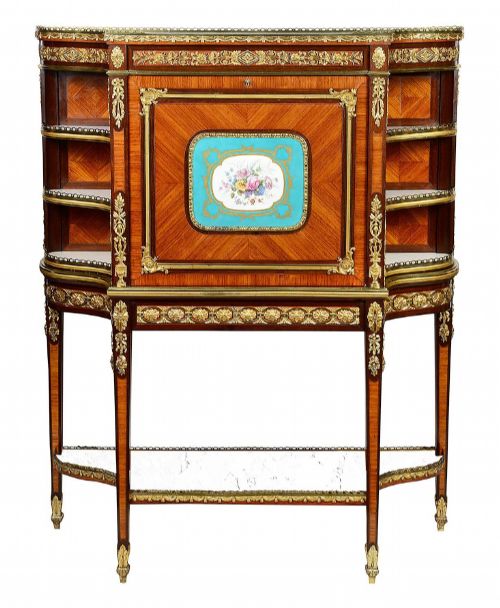
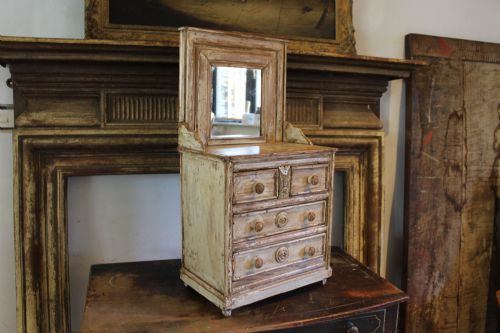
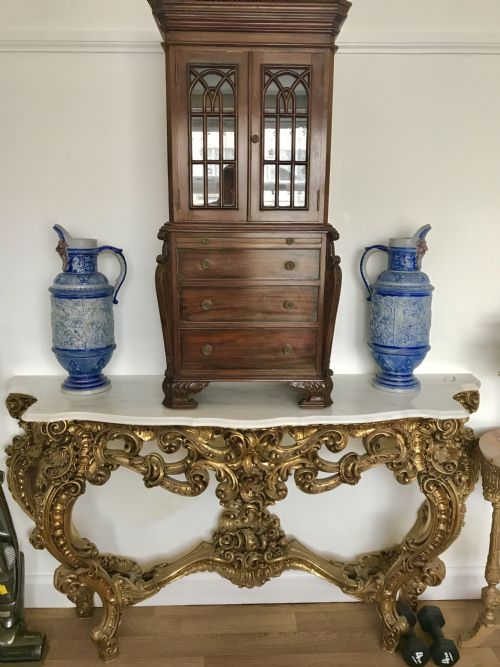
Victorian French Bureau
A victorian french bureau brings continental elegance and refined writing surfaces into the home, prized for intricate marquetry and polished hardwoods.
Victorian French Bureau
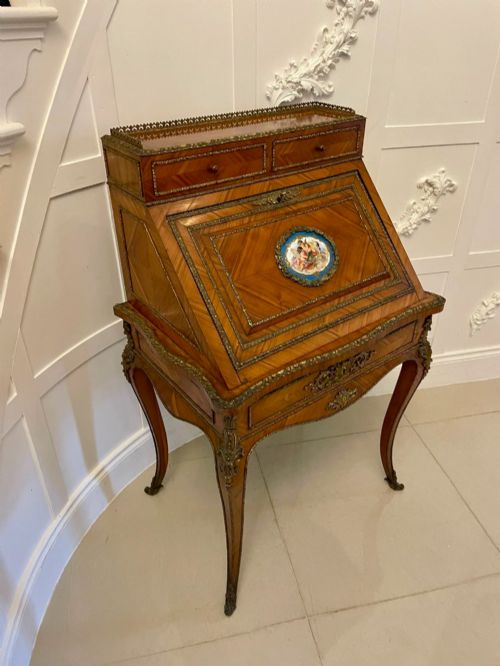
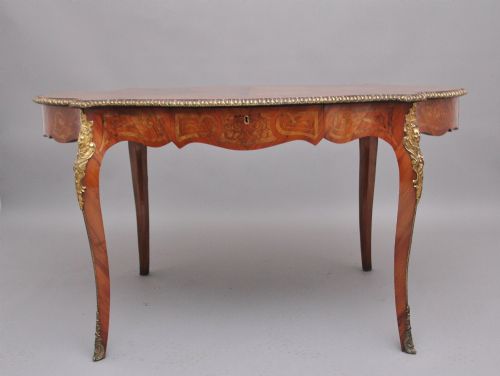
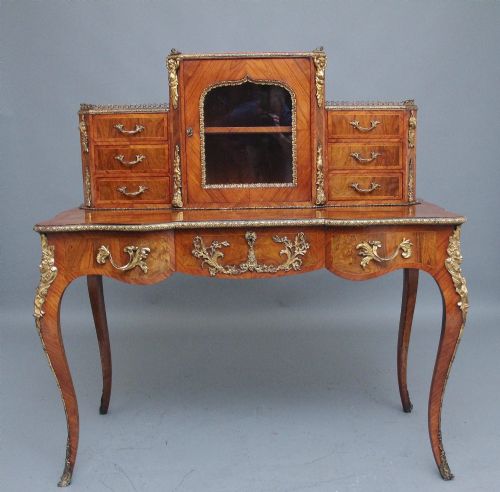
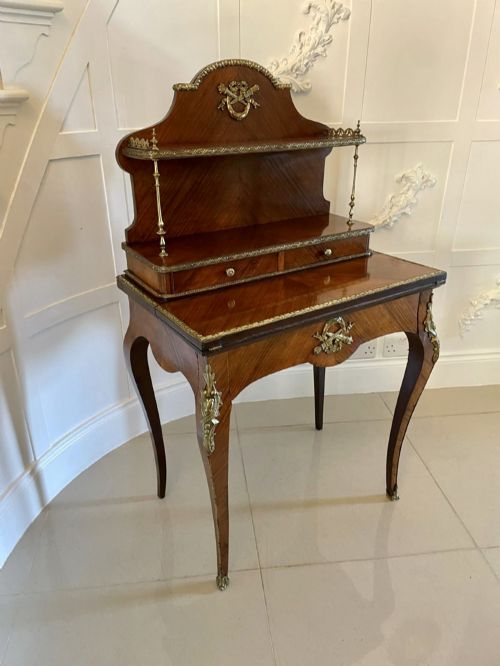
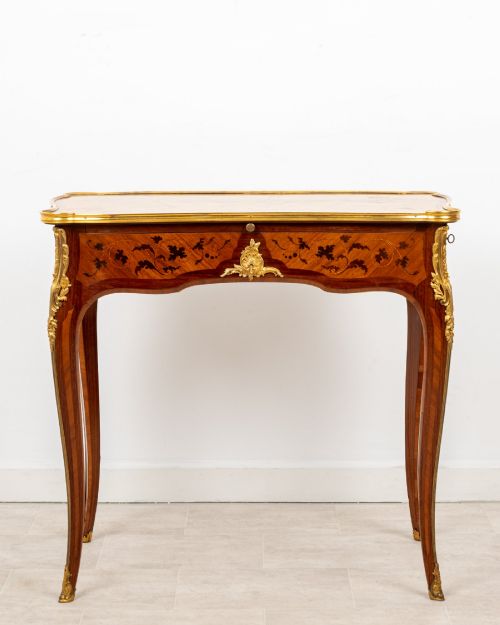
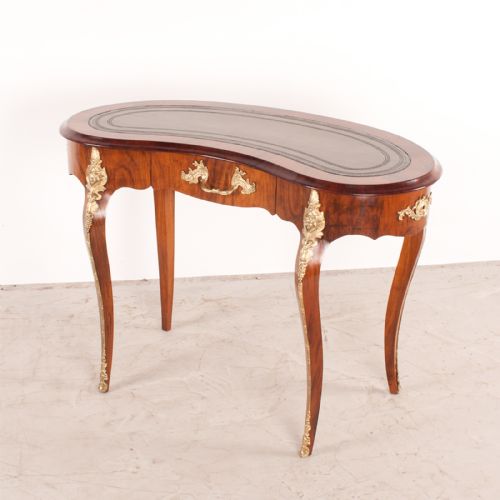
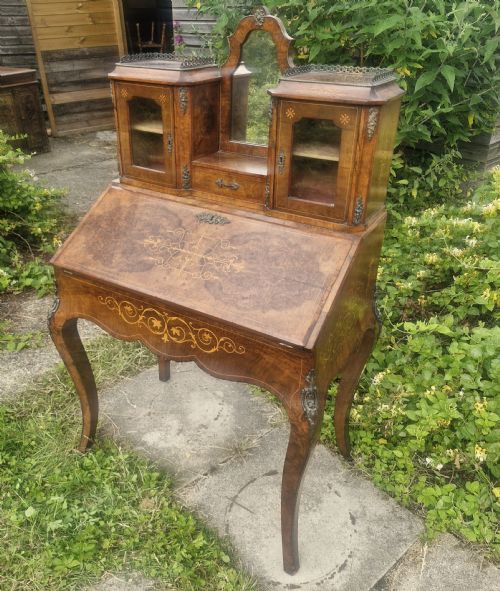
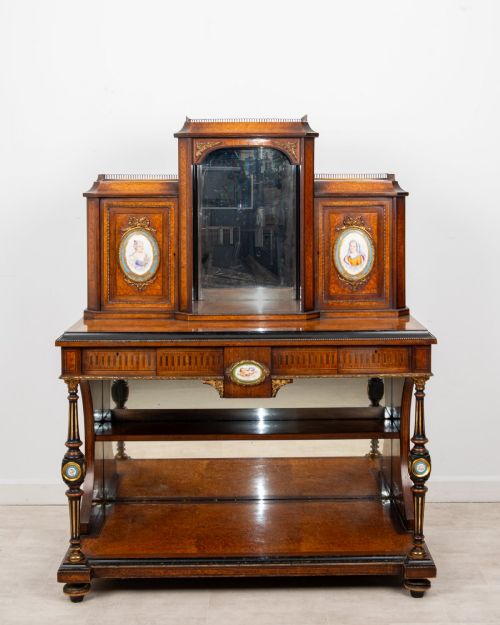
A victorian french bureau encompasses writing desks, tables, and cabinets produced during the nineteenth century under strong continental design influences. The selection on this page leans heavily towards sophisticated forms such as the bonheur du jour, bureau plat, and secretaire abattant.
These pieces bridge domestic utility and ornamental display, serving as functional writing spaces while showcasing elaborate decorative schemes. Walnut, kingwood, and rosewood predominate, frequently enriched with contrasting veneers and metal mounts.
How they were made
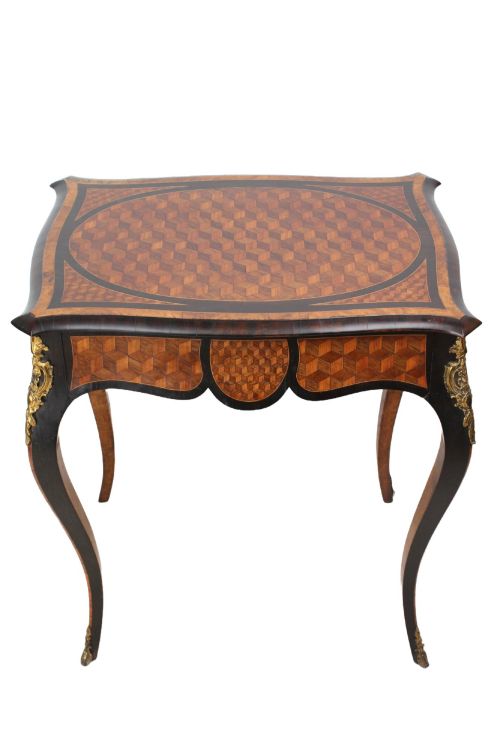
Cabinet makers built carcases from sturdy secondary timbers before applying fine veneers including burr walnut, amboyna, and satinwood. Marquetry and parquetry patterns demanded immense precision, creating geometric motifs or floral designs across the writing surfaces and drawers.
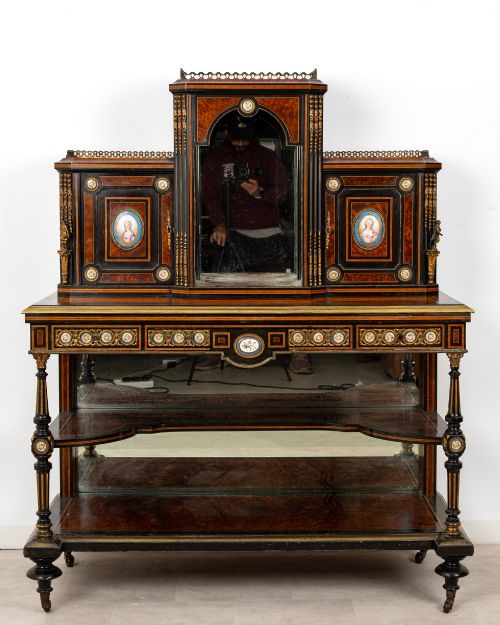
Gilded bronze ormolu mounts fortified corners and edges, while inset panels of leather, porcelain plaques, or glass added textural contrast. French polishing sealed the wood grain to a high gloss, protecting the delicate inlays beneath.
Listings feature nineteenth-century writing furniture executed in burr walnut, kingwood, and rosewood with elaborate ormolu mounts.
What varies in quality
The architectural balance of the writing slope, the smoothness of internal drawer construction, and the integrity of inset leather panels distinguish standard commercial items from exceptional atelier creations.
JAS Shoolbred·Durand·Blake·Donald Ross·Edwards and Roberts
The Victorian French Bureau Glossary
- Bonheur du jour
- A small, light lady's writing desk featuring a tiered superstructure with small drawers and shelves above the writing surface.
- Bureau plat
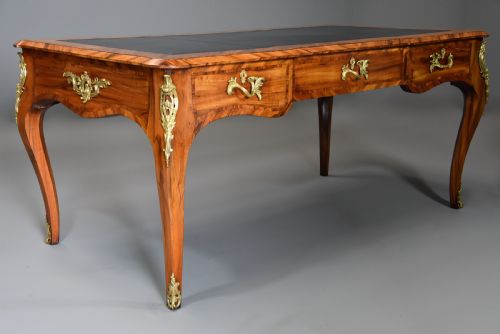
- A freestanding double-sided writing table, typically featuring multiple drawers along the frieze and standing on cabriole legs.
- Secretaire abattant
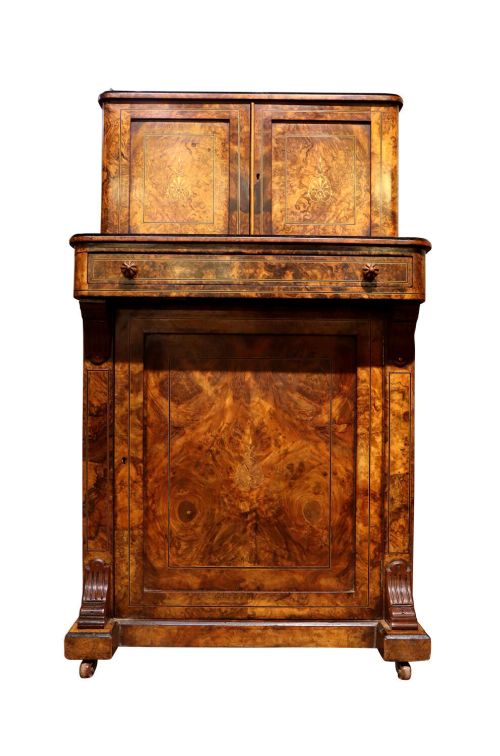
- A tall upright cabinet with a drop-front writing flap that conceals fitted pigeonholes and small drawers.
- Ormolu
- Gilded bronze used extensively for decorative mounts, handles, and feet on high-style nineteenth-century furniture.
- Marquetry
- The art of applying decorative pieces of veneer to a structure to form intricate pictorial or geometric designs.
Victorian French Bureau: Frequently Asked Questions
What is a bonheur du jour?
A bonheur du jour is a dainty writing desk topped with a small cabinet or shelving unit. It was designed primarily for ladies to write letters and store correspondence.
These pieces typically sit away from the wall thanks to finished backs, allowing flexible placement in a drawing room or study.
How do I distinguish a bureau plat?
A bureau plat is a flat-topped writing table featuring drawers across the frieze. Unlike standard desks, it is finished on all sides for placement in the centre of a room.
Most examples stand on slender cabriole legs and display polished brass or ormolu mounts along the edges.
Where were these desks placed?
Victorian homes utilised these refined desks in private boudoirs, reception rooms, and grand libraries. They functioned as personal writing hubs for managing correspondence and keeping small valuables.
Because many feature finished backs, owners often floated them in the middle of a room rather than pushing them against a wall.
How do I care for inlaid wood?
Maintain inlaid and veneered surfaces by keeping them away from direct sunlight and sudden temperature shifts. Use a soft, dry cloth for dusting and avoid silicone polishes that can degrade historical finishes.
Stable indoor humidity prevents the delicate wood veneers and marquetry panels from lifting or cracking over time.