






Victorian Four Door Cupboard
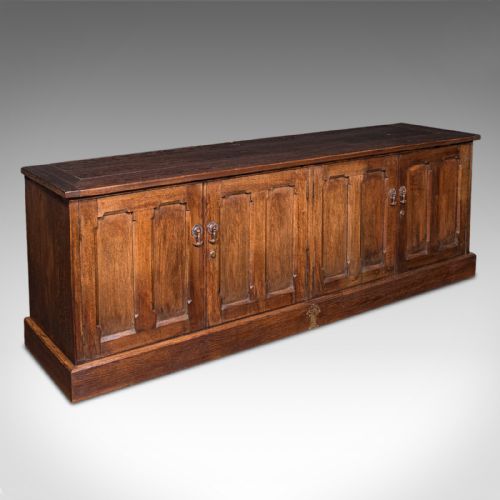
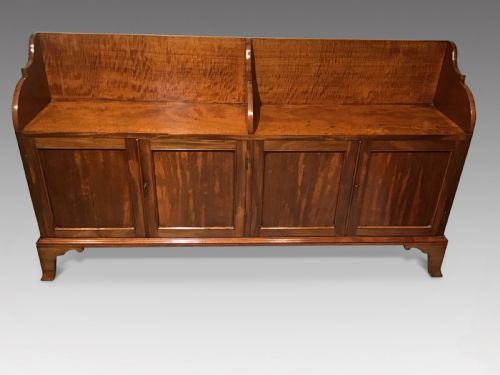
A victorian four door cupboard gives you serious storage wrapped in proper timber, built to command a room.
Victorian Four Door Cupboard
When you search for a victorian four door cupboard, you encounter substantial storage furniture designed for serious domestic utility during the nineteenth century. These pieces emerge primarily from the Victorian period, spanning the mid to late nineteenth century around eighteen fifty to eighteen eighty.
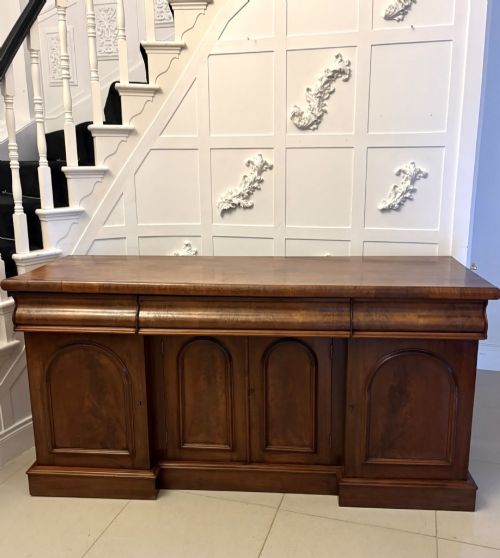
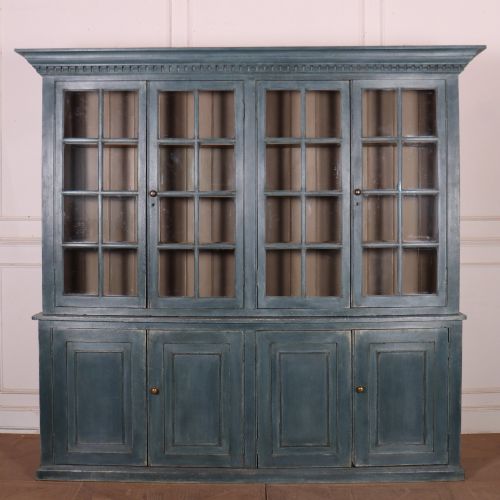
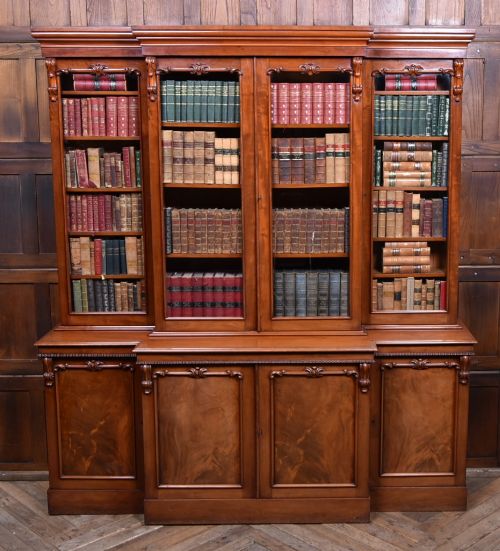
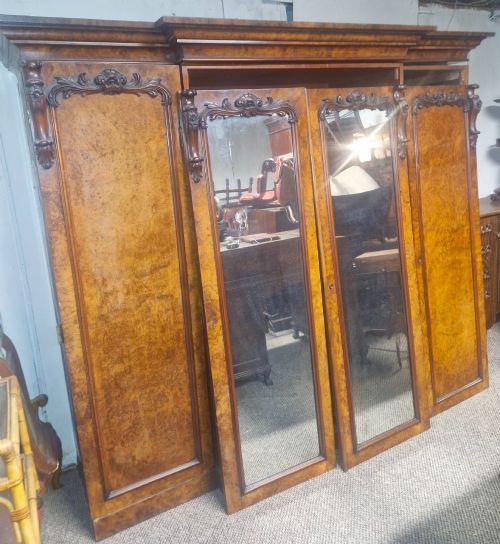
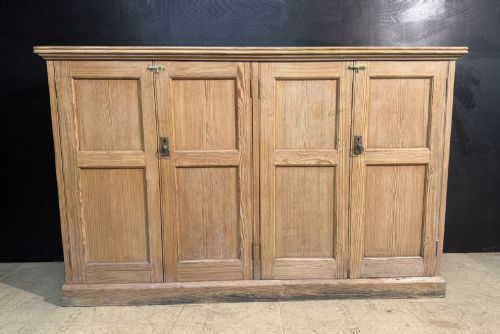
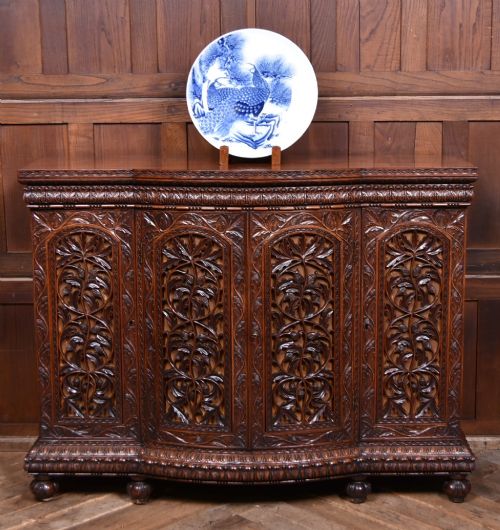
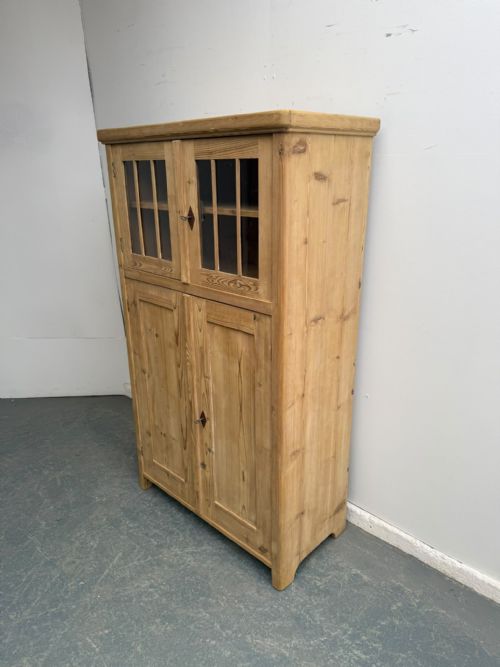
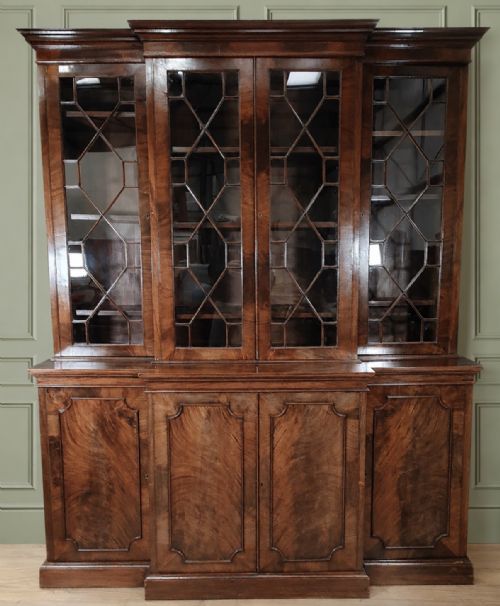
The evidence shows these forms manifest as pine housekeepers cupboards, mahogany bookcases, breakfront wardrobes, and glazed storage cabinets. You are most likely to meet pine versions finished for waxing or painting alongside formal mahogany and rosewood library pieces.
Origins stretch across English country styles, gothic revival designs, and anglo-indian colonial variants. Each piece provides extensive foundational storage through its four door configuration, whether fronting a library, linen press, or kitchen base.
How they were made
Cabinet makers utilised dense hardwoods like figured mahogany, rosewood, burr walnut, and padouk wood alongside domestic softwoods such as pine. Hardwoods were selected for formal display pieces to show off rich grain patterns, while pine served practical utility in country houses.
Construction involved sturdy timber framing fitted with brass and iron hardware for hinges and locks. Glazed sections incorporated glass panels into doors for bookcases and cabinets, while other variations utilised beaded detailing and inlaid woodwork.
Victorian Four Door Cupboard Retail Price Guide 2026
Typical asking prices for victorian four door cupboard among the pieces listed under this phrase on Sellingantiques today, from the lower quarter to the upper quarter. They describe what is for sale here now, not the wider market.
Listings feature woods spanning dense mahogany, rosewood, padouk, and burr walnut alongside utility pine.
What varies in quality
The distinction between tiers rests upon timber selection and structural ambition, moving from utilitarian pine storage to figured mahogany and rosewood library furniture. Master cabinet makers deployed carefully matched veneers and intricate breakfront proportions that elevate a piece beyond simple utility.
Hardware execution and secondary wood choice further separate standard workshop output from exceptional examples. Finer constructions exhibit thoughtful grain alignment across all four doors and integration of architectural styles like gothic revival or regency influences.
The Victorian Four Door Cupboard Glossary
- Breakfront
- A piece of furniture where the central section projects forward from the flanking outer sections. This configuration breaks up the linear flatness and adds architectural depth.
- Housekeepers cupboard
- A large storage piece traditionally used in large country houses for linen, dry goods, and domestic equipment. These utility pieces usually feature sturdy pine construction.
- Padouk wood
- A dense tropical timber known for its reddish hue and durability, utilised in colonial and nineteenth century cabinet making. It provides a robust alternative to native British hardwoods.
- Chiffonier
- A low sideboard or cabinet equipped with doors enclosing shelves, popular during the nineteenth century. It serves as both a serving surface and enclosed storage.
- Gothic Revival
- A nineteenth century design style drawing inspiration from medieval architecture, featuring pointed arches, tracery, and heavy proportions. It manifests in oak and mahogany library furniture.
Victorian Four Door Cupboard: Frequently Asked Questions
What rooms suit a four door cupboard?
These large pieces demand generous wall space to sit comfortably without dominating the floor plan. Libraries, dining rooms, and spacious hallways accommodate their substantial width most effectively.
Their extensive internal capacity makes them practical for storing heavy books, tableware, or linens. Placement should account for the clearance needed to swing four doors open fully.
How do I care for nineteenth century timber?
Maintain stable indoor humidity levels to prevent timber from splitting or warping over time. Keep pieces away from direct heat sources and strong sunlight that bleaches polished finishes.
Apply traditional wax periodically to nourish hardwoods like mahogany and rosewood. Avoid modern silicone sprays which build up and damage antique polished surfaces.
Were these cupboards used in kitchens?
Pine variants often served utility roles in the service wings of large houses, holding provisions and household linen. Housekeepers managed these cupboards daily to keep domestic supplies organised.
Formal mahogany and rosewood versions resided in libraries, dining rooms, and parlours rather than workspaces. Their purpose depended entirely on the primary timber and the room they inhabited.
How do I distinguish pine from hardwood?
Pine is a softwood displaying pale colouration with visible growth rings and knots, often prepared for painting or waxing. It offers a lighter weight and a rustic domestic character.
Hardwoods like mahogany, rosewood, and burr walnut present deep, rich tones with tight or figured grain patterns. These dense timbers indicate formal reception furniture rather than utility storage.