


Victorian Folding Furniture
Victorian folding furniture comprises ingenious space-saving tables, chairs, and screens in mahogany, walnut, and rosewood designed for travel, compact living, and versatile entertaining.
Victorian Folding Furniture
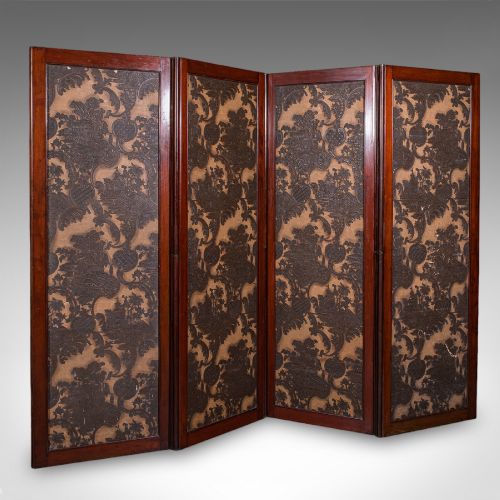
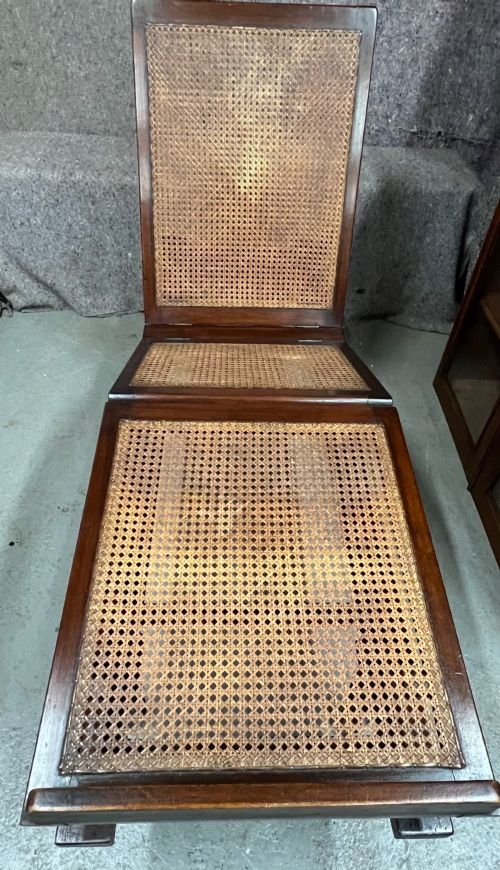
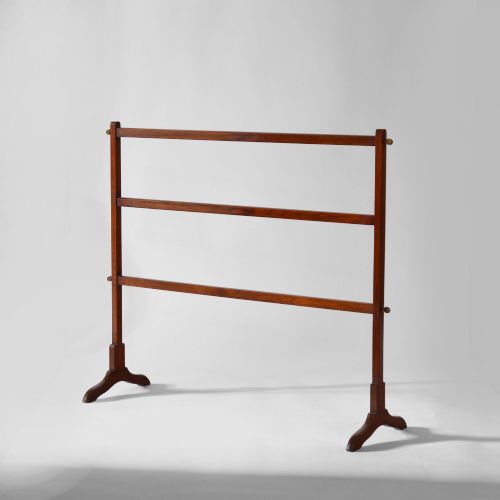
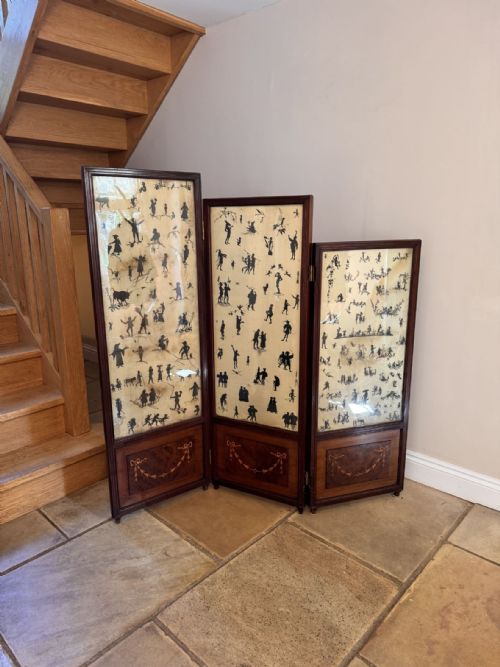
Victorian folding furniture encompasses everything from portable campaign tables and coaching pieces to domestic card tables, occasional tables, and nursery screens. These items were engineered to collapse, fold, or drop their leaves for easy transport or compact storage in smaller rooms.
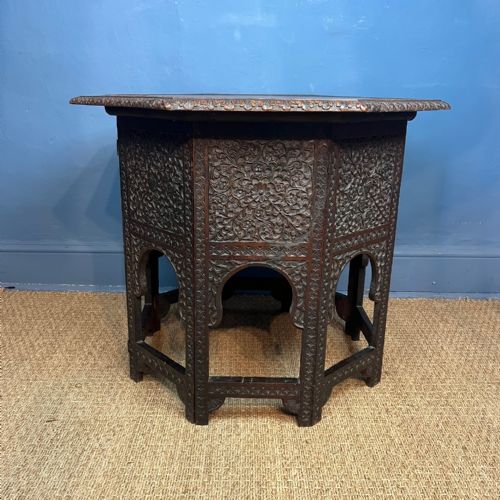
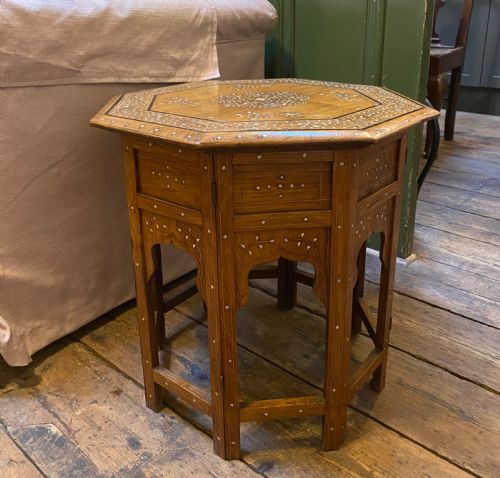
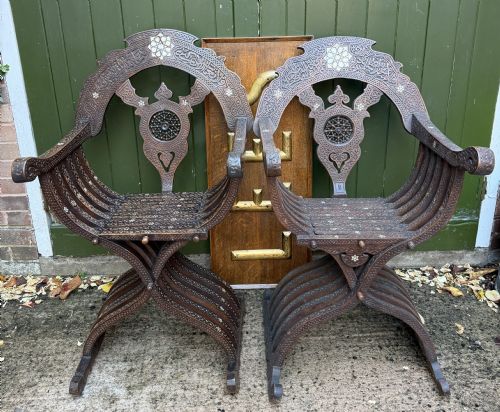
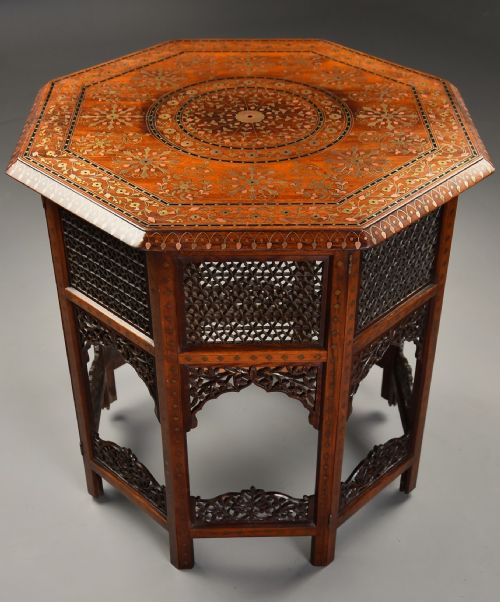
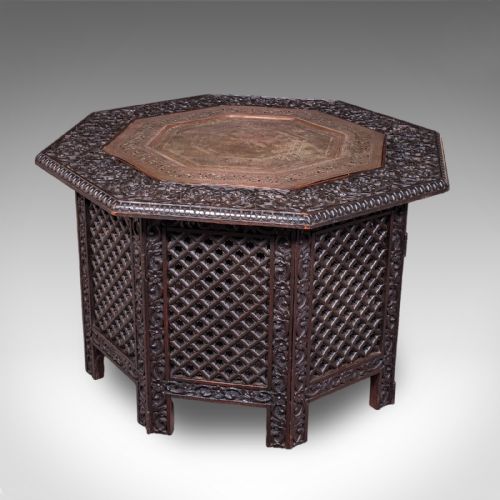
Mahogany and walnut predominate among the tables and chairs, alongside exotic timbers like rosewood, padauk, and teak. Alongside standard domestic designs, the selections include Anglo-Indian Hoshiarpur pieces, Syrian mother-of-pearl inlaid items, and campaign equipment designed for colonial service.
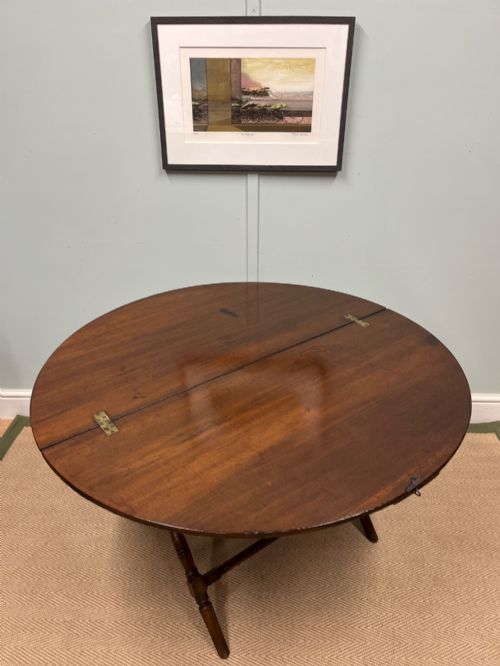
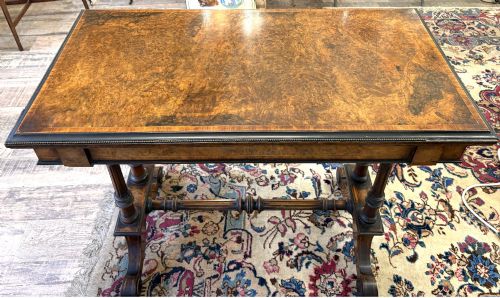
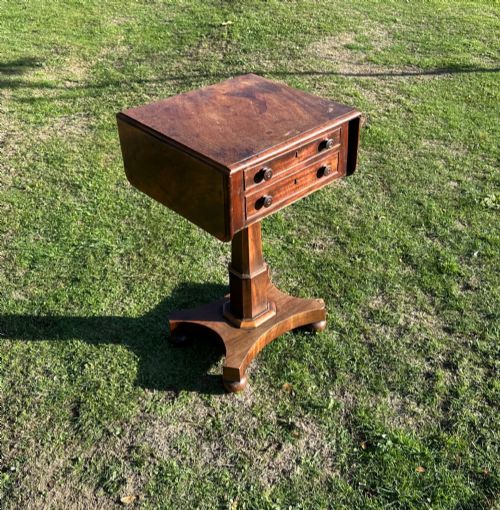
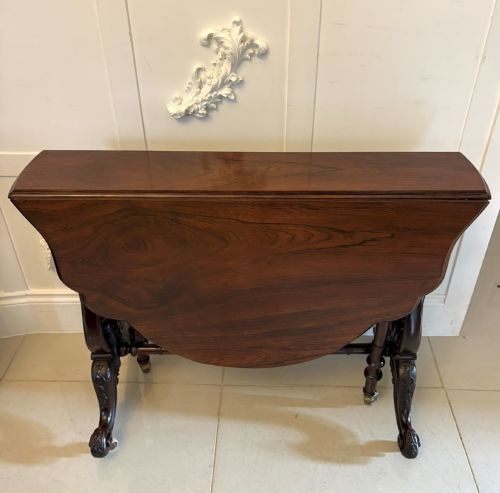
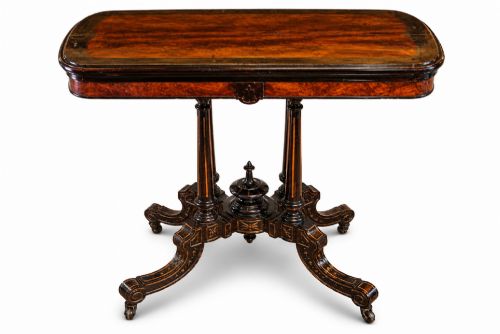
The most common domestic iterations seen here are fold-over card and games tables in mahogany and walnut, alongside simple folding coaching tables and drop-leaf Sutherland tables in rosewood. These pieces served dual purposes in period interiors, expanding when guests arrived and folding away afterward.
Materials and construction techniques
Cabinetmakers utilised dense hardwoods such as mahogany, walnut, and rosewood, ensuring the hinged joints and folding mechanisms could withstand repeated movement. Secondary woods support structural framing, while brass hinges, pivots, and mounts secure the folding leaves and collapsible stands.
Surface decoration ranges from bone and nacre-shell inlay on Syrian armchairs to intricate Hoshiarpur marquetry and brass stringing on occasional tables. Ebonised finishes, burr walnut veneers, and copper inserts further distinguish regional workshop practices from standard domestic British production.
Victorian Folding Furniture Retail Price Guide 2026
Typical asking prices for victorian folding furniture among the pieces listed under this phrase on Sellingantiques today, from the lower quarter to the upper quarter. They describe what is for sale here now, not the wider market.
Turn your cards on a folding table that once travelled the empire.
Distinctions in construction and design
Quality rests in the precision of the folding mechanism and the stability of the piece when fully open. Superior examples utilise robust brass hardware and tightly fitted hinge boxes that prevent wobble in card tables and coaching stands.
The choice of timber and the intricacy of the decorative inlay define the upper tier of the range. Finely carved fruitwood, dense burr walnut veneers, and detailed mother-of-pearl or bone marquetry indicate workshops of higher standing.
Gillow & Co·E.W Godwin
The Victorian Folding Furniture Glossary
- Campaign furniture
- Portable pieces designed to fold, dismantle, or pack flat for military officers or travellers. These items utilise brass corners, recessed handles, and screw-in legs.
- Coaching table
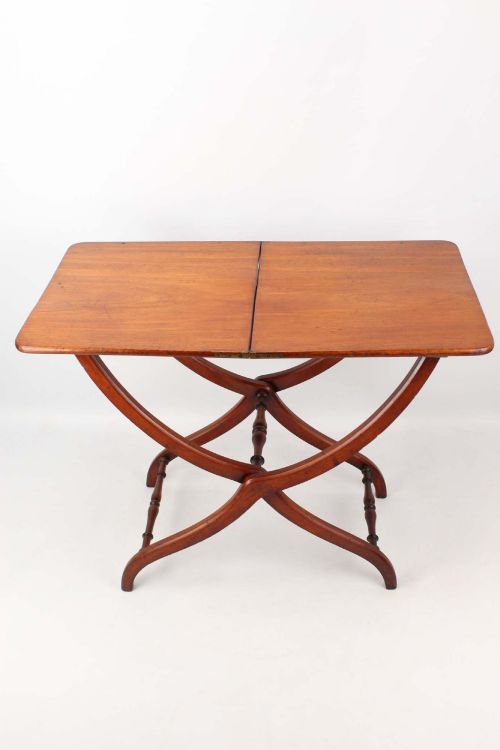
- A collapsible X-frame table with a removable tray top, originally used in carriages and temporary lodgings. The folding base stands on crossed stretchers.
- Sutherland table
- A narrow drop-leaf table with exceptionally wide leaves and deep gates that support them when raised. It folds into a very slim footprint.
- Hoshiarpur
- A style of Anglo-Indian woodwork characterised by dense, intricate inlay of bone or shesham wood in geometric and floral patterns. These pieces typically utilise teak or fruitwood.
- Fold-over table
- A table with a hinged top that rotates and opens out to double its surface area, often revealing a well for cards or games underneath.
Victorian Folding Furniture: Frequently Asked Questions
What is a coaching table?
A coaching table is a portable piece featuring a folding X-frame base and a removable tray top. They were built for easy transport during travel.
In modern rooms, they function well as flexible side tables or bedside stands that fold flat when not required.
How do fold-over card tables work?
Fold-over card tables feature a top hinged along the back edge that rotates and opens out to double the surface area. The pivoting top rests on a swinging frame or gate leg.
Beneath the folding top, many examples include a concealed storage well designed for holding playing cards and counters.
Where were campaign tables used?
Campaign tables were manufactured for British military officers, diplomats, and travellers on colonial service. Their folding frames and removable parts allowed rapid packing into crates.
Today, their robust construction and practical folding design make them durable additions to studies and living areas.