


Victorian Floral Porcelain Vase
A victorian floral porcelain vase brings hand-painted petals and gilded detail straight into a room from the nineteenth century.
Victorian Floral Porcelain Vase
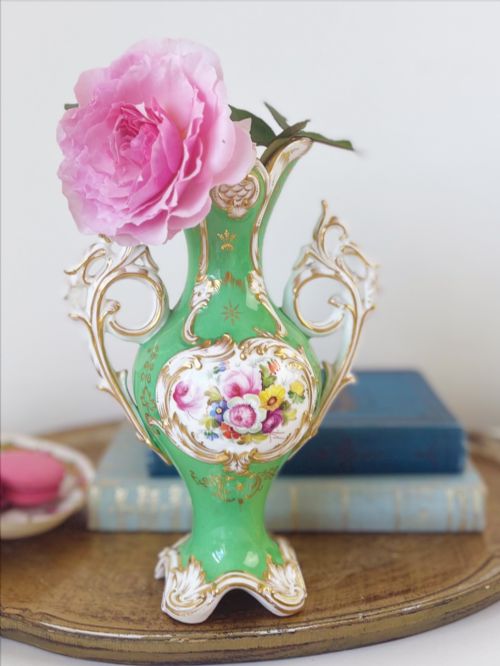
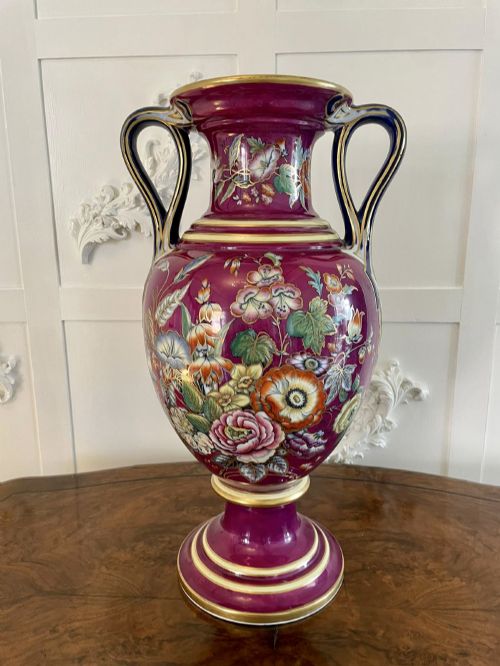
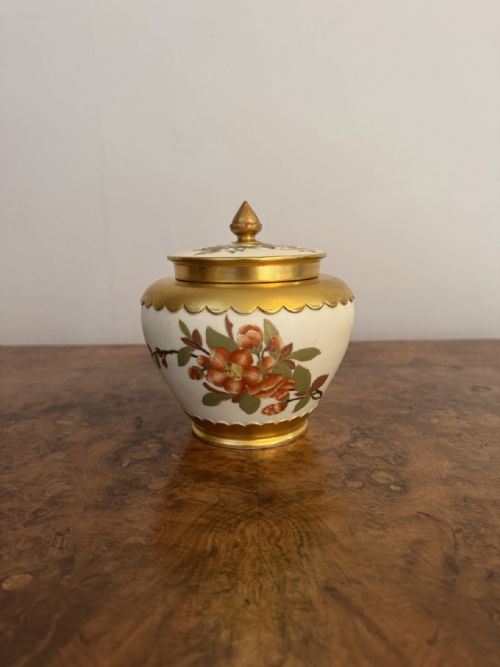
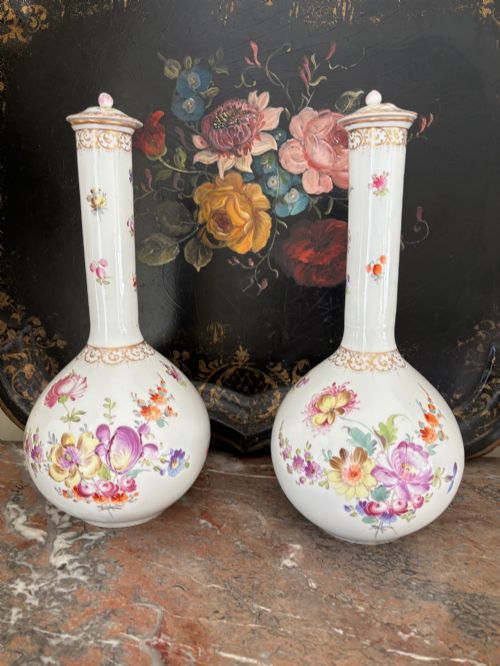
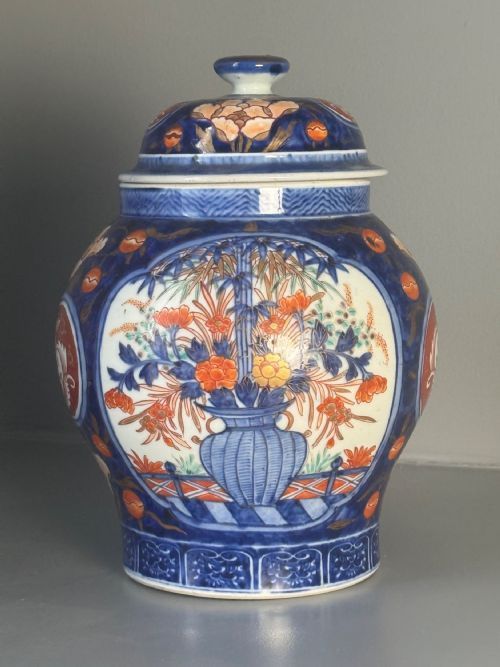
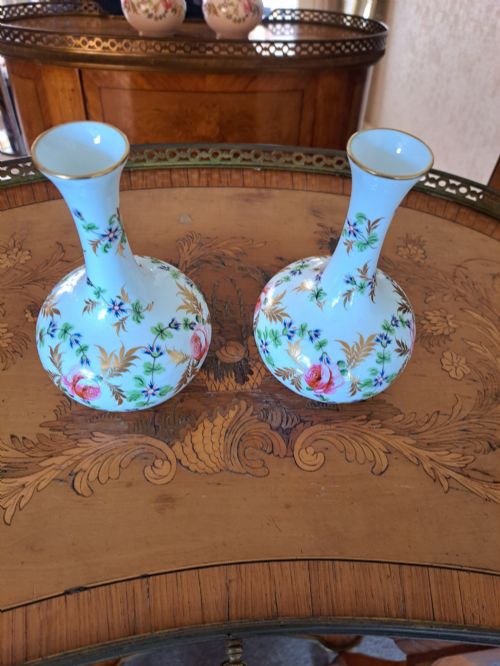
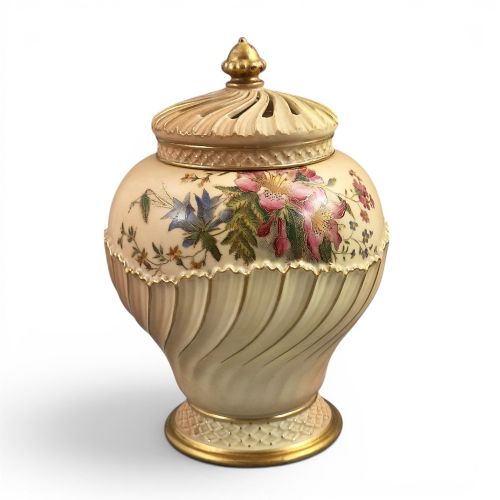
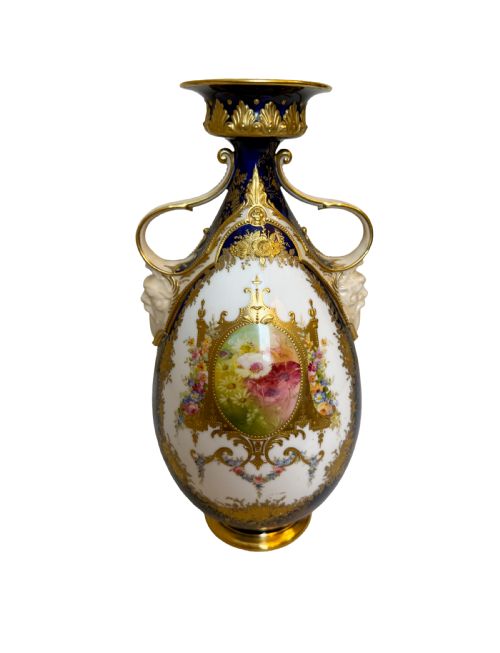
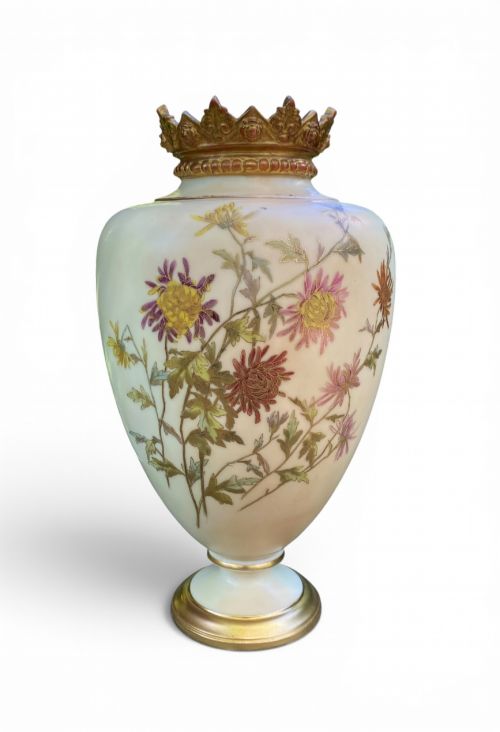
A victorian floral porcelain vase encompasses a range of ceramic vessels produced during the nineteenth century and the Edwardian era, featuring painted flower motifs. The selection includes bulbous shapes, twin-handled urns, lidded potpourri pots, and slender bud vases created across Britain and continental Europe.
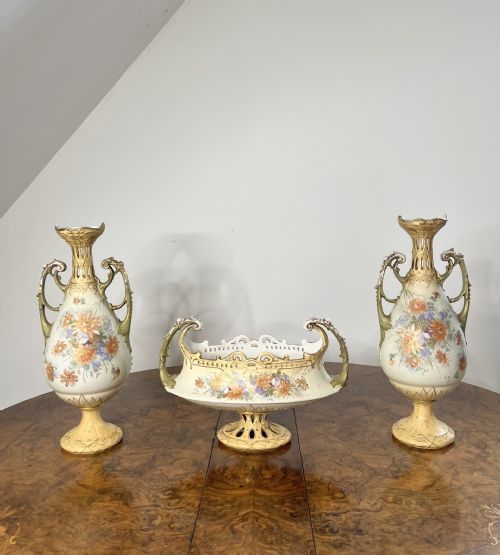
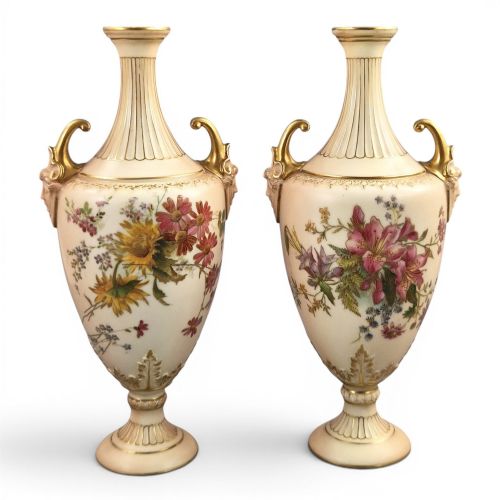
Buyers most frequently encounter pieces originating from major factories such as Royal Worcester, alongside Staffordshire productions and continental porcelain works. These items appear both individually and as matched pairs or garniture sets intended for mantle displays.
Forms span standard beaker shapes through to elaborate ewers and centrepieces incorporating brass mounts or gilt bronze trim. The decorative styles extend from rococo revival curves to art nouveau lines and aesthetic movement designs.
How they were made
Potters shaped porcelain, ceramic, and ironstone clays by hand or in moulds to create ovoid, bulbous, and flared bodies. Artisans applied hand-painted botanical decoration directly onto the ceramic body, often over a white glaze.
Makers integrated rich surface details through the application of enamel colours, gold leaf, and gilding. Metal components such as brass fittings and gilt bronze trim were secured to support handles, rims, and bases.
Dolphin bases occasionally support nineteenth-century beaker forms, proving that Victorian mantelpieces embraced marine life.
What varies in quality
The precision and detail of the hand-painted floral decoration set individual pieces apart, separating standard factory output from exceptional artistic work. Finer examples display delicate brushwork depicting specific flowers like chrysanthemums with nuanced shading.
The application of gilding and the quality of secondary materials, such as gilt bronze trim or pierced handles, indicate the original tier of production. Elaborate additions like multi-dolphin bases or complete garniture sets represent higher manufacturing ambition.
Royal Worcester·Royal Doulton·Sitzendorf·Crown Derby·Ernst Wahliss·Doulton Burslem·Samuel Alcock·Jacob Petit·Moorcroft Macintyre·Mason
The Victorian Floral Porcelain Vase Glossary
- Garniture
- A set of three or more matching vases or vessels designed to be displayed together on a mantlepiece or sideboard. These matched groups typically comprise a central vase flanked by side vases.
- Ewer
- A large jug-shaped vase featuring an ornate handle and a spouted or flared rim. Originating from utilitarian vessels, decorative examples served as ornamental display pieces.
- Potpourri
- A lidded vessel pierced with small holes designed to release the scent of dried flower petals held within. These jars often feature intricate hand-painted floral motifs across the ceramic body.
- Porcelaneous
- A semi-vitrified ceramic material that shares the durable qualities of porcelain while retaining an opaque body. Staffordshire potters frequently utilised this composition for heavy decorative vessels.
- Blush ivory
- A specific soft cream-coloured porcelain glaze developed by Royal Worcester. Artisans painted delicate floral sprays directly over this matte background.
Victorian Floral Porcelain Vase: Frequently Asked Questions
How do I display a garniture set?
Place the tallest central vase in the exact middle of a mantlepiece or sideboard to anchor the arrangement. Flank it symmetrically with the matching side vases to recreate traditional nineteenth-century display aesthetics.
Ensure adequate space surrounds each piece so the hand-painted floral details remain fully visible from standard vantage points within the room.
Can I use these vases for fresh flowers?
Many nineteenth-century vessels were created purely for ornamental display rather than holding water. Using them for fresh arrangements risks damaging historic glazes and interior ceramic bodies.
Stick to dried botanicals or display the pieces empty to preserve the delicate hand-painted enamel and gilt surfaces safely.
How do I identify Royal Worcester blush ivory?
Look for the characteristic soft, matte cream-coloured background finish that mimics the tone of natural ivory. This specific glaze ground typically supports delicate hand-painted floral decoration.
Check the base of the vessel for factory marks and date ciphers to confirm the period of production.