


Victorian Floral Inlaid Cabinet
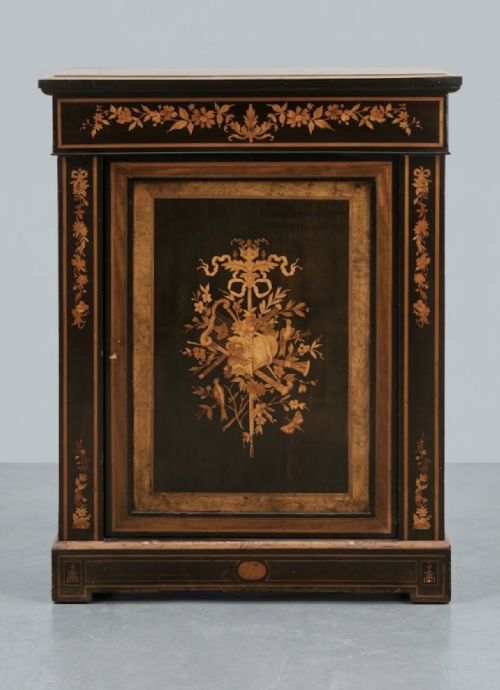
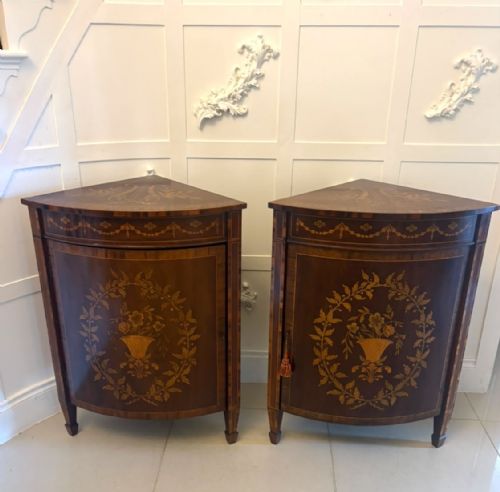
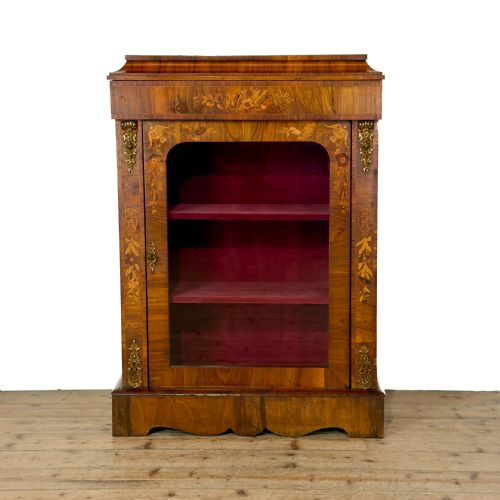
These pieces are a victorian floral inlaid cabinet, built to display possessions and house books or porcelain in nineteenth-century drawing rooms.
Victorian Floral Inlaid Cabinet
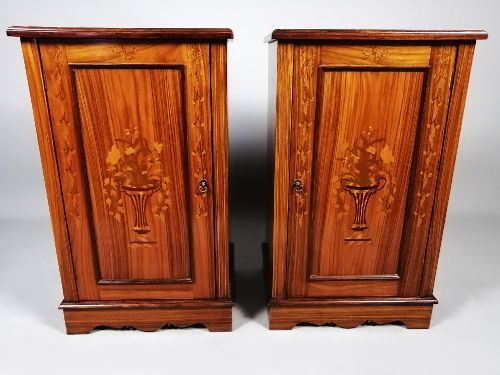
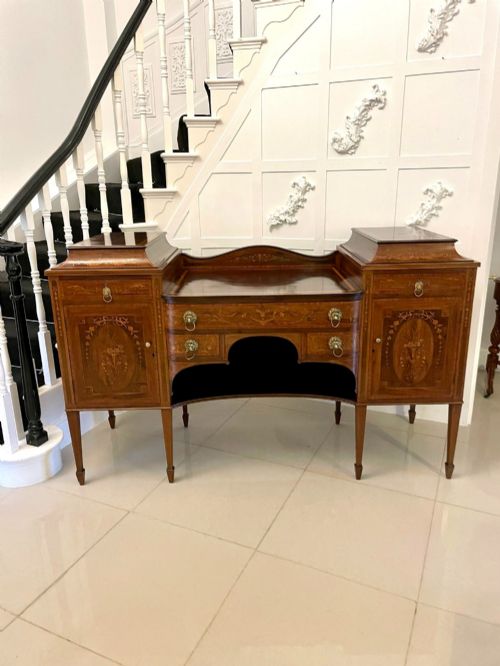
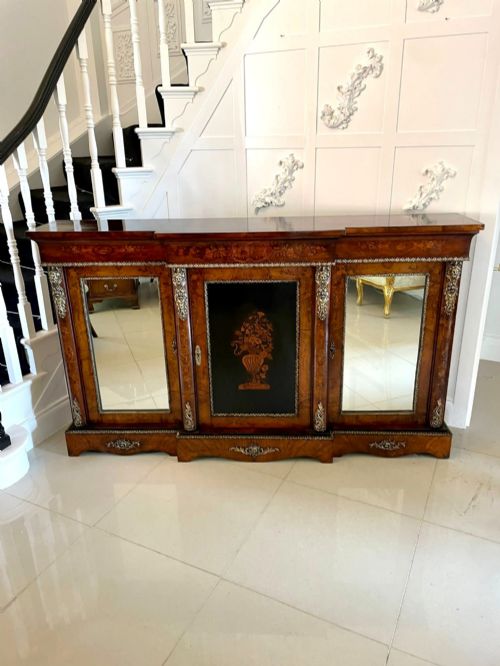
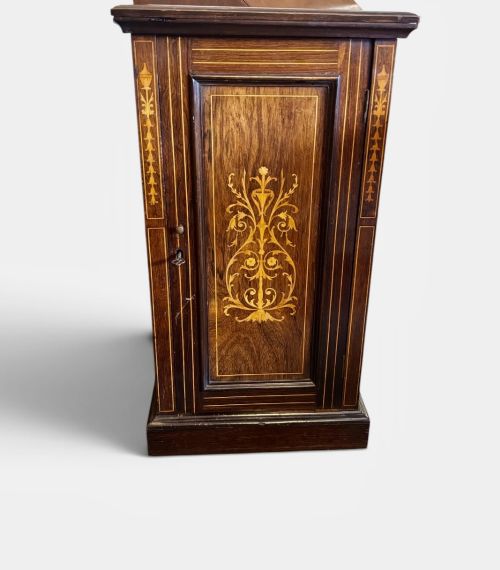
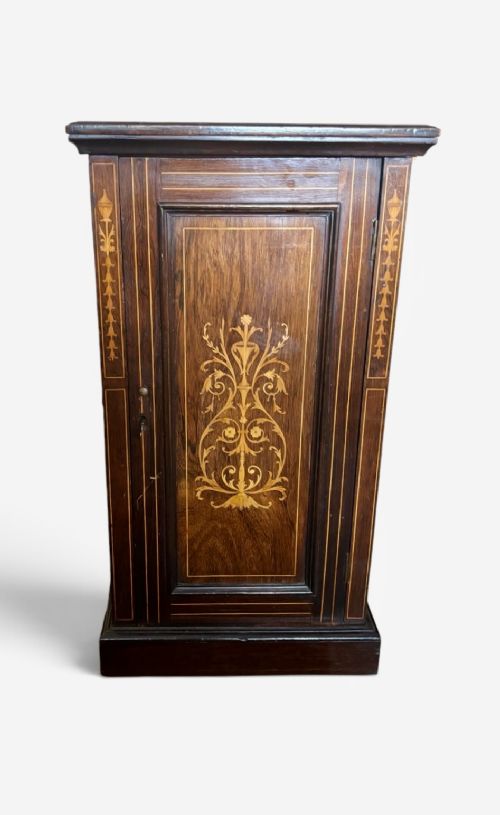
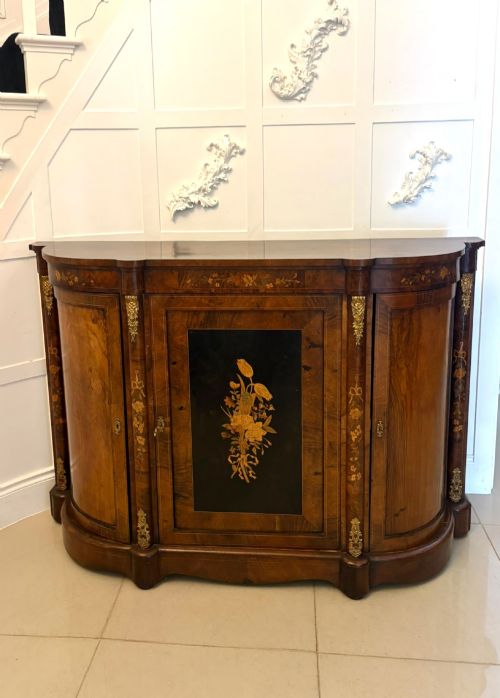
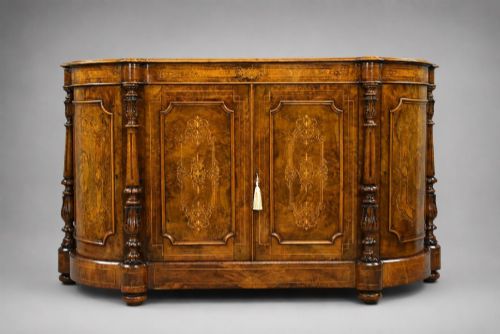
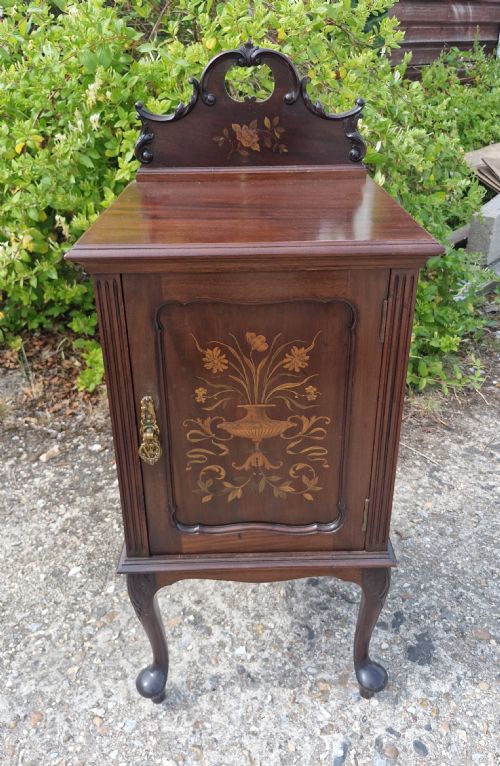
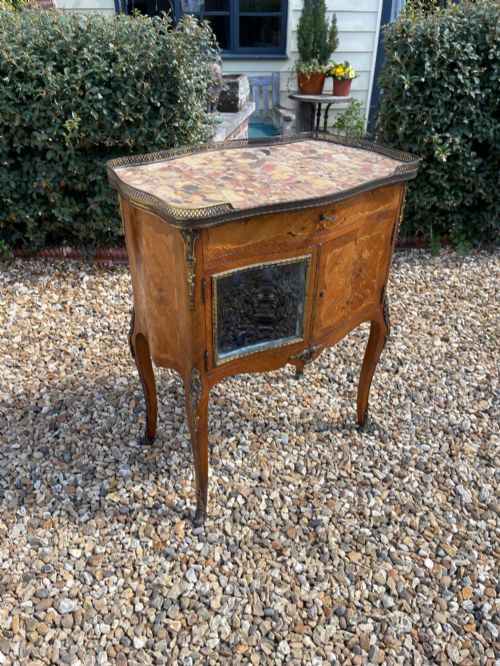
A victorian floral inlaid cabinet combines storage with decorative floral marquetry across various forms including credenzas, pier cabinets, and bedside cupboards. Buyers most frequently encounter burr walnut credenzas and rosewood side cabinets featuring intricate floral ornamentation.
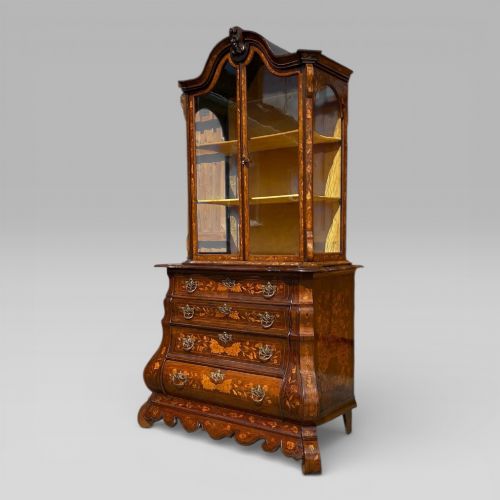
The objects span multiple structural types, from serpentine-fronted display cabinets and bookcases to narrow bedside pieces. Most date from the Victorian period, utilising walnut, rosewood, and mahogany as foundations for intricate boxwood and satinwood inlay.
How They Were Made
Craftsmen built carcasses from solid timbers like mahogany or pine, then applied expensive veneers of burr walnut, rosewood, or satinwood to create highly figured surfaces. They cut delicate floral motifs from contrasting woods like boxwood and maple, pressing them into recessed channels.
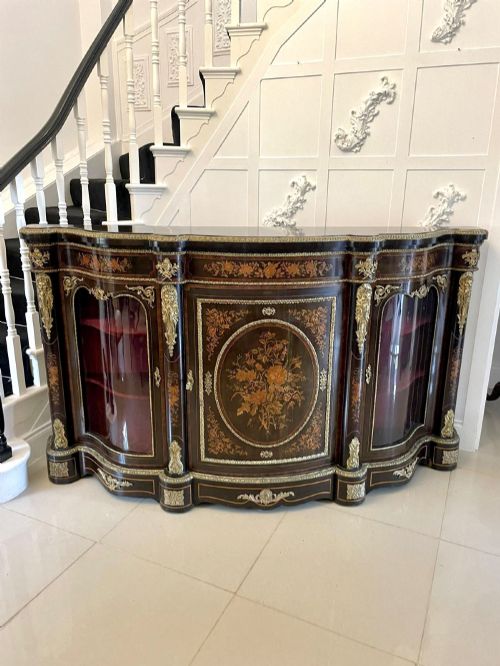
Makers integrated brass and ormolu mounts to edge doors, frame glass panels, and accent corners, particularly on French revival pieces. Glazed display sections relied on wooden glazing bars or curved glass doors shaped to serpentine profiles.
Listings feature eighteenth and nineteenth-century pieces spanning the Victorian and Edwardian periods, utilising walnut, rosewood, mahogany, and satinwood.
What Varies in Quality
The depth and variety of timber figure dictate baseline value, with highly figured burr walnut and rich rosewood commanding greater visual presence than plain mahogany or ebonised finishes. The complexity of the marquetry differentiates standard production from exhibition pieces, where shading and multiple wood species depict naturalistic floral stems.
Structural mounts and hardware signal standards of manufacture, demonstrated by heavy cast ormolu details and fitted interiors lined in silk or velvet. The precision of the joinery around serpentine curves and shaped glass doors separates ordinary domestic furniture from superior workshop output.
Hewetsons London·Edwards and Roberts
The Victorian Floral Inlaid Cabinet Glossary
- Marquetry
- The art of forming decorative patterns by fitting together thin veneers of wood, ivory, or shell onto a structural carcass. This technique allows intricate floral and pictorial designs to cover flat or curved furniture surfaces.
- Credenza
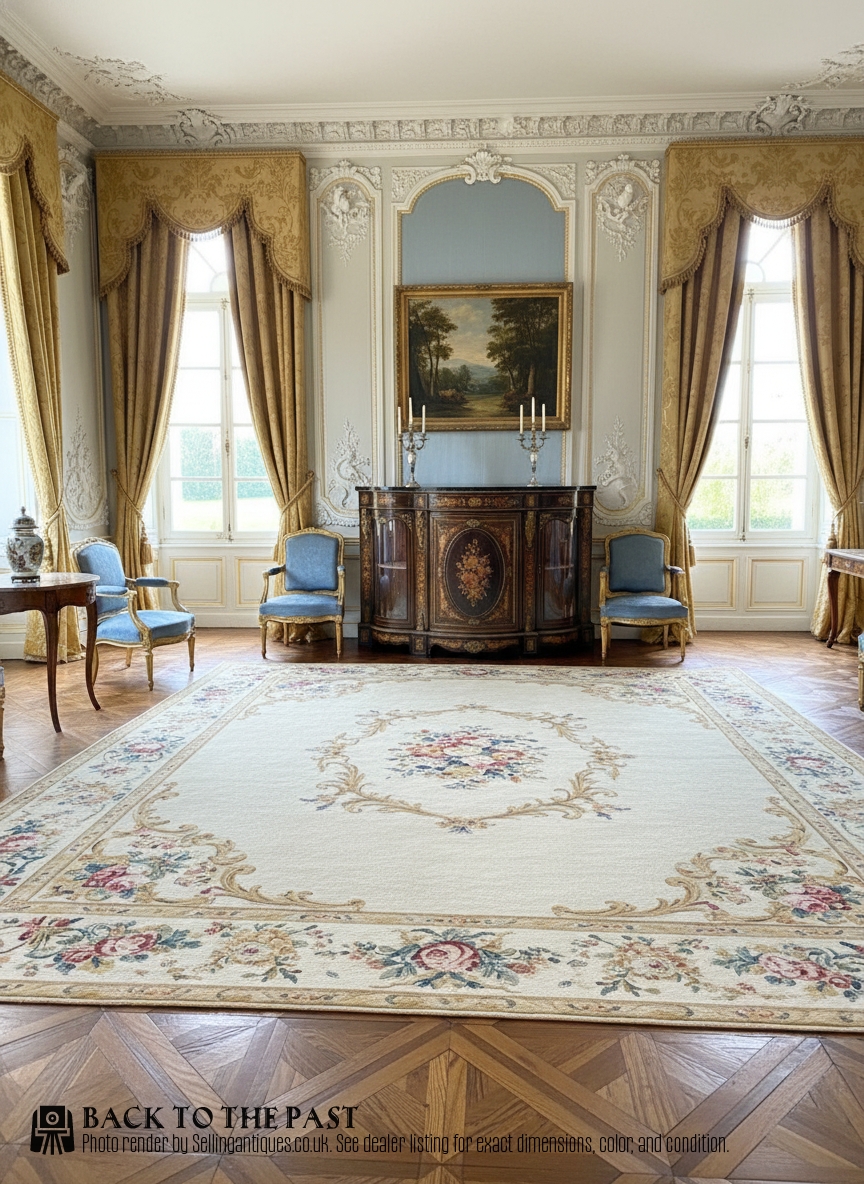
- A low dining or drawing-room cabinet, typically featuring central cupboards flanked by curved glass side doors. Victorian versions frequently showcase elaborate marquetry and ormolu mounts.
- Pier Cabinet
- A narrow display or storage cabinet designed specifically to stand against the wall space between windows. These pieces often feature glass doors and delicate satinwood inlay.
- Burr Walnut
- Timber taken from the gnarled growth on walnut trees, yielding complex swirling grain patterns. It served as a prized veneer for high-status Victorian cabinets.
- Ormolu
- Gilded bronze ornamentation applied to furniture mounts, feet, and borders. It provides metallic contrast against dark rosewood and ebonised surfaces.
Victorian Floral Inlaid Cabinet: Frequently Asked Questions
What rooms suit these cabinets?
Drawing rooms and living spaces accommodate these pieces well, serving as focal points for displaying glassware, ceramics, or books. Their compact footprints also allow narrow pier cabinets to occupy hallways or smaller sitting rooms.
Positioning them away from direct sunlight and heating vents protects vulnerable wood veneers and delicate marquetry from drying out or splitting over time. Pairing them with traditional or eclectic modern interiors highlights their rich wood tones and floral details.
How do I care for inlaid wood?
Maintaining these surfaces requires consistent humidity control and gentle dusting with a soft, dry cloth. Avoid commercial silicone polishes, which build up residue and can soften historic varnishes.
Applying a microcrystalline wax occasionally helps nourish the wood and protect the delicate boxwood or satinwood inlay from atmospheric moisture changes. Professional conservation remains advisable for any structural or veneer repairs.
How are different periods identified?
Examining the primary timbers, secondary woods, and construction methods helps establish the age of a cabinet. Mid-Victorian examples often use heavy burr walnut and rich floral marquetry, whereas later nineteenth-century pieces may incorporate ebonised finishes or revival styles.
Cabinet hardware, backboards, and interior linings also offer clues regarding the decade of manufacture. Sheraton revival pieces from the late nineteenth century typically display lighter satinwood and neoclassical painted motifs.
Were these used for display?
Many variants featured glazed doors and velvet-lined interiors specifically designed to showcase porcelain, curiosities, and valuable glassware. Credenzas and side cabinets combined this display function with enclosed cupboard space for storing household items.
Bookcases and pier cabinets similarly balanced open shelving with secure storage behind panelled or glass doors. This dual purpose made them central fixtures in formal nineteenth-century reception rooms.